
Toyota Camry Hybrid Tire Pressure Guide: Correct PSI for Hybrid Models
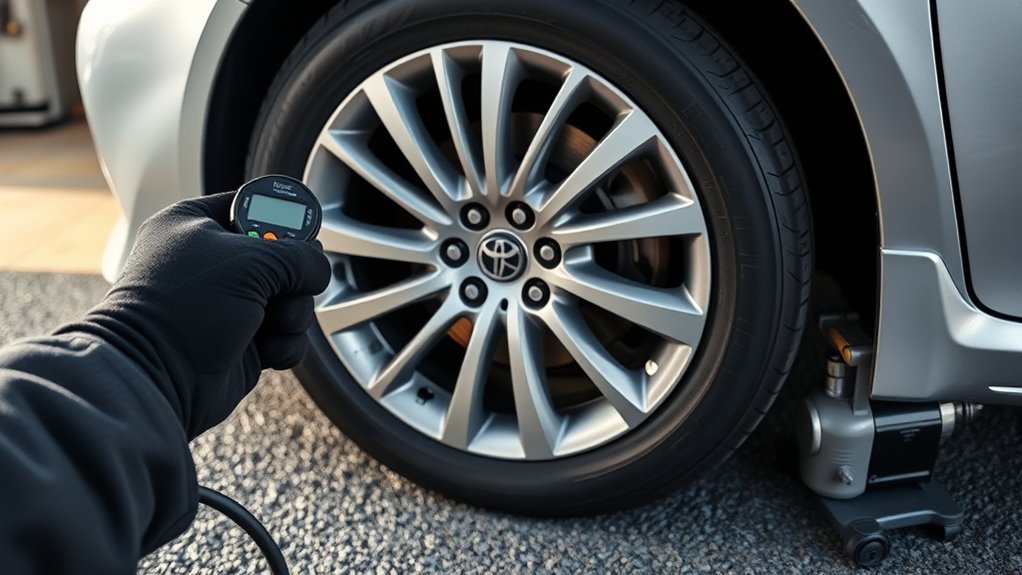
You should keep your Toyota Camry Hybrid tires at about 34 psi cold, unless the driver-side door-jamb placard shows a different spec, usually 32 to 35 psi. Check pressure every 15 days and before long trips with a reliable gauge. Proper PSI improves handling, braking, fuel economy, and tread life. Low pressure builds heat and wear; high pressure reduces grip. Keep going to see how to verify, adjust, and maintain it correctly.
What Is the Right Camry Hybrid Tire Pressure?
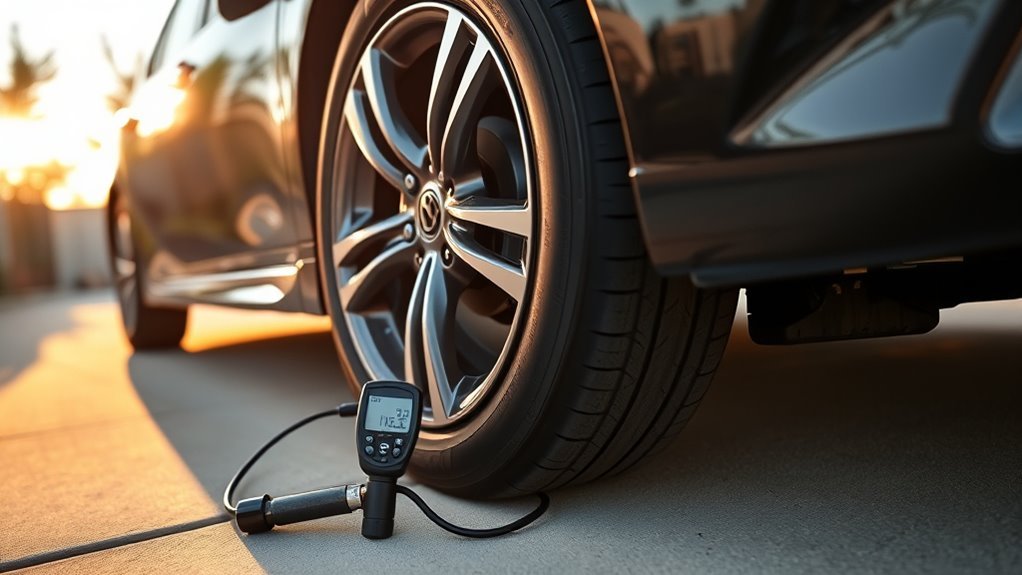
The Toyota Camry Hybrid’s recommended tire pressure is typically around 34 psi, and you should keep both the front and rear tires at that level for the best balance of safety, fuel efficiency, and handling. That target gives you the calibration Toyota expects for daily driving and steady braking performance. In tire maintenance, you need to check pressure regularly because seasonal changes can shift it as temperatures rise or fall. A cold morning can lower psi, while heat can raise it, so inspect all four tires about every 15 days. If you run under-inflated tires, you increase friction, heat, and tread wear, which drains efficiency and weakens control. If you overinflate, you reduce the contact patch and may impair braking. You can reclaim reliable performance by keeping pressure consistent and correcting it promptly. For exact specifications on your trim, consult the tire pressure sticker inside the driver’s door.
Where Can You Find the Door Sticker?
You’ll usually find the Camry Hybrid door sticker on the driver’s side door jamb, where it lists the tire pressure specifications you need for both the front and rear tires. This is one of the most reliable door sticker locations, and it gives you the factory-recommended PSI, often between 32 and 35 psi. You may also see the tire size and load capacity, which help you match your setup to the vehicle’s designed limits. Check this label whenever you add air or rotate tires so your tire maintenance tips stay grounded in exact data, not guesses. If the sticker’s faded, damaged, or missing, don’t improvise—use your owner’s manual to find the correct numbers for your model year. Reading this label keeps you informed and in control of your vehicle’s baseline tire settings.
Why Camry Hybrid Tire Pressure Matters
Keeping your Toyota Camry Hybrid tires near the recommended 34 psi helps you maintain precise handling, stable braking, and predictable traction. If you run them underinflated, you’ll increase rolling friction and heat buildup, which accelerates tire wear and raises the risk of failure. Correct pressure also supports better fuel economy, while overinflation can reduce comfort and cause uneven wear.
Safety And Control
Proper tire pressure around 34 psi helps your Toyota Camry Hybrid stay stable and predictable, especially when cornering or braking. You get better tire stability because the contact patch stays consistent, so the car responds cleanly to steering input. That also improves braking performance, letting the tires grip the road more effectively when you need to slow down fast. Correct inflation supports traction on wet or dry pavement, which lowers the chance of skidding or losing control. It also keeps driver-assistance systems, including anti-lock brakes, working as designed during emergencies. When you check pressure regularly, you preserve control, support efficiency, and drive with more confidence and freedom.
Tire Wear And Heat
Even when your Camry Hybrid feels stable and responsive, tire pressure still affects how fast the tires wear and how much heat they build up. Keep your tires at the recommended 34 psi so you get even road contact and slower tread wear. When you let pressure drop, the tire flexes more, friction rises, and heat buildup increases. That extra temperature can weaken the casing, shorten tire life, and raise the risk of blowouts or flats. Consistent tire maintenance helps you protect performance without surrendering control to avoidable damage. Check pressure regularly, especially before long drives or temperature swings, so you preserve tire integrity, braking response, and handling. Proper inflation lets you drive with confidence and less waste.
Fuel Economy Benefits
When you hold your Toyota Camry Hybrid tires at the recommended 35 PSI, you reduce rolling resistance and help the hybrid deliver better fuel economy. That matters because your hybrid technology works best when the tires don’t waste energy as heat and friction. Correct inflation lets you preserve fuel efficiency, gain steadier mpg, and keep the drivetrain operating within its intended load. If you let pressure drop, you force the engine and electric system to work harder, which cuts mileage and raises tire temperatures. Regular checks give you control over efficiency instead of letting underinflation drain it away. You also reduce tread wear, improve stability, and protect the smooth, disciplined performance your Camry Hybrid was built to deliver.
What Happens When PSI Is Too Low or Too High?
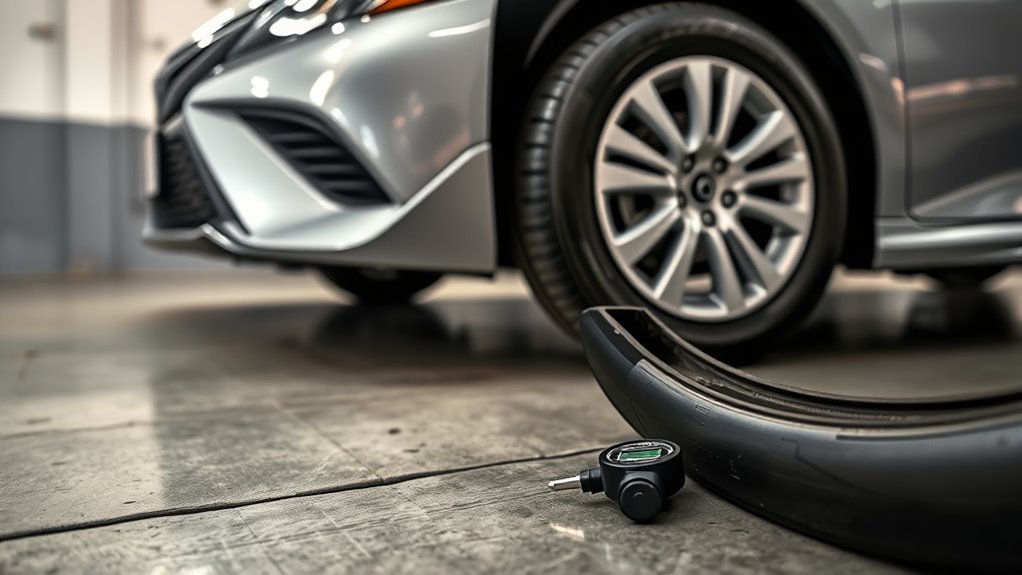
If your Toyota Camry Hybrid runs below the recommended 32–35 psi, tire flex increases, friction rises, and you’re more likely to see overheating, faster wear, longer stopping distances, and flat-tire risk. If PSI climbs above 35, you can lose traction, get a harsher ride, and accelerate uneven tread wear, which may shorten tire life. Keeping pressure in range helps you maintain control, reduce blowout risk, and preserve fuel efficiency.
Low PSI Risks
Tire pressure outside the recommended 32–35 psi range can quickly create safety and performance problems in your Toyota Camry Hybrid. When PSI drops, your tires flex more, build heat, and wear faster, cutting service life. You also lose fuel efficiency, because each 1 psi loss can reduce economy by up to 3%. Under-inflation can trigger the TPMS light, so don’t ignore it.
| Low PSI effect | Result |
|---|---|
| More friction | Faster tread wear |
| Heat buildup | Higher blowout risk |
| Less pressure | Reduced control |
Use tire maintenance tips and safety precautions to check pressure with a gauge when tires are cold. Keeping PSI in range helps you drive with confidence and protects your freedom on the road.
High PSI Risks
Too much or too little PSI can seriously affect your Toyota Camry Hybrid’s handling and tire life. When you run pressure above 35 psi, you expose yourself to high psi effects: the tire crown stiffens, the contact patch shrinks, and the tread can’t conform to the road as designed. That raises over inflation dangers by reducing grip, lengthening response time, and making braking less consistent. You may also notice your driver-assistance systems calibrate poorly if pressure stays off spec. Temperature swings can push PSI even higher, so check and adjust it regularly. Keeping tires in the recommended 32–35 psi range helps you preserve control, maintain efficiency, and keep your hybrid’s chassis working with you, not against you.
Safety And Wear Effects
Whether your Camry Hybrid’s PSI runs too low or too high, the effects show up quickly in safety and tire wear. When pressure drops, your tires flex more, build heat, and scrub faster, which shortens tread life and raises flat-tire risk. Under-inflation also weakens steering response, so you’re more likely to lose control or skid on wet roads. If PSI climbs too high, you’ll see reduced braking efficiency and uneven wear across the tread. Both conditions can trigger the dashboard warning light, so your warning light responses matter. Make tire pressure maintenance routine, checking each tire with a reliable gauge and adjusting to the placard spec. Keeping PSI in range protects handling, extends tire life, improves efficiency, and helps you drive with safer, freer control.
When Should You Check Tire Pressure?
How often should you check your Toyota Camry Hybrid’s tire pressure? You should inspect it every 15 days, and always before a long trip. That rhythm supports accurate tire maintenance tips and lets your pressure monitoring systems work as intended, but don’t rely on them alone. Measure pressure when the tires are cold, ideally before driving or after the car has sat for several hours. Cold readings give you the true baseline because heat from driving raises air pressure and can mislead you. If you check right after a commute, you may see inflated numbers and miss a low tire. Regular checks help you prevent uneven wear, overheating, and blowouts, so you keep control of your vehicle’s safety and efficiency. By staying disciplined, you claim more freedom on the road and reduce avoidable risks.
How Do You Adjust Camry Hybrid Tire Pressure?
Once you’ve checked your Camry Hybrid’s tire pressure, adjusting it is straightforward. Start with the door sticker and confirm the recommended PSI, typically 34 psi front and rear. Use a reliable tire pressure gauge on cold tires, since heat skews readings. If a tire reads low, add air in small increments, then recheck until you reach the target. Don’t exceed 35 psi, because overinflation can reduce grip and ride quality. These adjusting methods keep your hybrid responsive, efficient, and safe.
You can also use the Toyota app for convenient monitoring from your smartphone, which helps you track tire pressure without guesswork. Make this a routine every 15 days, and always inspect before long trips. Consistent checks let you maintain balanced handling and preserve tire life. When you control pressure precisely, you protect performance and keep the car free from avoidable drag.
What Tire Sizes and PSI Fit the Camry Hybrid?
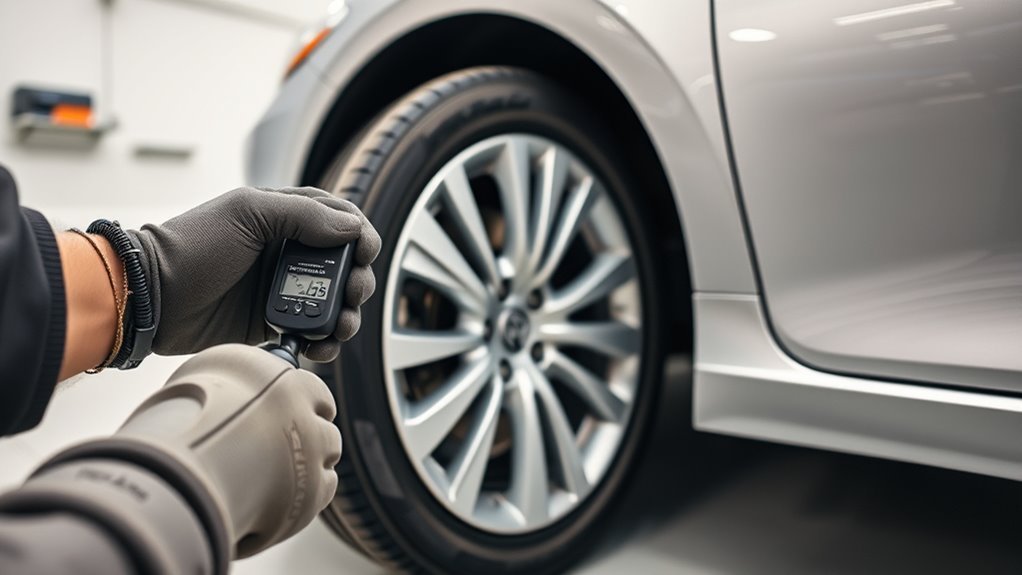
For the Camry Hybrid, the correct tire setup starts with the factory size and pressure spec: the 2021 Toyota Camry Hybrid LE commonly uses 205/65R16 tires, and most models call for about 34–35 psi in both front and rear tires. You should treat that size as your baseline for tire compatibility, because it matches the load rating and handling balance Toyota engineered into the car. If you see size variations on other trims, verify the door-jamb pressure tag before you swap tires or set PSI. That label on the driver’s door frame gives you the exact recommendation for your vehicle, not a generic guess. Check pressures when the tires are cold, since heat and ambient temperature can shift readings. Regular checks help you keep stable grip, even wear, and efficient rolling resistance. If you’re chasing freedom on the road, don’t let incorrect sizing or pressure hold you back.
Where Can You Get Camry Hybrid Tire Help in Orlando?
When you need tire help for your Camry Hybrid in Orlando, Toyota of Orlando offers professional support off I-4 across from Millenia Mall, and you can call them at (407) 298-4500 for service questions. You can get precise tire pressure checks, tire rotation guidance, and diagnostic support that keeps your hybrid at the recommended 34 psi. Their technicians can apply tire maintenance tips that help you preserve efficiency, ride quality, and tread life without guesswork. If you want additional local tire services, Clermont Toyota at 16851 State Road 50 in Clermont also helps you select the right tires and maintain proper inflation. Both service centers give you reliable, factory-informed care so you can move with confidence and keep control of your vehicle’s performance. Toyota of Clermont is open seven days a week, giving you flexible access to service when your schedule demands it.
Frequently Asked Questions
Is 37 PSI Too High for a Toyota Camry?
Yes, 37 psi’s slightly high for your Camry, and you should lower it if the door-sticker spec is 32–35 psi. Proper tire maintenance improves fuel efficiency, braking, and traction, keeping you safer and more independent.
Is 40 PSI Too Much for Camry?
Yes, 40 psi is too high for your Camry; you’re overinflating beyond recommended limits. Your tire maintenance should include pressure monitoring at 34–35 psi, because excess pressure reduces traction, braking, and wear safety.
Is 45 PSI Too High for a Toyota Camry?
Yes, 45 psi is too high for your Camry. You’ll sacrifice traction and braking, and risk blowouts. Follow tire maintenance tips, keep pressures near 32–35 psi, and preserve peak performance with regular checks.
Conclusion
You can keep your Camry Hybrid driving efficiently by checking the door sticker and setting tire pressure to the exact PSI Toyota recommends for your model and tire size. When you stay on top of inflation, you improve handling, protect tire life, and support fuel economy. If PSI drifts too low or too high, your ride can feel like a million pounds of trouble. Check pressures monthly and before long trips, and adjust when tires are cold.

Related Articles
2012 Toyota Camry Tire Size: Factory Tire and Wheel Specs Explained
Get the essential factory tire sizes for your 2012 Toyota Camry and discover how to maximize performance and safety; your ideal tire awaits.
Read More
How Weather Affects Toyota Camry Tire Pressure: Cold, Heat and Humidity
Gaining the right Toyota Camry tire pressure matters as cold, heat, and humidity quietly shift it in ways that could surprise you.
Read More
2010 Toyota Camry Tire Size: Complete OEM Specs by Trim Level
Keen to find the perfect tire size for your 2010 Toyota Camry? Discover essential specs by trim level and enhance your driving experience.
Read More