Directional vs. Non-Directional Tires for Toyota Camry: Key Differences
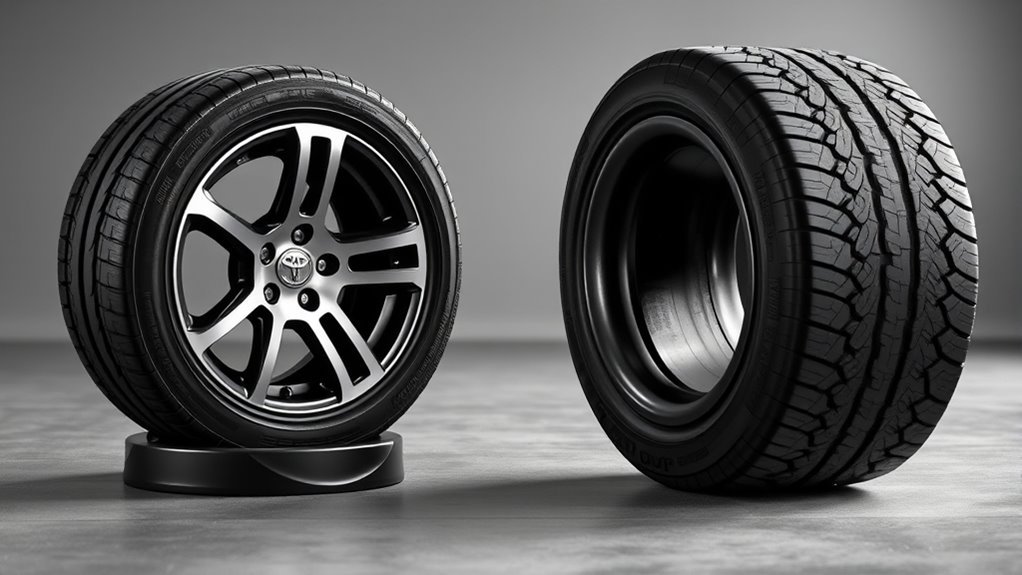
Directional tires on your Toyota Camry use a V-shaped tread that you must mount to spin in one direction, so they’re best for wet-road grip and hydroplaning resistance. Non-directional tires have symmetric tread patterns, so you can rotate them more easily for even wear, longer tread life, and simpler maintenance. If you drive through heavy rain often, directional tires can help; for everyday commuting, non-directional tires usually offer the better balance, and there’s more to compare.
What Are Directional and Non-Directional Tires?

Directional and non-directional tires differ mainly in tread design and how they can be mounted on your Toyota Camry. You’ll see these tire types defined by their tread patterns and by whether they rotate in one direction or any direction. Directional tires use a V-shaped pattern that pushes water outward, and you must install them to spin the correct way. That design can support confident control in wet conditions and at higher speeds. Non-directional tires don’t lock you into one rotation direction, so you can swap them more freely across the car. This flexibility helps you manage tread wear more evenly over time. On a Camry, that means you can choose the setup that fits your driving demands, road conditions, and freedom to maintain your vehicle on your own terms. Understanding both options helps you select the tire that matches your priorities without compromise.
How They Compare on a Camry: Grip, Noise, and Wear
On a Toyota Camry, the biggest differences between directional and non-directional tires show up in grip, road noise, and wear behavior. Directional tires can sharpen tire performance when you push into acceleration or cornering, and their V-shaped tread helps you manage wet driving conditions with better water evacuation. That added bite can come with more road noise on dry pavement, so you may notice a firmer, busier ride. Non-directional tires trade some peak grip for balance: their symmetric tread lets you rotate them in more patterns, which helps them wear evenly and often last longer. If you want low-maintenance commuting, that flexibility matters. If you value stronger traction in demanding driving conditions, directional designs may fit better. Your best choice depends on how you drive, how often you face rain, and whether you prize longevity, quiet comfort, or more immediate grip.
Directional Tires: Wet-Weather Grip and Tradeoffs
What sets directional tires apart is their wet-weather focus: the V-shaped tread channels water away from the contact patch, which helps boost grip and cut the risk of hydroplaning on a Camry in rain or standing water. You get stronger traction from these tread patterns because they clear water fast, so acceleration and braking feel more controlled on slick roads. That’s a real advantage when you want confident handling without overcompensating for hydroplaning risks. Directional tires also need to roll in one specific direction, so correct mounting matters; if you install them backward or let alignment drift, you can lose the wet-road benefit they’re built to deliver. The tradeoff is that many use softer compounds and offer fewer rotation options, which can shorten tread life. So you’re choosing a tire that prioritizes freedom in wet conditions, while accepting stricter setup and maintenance.
Non-Directional Tires: Rotation Flexibility and Longer Life

Non-directional tires give your Toyota Camry more rotation flexibility, and that can help you get more even wear over time. You can use a traditional X pattern or other rotation patterns, which lets you manage tread wear more efficiently across all four tires. That flexibility supports longer life because each tire shares the workload instead of wearing out in one position. These tires also use less aggressive rubber compounds in many cases, so they often last longer than directional options in everyday driving. For tire maintenance, the mounting freedom matters too: you can install them in any position without changing performance, which simplifies service and reduces constraints. You’ll also notice a smoother, quieter ride, adding practical comfort without sacrificing control. If you want a tire setup that gives you more freedom in upkeep and steady wear management, non-directional tires make a technically sound, durable choice for your Camry.
Which Tire Type Fits Your Driving Needs?
When you’re choosing between directional and non-directional tires for your Toyota Camry, your driving habits and local weather should guide the decision. If you often face rain, directional tires can improve tire performance by pushing water away through their V-shaped tread, which helps reduce hydroplaning and supports steadier control. For spirited driving or winter weather conditions, they can also deliver sharper grip and handling. If you want freedom from frequent upkeep, non-directional tires give you more rotation options, easier mounting, and often longer tread life. That makes them a practical fit for daily commuting on mixed dry and wet roads. You can choose the setup that matches your needs instead of accepting a one-size-fits-all compromise. In short, prioritize directional tires for maximum wet-road confidence, and choose non-directional tires if you value flexibility, lower maintenance, and balanced everyday use.
Frequently Asked Questions
Are Directional or Non-Directional Tires Better?
Neither’s always better; you should match tire performance to your driving. Directional tread patterns help in wet grip and speed, while non-directional tires give you rotation flexibility, quieter rides, and longer tread life.
Conclusion
So, after all that tire talk, you might think the “better” choice is obvious. It isn’t. Directional tires can give you stronger wet grip and a sportier feel, but they also lock you into one rotation pattern. Non-directional tires are easier to rotate and often last longer, yet they may give up a little edge in heavy rain. For your Camry, the smartest tire is the one that matches your roads, weather, and driving habits.

Related Articles

Tire Plug vs. Patch Repair on Toyota Camry: Which Method Is Better?
Patch or plug for your Toyota Camry—discover which repair truly protects your tire and which shortcut could leave you stranded.
Read More
Toyota Camry Spare Tire Size: Full-Size vs. Donut Specs by Year
Toyota Camry spare tire sizes vary by year; discover which option is best for your model and why it matters for your safety.
Read More
Asymmetric vs. Symmetric Tires for Toyota Camry: Tread Pattern Differences
Uncover how asymmetric and symmetric tire treads can change your Toyota Camry’s ride, grip, and wear—before you choose the wrong set.
Read More