
TPMS Light on Toyota Camry: Meaning & Fixes
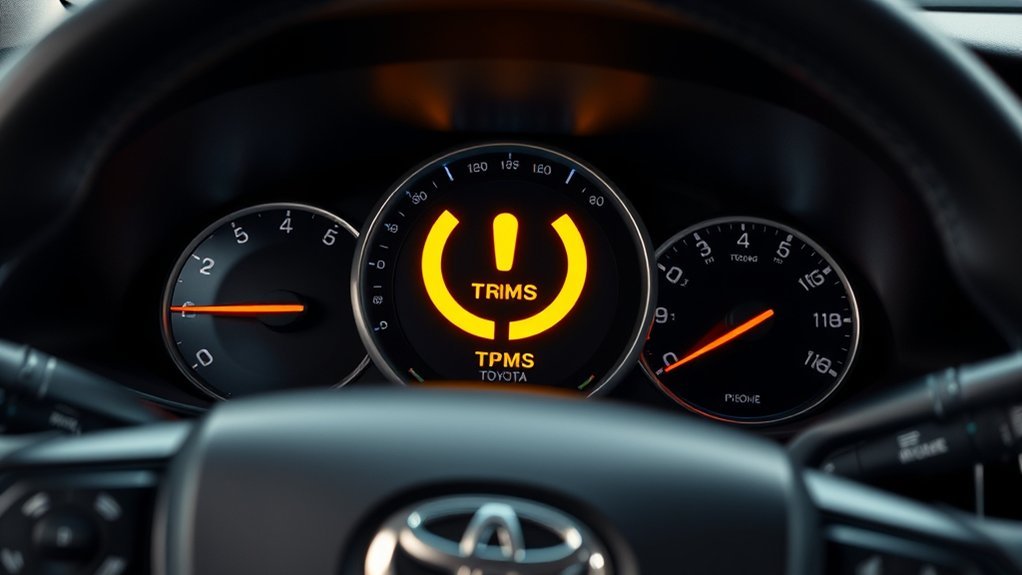
A glowing TPMS light can turn a normal Toyota Camry drive into a worry fast. That small dashboard warning means one or more tires may need air, or the monitoring system may need attention. This guide explains what TPMS means, how it works, what pressure your Camry needs, and what to do when the light stays on.
Quick Answer
TPMS stands for Tire Pressure Monitoring System. In a Toyota Camry, it alerts you when tire pressure drops too low or when the system detects a sensor issue. Check all four tires, inflate them to the pressure listed on the driver’s door label, then reset the system if your model requires it.
Key Takeaways
- TPMS warns you when tire pressure drops below a safe level.
- Your Camry’s exact tire pressure appears on the driver’s door label.
- Low tire pressure can hurt fuel economy, handling, braking, and tire life.
- A TPMS light that stays on may need a reset, sensor service, or tire inspection.
- Check tire pressure when the tires are cold for the most accurate reading.
What Is TPMS and How Does It Work in Your Toyota Camry?
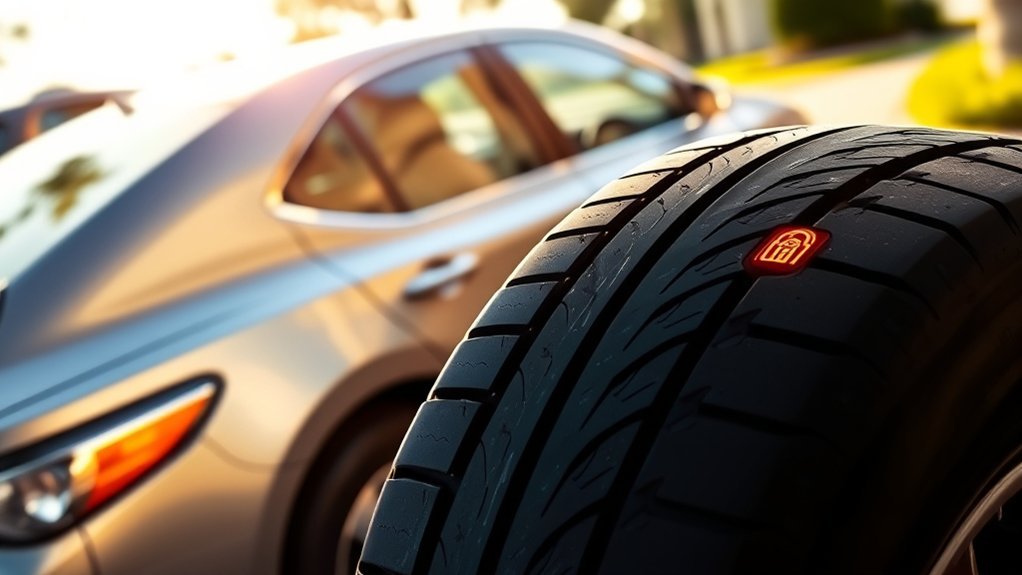
The Tire Pressure Monitoring System (TPMS) in your Toyota Camry helps you track tire pressure before low air creates a safety risk. The system uses sensors to monitor tire pressure and sends a warning to your dashboard when it detects a problem.
Most Camry models use direct TPMS sensors mounted at the wheels. These sensors send pressure data to your vehicle, so the system can warn you when one or more tires fall below the set limit.
If the TPMS warning light turns on, check your tires as soon as you can. Add air to the correct level listed on the driver’s door label, not the maximum pressure printed on the tire sidewall.
[Products Worth Considering]
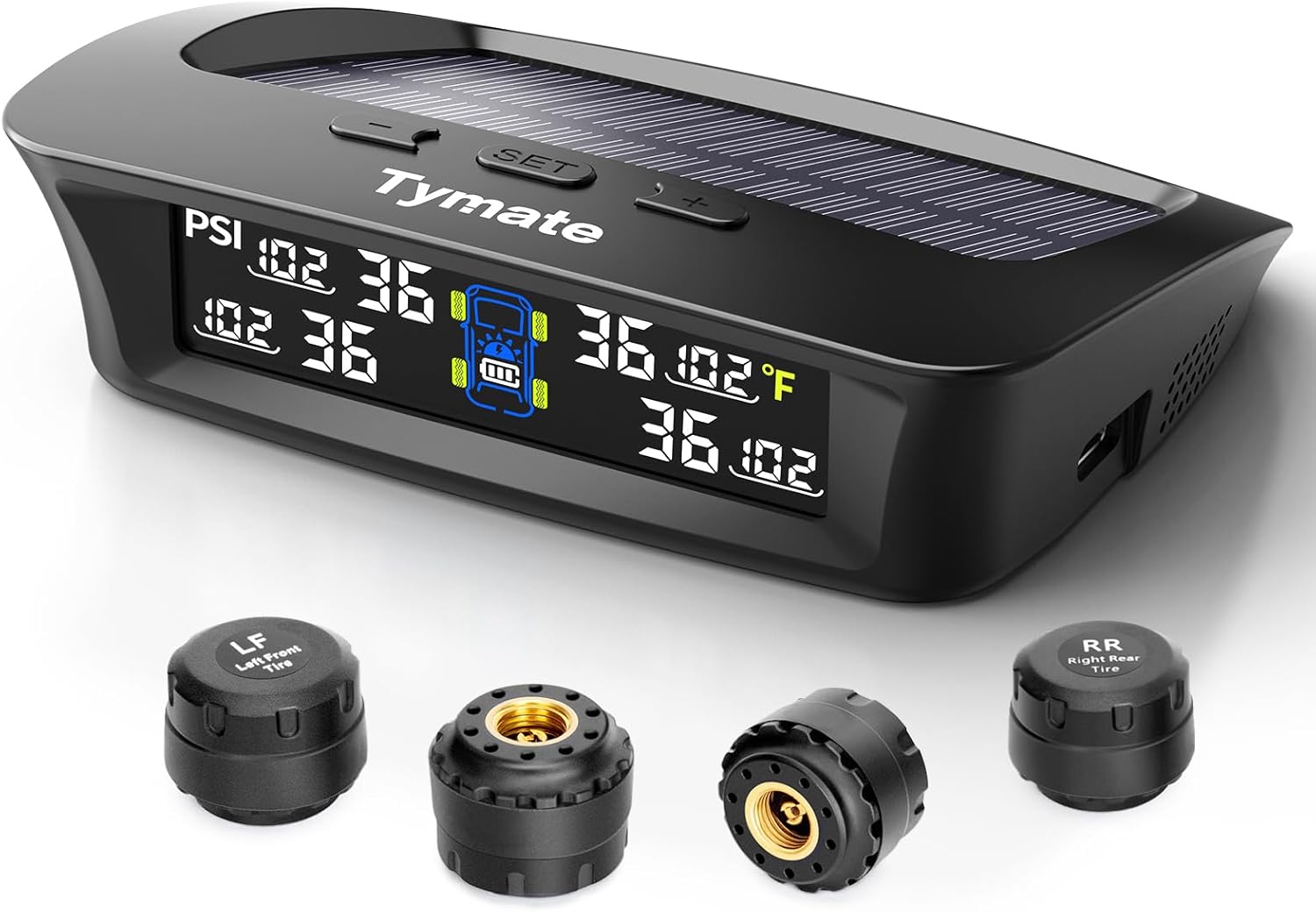
The Tymate TM3 RV TPMS delivers real-time tire pressure monitoring from 0 to 144 PSI with accurate readings and dependable wireless communication. It includes four external sensors with pre-pairing, six alarm modes for rapid leak, pressure extremes, temperature, and signal loss, plus an easy-reference setup for alert thresholds. Solar and USB-C charging help keep the display powered, while the color LCD and adaptive backlight improve visibility for safer driving and towing.

The JACO FlowPro Tire Inflator measures, inflates, and airs down tires up to 100 PSI with battery-free operation and ±2% accuracy after calibration. It features a glowing pressure dial for night visibility, a heavy-duty steel build with a hybrid hose, and a precision push-to-inflate thumb trigger. The patented Lightning Air Chuck locks on for a secure seal, and the kit includes quick-connect hardware for easy inline use with your air compressor.

EVOULTES heavy duty tire inflator with an integrated gauge delivers accurate pressure readings from 10–120 PSI, helping you inflate, deflate, and check tires in one tool. The 16.5-inch extended dual-head air chuck with swivel base reaches hard-to-access dual wheel valves on trucks and RVs. A brass trigger core and side-mounted air release valve make operation smooth, with standard 1/4" NPT threading and quick-connect compatibility for easy setup.
Why a Tire Pressure Monitoring System Matters
TPMS matters because tire pressure affects how your Camry steers, stops, and uses fuel. Low pressure can make tires flex too much, which builds heat and increases wear.
Proper tire pressure also helps your tires keep full contact with the road. That supports better handling, steadier braking, and a smoother ride.
Warning: Don’t ignore a TPMS warning light because low tire pressure can raise the risk of tire damage or a blowout.
TPMS does not replace regular tire checks. You should still use a tire pressure gauge because the system warns you only after pressure drops enough to trigger an alert.
How to Identify and Respond to Low Tire Pressure Alerts
When the TPMS warning light turns on, check all four tires with a reliable pressure gauge. Inspect each tire for nails, cuts, sidewall damage, or visible sagging before you add air.
Use the pressure listed on the sticker inside the driver’s door jamb. Many Camry models call for pressure in the low-to-mid 30 psi range, but the exact number can vary by year, trim, and tire size.
- Park your Camry in a safe, level place.
- Let the tires cool if you have been driving for more than a few minutes.
- Check each tire with a pressure gauge.
- Add air until each tire reaches the door-label pressure.
- Drive for a few minutes to let the system recheck the tires.
If the light remains on after you correct the pressure, your Camry may need a TPMS reset or service. A flashing TPMS light often points to a system fault rather than simple low tire pressure.
What Should I Do If the TPMS Light Stays On?

If the TPMS light stays on after you inflate the tires, check the pressure again when the tires are cold. Warm tires can read higher, which may hide a tire that still sits below the correct cold pressure.
Some Toyota Camry models have a TPMS reset button, while others reset through the vehicle settings menu or after driving. Check your owner’s manual for the reset method that matches your model year.
If your Camry uses a reset button, start the vehicle and hold the TPMS reset button until the light blinks. Release the button, then drive for several minutes so the system can relearn the tire pressure.
If the light stays on or flashes after a reset, schedule a professional inspection. A failed sensor, weak sensor battery, damaged tire, or system fault may need service.
Tire Pressure Recommendations for Your Camry
Your Camry’s correct tire pressure depends on its model year, trim, tire size, and load rating. The best source is the tire and loading information label inside the driver’s door jamb.
Many Toyota Camry models use a recommended pressure around 32 to 35 psi, but you should always follow your vehicle’s label. The maximum pressure printed on the tire sidewall does not tell you the recommended driving pressure.
- Check pressure when tires are cold.
- Use the driver’s door label as your main guide.
- Match front and rear pressure to the label values.
- Do not inflate tires to the sidewall maximum for normal driving.
- Check your spare tire if your Camry includes one.
Pro tip: Check tire pressure before your first drive of the day because cold tires give the most accurate reading.
[Products Worth Considering]
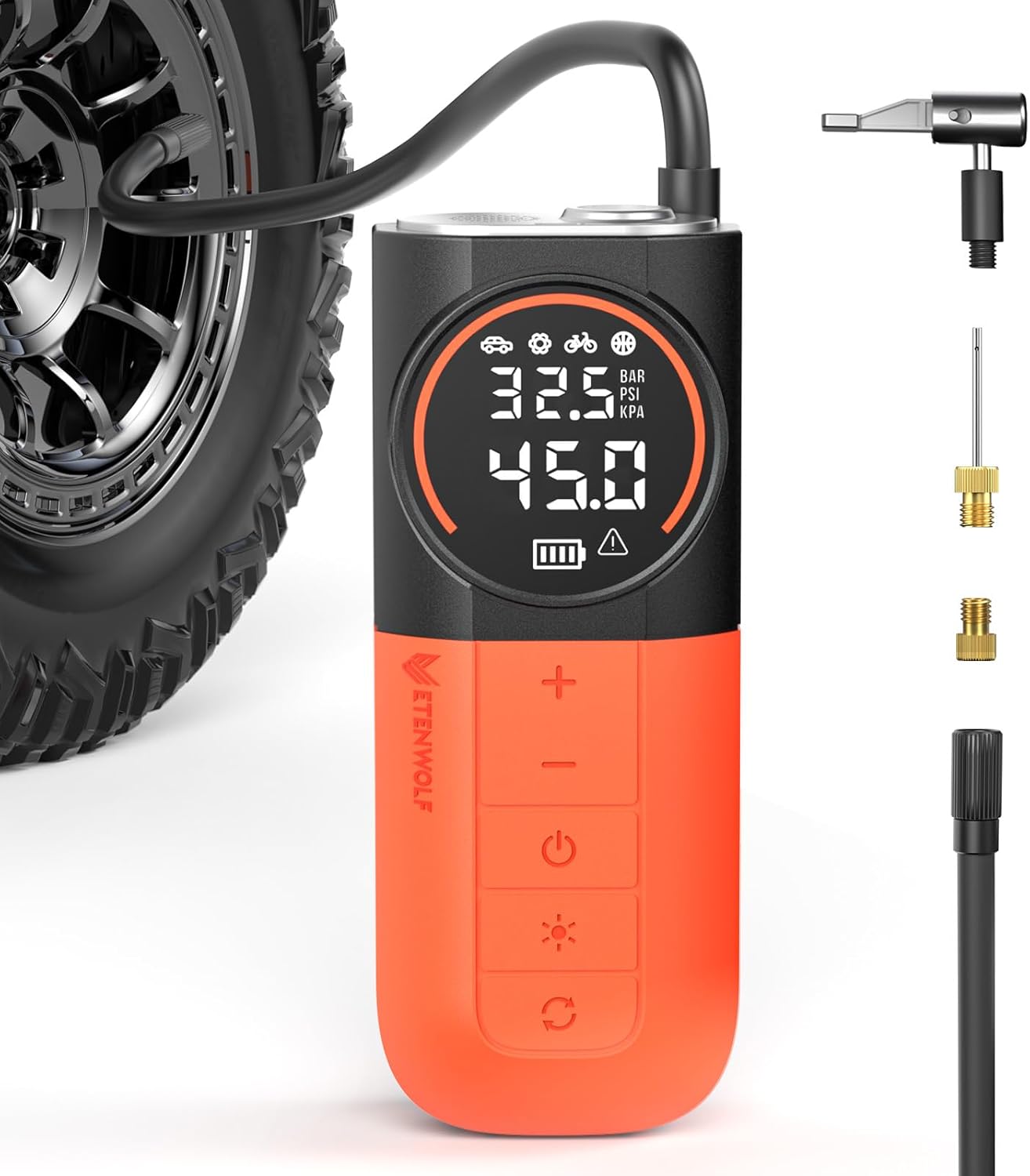
The ETENWOLF S1 cordless tire inflator delivers ultra-fast inflation with up to 160 PSI and a 20 L/min airflow for quicker tire top-offs. Its 5200mAh battery and cooling system support inflating many tires and sports balls on a single charge, while the digital pressure gauge and multi-unit display help you reach the right pressure accurately. With preset modes, pressure memory, an auto-stop feature, and an LED flashlight, it’s built for easy roadside and everyday use.

This roadside assistance kit helps drivers and passengers in urgent situations after an accident or breakdown, providing practical support while waiting for help. It includes a lightweight, compact tire inflator for fast inflation of standard vehicle tires, plus reinforced jumper cable protection for safer handling. Ideal for winter weather, road trips, camping, and travel, with everything stowed neatly in a trunk bag.
Troubleshooting Common TPMS Issues
A TPMS light can turn on for more than one reason. Start with tire pressure because low air causes most warnings.
Temperature changes can also affect pressure. A cold morning can lower tire pressure enough to trigger the warning, even if the tires looked fine the day before.
- Solid TPMS light: One or more tires may have low pressure.
- Flashing TPMS light: The TPMS system may have a fault.
- Light returns after inflation: A slow leak or bad sensor may exist.
- Light appears after tire service: The system may need relearning or sensor registration.
If you recently rotated or replaced tires, confirm that the sensors work and match your vehicle. A shop can test each sensor and register new sensors if needed.
When Should You Schedule TPMS Service?
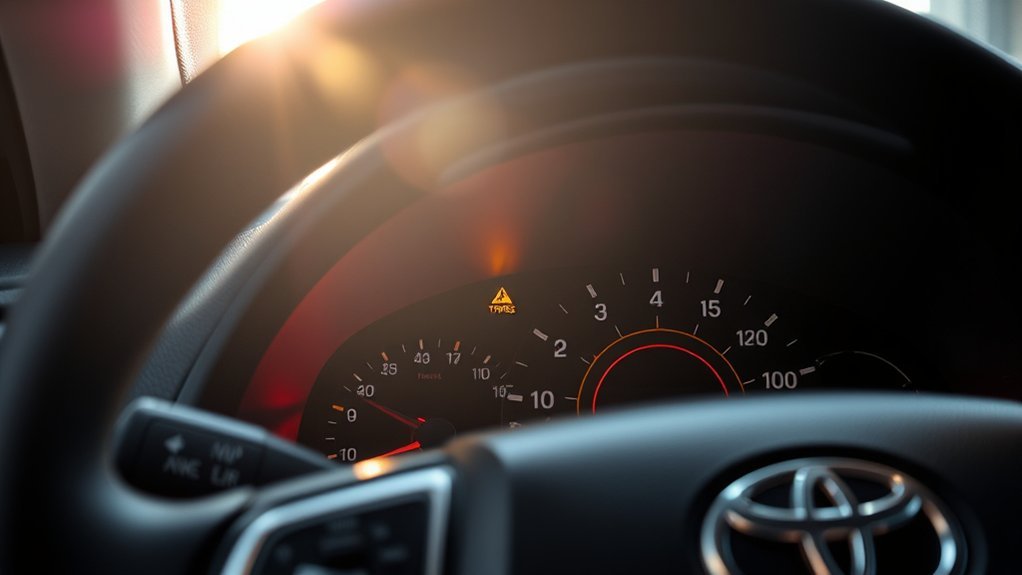
Schedule TPMS service when the light stays on after you set the correct tire pressure. You should also seek help when the light flashes or returns soon after inflation.
A technician can inspect your tires, test each TPMS sensor, check for leaks, and confirm that the system communicates with your Camry. This helps you fix the real issue instead of guessing.
Signs of Low Pressure
Low tire pressure can affect how your Camry feels on the road. You may notice changes before the TPMS light turns on.
- Your Camry pulls to one side.
- Your tires show uneven tread wear.
- Your fuel economy drops.
- Your ride feels softer or less stable.
- Your steering feels heavier than usual.
Check tire pressure right away when you notice these signs. Early action can help you avoid tire damage and unsafe handling.
Warning Light Activation
The TPMS warning light activates when the system detects low tire pressure or a monitoring fault. A steady light usually points to pressure, while a flashing light often points to the TPMS system.
After you add air, some Camry models need a reset or a short drive before the warning clears. If the warning does not clear, ask a service center to inspect the tires and sensors.
Regular Maintenance Schedule
Regular tire checks help your TPMS work as intended. Add tire pressure checks to your normal maintenance routine.
- Check tire pressure at least once a month.
- Inspect tires during oil changes.
- Check pressure before long trips.
- Check pressure during major temperature changes.
- Ask for sensor testing after tire replacement.
Frequently Asked Questions
How Much Does TPMS Repair Usually Cost?
TPMS repair costs vary by shop, vehicle year, and the part that fails. A sensor replacement often costs more than a basic reset because the shop must replace, program, or relearn the sensor.
What Is the Life Expectancy of the TPMS Sensor on a Toyota Camry?
A TPMS sensor often lasts several years because its internal battery has a limited life. When the battery fails, most sensors need replacement rather than battery service.
What Does TPMS Mean on a Toyota Camry?
TPMS means Tire Pressure Monitoring System. It warns you when tire pressure drops too low or when the monitoring system detects a fault.
Can I Drive My Camry With the TPMS Light On?
You can drive a short distance if the tires still look safe, but you should check pressure as soon as possible. Avoid long trips or highway driving until you confirm that all tires have the correct pressure.
Why Did My TPMS Light Turn On After Cold Weather?
Cold air can lower tire pressure and trigger the TPMS warning light. Check the tires when they are cold, then inflate them to the pressure listed on the driver’s door label.
Conclusion
Your Toyota Camry’s TPMS helps you catch low tire pressure before it turns into a bigger problem. Check the pressure listed on your driver’s door label, inflate the tires when needed, and reset the system only after you correct the pressure.
If the warning light stays on or flashes, book a TPMS inspection so a technician can test the sensors and check for leaks. A few minutes of tire care can help you drive with more control, better tire life, and greater peace of mind.

Related Articles

Toyota Camry All-Season Tires Explained: What They Can and Can’t Do
In exploring Toyota Camry all-season tires, discover their benefits and limitations—are they really the right choice for your driving needs?
Read More
Toyota Camry Tire Traction in Ice and Snow: A Practical Winter Driving Guide
Learn essential tips for maximizing tire traction on ice and snow in your Toyota Camry, ensuring your winter driving is safe and confident. Discover more now!
Read More
Do Toyota Camry Tires Need Snow Chains? When They Help and When They Don’t
How do snow chains enhance your Toyota Camry's winter driving safety, and when should you avoid using them? Discover the essential details inside!
Read More