
Is Tire Dressing Safe to Use on Hyundai Sonata Tires?
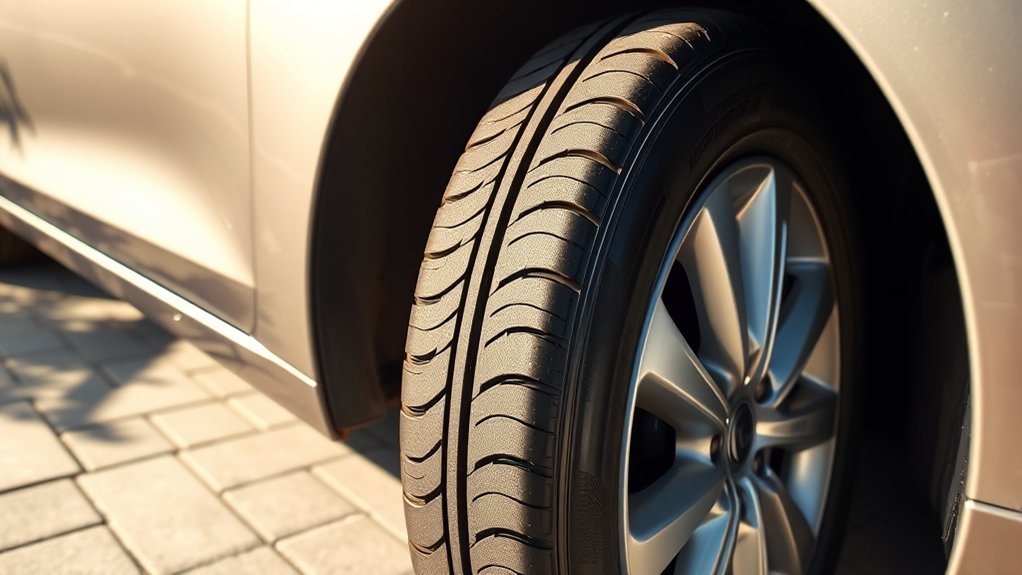
Tire dressing is generally safe for a Hyundai Sonata when you use the right product and keep it on the tire sidewall only. The goal is simple: clean the tire, let it dry, apply a thin coat, wipe off excess, and wait until the finish is dry to the touch before driving.
Quick Answer
Yes, tire dressing is safe for your Hyundai Sonata if it is applied only to clean, dry sidewalls. Choose a water-based or non-greasy rubber-safe formula, avoid the tread and brake parts, wipe away extra product, and let the dressing dry before driving to reduce sling-off.
Key Takeaways
- Use tire dressing only on the sidewall, never on the tread, brake parts, pedals, or floor mats.
- Water-based and non-greasy dressings are the safest default for most Sonata owners because they are easier to control and less likely to sling.
- Clean and fully dry the tire first. Dressing over dirt causes streaks, poor bonding, and brown residue buildup.
- Tire dressing is cosmetic protection, not a repair. Replace or inspect tires with cracks, bulges, exposed cords, or unsafe tread depth.
At a Glance
| Time Required | 15–30 minutes for cleaning and application, plus drying time based on the product label and weather |
| Difficulty | Easy |
| Tools Needed | Tire cleaner or car-safe soap, tire brush, hose or rinse water, microfiber towel, foam applicator, tire dressing |
| Cost | Usually $10–$30 for a bottle of dressing, depending on brand and size |
How to Safely Dress Tires on Your Hyundai Sonata
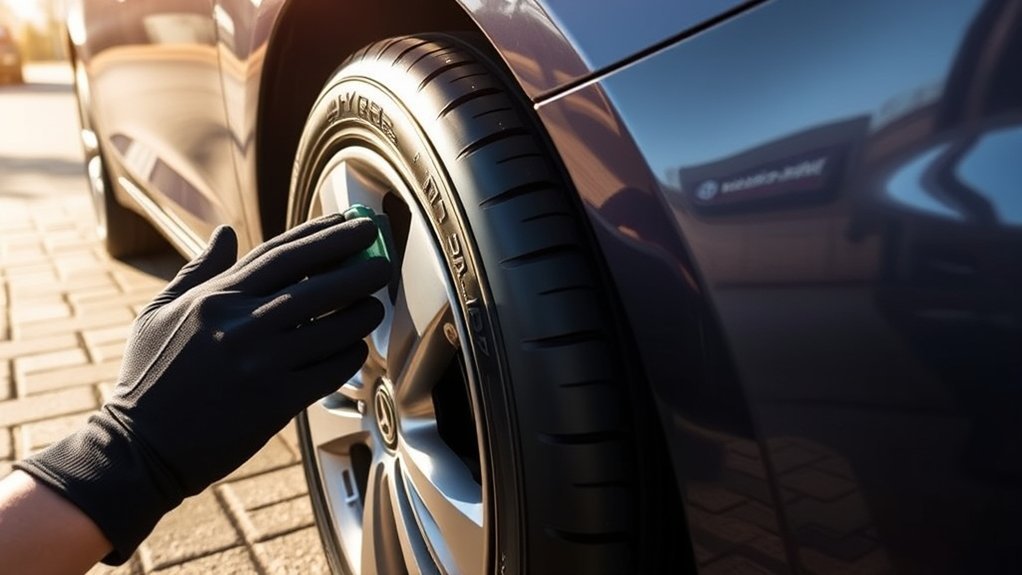
The safest way to dress Sonata tires is to treat tire dressing as a sidewall-only finishing product. It can improve the dark, clean look of the rubber and may add UV protection, but it should never be used to hide tire damage or skipped maintenance.
[Products Worth Considering]

Adam’s Pro Tire Hex Grip applicators are molded foam sponges designed for precise, even tire dressing application. The ergonomic grip helps you spread product without overapplying, reducing sling that can splash onto paint and helping keep your hands clean during wheel and trim detailing. They’re durable, washable, and reusable for repeated detailing sessions.

Cristal Products Untouchable Tire Shine Spray delivers a deep, wet-look gloss that enhances your vehicle’s tires. It’s quick-drying and spreads smoothly for consistent, streak-free coverage, while forming a protective coating against UV rays, road grime, and weather. Suitable for all tire types, it helps restore dull, faded tires to a showroom-quality finish.

Blackline Blackout is a water-based trim and tire dressing that restores rubber, vinyl, and plastic with a rich satin, blackout look. Its no-sling formula dries quickly and helps prevent messy transfer onto paint. The coating repels water and offers UV protection to help prevent fading, cracking, and discoloration for a clean, long-lasting finish.
Step 1: Inspect the Tires First
Before applying any dressing, check each tire for cracks, bulges, sidewall cuts, exposed cords, nails, uneven wear, or low tread. If a tire looks damaged, skip the dressing and have it inspected. Hyundai recommends regular tire pressure and tread checks, and NHTSA treats tire maintenance as a key part of safe driving.
Step 2: Choose a Rubber-Safe Product
For most Hyundai Sonata owners, a water-based, non-greasy, low-sling dressing is the safest choice. CarPro PERL is described by CARPRO as suitable for tyres and rubber with a waterborne system. Optimum Opti-Bond Tire Gel is described by Optimum as a water-based formula with no petroleum distillates.
Step 3: Clean and Dry the Sidewalls
Use a tire cleaner or mild car-safe wash solution with a tire brush. Scrub the sidewall, raised letters, and outer shoulder area, then rinse thoroughly. Dry the tire with a microfiber towel and let it air-dry before dressing. Product instructions commonly start with a clean surface because dirt, old silicone, and road film stop the dressing from bonding evenly.
Step 4: Apply a Thin, Even Coat
Put a small amount of dressing on a foam applicator, not directly on the tire. Work it into the sidewall in a smooth circle, using the applicator edge around raised lettering. Do not coat the tread blocks, the tire contact patch, the brake rotor, the caliper, or the wheel face.
Warning: Never apply tire dressing to tire tread, brake parts, pedals, floor mats, steering wheels, motorcycle tires, or bicycle tires unless the product label specifically says it is safe for that use. Slick residue in the wrong place can reduce grip and create a safety hazard.
Step 5: Wipe Excess and Let It Dry
After a few minutes, lightly buff the tire with a clean microfiber towel or dry side of the applicator. Wait until the finish is dry to the touch before driving. In normal conditions, that often means about 10–30 minutes, but the product label and weather matter more than a fixed clock time.
Understanding Tire Dressing and Its Purpose
Tire dressing is a detailing product made for tire sidewalls. It darkens faded rubber, adds shine or a satin finish, and may leave a protective layer against sunlight, water, and grime depending on the formula.
Purpose of Tire Dressing
The main purpose is appearance. A clean, evenly dressed tire makes the Sonata look freshly detailed. Some products also include UV protection. For example, Meguiar’s Endurance Tire Gel is marketed as a high-gloss tire gel that protects against UV damage and browning.
Still, tire dressing does not restore unsafe rubber. It will not fix cracks, stop a leak, replace proper inflation, or make worn tread safe again.
Types of Tire Dressings
Most consumer tire dressings fall into three practical groups:
- Water-based dressings: Usually easier to apply, less greasy, and easier to clean off. These are best for most daily driven Sonata tires.
- High-gloss gels: Often last longer and create a wetter look, but they must be applied thinly and buffed well to avoid sling.
- Solvent-heavy or very oily dressings: Can look shiny at first but may attract dust, sling onto paint, or leave buildup if overused. Check the label and safety data sheet when in doubt.
Application Techniques and Tips
The best finish comes from patience, not heavy product. Apply less than you think you need, spread it evenly, and add a second light coat only after the first coat dries. This gives you better control over shine and reduces the chance of residue landing on the Sonata’s paint, wheel wells, or doors.
Pro Tip: Spray dressings are easier to control when sprayed onto the applicator instead of directly onto the tire. This keeps overspray away from the wheel, brakes, driveway, and painted panels.
How to Properly Clean Tires Before Dressing
Cleaning is the step that decides whether the dressing looks even or blotchy. Old dressing, brown residue, brake dust, and road grime can block the new layer from bonding to the rubber.
- Rinse the tire first to remove loose dirt and grit.
- Apply a tire cleaner or mild car-safe wash solution to the sidewall.
- Scrub the sidewall with a tire brush, especially around raised lettering and grooves.
- Rinse until the runoff looks clean and no suds remain.
- Dry with a microfiber towel, then let the tire air-dry completely before applying dressing.
If the tire still looks brown after one cleaning, repeat the cleaning step instead of covering the residue with more dressing. Brown tire blooming is common, and applying dressing over it usually makes the finish uneven.
Why Choose Water-Based Dressings for Your Sonata?
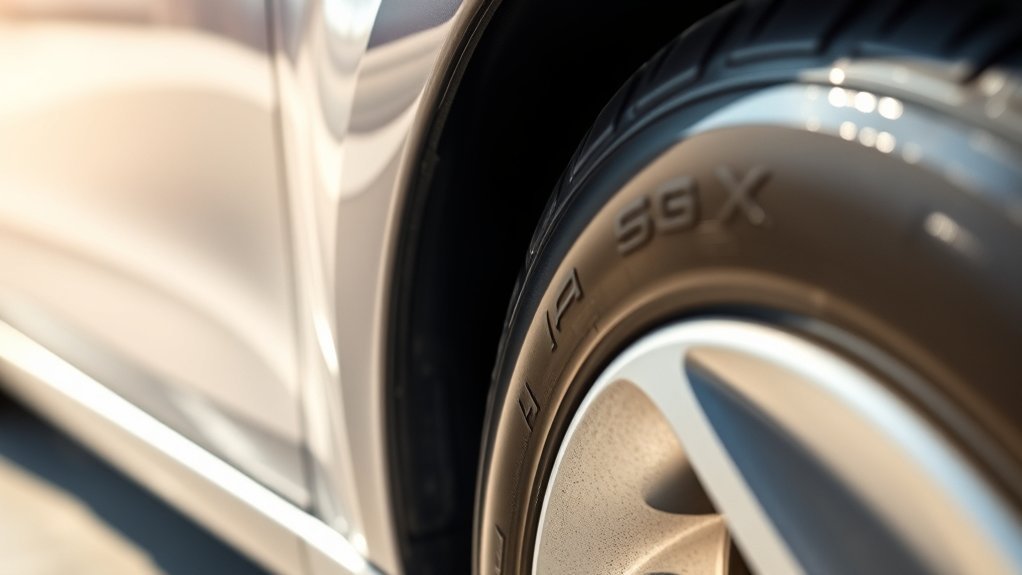
Water-based dressings are a good default for a Hyundai Sonata because they are usually easier to spread, easier to level, and less likely to leave a greasy film when used correctly. They also tend to suit daily drivers because they create a clean tire look without the heavy wet shine that often causes sling-off.
CarPro PERL is listed by CARPRO as suitable for tyres, plastic, rubber, vinyl, and leather trim, and Optimum Opti-Bond is described as a thick water-based formula for tires and trim. Those product-specific claims make them safer examples to mention than broad claims about “all” tire dressings.
The safest tire dressing is not the shiniest one. It is the one you can apply thinly, keep off the tread, wipe clean, and let dry before the Sonata moves.
What Problems to Look Out for With Tire Dressings?
Tire dressing problems usually come from using too much product, applying it to a dirty tire, or using a slick formula in the wrong place. The product itself matters, but application matters just as much.
Chemical Reactions With Rubber
Some tire browning is normal because tire rubber contains protective additives that can migrate to the surface. Harsh cleaners, old dressing residue, and repeated scrubbing can make the sidewall look worse. If you want the lowest-risk approach, use a rubber-safe product, avoid petroleum-heavy formulas, and clean gently but thoroughly.
Residue Transfer Risks
Residue transfer, often called sling, happens when wet dressing is thrown from the rotating tire onto the paint, wheel well, rocker panel, or bumper. To reduce sling, apply a thin coat, let it sit, wipe away extra product, and wait until the finish is dry to the touch before driving.
Long-Term Tire Effects
Used correctly, tire dressing is mostly cosmetic. Used too often or applied over dirty rubber, it can create buildup that needs harder scrubbing later. That is why monthly or as-needed use is better than applying a heavy coat after every short drive.
Note: Tire dressing should not replace basic tire care. Check inflation pressure, tread depth, and visible damage regularly. Hyundai advises checking the tire placard on the driver-side door pillar for proper pressure, and NHTSA provides tire maintenance guidance through TireWise.
Benefits of Applying Thin Coats of Dressing
Thin coats give you better results than heavy coats. A thin layer spreads evenly, dries faster, and is less likely to sling onto your Sonata’s paint. It also lets you control the finish: one coat for satin, a second light coat for more shine.
Heavy coats can pool in lettering, drip onto the wheel, and leave a greasy edge around the tread shoulder. If that happens, wipe the tire with a microfiber towel and let it dry longer before driving.
Post-Dressing Waiting Time?
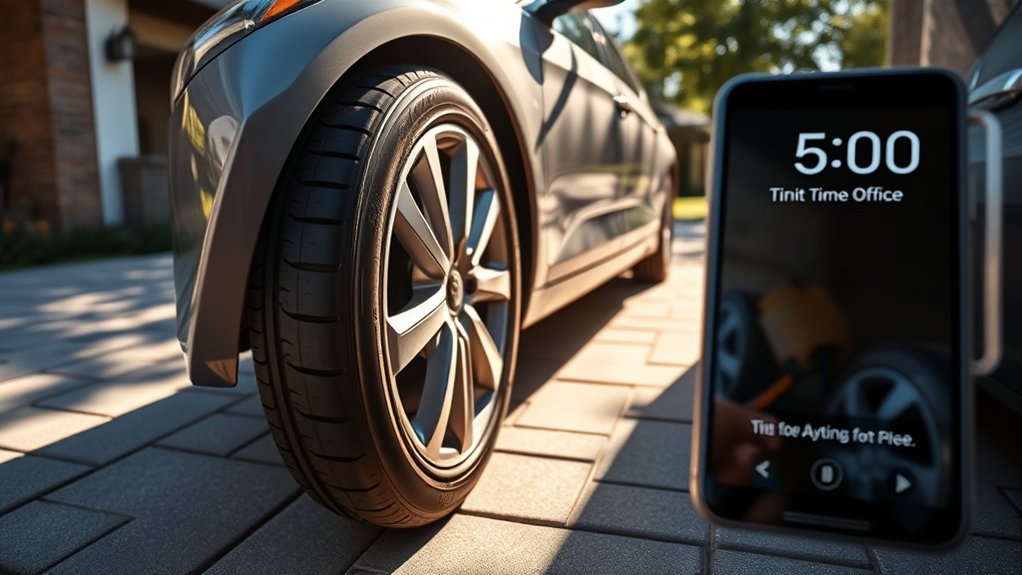
There is no single drying time that fits every tire dressing. Heat, humidity, tire temperature, product thickness, and the amount used all affect the wait. A safe rule is to wait until the sidewall feels dry to the touch and no wet residue transfers to a towel.
- For light water-based dressings, drying may take about 10–20 minutes in good weather.
- For thicker gels or a second coat, 20–30 minutes or longer may be needed.
- If the tire still looks wet or oily, wipe off the excess and wait longer.
- If you must drive soon, choose a low-sling product and apply a very thin coat.
[Products Worth Considering]

This wheel brush kit delivers pro-level cleaning at home, lifting dirt, grime, and brake dust to help restore wheel appearance. It includes multiple brush styles and...
Best Tire Dressings for Hyundai Sonata Tires
The best dressing depends on the finish you want and how much maintenance you are willing to do. A commuter Sonata usually looks best with a satin or low-gloss finish because it stays cleaner and is less likely to sling.
| Product | Type | Best For | Application Note |
|---|---|---|---|
| CarPro PERL | Waterborne dressing | Matte to semi-gloss finish | Clean the surface first and dilute according to the label. |
| Optimum Opti-Bond Tire Gel | Water-based gel | Durable shine with low greasy feel | Wipe away excess with a foam pad or lint-free towel. |
| Chemical Guys Tire Kicker | Water-based spray dressing | Extra shine with dry-to-touch finish | Spray onto an applicator for better control. |
| Meguiar’s Endurance Tire Gel | High-gloss gel | Longer-lasting wet-look shine | Apply thinly and buff well to reduce sling. |
If you prefer the safest, easiest routine, start with a water-based product and a foam applicator. If you prefer a very glossy finish, use a gel sparingly and buff the sidewall before driving.
What Hyundai Sonata Owners Should Prioritize
Hyundai Sonata owners should prioritize safety, cleanliness, and a controlled finish over maximum shine. The tire brand and size can vary by model year, trim, market, and wheel package, so always use the sidewall and driver-door tire placard as your guide for tire information.
- For a daily driver: Choose a satin or low-gloss dressing that dries cleanly.
- For a show-car look: Use a second light coat rather than one heavy coat.
- For older tires: Inspect first. Do not use shine to hide cracking, bulges, or sidewall damage.
- For easy maintenance: Clean the tires every wash and dress them only when the sidewalls start to look faded.
Troubleshooting Tire Dressing Problems
If the finish does not look right, the fix is usually simple.
- Sling on paint: Too much product was applied or it did not dry. Wash the paint, wipe the tire, and apply less next time.
- Streaky sidewalls: The tire was not fully clean or dry. Reclean, rinse, dry, and reapply a thinner coat.
- Brown residue: Old dressing or tire blooming may be surfacing. Clean the sidewall again before applying new product.
- Greasy feel: Buff with a microfiber towel and wait longer before driving.
- Uneven shine: Apply with a foam pad, work around raised letters, and avoid spraying directly onto the tire.
Frequently Asked Questions
Does tire spray damage tires?
Tire spray should not damage tires when it is rubber-safe, applied only to the sidewall, and used according to the label. Problems are more likely when a harsh, oily, or solvent-heavy product is overused or allowed to build up on the rubber.
What brand of tires does the Hyundai Sonata use?
The tire brand can vary by Sonata year, trim, wheel size, market, and supplier availability. Check the brand and size printed on your tire sidewall, then confirm the correct size and inflation pressure on the tire placard on the driver-side door pillar.
Is tire dressing necessary?
No. Tire dressing is optional. It can improve appearance and may add surface protection, but pressure checks, tread checks, tire rotation, alignment, and replacing damaged tires are much more important for safety.
Can I put tire dressing on the tread?
No. Apply tire dressing only to the outer sidewall. Dressing on the tread can reduce grip until it wears off, and overspray near brakes can create a safety risk.
How often should I apply tire dressing?
Apply it as needed after washing, usually every few weeks for a daily driver. Avoid stacking new dressing over old residue. If the sidewall feels greasy or looks brown, clean it before adding more product.
Will tire dressing affect my Sonata’s TPMS sensors?
Normal sidewall application should not affect the tire pressure monitoring system because TPMS sensors are mounted inside the wheel. Still, avoid soaking the valve stem area and never use dressing as a substitute for checking tire pressure.
Conclusion
Tire dressing is safe for your Hyundai Sonata when you apply it carefully and treat it as a sidewall-only detailing product. Choose a rubber-safe formula, clean and dry the tire first, use a thin coat, wipe away excess, and let the finish dry before driving. Most importantly, do not use shine to hide tire damage. A clean tire looks good, but a properly inspected and inflated tire keeps your Sonata safer on the road.
Sources
- NHTSA TireWise — tire safety, maintenance, aging, and consumer tire guidance.
- Hyundai USA Tire Service — tire pressure, tread, TPMS, inspection, and Hyundai tire service guidance.
- U.S. Tire Manufacturers Association Tire Care and Safety Guide — passenger and light-truck tire care resource.
- CARPRO PERL Product Page — waterborne dressing claims and surface suitability.
- Optimum Opti-Bond Tire Gel Product Page — water-based formula, no petroleum distillates, and excess-wipe instructions.
- Meguiar’s Endurance Tire Gel Product Page — high-gloss gel, UV protection, and browning-prevention claims.

Related Articles

Danger of Using Summer Tires in Winter on a Hyundai Sonata
Potentially perilous, using summer tires in winter on your Hyundai Sonata can compromise safety—discover the hidden dangers that await you on icy roads.
Read More
Can You Mix Nitrogen and Air in Hyundai Sonata Tires? Answered
Discover the implications of mixing nitrogen and air in your Hyundai Sonata tires—are the benefits worth the risks? Explore the answer inside!
Read More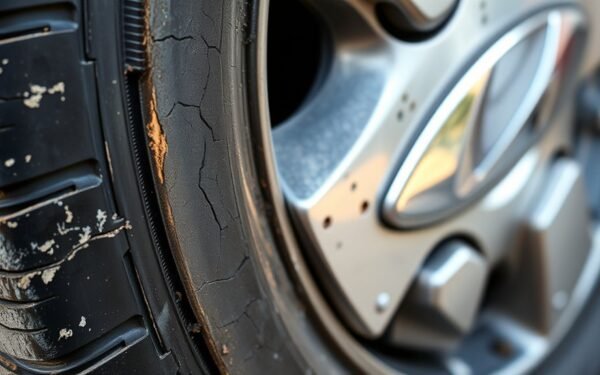
How to Tell If Hyundai Sonata Tires Are Too Old to Use Safely
Understand how to assess the age of your Hyundai Sonata tires and discover crucial signs of deterioration that could compromise your safety on the road.
Read More