
Can You Replace Just 2 Tires on a Hyundai Sonata? Front or Rear
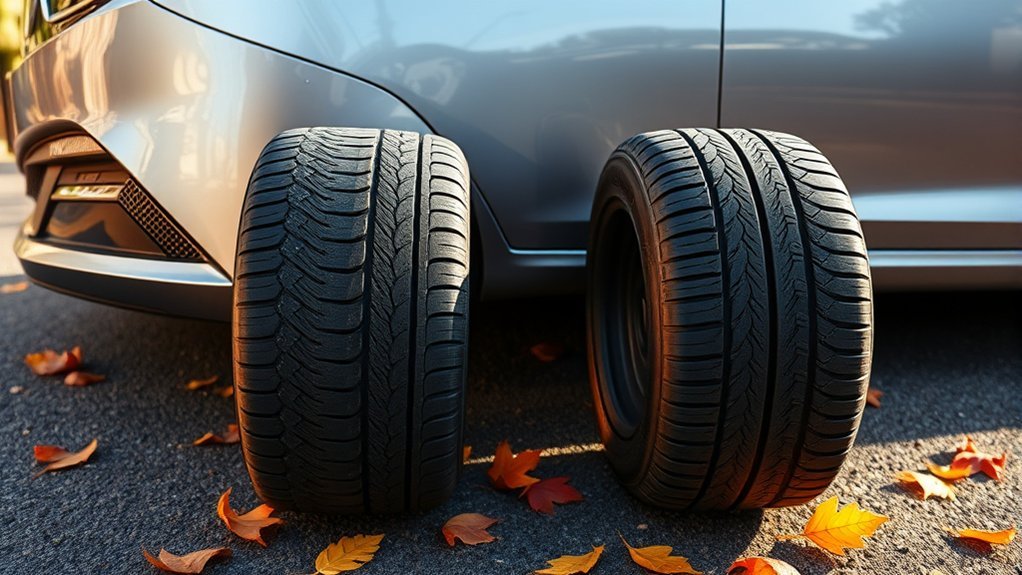
Yes, you can replace just two tires on a Hyundai Sonata in many cases, but only if the other two tires are still safe, the new tires match the vehicle’s required specifications, and the two new tires are installed on the rear axle. The goal is not just saving money—it is keeping the car stable when roads are wet, slick, or uneven.
Quick Answer
You can replace only two tires on a Hyundai Sonata if the remaining tires have good tread, no damage, and match the new tires in size, load index, speed rating, and type. Put the two new tires on the rear axle for better stability, especially in rain.
Key Takeaways
- Replacing two tires is usually acceptable when the other two tires are not worn out, damaged, old, or badly mismatched.
- Install the two new tires on the rear axle, even if your Sonata is front-wheel drive.
- Match the tire size, load index, speed rating, construction, and tire category listed on your Sonata’s tire placard or owner’s manual.
- If your Sonata has all-wheel drive, check the owner’s manual or ask a Hyundai dealer or tire professional before mixing tread depths.
- Replace all four tires if the remaining pair is near the wear bars, damaged, very old, or too different from the new pair.
At a Glance
| Time Required | About 30–60 minutes at a tire shop; longer if you are changing a wheel roadside |
| Difficulty | Easy at a tire shop; moderate and safety-sensitive if changing a wheel yourself |
| Tools Needed | Tread-depth gauge, tire pressure gauge, jack, lug wrench, wheel chocks, and torque wrench if changing a wheel yourself |
| Cost | Usually the price of two tires plus mounting, balancing, valve stems, disposal fees, and any needed alignment check |
How to Safely Replace Tires on a Hyundai Sonata
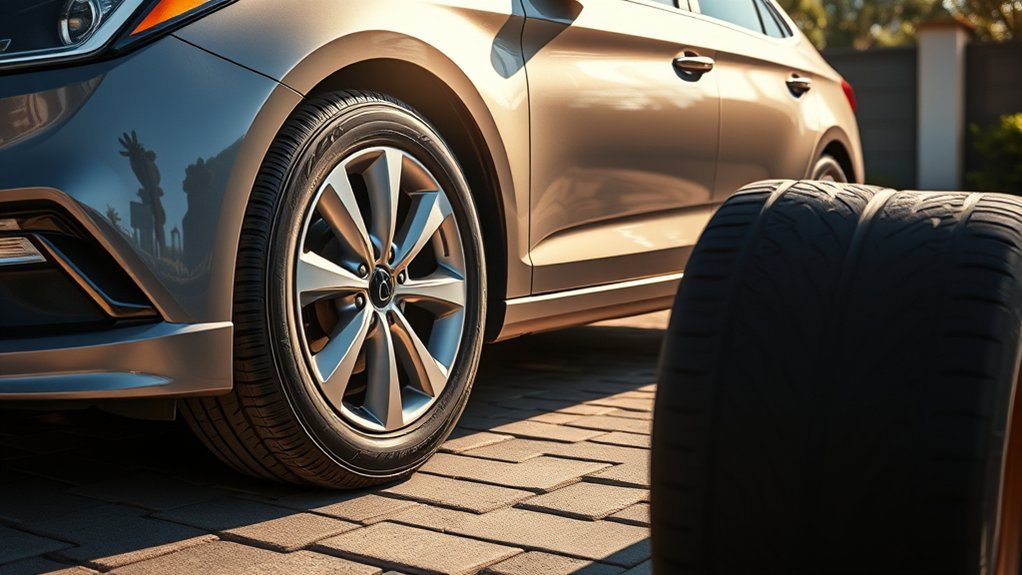
Before replacing two tires on your Hyundai Sonata, check the condition of all four tires. Measure tread depth in several grooves, inspect the sidewalls for cracks or bulges, and look for uneven wear. If the two tires you plan to keep are close to the wear bars, damaged, or much older than the new tires, replacing all four is the safer choice.
Next, confirm the correct tire size and specifications. Hyundai tire specifications are listed on the tire and loading information label, usually on the driver-side center pillar, and in the owner’s manual. The replacement tires should match the recommended size, load index, speed rating, and construction. You can also use the Hyundai owner’s manual portal to find model-specific information.
Warning: If you are changing a wheel yourself, move completely out of traffic, park on level firm ground, set the parking brake, use the correct jacking point, and never put any part of your body under a vehicle supported only by a jack. Hyundai also specifies a wheel lug nut torque of 79–94 lbf-ft after installation.
If a tire shop is installing the tires, ask them to mount the two new tires on the rear axle, balance them, set the cold tire pressure to the placard value, and inspect the remaining pair. If you are installing a temporary spare roadside, treat it as an emergency-only tire and have the original tire repaired or replaced as soon as possible.
[Products Worth Considering]

EVOULTES heavy duty tire inflator with an integrated gauge delivers accurate pressure readings from 10–120 PSI, helping you inflate, deflate, and check tires in one tool. The 16.5-inch extended dual-head air chuck with swivel base reaches hard-to-access dual wheel valves on trucks and RVs. A brass trigger core and side-mounted air release valve make operation smooth, with standard 1/4" NPT threading and quick-connect compatibility for easy setup.

This portable cordless tire inflator delivers up to 160 PSI with fast 17 L/min airflow to help you quickly top up tires and get back on the road. It features dual power mode, running on a 21V rechargeable battery or a 12V DC adapter for convenient roadside use. An automatic shut-off with digital pressure gauge helps prevent overinflation, and a built-in LED light improves visibility in low-light conditions.

This cordless portable tire inflator delivers fast, safe inflation with an automatic shutoff when the target pressure is reached, helping prevent overinflation. The built-in LED lighting and real-time digital display make it easier to check pressure and handle roadside tire changes at night. It includes multiple nozzles for use on cars, motorcycles, bicycles, and inflatables like balls and swimming rings.
Why New Tires Should Go on the Rear Axle
When replacing only two tires, the two new tires should go on the rear axle. This is the standard recommendation from tire-safety organizations such as the U.S. Tire Manufacturers Association and the Tire Industry Association.
The reason is simple: the rear tires help keep the back of the vehicle stable. If the worn tires are left on the rear and the new tires are placed on the front, the front may grip better than the rear in wet conditions. That can make the rear of the car slide outward during a turn, a condition called oversteer.
The deeper-tread pair belongs on the rear because rear grip helps prevent fishtailing and loss of stability on wet or slippery roads.
This advice applies even to front-wheel-drive Sonata models. Front tires handle steering and much of the braking work, so it may feel logical to put the new pair in front. However, the safer setup is still to keep the better grip at the rear.
When Two Tires Are Enough and When You Need Four
Replacing only two tires may be fine when the other two tires are the same size and type, have healthy tread depth, are wearing evenly, and show no cracks, bulges, exposed cord, puncture damage, or age-related deterioration.
Replace all four tires instead if:
- The remaining two tires are at or near 2/32 inch of tread.
- You often drive in heavy rain and the remaining tires are around 4/32 inch or lower.
- The old pair has uneven wear from poor alignment or incorrect tire pressure.
- The old pair is a different tire category, such as mixing summer tires with all-season tires.
- The tires are old enough that age is a concern, even if tread remains.
- Your AWD Sonata’s manual, dealer, or tire professional says the tread-depth difference is too large.
Note: A penny test can show when a tire is near the common 2/32-inch replacement threshold, but a tread-depth gauge is more accurate. Check multiple spots on each tire because uneven wear can hide in one shoulder or groove.
When to Replace Worn Tires
Use tread depth, tire age, visible damage, and driving feel to decide when tires need replacement. In the United States, 2/32 inch is the common minimum tread-depth threshold used by wear bars and the penny test. If you can see all of Lincoln’s head when a penny is placed head-down in a major tread groove, the tire is at or near replacement time.
For wet roads, do not wait until the last moment. Tires with shallow tread have less ability to move water away from the contact patch, which can increase hydroplaning risk. If your Sonata is driven regularly in rain, planning replacement around 4/32 inch is a smart safety move, even before the tire reaches the legal minimum.
Also replace a tire immediately if you see exposed cord, deep cracks, bulges, tread separation, or damage that a tire professional says is not repairable. Check the DOT date code as well. As tires age, rubber can harden and crack even when the tread still looks usable. The National Highway Traffic Safety Administration advises drivers to pay attention to treadwear, damage, tire pressure, rotation, and tire aging.
The Risks of Uneven Tire Replacement
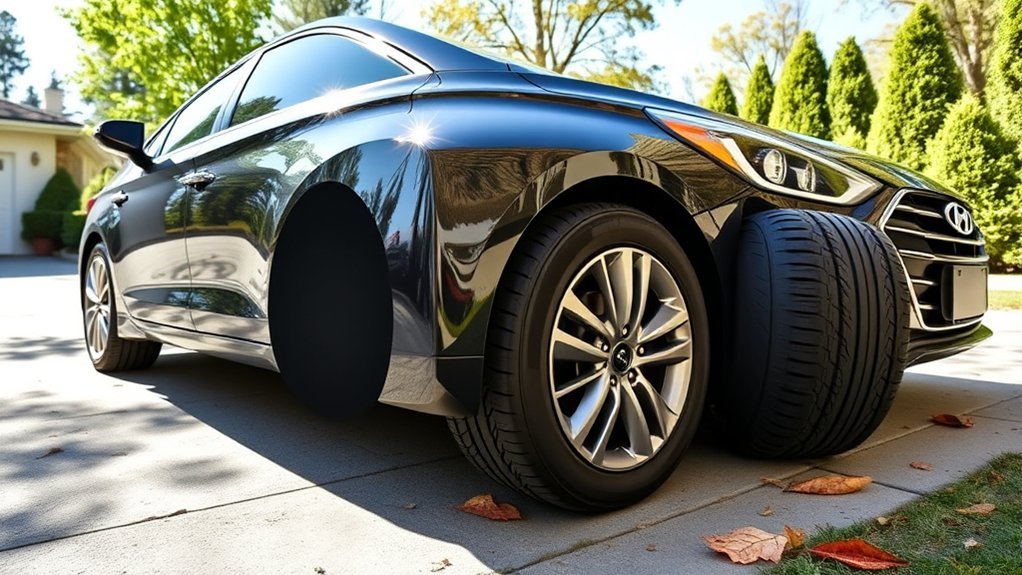
Replacing only two tires can be safe, but uneven replacement creates risk when the difference between the new pair and old pair is too large. Different tread depths, tread patterns, or tire categories can change how the Sonata responds when braking, turning, or driving through standing water.
The biggest concern is unpredictable grip. For example, if the front tires are newer and the rear tires are worn, the front of the car may respond sharply while the rear has less traction. That can make the car harder to control during an emergency lane change or a wet turn.
Mismatched tires can also affect ride comfort, road noise, traction control behavior, and tire wear. If one axle has much better grip than the other, the car may not feel balanced. That is why replacing tires in pairs is better than replacing one tire at a time, and replacing all four is best when the remaining tires are no longer close in condition.
Why Matching Tire Types Is Crucial for Safety
The new tires should match the Sonata’s required specifications. At minimum, match the size, load index, speed rating, construction, and tire category recommended by Hyundai. The tires on the same axle should be as closely matched as possible, and using the same brand and model is best when you can.
Avoid mixing tire categories. For example, do not pair winter tires on one axle with all-season or summer tires on the other for normal driving. Winter tires are designed to work as a full set, and mixing categories can make handling unpredictable.
Also avoid mixing bias-ply and radial tires. Hyundai owner-manual guidance warns that mixing bias-ply and radial-ply tires can cause unusual handling characteristics and loss of vehicle control. Modern Sonatas use radial tires, so replacement tires should be radial unless the official placard or manual says otherwise.
Should You Put New Tires in the Front or Back?
Put the new tires in the back. This is the answer even when your Hyundai Sonata is front-wheel drive. The front axle may do the steering and most of the drive work, but the rear axle needs strong traction to keep the car stable.
[Products Worth Considering]

The JACO FlowPro Tire Inflator measures, inflates, and airs down tires up to 100 PSI with battery-free operation and ±2% accuracy after calibration. It features a glowing pressure dial for night visibility, a heavy-duty steel build with a hybrid hose, and a precision push-to-inflate thumb trigger. The patented Lightning Air Chuck locks on for a secure seal, and the kit includes quick-connect hardware for easy inline use with your air compressor.

The Fanttik X10 Pro is a cordless portable tire inflator that reaches up to 150 PSI and can inflate an R15 tire in about 35 seconds for quick roadside or home top-ups. With AccuInFlate auto-stop and smart start/stop controls, it helps maintain accurate pressure and frees your hands once the target is reached. A high-visibility digital display and preset modes make it easy to set and monitor inflation for cars, motorcycles, bikes, and balls.
New Tires on Rear
New rear tires help the Sonata stay more predictable in rain, on curves, and during quick steering corrections. With deeper tread at the rear, the back of the car is less likely to slide out before the driver can react.
Handling and Stability
Good rear traction helps reduce fishtailing and oversteer. That matters most when the road is wet, when you brake while turning, or when you need to make an emergency lane change. The better rear grip gives the driver a more stable platform to recover from a skid.
Pro Tip: Ask the tire shop to write the measured tread depth of all four tires on your invoice. That makes it easier to decide when to rotate, when to replace the next pair, and whether an alignment check is needed.
Understanding All-Wheel Drive Tire Considerations
Most Hyundai Sonata trims are front-wheel drive, but some newer Sonata trims may be available with all-wheel drive. If your Sonata is AWD, tire matching becomes more important because the drivetrain is designed around tires that roll at nearly the same overall diameter.
For an AWD Sonata, do not rely on a generic rule from the internet. Check the owner’s manual, tire placard, or ask a Hyundai dealer or qualified tire professional. If the tread-depth difference is too large, replacing only two tires may stress driveline components or affect traction-control behavior.
Tread Depth Importance
Tread depth is measured in 32nds of an inch. A new passenger tire often starts around 10/32 inch or 11/32 inch, depending on the tire. A worn tire at 4/32 inch will have a noticeably different rolling diameter from a new tire. On AWD models, that difference can matter more than it does on a FWD model.
Differential Stress Risks
When tire diameters are too different, AWD components may have to compensate for tires rotating at different speeds. That can create unnecessary stress. If your AWD Sonata has two badly worn tires and two new ones, the safest answer may be replacing all four or using a tire shaved to match the remaining tread depth, if a tire professional recommends it.
| Situation | Best Action |
|---|---|
| FWD Sonata, old pair still has good tread and no damage | Replace two tires and install the new pair on the rear axle |
| FWD Sonata, old pair is near 2/32 inch or damaged | Replace all four tires |
| AWD Sonata with a large tread-depth difference | Check the manual or dealer guidance before replacing only two |
| Mixed tire category, such as winter tires on one axle only | Use a matching set of four whenever possible |
The Importance of Tire Replacement and Maintenance
Tire maintenance helps your Sonata brake, steer, and ride the way it should. NHTSA reports tire-related crashes and fatalities each year, and its TireWise guidance emphasizes tire pressure, tread checks, rotation, tire aging, and recalls.
Check tire pressure at least once a month, including the spare if equipped. Use a quality tire pressure gauge because radial tires can look properly inflated even when they are low. Set pressure when the tires are cold, using the pressure shown on the Sonata’s tire and loading label rather than the maximum pressure printed on the tire sidewall.
Rotate tires according to your Hyundai maintenance schedule or sooner if irregular wear develops. Hyundai guidance for some Sonata manuals recommends rotating tires every 7,500 miles, but your exact schedule may vary by model year, driving conditions, and tire type.
How to Check Tire Wear Effectively
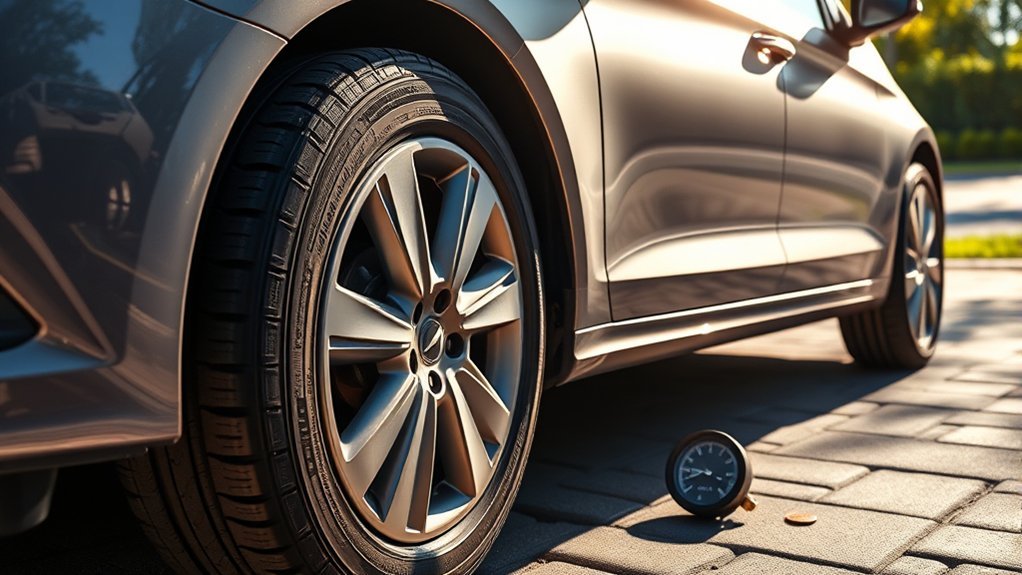
Start with a tread-depth gauge. Measure the inner, center, and outer grooves of each tire. Write down the lowest measurement for each tire because the lowest point tells you the real safety margin.
You can also use the penny test as a quick check. Place a penny into a major tread groove with Lincoln’s head facing down. If the top of Lincoln’s head is visible, the tire is at or near the 2/32-inch replacement point and should be inspected or replaced.
Look for uneven wear patterns. Wear on both shoulders may point to underinflation. Wear in the center may point to overinflation. Feathering, cupping, or one-sided shoulder wear may point to alignment, balance, suspension, or driving-condition issues.
Finally, inspect the sidewalls. Cracks, cuts, bubbles, exposed fabric, or vibration while driving are all reasons to have the tire inspected by a professional. Do not keep driving on a tire that appears structurally damaged.
What to Ask the Tire Shop Before Replacing Two Tires
Before approving the work, ask the shop these questions:
- Do the new tires match my Sonata’s placard size, load index, and speed rating?
- Will the two new tires be installed on the rear axle?
- What are the tread depths of the two tires I am keeping?
- Are there signs of alignment, suspension, or tire-pressure wear?
- Will the wheels be balanced?
- Will the lug nuts be torqued to the correct specification?
- Should I get an alignment check based on the old tire wear pattern?
- If my Sonata is AWD, is the tread-depth difference acceptable?
These questions help you avoid mismatched tires, poor handling, and premature wear on the next set.
Frequently Asked Questions
Can I mix different tire brands on my Hyundai Sonata?
You can sometimes mix brands if the tires match the required size, load index, speed rating, construction, and category, but it is better to keep the same brand, model, and tread pattern on the same axle. Avoid mixing different tire categories, such as winter and all-season tires.
How do I know if my tires are the same size?
Check the tire size printed on the sidewall and compare it with the tire and loading label on the driver-side center pillar. A tire size may look like 235/45R18. Also check the load index and speed rating, not just the size.
What is the lifespan of Hyundai Sonata tires?
Many Sonata tires last tens of thousands of miles, but there is no single lifespan for every driver. Tire life depends on tire model, alignment, pressure, rotation, road conditions, driving habits, load, climate, and age. Replace tires when they are worn, damaged, unsafe, or too old for continued service.
Can I rotate my tires after replacing only two?
Yes, but keep the best tread on the rear unless your tire professional advises otherwise. After replacing only two tires, ask the shop to set a rotation plan that keeps handling stable and avoids creating a large front-to-rear tread difference.
Will replacing two tires affect my car’s alignment?
Replacing tires does not change alignment by itself. However, uneven wear on the old tires can be a sign that alignment, tire pressure, wheel balance, or suspension parts need attention. If the old tires are worn unevenly, get an alignment check before the new tires start wearing the same way.
Should I replace all four tires on an AWD Hyundai Sonata?
Maybe. If your Sonata has all-wheel drive, the acceptable tread-depth difference may be more limited than on a front-wheel-drive model. Check your owner’s manual or ask a Hyundai dealer or tire professional before replacing only two tires on an AWD Sonata.
Conclusion
You can replace just two tires on a Hyundai Sonata, but do it carefully. The new pair should go on the rear axle, and the tires you keep must still be safe, evenly worn, and properly matched to the vehicle. If the remaining pair is worn out, damaged, old, mismatched, or unsuitable for an AWD model, replacing all four tires is the better choice.
Think of the tires as a set, not as four separate parts. Matched tires with healthy tread help your Sonata brake, steer, and stay stable when road conditions change. Check tread depth, pressure, age, and wear regularly, and ask a qualified tire professional when the safe choice is not obvious.
Sources
- U.S. Tire Manufacturers Association — Replacing Tires — supports installing two new tires on the rear axle and matching tire specifications.
- Tire Industry Association — Tire Replacement — supports rear-axle placement and tire replacement safety guidance.
- NHTSA TireWise — supports tire pressure, tread, aging, TPMS, and tire-safety guidance.
- Bridgestone Americas — Tire Replacement Guidance — supports 2/32-inch tread guidance, penny test, tire age, and replacement considerations.
- Hyundai Owner’s Manual Portal — supports model-specific tire pressure, rotation, jacking, and wheel-torque guidance.

Related Articles

Danger of Using Summer Tires in Winter on a Hyundai Sonata
Potentially perilous, using summer tires in winter on your Hyundai Sonata can compromise safety—discover the hidden dangers that await you on icy roads.
Read More
Can You Mix Nitrogen and Air in Hyundai Sonata Tires? Answered
Discover the implications of mixing nitrogen and air in your Hyundai Sonata tires—are the benefits worth the risks? Explore the answer inside!
Read More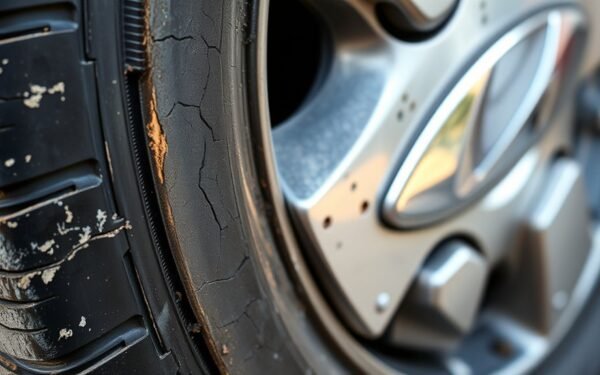
How to Tell If Hyundai Sonata Tires Are Too Old to Use Safely
Understand how to assess the age of your Hyundai Sonata tires and discover crucial signs of deterioration that could compromise your safety on the road.
Read More