
Hyundai Sonata Pulls to One Side: Tire Causes & How to Fix
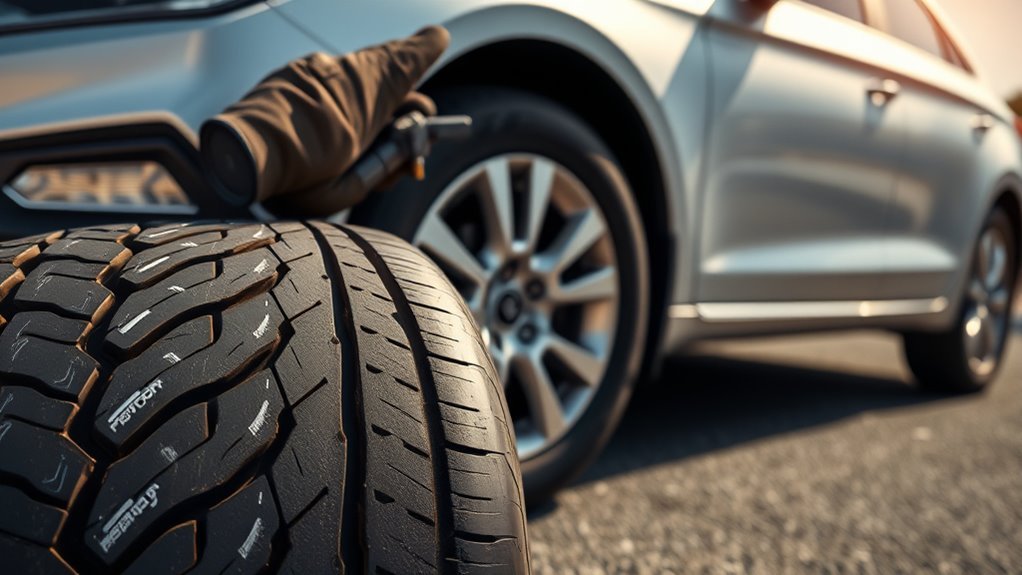
If your Hyundai Sonata pulls to one side, start with the simple checks before assuming it needs an alignment. Uneven tire pressure, worn tread, tire damage, road crown, wheel balance, brake drag, and suspension wear can all make the car drift or tug left or right. Some checks are safe to do at home, but hard pulling, grinding brakes, severe vibration, or visible tire damage needs a technician right away.
Quick Answer
A Hyundai Sonata usually pulls to one side because one or more tires have low pressure, uneven wear, internal tire force, or the wheels are out of alignment. Brake drag, a bent wheel, worn steering parts, or road crown can also cause pulling, so diagnose the tires first, then inspect alignment, brakes, and suspension.
Key Takeaways
- Check tire pressure when the tires are cold and use the PSI on the driver’s door jamb placard or owner’s manual, not the tire sidewall maximum.
- Uneven tread wear, bald spots, bulges, exposed cords, or mismatched tires can make your Sonata pull and should be handled quickly.
- Hyundai recommends rotating tires every 7,500 miles or sooner if irregular wear appears.
- If the pull comes with brake noise, burning smell, steering looseness, ABS warnings, or strong vibration, avoid continued driving and schedule service.
At a Glance
| Time Required | 10–20 minutes for basic tire checks; 45–90 minutes or more for shop diagnosis and alignment service. |
| Difficulty | Easy for tire pressure and tread checks; professional service required for alignment, brake, steering, and suspension repairs. |
| Tools Needed | Tire pressure gauge, tread depth gauge or penny, flashlight, owner’s manual or tire placard, and a professional alignment rack for final adjustment. |
| Cost | Basic DIY checks are usually free or low cost. Alignment and repairs vary by location, shop, and whether tires, brakes, wheels, or suspension parts need work. |
Common Tire Issues and Their Solutions for Your Hyundai Sonata
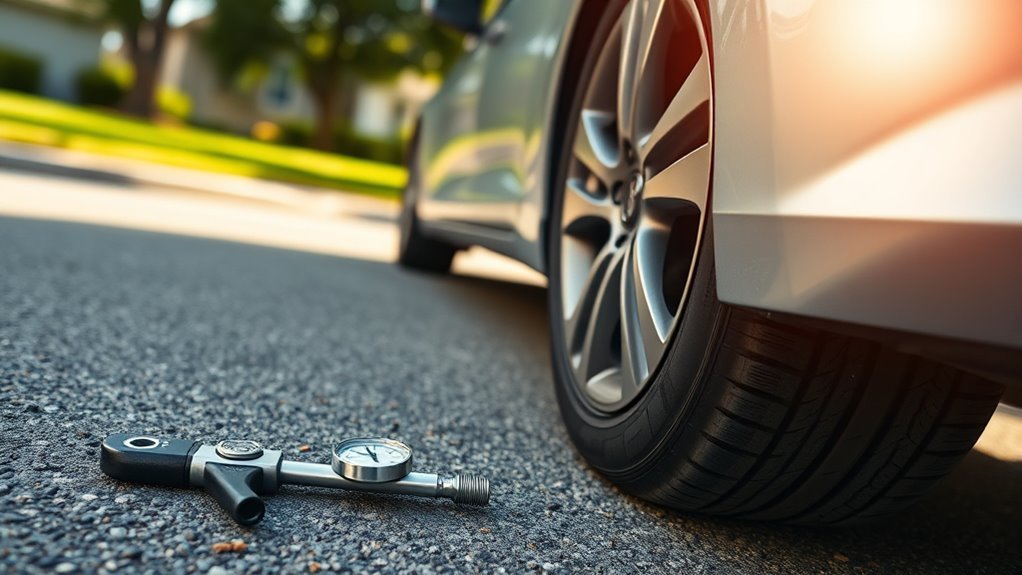
Tires are the first place to look when your Hyundai Sonata pulls left or right. A small difference in pressure, tread depth, tire construction, or tire condition can make one side of the car roll differently from the other.
[Products Worth Considering]

EVOULTES heavy duty tire inflator with an integrated gauge delivers accurate pressure readings from 10–120 PSI, helping you inflate, deflate, and check tires in one tool. The 16.5-inch extended dual-head air chuck with swivel base reaches hard-to-access dual wheel valves on trucks and RVs. A brass trigger core and side-mounted air release valve make operation smooth, with standard 1/4" NPT threading and quick-connect compatibility for easy setup.

The JACO FlowPro Tire Inflator measures, inflates, and airs down tires up to 100 PSI with battery-free operation and ±2% accuracy after calibration. It features a glowing pressure dial for night visibility, a heavy-duty steel build with a hybrid hose, and a precision push-to-inflate thumb trigger. The patented Lightning Air Chuck locks on for a secure seal, and the kit includes quick-connect hardware for easy inline use with your air compressor.
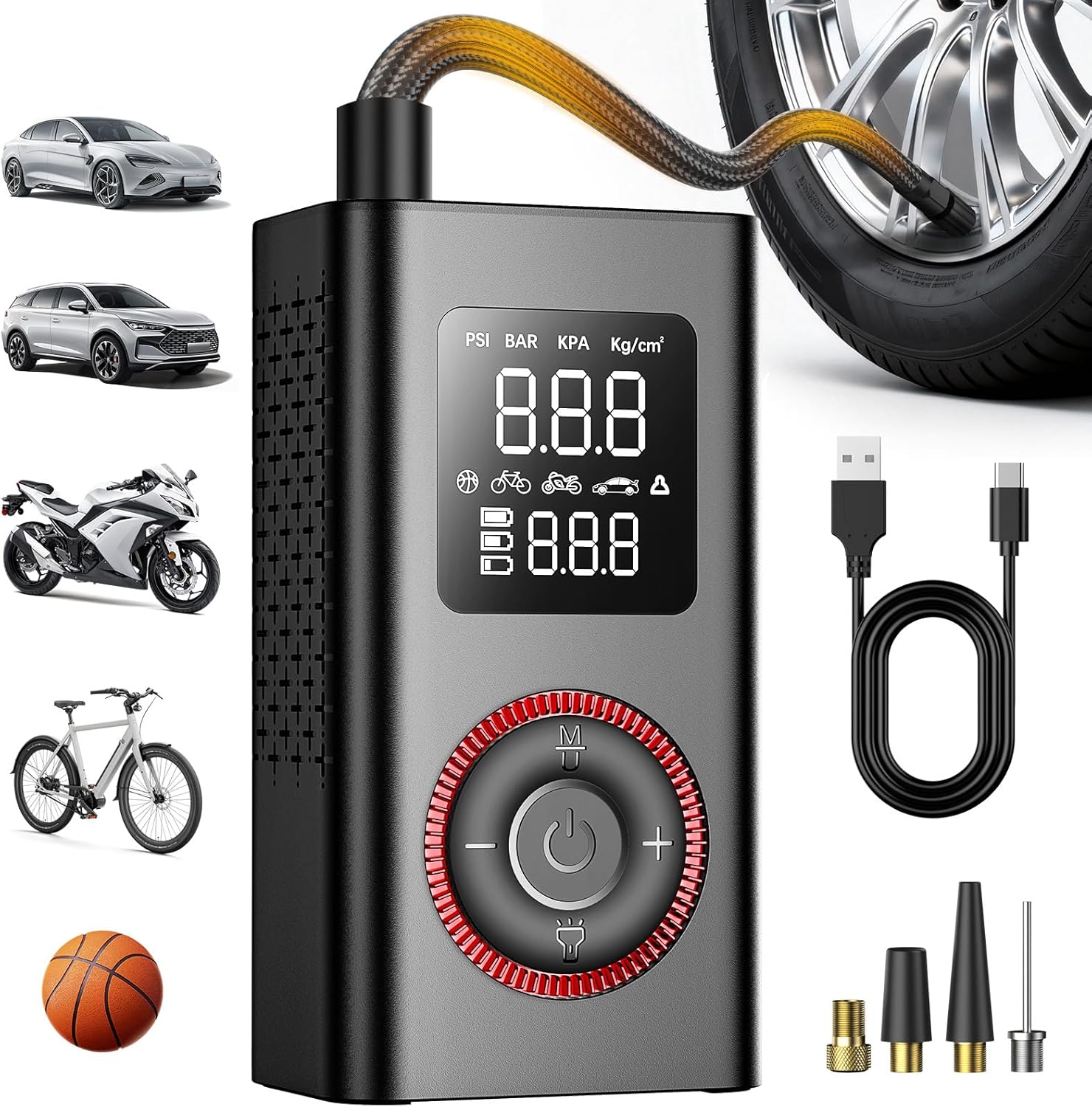
This portable tire inflator delivers fast, efficient inflation with a maximum 150 PSI rating and accurate pressure control for cars, motorcycles, bikes, and more. It features preset modes with automatic shutoff to help prevent overinflation, plus a real-time digital gauge and bright LED light for roadside use. Powered by a rechargeable 6000mAh battery with Type-C charging and a USB output, it’s also useful as an emergency power source for devices.
Check Cold Tire Pressure First
Use a good tire pressure gauge and check all four tires when they are cold. Hyundai says cold tires are tires that have not been driven for at least three hours or have been driven less than 1 mile. Use the pressure listed on the Tire and Loading Information Label on the driver’s side door jamb or in your owner’s manual, not the maximum pressure printed on the tire sidewall. Hyundai also recommends checking the spare tire if your Sonata is equipped with one. Hyundai’s tire pressure instructions and cold tire guidance both stress using the recommended cold inflation pressure.
Note: A Tire Pressure Monitoring System light is helpful, but it is not a replacement for a monthly gauge check. NHTSA says TPMS warnings usually appear only after a tire is significantly underinflated.
If one tire is several PSI lower than the tire on the opposite side, inflate it to the correct cold pressure and recheck the pull. If the same tire loses air again, have it inspected for a puncture, valve-stem leak, bead leak, or wheel damage.
Inspect Tread Wear, Damage, and Tire Matching
Look across each tire for bald patches, feathered edges, cupping, cracks, sidewall bubbles, exposed cords, or objects stuck in the tread. NHTSA says tires are not safe and should be replaced when tread reaches 2/32 inch. You can also use the penny test: place a penny into the tread with Lincoln’s head upside down; if you can see the top of his head, the tire is too worn. NHTSA’s TireWise guidance recommends checking tread at least once a month when you check pressure.
Also make sure the tires match in size, type, and general wear level. A Sonata with one newer tire, one damaged tire, or a wrong-size replacement can pull even if the alignment is within specification.
Rotate and Balance Tires on Schedule
Regular rotation helps equalize tread wear. Hyundai recommends rotating tires every 12,000 km or 7,500 miles, or sooner if irregular wear develops. During rotation, the tires should also be checked for balance, damage, uneven wear, and correct pressure.
Wheel balance and wheel alignment are not the same repair. An out-of-balance wheel usually causes vibration or shaking, especially at certain speeds. Poor alignment is more likely to cause pulling, off-center steering, or uneven tread wear. NHTSA notes that tire balancing helps prevent shake and vibration, while wheel alignment helps prevent a vehicle from veering on a straight, level road.
Pro Tip: If the pull started right after a tire rotation or new tire installation, return to the shop and ask them to recheck tire pressure, torque, balance, tire direction, and tire placement before paying for extra repairs.
How to Tell if It Is a True Pull, Road Crown, or Off-Center Steering
Before scheduling an alignment, make sure the car is truly pulling. A slight drift can happen because many roads are crowned, meaning the road slopes gently for drainage. On some roads, a vehicle may drift right in the right lane and feel straighter in the center lane.
- True pull: The Sonata quickly moves left or right on a flat, straight road and you must keep constant steering pressure to hold your lane.
- Road-crown drift: The car drifts with the slope of the road, but the behavior changes on a different, flatter road.
- Off-center steering wheel: The car travels straight, but the steering wheel is not centered. This is usually an alignment or steering adjustment issue, but it is not the same as a hard pull.
Warning: Do not perform road tests in traffic, on wet roads, or at highway speeds. If the vehicle pulls hard, the steering feels loose, the brake pedal feels abnormal, or a tire has a bulge or exposed cord, stop driving and have the car inspected.
Understand How Wheel Alignment Affects Stability
Wheel alignment sets the tire angles so the car tracks straight and the tires meet the road correctly. The main alignment angles are camber, caster, and toe. If those angles are outside specification, your Hyundai Sonata may pull to one side, wear tires unevenly, or feel unstable.
- Camber is the inward or outward tilt of the tire when viewed from the front of the car. Too much difference from side to side can cause pulling.
- Caster is the forward or backward angle of the steering axis. Caster helps the steering wheel return to center and supports straight-line stability.
- Toe is whether the tires point slightly inward or outward when viewed from above. Incorrect toe often causes rapid or feathered tire wear.
Alignment can be knocked out by potholes, curb hits, worn suspension parts, or collision damage. However, alignment is not always the only cause. Tire force, damaged wheels, road crown, brake drag, and worn steering parts can mimic an alignment problem. A good shop should inspect the tires, wheels, brakes, steering, and suspension before making adjustments.
NHTSA reported 511 deaths in tire-related crashes in 2024, which is why pressure, tread, rotation, balance, and alignment checks should be treated as safety maintenance—not just comfort repairs.
Why You Should Regularly Check Tire Pressure
Proper tire pressure helps your Sonata steer, stop, ride, and wear tires correctly. Underinflation can make the sidewall flex too much, build heat, reduce fuel economy, and cause uneven wear. Overinflation can reduce the tire’s contact patch and create harsh ride quality or center tread wear.
Pressure should be checked at least once a month and before long trips. Tires naturally lose pressure over time, and temperature changes can move PSI up or down. If one tire is low again soon after you inflate it, do not keep topping it off without finding the leak.
Correct pressure can also save fuel. FuelEconomy.gov says proper tire inflation can improve gas mileage by 0.6% on average and up to 3% in some cases. It also says underinflated tires can lower gas mileage by about 0.2% for every 1 psi drop in the average pressure of all tires.
Signs of Worn Tires and Their Effects on Handling
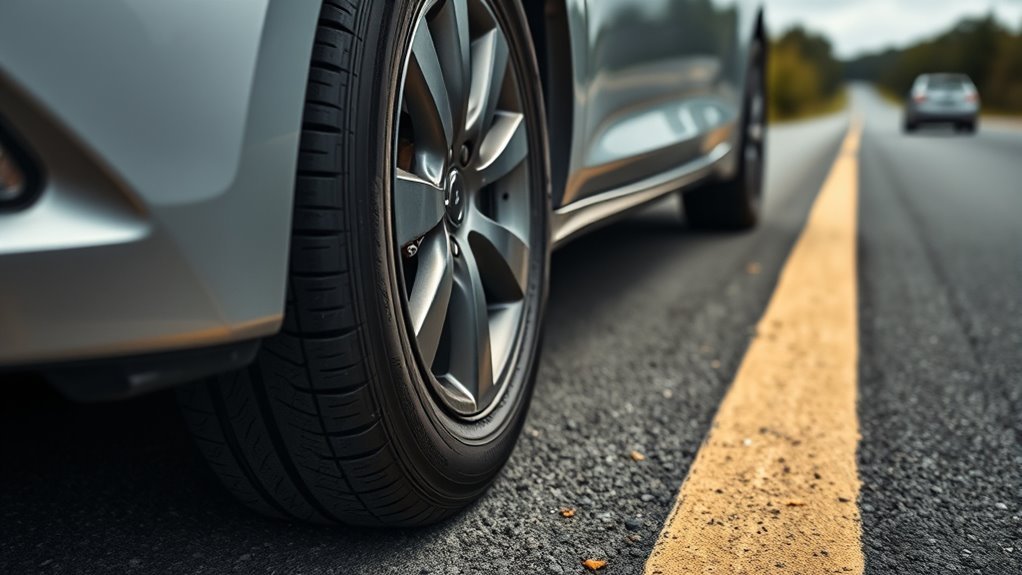
Worn or damaged tires can make a Hyundai Sonata feel unstable, especially in rain or during braking. Inspect each tire closely and compare the left and right sides.
- One shoulder worn faster than the other: Often points to camber, toe, low pressure, or worn suspension parts.
- Feathered tread edges: Often suggests incorrect toe alignment.
- Cupping or scalloped dips: May point to worn shocks, struts, balance issues, or suspension wear.
- Bald patches: Can reduce traction and may indicate locked braking, balance problems, or severe wear.
- Bulges, cracks, or exposed cords: These are safety issues. Replace the tire and avoid driving on it.
If the tread is uneven, rotate only if the tire is still safe and the rotation pattern is allowed for your tire type. Directional tires, staggered tire sizes, and certain performance tires may have specific rotation limits. When in doubt, follow the tire sidewall markings and your Sonata owner’s manual.
Brake, Suspension, and Steering Problems That Can Cause Pulling
If tire pressure, tread, and rotation history look good, the next suspects are brakes, wheels, steering, and suspension.
[Products Worth Considering]

This portable cordless tire inflator delivers up to 160 PSI with fast 17 L/min airflow to help you quickly top up tires and get back on the road. It features dual power mode, running on a 21V rechargeable battery or a 12V DC adapter for convenient roadside use. An automatic shut-off with digital pressure gauge helps prevent overinflation, and a built-in LED light improves visibility in low-light conditions.

This portable cordless tire inflator delivers fast, efficient inflation for cars, motorcycles, bikes, and sports balls with a digital pressure gauge. Use the one-click PSI preset with auto shut-off for accurate, hands-free topping to your target pressure up to 150 PSI. It’s compact and rechargeable with a built-in emergency LED light plus valve adapters and accessories for quick, ready-to-go use.
Brake Drag or Caliper Problems
A sticking brake caliper, collapsed brake hose, or uneven brake pad contact can make the car pull toward the side with more braking force or drag. Watch for a burning smell, one wheel that feels much hotter than the others, grinding noise, pulsing, or a spongy brake pedal.
Worn Steering or Suspension Parts
Loose tie rods, worn ball joints, damaged control arms, weak struts, or bent suspension parts can change wheel angles while you drive. Symptoms may include clunking, clicking, wandering, steering play, uneven tire wear, or vibration over bumps.
Bent Wheel or Impact Damage
A pothole or curb hit can bend a wheel, damage a tire belt, or shift alignment. If the pull started immediately after an impact, have the tire and wheel inspected before assuming the alignment alone will fix it.
Quick Diagnostic Checklist Before You Book Service
- Check cold tire pressure on all four tires and the spare if equipped.
- Inspect tread depth with a tread gauge or penny test.
- Look for visible tire damage such as bulges, cracks, cuts, nails, or exposed cords.
- Compare left and right tire wear on the front and rear tires.
- Think about recent events: new tires, tire rotation, curb hit, pothole strike, brake work, or suspension repair.
- Test only on a safe, flat road to separate a true pull from normal road-crown drift.
- Book professional service if pressure correction does not solve the issue or if any brake, steering, suspension, or tire damage symptom appears.
When to Seek Professional Help for Your Hyundai Sonata’s Pulling
Schedule a professional inspection if your Hyundai Sonata still pulls after you correct tire pressure, or if you see uneven tread wear, hear clunking, feel vibration, or notice the steering wheel is off-center. A technician can check tire condition, wheel balance, brake drag, alignment readings, and worn suspension parts.
Get help immediately if the pull is sudden or strong, the brake pedal feels spongy, the car grinds while braking, the ABS or brake warning light comes on, the steering feels loose, or a tire shows a bulge or exposed cord. Those symptoms can affect control of the vehicle.
A proper diagnosis should not jump straight to alignment. The best fix depends on the cause: adding air, repairing a leak, replacing damaged tires, balancing wheels, correcting alignment, repairing brakes, replacing worn steering parts, or fixing suspension damage.
Frequently Asked Questions
What is the most common cause of a Hyundai Sonata pulling to one side?
Uneven tire pressure and uneven tire wear are the first things to check because they are common, easy to inspect, and can change handling quickly. If pressure and tread are normal, the next likely causes include alignment, tire conicity, brake drag, a bent wheel, or worn suspension parts.
Can low tire pressure make my Sonata pull left or right?
Yes. If one tire is lower than the tire on the opposite side, it can create more rolling resistance and make the car pull. Check pressure cold, inflate to the door-jamb placard specification, and inspect for leaks if the same tire keeps losing air.
How much does it cost to fix a misaligned steering wheel?
The cost depends on your location, shop, and whether the car only needs alignment or also needs tires, brakes, wheels, or suspension parts. Ask for a written estimate after the shop checks tire pressure, tire wear, wheel condition, steering parts, and alignment readings.
Is it safe to drive if my Hyundai Sonata pulls to one side?
A mild drift from road crown may not be dangerous, but a strong or sudden pull is not something to ignore. Do not keep driving if the pull comes with brake noise, burning smell, vibration, steering looseness, a warning light, or visible tire damage.
How often should I rotate Hyundai Sonata tires?
Hyundai recommends rotating tires every 7,500 miles or sooner if irregular wear develops. During rotation, the tires should be checked for damage, uneven wear, correct pressure, and balance.
Conclusion
If your Hyundai Sonata pulls to one side, do not guess at the repair. Start with cold tire pressure, tread depth, tire damage, and tire rotation history. Then consider alignment, road crown, brake drag, bent wheels, and worn steering or suspension parts. A quick pressure correction may solve a mild pull, but severe pulling, brake symptoms, vibration, or visible tire damage calls for professional service before the problem affects safety.
Sources
- Hyundai Owner’s Manual — Check Tire Inflation Pressure — supports monthly pressure checks and proper gauge use.
- Hyundai Owner’s Manual — Recommended Cold Tire Inflation Pressures — supports checking pressure when tires are cold.
- Hyundai Owner’s Manual — Tire Rotation — supports the 7,500-mile rotation recommendation and inspection guidance.
- NHTSA TireWise — supports tire pressure, tread depth, balancing, alignment, TPMS, and tire safety guidance.
- FuelEconomy.gov — Keeping Your Vehicle in Shape — supports the fuel-economy impact of proper tire inflation.
- Toyota Service Bulletin hosted by NHTSA — Vehicle Pull and Alignment Best Practices — supports the diagnostic point that pulling can come from tires, road crown, vehicle damage, brakes, worn parts, or alignment.

Related Articles

Danger of Using Summer Tires in Winter on a Hyundai Sonata
Potentially perilous, using summer tires in winter on your Hyundai Sonata can compromise safety—discover the hidden dangers that await you on icy roads.
Read More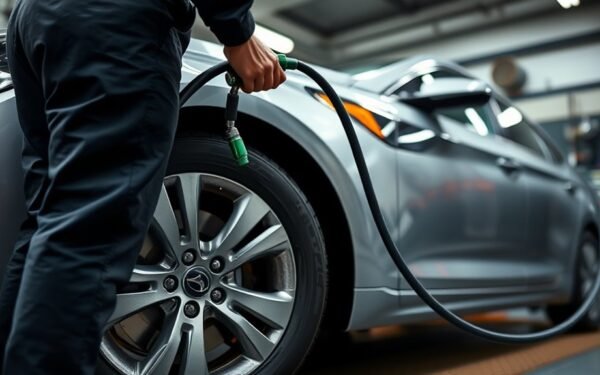
Can You Mix Nitrogen and Air in Hyundai Sonata Tires? Answered
Discover the implications of mixing nitrogen and air in your Hyundai Sonata tires—are the benefits worth the risks? Explore the answer inside!
Read More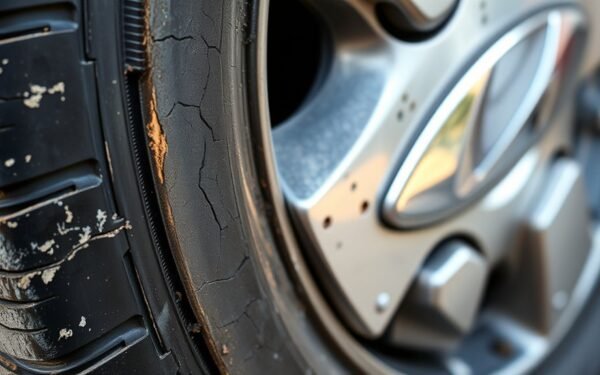
How to Tell If Hyundai Sonata Tires Are Too Old to Use Safely
Understand how to assess the age of your Hyundai Sonata tires and discover crucial signs of deterioration that could compromise your safety on the road.
Read More