
What Happens If You Use Winter Tires in Summer on a Hyundai Sonata?
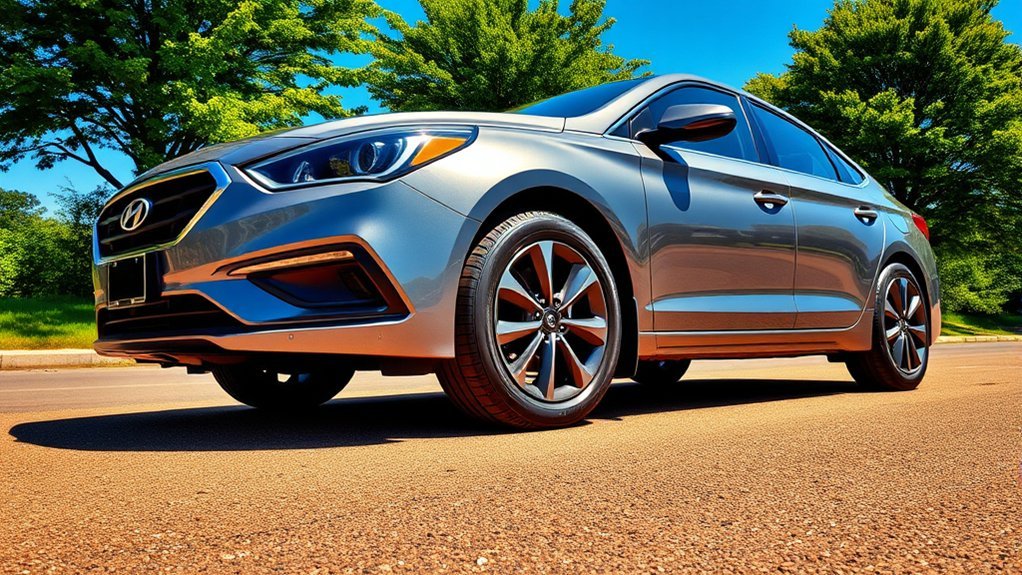
Using winter tires on your Hyundai Sonata during summer is not a good long-term plan. Winter tires are built for cold pavement, snow, slush, and ice. On warm roads, their softer compound and winter-focused tread can wear faster, feel less precise, increase stopping distance, reduce wet-road control, and use more fuel than the right seasonal tire.
Quick Answer
You can physically drive a Hyundai Sonata on winter tires in summer, but you should not use them that way as a regular setup. Once temperatures stay above about 7°C / 45°F, switch to summer, all-season, or all-weather tires that match your Sonata’s size, load rating, and driving conditions.
Key Takeaways
- Winter tires are optimized for cold conditions, not hot summer pavement.
- In warm weather, winter tires can wear faster, feel less stable, and take longer to stop, especially on wet roads.
- For a Hyundai Sonata, always match replacement tires to the driver-door tire placard and the owner’s manual guidance.
- Most drivers should switch back when daily temperatures consistently stay above about 7°C / 45°F.
- Summer tires give the best warm-weather grip; all-season or all-weather tires may be better if you want broader year-round use.
What Happens If You Use Winter Tires in Summer on a Hyundai Sonata?
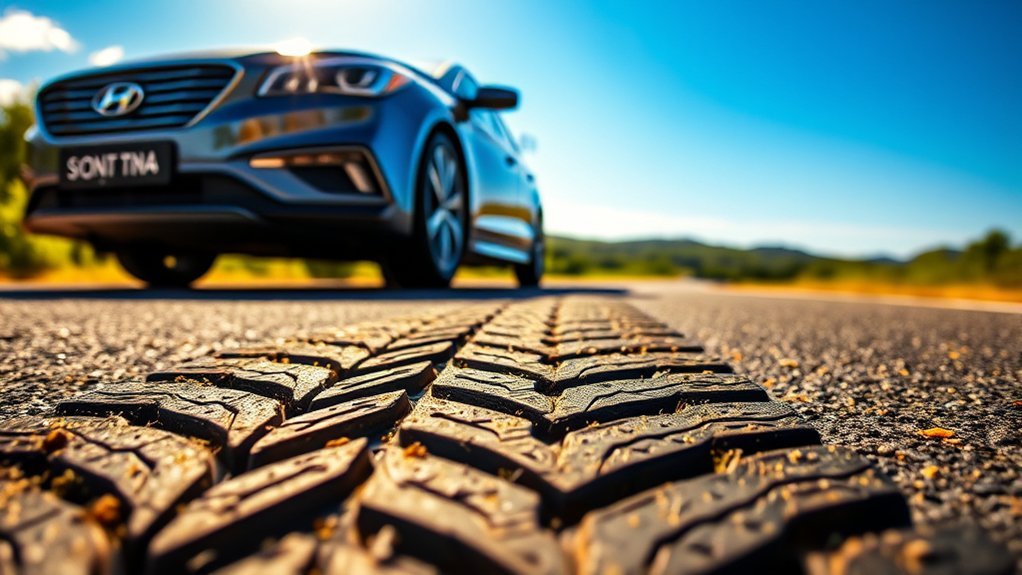
If you keep winter tires on your Hyundai Sonata during summer, the car will still move, steer, and brake, but it will not perform the way it should. Winter tires use compounds and tread designs made to stay flexible and grip in cold weather. Michelin notes that winter tires are built for cold conditions, while summer tires are designed to provide strong cornering and braking above 45°F / 7°C. Michelin’s seasonal tire guide recommends switching back to summer or all-season tires once temperatures consistently stay above that point.
On hot pavement, winter tires can feel softer and less responsive. You may notice slower steering response, more tread squirm, more road noise, faster tread wear, and weaker braking performance compared with a tire designed for warm weather. Continental also warns that winter tires used in warm weather can reduce handling capability and extend stopping distance compared with summer tires. Continental’s winter-tires-in-summer guidance also notes that warm-weather rolling resistance can be higher, which can increase fuel use.
Warning: Do not treat winter tires as a safe summer performance tire. The biggest concern is not just faster wear; it is the combination of longer stopping distance, reduced steering precision, and weaker wet-road control when you need the car to respond quickly.
[Products Worth Considering]

Upgrade your wheelbarrow, garden wagon, hand truck, or trolley with solid flat-free 13 inch replacement tires designed to avoid punctures and eliminate inflation time. Built...
Key Risks of Using Winter Tires in Warm Weather
The main risks are safety, wear, cost, and legal/insurance complications after a crash. The exact effect depends on the tire model, tread depth, age, inflation pressure, load, road temperature, and how you drive. Still, the pattern is clear: winter tires are the wrong tool for sustained summer driving.
| Risk | What it means for your Sonata |
|---|---|
| Longer stopping distance | The tire may not stop as quickly as a warm-weather tire, especially during sudden braking or on wet pavement. |
| Faster tread wear | The softer compound can wear down quickly on hot asphalt, shortening the useful life of the winter set. |
| Less precise handling | The Sonata may feel less sharp during lane changes, cornering, or emergency maneuvers. |
| Lower wet-road confidence | Winter tread patterns are not optimized for summer rain and may reduce hydroplaning resistance. |
| Higher running cost | More wear and higher rolling resistance can mean earlier tire replacement and more fuel use. |
Poor Performance Characteristics
Winter tires are designed to bite into snow and stay pliable in cold weather. That advantage becomes a weakness when the pavement is hot. The tread blocks can move more under load, so the steering may feel vague and the car may not settle as confidently during fast lane changes or hard cornering.
This matters on a Hyundai Sonata because it is a midsize sedan often used for commuting, highway driving, and family travel. A tire that feels acceptable at low speed can become a problem when you need to brake hard from highway speed, avoid debris, or stop suddenly in summer rain.
Increased Wear and Tear
Warm pavement can grind down winter-tire tread faster than normal cold-season use. Instead of quoting a universal mileage number, the safer rule is this: if you drive winter tires through summer heat, expect their winter performance and tread depth to decline sooner than they should.
Check tread depth monthly. NHTSA says tires are not safe and should be replaced when tread reaches 2/32 inch, and it recommends checking pressure and tread at least once a month. NHTSA TireWise also recommends using the tire pressure shown on the vehicle’s tire label or owner’s manual, not the maximum pressure printed on the tire sidewall.
How Winter Tires Affect Your Hyundai Sonata’s Performance
Winter tires can affect four areas of your Sonata’s performance: braking, steering response, wet-road control, and efficiency. The car’s traction control, ABS, and stability control can help manage a skid, but they cannot create grip that the tire does not have. Tire choice still matters because the tire is the only part of the car touching the road.
A Hyundai Sonata with the wrong seasonal tires may still feel normal during easy driving, but the difference shows up when the road is hot, wet, or when you need to stop quickly.
For the best results, check the tire size, load index, speed rating, and cold inflation pressure on the Sonata’s driver-door placard and in the owner’s manual. The correct tire may vary by model year, trim, wheel size, and whether the car has a standard, hybrid, N Line, or other configuration.
Note: Tire Pressure Monitoring Systems are helpful, but they usually warn only after a tire is significantly underinflated. Check tire pressure cold with a gauge at least once a month and before long highway trips.
Safety Risks: Longer Stopping Distances and Hydroplaning
The two biggest safety concerns are longer stopping distances and reduced wet-road control. Québec’s official winter tire guidance says winter tires should not be used in summer because the rubber wears faster in warmer temperatures, stopping distance may be greater than all-season tires, and winter tires do not evacuate water as efficiently as summer or all-season tires. Québec’s winter tire page specifically lists increased safety risks from summer use.
| Safety factor | Summer impact | Why it matters |
|---|---|---|
| Braking | Stopping distance may increase. | More distance can be the difference between stopping safely and hitting the vehicle ahead. |
| Heat | Heat can speed wear and stress an underinflated or damaged tire. | Hot pavement, highway speed, and low pressure are a bad combination. |
| Hydroplaning resistance | Winter tires may clear water less efficiently than summer or all-season tires. | Standing water can reduce steering and braking control. |
| Handling precision | The car may feel softer or less responsive. | Emergency maneuvers need quick, predictable tire response. |
What You Need to Know About the Legal Risks of Winter Tires in Summer
In many places, using winter tires in summer is not automatically illegal. The bigger legal issue is whether your tires were safe, properly maintained, and appropriate for the conditions if a crash happens. A worn, damaged, underinflated, or obviously unsuitable tire can become part of a police report, insurance review, or negligence argument.
Note: This article is general safety information, not legal advice. Tire laws, inspection rules, insurance terms, and liability standards vary by country, province, state, and insurer.
Liability in Accidents
If you are involved in a crash while using winter tires in hot weather, the tires may be reviewed if they appear to have contributed to the crash. That does not mean coverage is automatically denied. It does mean you should avoid giving an insurer or investigator an obvious maintenance problem to point to.
The safest approach is simple: use tires suited to the season, keep them inflated to the Sonata’s recommended cold pressure, replace worn or damaged tires, and keep all four tires matched in type and size unless Hyundai or a tire professional specifically instructs otherwise.
State and Regional Regulations Overview
Some regions have specific winter-tire rules, but those rules are usually about when winter tires are required, not when summer tires are mandatory. For example, Québec requires eligible vehicles registered in Québec to be winter-ready from December 1 to March 15, and drivers who do not comply can be fined. Québec also recommends waiting a few weeks after the mandatory period before installing all-season or summer tires because spring conditions can vary.
British Columbia requires winter tires or chains on most designated routes from October 1 to April 30, while some routes end March 31. The Province of British Columbia explains that these are posted route requirements and that non-compliant motorists may be turned away and fined. B.C.’s winter tire and chain route page provides the current route and date details.
Cost Implications of Rapid Tire Wear

Using winter tires in summer can cost you in three ways. First, you can wear out an expensive winter set before the next cold season. Second, higher rolling resistance can reduce fuel economy. Third, you may still need to buy the correct summer, all-season, or all-weather tires after the winter set has already lost useful tread.
Continental explains that winter tires can have substantially higher rolling resistance than summer or all-season tires in warm conditions, which can increase fuel consumption. NHTSA also explains that tire design and rolling resistance affect fuel economy. The exact cost depends on your driving route, tire model, pressure, alignment, and fuel price, so it is better to avoid universal percentage claims.
Best Tire Options for Summer Driving
The best summer tire choice for your Hyundai Sonata depends on your climate and driving needs. Do not buy by season name alone. Match the tire to your local weather, your wheel size, and the vehicle specifications on the door placard.
| Tire type | Best for | Trade-off |
|---|---|---|
| Summer tires | Warm dry and wet roads, sharper steering, strong braking. | Not safe for snow, ice, or sustained cold weather. |
| All-season tires | Moderate climates, commuting, light cold-weather use. | Not as strong as dedicated winter tires in real snow and ice. |
| All-weather tires | Drivers who want one year-round set with better winter capability than many standard all-season tires. | Still a compromise compared with dedicated summer tires in heat and dedicated winter tires in severe cold. |
All-Season Tire Benefits
All-season tires are a practical choice if you drive in a moderate climate and want one tire for most of the year. Michelin describes all-season tires as suitable for year-round use in moderate climates, with reasonable rain and light-snow performance, but not as a substitute for a true winter tire in heavy snow or ice.
For many Sonata owners, a quality all-season tire is a better summer choice than keeping winter tires mounted. It should deliver more predictable warm-weather handling, better tread life in heat, and lower rolling resistance than a winter tire used outside its intended season.
Performance Summer Tires
Performance summer tires are the best choice if your priority is warm-weather grip, steering response, and braking. They are designed for temperatures above about 7°C / 45°F and are usually strongest on dry and wet pavement during warm months.
The trade-off is cold-weather safety. Do not use summer tires for snow, ice, or freezing temperatures. If your region has real winters, keep a separate winter set or choose a suitable all-weather option if your winter conditions are mild enough.
What to Do If Your Winter Tires Are Already On in Summer
If your Sonata is already on winter tires and temperatures are warm, you do not need to panic over one short local drive. But you should plan a changeover soon, especially before highway trips, heavy rain, long hot commutes, or fully loaded travel.
- Check tire pressure cold. Use the driver-door placard or owner’s manual pressure, not the tire sidewall maximum.
- Inspect tread and sidewalls. Look for uneven wear, cracks, bulges, exposed cords, punctures, or vibration while driving.
- Drive gently until replacement. Avoid hard braking, fast cornering, and high-speed heat buildup.
- Schedule a tire swap. Move to summer, all-season, or all-weather tires that match your Sonata’s required size and load rating.
- Store the winter set properly. Clean, dry, label, and store them away from heat, sunlight, ozone, and petroleum-based products.
Pro Tip: If you switch tires twice a year, consider keeping winter tires on a dedicated wheel set. It can make seasonal changeovers faster and reduce repeated mounting and dismounting wear.
Essential Summer Tire Maintenance Tips
Summer tire safety starts with basic maintenance. NHTSA reports that proper tire pressure affects safety, durability, and fuel consumption, and recommends checking all tires, including the spare, at least once a month when cold.
- Check pressure monthly. Measure when the tires are cold, ideally before driving or after the car has been parked for at least three hours.
- Inspect tread depth. Replace tires at or before the 2/32-inch minimum threshold, and do not ignore uneven wear.
- Rotate on schedule. NHTSA says to follow the owner’s manual and, if recommended, rotate tires every 5,000 to 8,000 miles, or sooner if uneven wear appears.
- Watch for alignment problems. Pulling, vibration, shoulder wear, or cupping can mean the tires need inspection, balancing, or alignment.
- Keep all four tires compatible. Avoid mixing winter, summer, and all-season tires on the same car for normal driving.
Proper Storage for Off-Season Winter Tires
Good storage protects the winter set so it performs correctly next season. The U.S. Tire Manufacturers Association says stored tires should be protected from sunlight, high heat, ozone, moisture, petroleum products, and other damaging conditions. USTMA’s Tire Care & Safety Guide recommends clean, dry, well-ventilated storage in mild, shaded or dark conditions.
| Storage action | Why it helps |
|---|---|
| Clean tires with mild soap and water. | Removes road grime and contaminants before storage. |
| Let tires dry fully. | Reduces moisture-related damage. |
| Store in a shaded, mild-temperature indoor area. | Limits damage from sunlight, high heat, and weather exposure. |
| Keep away from electric motors, chargers, generators, and welding equipment. | Reduces ozone exposure that can contribute to cracking. |
| Avoid petroleum-based cleaners and tire dressings. | Helps prevent rubber degradation and premature cracking. |
Understanding the Transition to Summer Tires
The best time to switch is based on temperature and road conditions, not only the calendar. As a practical rule, switch away from winter tires when average daily temperatures consistently stay above about 7°C / 45°F and the risk of snow or ice has passed. In colder regions, wait until the late-winter freeze-thaw cycle is truly over.
For Ontario-style climates, many drivers switch sometime in spring, but the exact date depends on the year. A late March changeover may be too early during a cold spring, while waiting into sustained warm weather can wear down the winter set. Watch the forecast for at least a week of stable temperatures and consider your commute, elevation, and early-morning road conditions.
Frequently Asked Questions
How much do snow tires affect gas mileage in summer?
There is no single percentage that applies to every Hyundai Sonata or every winter tire. Winter tires can have higher rolling resistance in warm weather, and higher rolling resistance can increase fuel use. Tire pressure, tread condition, driving speed, alignment, and road temperature also affect the result.
Can I drive a short distance on winter tires in summer?
A short local drive is usually not an emergency, but avoid making winter tires your regular summer setup. Keep speeds moderate, check pressure first, avoid aggressive driving, and schedule a proper changeover as soon as practical.
Will winter tires damage my Hyundai Sonata?
Winter tires usually will not damage the car itself if they are the correct size and rating, but they can reduce warm-weather performance and wear themselves out faster. The bigger concern is safety and tire cost, not direct mechanical damage to the Sonata.
Are all-season tires better than winter tires in summer?
Yes, for normal summer driving, all-season tires are usually a better choice than winter tires. They are designed for a broader temperature range and generally provide better warm-weather tread life, handling, and efficiency than a dedicated winter tire.
When should I switch from winter tires to summer tires?
Switch when temperatures consistently stay above about 7°C / 45°F and snow or ice is no longer likely on your normal routes. If your area has unpredictable spring weather, wait until the forecast is stable before removing winter tires.
Conclusion
Using winter tires in summer on your Hyundai Sonata is not worth the trade-off. They can wear faster, reduce steering precision, increase stopping distance, lower wet-road confidence, and add fuel and replacement costs. Once warm weather is consistent, switch to a properly sized summer, all-season, or all-weather tire that matches your Sonata’s tire placard and driving conditions.
Sources
- Michelin USA: Summer vs. Winter vs. All-Season Tires — backs seasonal tire differences and 45°F / 7°C switch guidance.
- Continental Tires: Winter Tires in Summer — backs warm-weather handling, stopping-distance, and rolling-resistance concerns.
- NHTSA TireWise — backs tire pressure, tread depth, tire rotation, tire label, and safety-maintenance guidance.
- Gouvernement du Québec: Requirements for Winter Tires — backs Québec winter-tire dates and official safety warnings about summer use.
- Province of British Columbia: Winter Tire and Chain Routes — backs B.C. route-based winter-tire and chain requirements.
- U.S. Tire Manufacturers Association: Tire Care & Safety Guide — backs tire storage and cleaning recommendations.

Related Articles

Danger of Using Summer Tires in Winter on a Hyundai Sonata
Potentially perilous, using summer tires in winter on your Hyundai Sonata can compromise safety—discover the hidden dangers that await you on icy roads.
Read More
Can You Mix Nitrogen and Air in Hyundai Sonata Tires? Answered
Discover the implications of mixing nitrogen and air in your Hyundai Sonata tires—are the benefits worth the risks? Explore the answer inside!
Read More
How to Tell If Hyundai Sonata Tires Are Too Old to Use Safely
Understand how to assess the age of your Hyundai Sonata tires and discover crucial signs of deterioration that could compromise your safety on the road.
Read More