
Hyundai Sonata Front Tires Wear Fast: Causes & Fixes
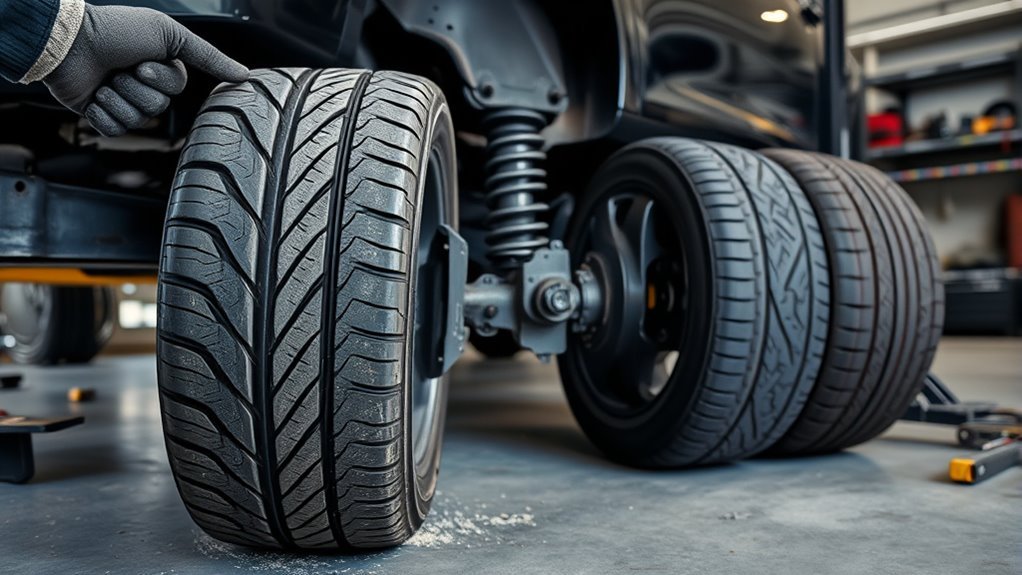
Why Your Hyundai Sonata’s Front Tires Wear Faster (And How to Fix It)
What’s in This Article
- Quick Answer
- What Causes Uneven Tire Wear in Hyundai Sonatas?
- How Do Driving Conditions Affect Sonata Tire Wear?
- How Does Air Pressure Affect Your Tires?
- Why Regular Tire Rotation Helps Tires Last Longer
- How Wheel Alignment Changes Tire Wear Patterns
- How Worn Suspension Parts Damage Tires
- How to Spot Uneven Tire Wear Early
- How to Check Tread Depth at Home
- Best Practices for Maintaining Hyundai Sonata Tires
- Frequently Asked Questions
- Keep Your Sonata Tires Wearing Evenly
- References
Your Hyundai Sonata’s front tires can wear down long before the rear tires look old. The front wheels carry more weight, steer the car, handle most braking force, and drive the car forward on most Sonata models.
Bad alignment, low tire pressure, worn suspension parts, and hard driving can make that wear much worse. This guide shows you why the front tires wear faster, how to spot the pattern, and what you can do to slow it down.
Quick Answer
- Front-wheel drive: The front wheels handle steering, braking, engine weight, and acceleration on most Hyundai Sonata models.
- Tire rotation: Rotate your tires every 5,000 to 7,500 miles, or follow the interval in your owner’s manual.
- Air pressure: Check tire pressure monthly and before long trips to prevent edge or center wear.
- Alignment: Check wheel alignment once a year, after hard pothole hits, or when tread wear looks uneven.
Key Takeaways
- Your Sonata’s front tires usually wear faster because they do more work than the rear tires.
- Regular tire rotation spreads wear across all four tires and helps the full set last longer.
- Correct tire pressure prevents the tread edges or center from wearing out early.
- Wheel alignment and suspension checks help stop uneven wear before it ruins the tires.
- Monthly tread checks help you catch unsafe tires before wet roads expose the problem.
[Products Worth Considering]

This portable cordless tire inflator delivers up to 160 PSI with fast 17 L/min airflow to help you quickly top up tires and get back on the road. It features dual power mode, running on a 21V rechargeable battery or a 12V DC adapter for convenient roadside use. An automatic shut-off with digital pressure gauge helps prevent overinflation, and a built-in LED light improves visibility in low-light conditions.

The JACO FlowPro Tire Inflator measures, inflates, and airs down tires up to 100 PSI with battery-free operation and ±2% accuracy after calibration. It features a glowing pressure dial for night visibility, a heavy-duty steel build with a hybrid hose, and a precision push-to-inflate thumb trigger. The patented Lightning Air Chuck locks on for a secure seal, and the kit includes quick-connect hardware for easy inline use with your air compressor.
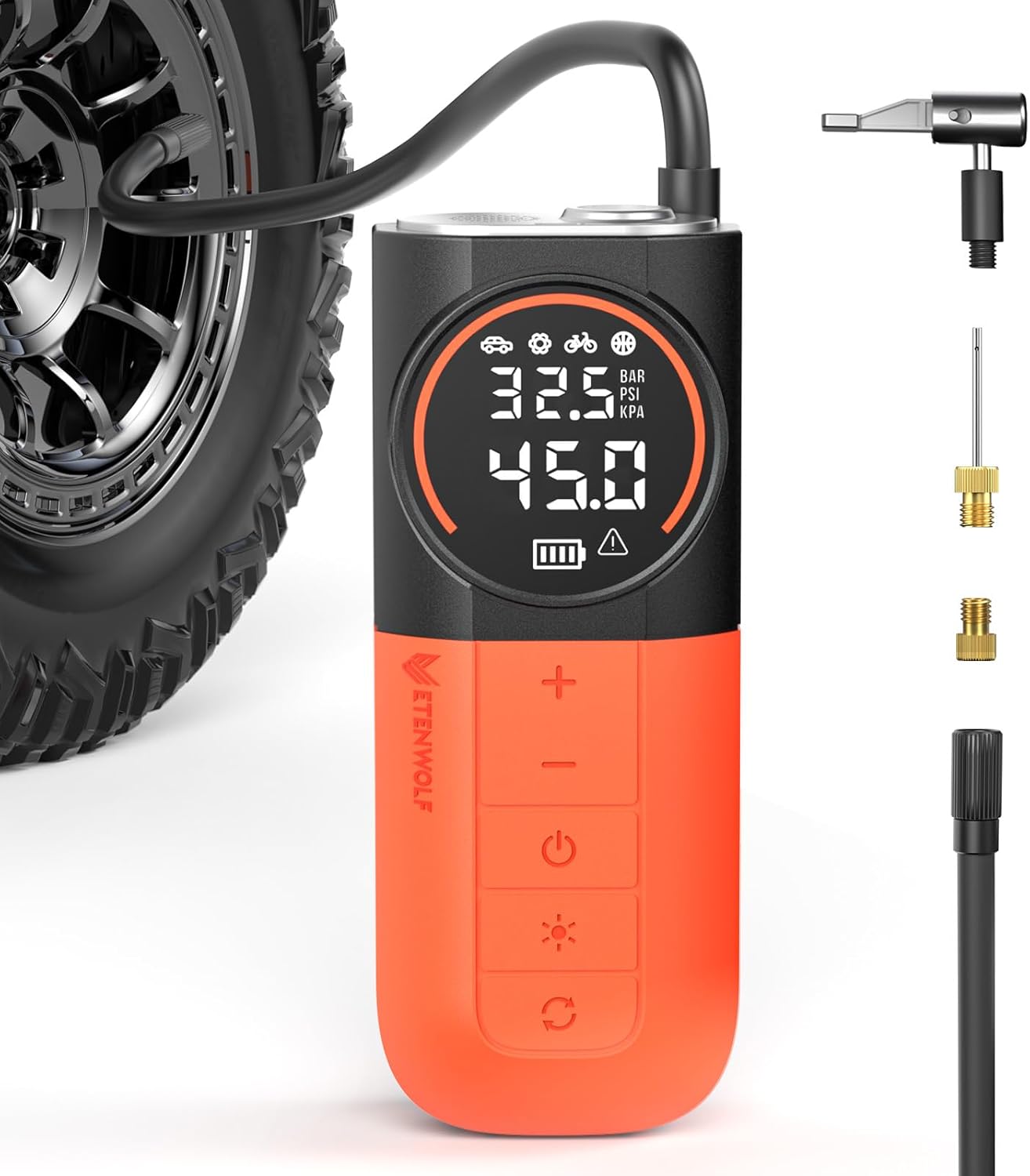
The ETENWOLF S1 cordless tire inflator delivers ultra-fast inflation with up to 160 PSI and a 20 L/min airflow for quicker tire top-offs. Its 5200mAh battery and cooling system support inflating many tires and sports balls on a single charge, while the digital pressure gauge and multi-unit display help you reach the right pressure accurately. With preset modes, pressure memory, an auto-stop feature, and an LED flashlight, it’s built for easy roadside and everyday use.
What Causes Uneven Tire Wear in Hyundai Sonatas?
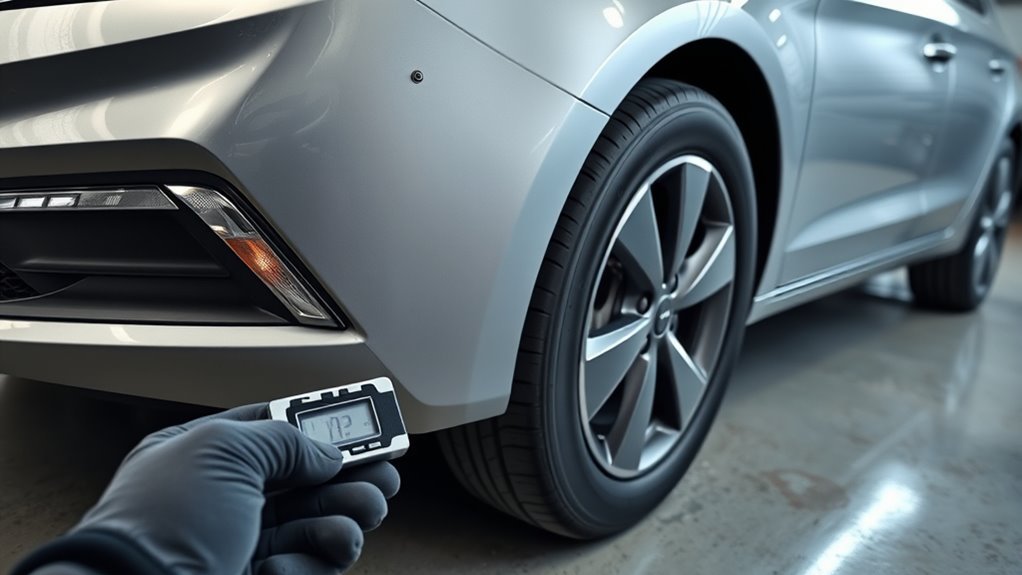
Several simple factors can make your Hyundai Sonata’s front tires wear down quickly. Most Sonata models use front-wheel drive, so the front tires handle power, steering, braking, and much of the car’s weight.
Bad wheel alignment can grind down the inner or outer tread edges. Skipped tire rotations let the front tires age faster than the rear tires.
Tire pressure also plays a big role. Under-inflated tires wear on the outer edges, while over-inflated tires wear through the center. Worn shocks, struts, tie rods, or ball joints can also scrub the tires against the road.
How Do Driving Conditions Affect Sonata Tire Wear?
Where and how you drive changes how fast your Sonata’s tires wear. Stop-and-go city driving puts repeated braking and turning force on the front tires.
Fast starts, hard braking, and sharp turns add more stress. Rough roads and potholes can also knock the wheels out of alignment and damage the tread.
To reduce this wear, rotate the tires every 5,000 to 7,500 miles. You should also slow down on rough roads when you can do so safely.
Pro tip: Check your tread after a hard pothole hit, even if the car still drives straight.
How Does Air Pressure Affect Your Tires?
Air pressure changes how each tire touches the road. Tires with too little air flex too much and wear on both edges.
Tires with too much air bulge in the middle and wear through the center tread. Correct pressure helps your Sonata handle well, brake better, and use fuel more efficiently.
Effects of Under-Inflation
Under-inflated tires sag and push too much weight onto the outside edges of the tread. This can shorten tire life and make your Sonata feel less steady.
- Uneven tread wear on the outer edges
- Shorter tire lifespan
- Slower steering response
- Lower fuel economy
- Higher heat buildup inside the tire
The National Highway Traffic Safety Administration (NHTSA) advises drivers to check tire pressure regularly and use the pressure listed by the vehicle maker. You can find the correct pounds per square inch (PSI) on the sticker inside the driver’s door jamb.
Consequences of Over-Inflation
Too much air makes the tire ride on the center of the tread. That smaller contact patch can reduce grip, especially on wet roads.
Over-inflation can also make the ride feel harsh. Check the pressure before long trips and when outdoor temperatures change sharply.
Why Monthly Pressure Checks Matter
Tire pressure affects tread wear, steering, braking, and fuel use. Monthly checks help you catch slow leaks before they turn into bigger problems.
- Check pressure when the tires feel cold.
- Use the PSI on the driver’s door sticker.
- Do not use the maximum PSI printed on the tire sidewall as your target.
- Check all four tires and the spare if your Sonata has one.
- Add pressure before the tire drops low enough to damage the tread.
Why Regular Tire Rotation Helps Tires Last Longer
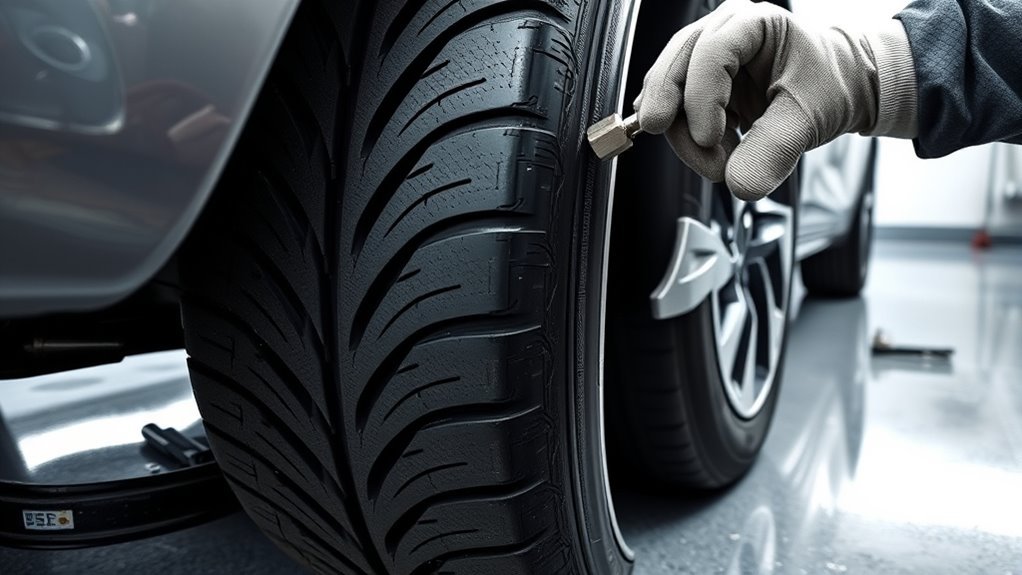
Tire rotation moves each tire to a different position on the car. This spreads the workload across all four tires instead of forcing the front pair to do most of the work.
For many drivers, a 5,000 to 7,500 mile interval works well. Your owner’s manual or tire warranty may list a different interval, so follow that schedule when it gives one.
Benefits of Tire Rotation
Rotating your Sonata’s tires protects the tread and helps the car drive more predictably. It also gives a technician a chance to spot early tire, alignment, or suspension problems.
- Spreads tread wear across all four tires
- Helps the full tire set last longer
- Improves handling and road grip
- Helps catch alignment or suspension issues early
- Gives your Sonata a smoother ride
How Often Should You Rotate Sonata Tires?
Many drivers forget tire rotation until the front tread looks worn. On a front-wheel-drive Sonata, that delay can cost you tire life.
Rotate the tires every 5,000 to 7,500 miles unless your manual or tire warranty gives a different interval. Ask the shop to inspect tread depth and wear patterns during the same visit.
How Rotation Affects Tire Life
Skipped rotations can destroy the front tires while the rear tires still look usable. That uneven wear can reduce traction and make the car less stable in rain.
- Balances the front tire workload with the rear tires
- Helps tires reach their expected tread life
- Keeps traction more even from front to rear
- Shows alignment problems before they ruin the tread
- Helps you avoid early tire replacement
How Wheel Alignment Changes Tire Wear Patterns
Wheel alignment sets the angles that keep your tires rolling straight and flat on the road. When those angles drift, the tires drag slightly instead of rolling cleanly.
Misalignment often wears the inner or outer tread edge. It can start after a pothole hit, curb strike, suspension repair, or normal wear.
Check alignment once a year, when you buy new tires, or when the steering wheel sits off-center. A proper wheel alignment can improve tire life, handling, and fuel use.
How Worn Suspension Parts Damage Tires
Bad suspension parts can ruin a new set of tires quickly. Shocks and struts keep the tires pressed firmly against the road.
When those parts wear out, the car can bounce and create a chopped or cupped tread pattern. Loose steering parts can also change alignment while you drive.
- Worn shocks can make the tires bounce and wear unevenly.
- Weak springs can shift too much load onto the front tires.
- Loose tie rods or ball joints can ruin alignment.
- A mechanic can inspect suspension parts during a tire rotation.
- Replacing bad struts helps protect your tire investment.
Warning: Do not keep driving on tires with exposed cords, bulges, or deep cracks.
[Products Worth Considering]

EVOULTES heavy duty tire inflator with an integrated gauge delivers accurate pressure readings from 10–120 PSI, helping you inflate, deflate, and check tires in one tool. The 16.5-inch extended dual-head air chuck with swivel base reaches hard-to-access dual wheel valves on trucks and RVs. A brass trigger core and side-mounted air release valve make operation smooth, with standard 1/4" NPT threading and quick-connect compatibility for easy setup.

This portable cordless tire inflator delivers fast, efficient inflation for cars, motorcycles, bikes, and sports balls with a digital pressure gauge. Use the one-click PSI preset with auto shut-off for accurate, hands-free topping to your target pressure up to 150 PSI. It’s compact and rechargeable with a built-in emergency LED light plus valve adapters and accessories for quick, ready-to-go use.
How to Spot Uneven Tire Wear Early
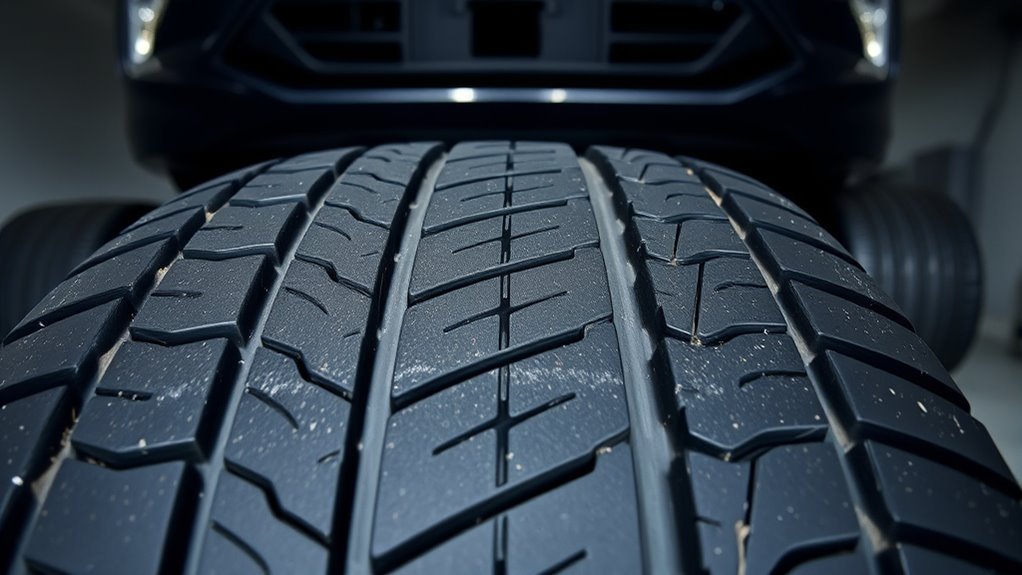
Catching tire problems early keeps your Sonata safer and can save you money. Look at your tires at least once a month.
Smooth patches on the outer edges often point to low pressure or poor alignment. A bald strip down the center usually points to over-inflation.
Wavy, chopped, or scooped tread can signal worn suspension parts. If you feel vibration, pulling, or new road noise, schedule an inspection soon.
How to Check Tread Depth at Home
You don’t need special tools to check basic tread depth. Place a penny upside down into the main tread grooves.
If you can see the top of Lincoln’s head, the tread has reached 2/32 of an inch or less. At that point, the tire no longer gives safe wet-road grip and needs replacement.
Check the inner edge, center, and outer edge of each tire. Uneven results across the same tire can point to pressure, alignment, or suspension trouble.
Best Practices for Maintaining Hyundai Sonata Tires
Good tire care takes only a few minutes each month. These habits help your Sonata drive smoothly and keep the tread wearing evenly.
- Rotate your tires every 5,000 to 7,500 miles.
- Check tire pressure once a month when the tires feel cold.
- Use the PSI listed on the driver’s door sticker.
- Check wheel alignment once a year or after a hard impact.
- Ask a mechanic to inspect suspension parts during routine service.
- Look for smooth spots, bald edges, cupping, cracks, or bulges.
Small checks can prevent expensive tire and suspension repairs. They also help you feel problems before they become unsafe.
Frequently Asked Questions
Is It Normal for Front Tires to Wear Faster Than Back Tires?
Yes. Front tires handle steering, much of the braking force, and the weight of the engine. On most Hyundai Sonata models, the front tires also handle acceleration, so they wear faster than the rear tires.
How Long Do Hyundai Sonata Tires Last?
Many Hyundai Sonata tires last about 40,000 to 60,000 miles, but your results can vary. Tire type, road conditions, driving style, pressure checks, alignment, and rotation habits all affect tread life.
Can I Replace Only the Front Tires on a Hyundai Sonata?
You can replace two tires when the other two still have safe tread, but matching tire size and type matters. Many tire shops recommend placing the newer tires on the rear axle for better wet-road stability.
Why Does My Sonata Pull to One Side After Tire Wear Starts?
A pull to one side can point to low tire pressure, uneven tread wear, brake drag, or poor alignment. Check tire pressure first, then schedule an alignment and tire inspection if the pull stays.
What Tire Wear Pattern Means My Alignment Is Bad?
Heavy wear on only the inner or outer edge often points to an alignment problem. Feathered tread, where one side of each tread block feels sharp, can also suggest poor toe alignment.
Keep Your Sonata Tires Wearing Evenly
Your Sonata’s front tires wear faster because they carry more of the car’s work. Tire rotation, correct air pressure, alignment checks, and suspension inspections help slow that wear.
Start with a monthly tire pressure and tread check. That small habit can catch problems early and help you get more safe miles from every set of tires.
References
- Tires — National Highway Traffic Safety Administration
- Wheel Alignment — Kelley Blue Book

Related Articles

Danger of Using Summer Tires in Winter on a Hyundai Sonata
Potentially perilous, using summer tires in winter on your Hyundai Sonata can compromise safety—discover the hidden dangers that await you on icy roads.
Read More
Can You Mix Nitrogen and Air in Hyundai Sonata Tires? Answered
Discover the implications of mixing nitrogen and air in your Hyundai Sonata tires—are the benefits worth the risks? Explore the answer inside!
Read More
How to Tell If Hyundai Sonata Tires Are Too Old to Use Safely
Understand how to assess the age of your Hyundai Sonata tires and discover crucial signs of deterioration that could compromise your safety on the road.
Read More