
Hyundai Sonata Tire Going Flat Overnight: Common Causes & Fixes
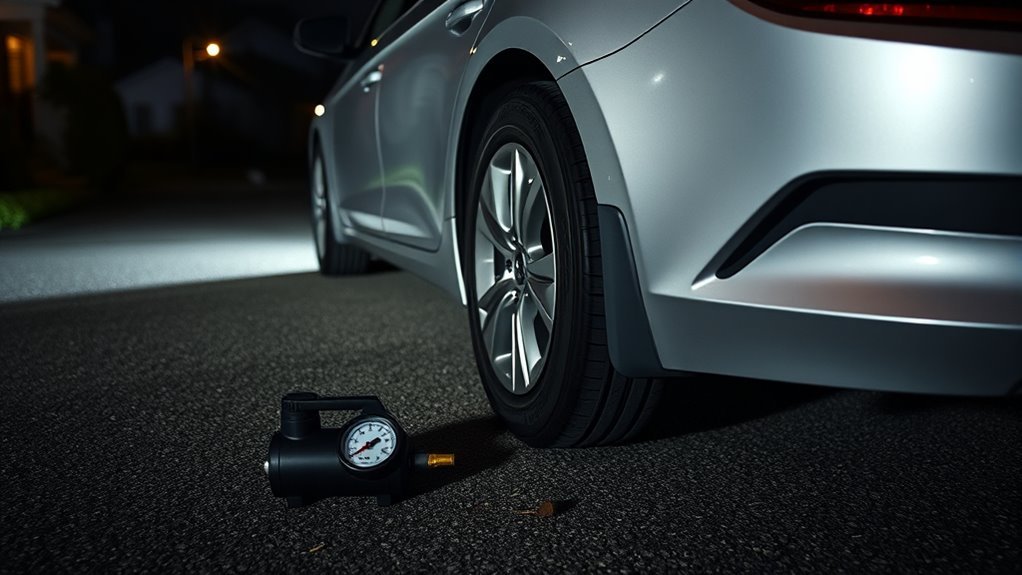
If your Hyundai Sonata tire is flat in the morning, the problem is usually a slow leak that finally showed up while the car sat overnight. The most common causes are a small tread puncture, a leaking valve core or valve stem, a bead leak where the tire seals to the wheel, rim damage, or a pressure drop from colder weather.
Quick Answer
A Hyundai Sonata tire usually goes flat overnight because air is escaping slowly from a nail hole, valve stem, valve core, bead seal, cracked tire, or damaged rim. Cold weather can also lower pressure, but a tire that repeatedly loses a lot of air should be checked for a leak.
Key Takeaways
- Check the tire when it is cold and compare it with the pressure listed on your Sonata’s driver-door placard or owner’s manual.
- Use soapy water on the tread, valve stem, valve core, and bead area; bubbles point to the leak.
- Do not drive on a flat tire. Driving even a short distance can damage the sidewall and make the tire unsafe.
- A puncture may be repairable only if it is in the tread area, no larger than 1/4 inch (6 mm), and inspected from inside by a trained tire technician.
At a Glance
| Time Required | 10–20 minutes for a basic driveway inspection; longer if a tire shop removes the tire for inspection. |
| Difficulty | Easy for leak checking; professional help required for safe tire repair decisions. |
| Tools Needed | Tire pressure gauge, flashlight, spray bottle with soapy water, portable inflator, and your Sonata owner’s manual. |
| Cost | DIY inspection is usually free if you already have the tools. Professional repair, valve service, or replacement varies by shop, tire size, and damage. |
Warning: Do not drive your Sonata on a flat or nearly flat tire. A tire can look repairable from the outside but have hidden sidewall or inner-liner damage after being driven underinflated.
What Causes Tires to Lose Air Overnight?
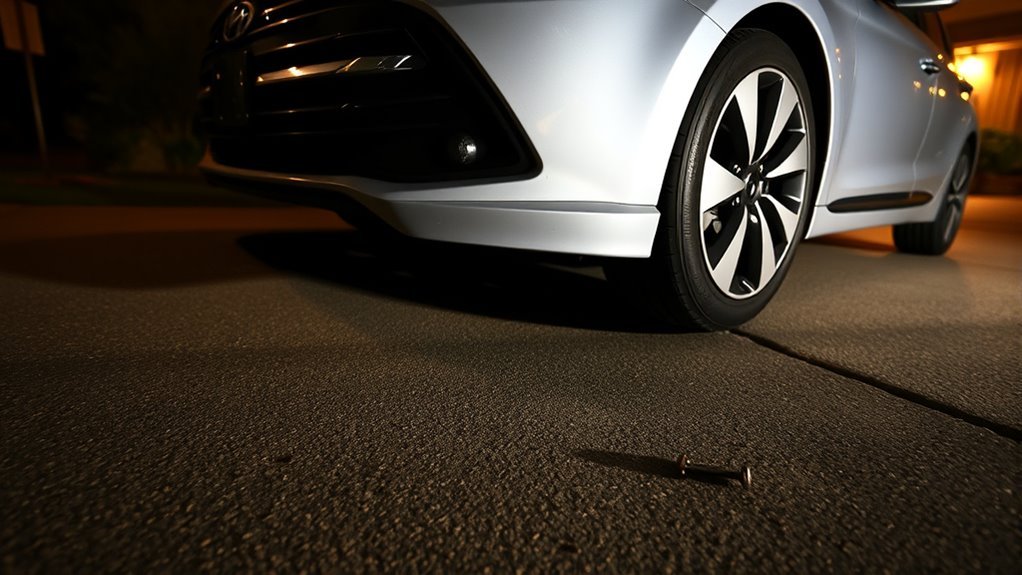
A tire that loses air overnight is usually not “randomly” going flat. Air is escaping somewhere, or the pressure has dropped enough with temperature changes to reveal an already low tire. For a Hyundai Sonata, start with these likely causes:
- Small tread puncture: A nail, screw, staple, or glass shard can create a slow leak that may take hours to show up.
- Leaking valve core or valve stem: The valve core can loosen, and rubber valve stems can crack, age, or leak around the wheel.
- Bead leak: Air can escape where the tire bead seals against the wheel, especially if there is corrosion, dirt, old sealant, or rim damage.
- Bent or damaged rim: Potholes, curbs, and road impacts can slightly bend the wheel and break the seal.
- Temperature drop: Tire pressure can change by about 1–2 PSI for every 10°F change in temperature, according to the U.S. Tire Manufacturers Association. Hyundai owner-manual guidance also notes pressure loss during colder temperature drops.
- Aging or damaged tire: Cracks, sidewall damage, uneven wear, or an old repair can allow slow air loss.
[Products Worth Considering]

EVOULTES heavy duty tire inflator with an integrated gauge delivers accurate pressure readings from 10–120 PSI, helping you inflate, deflate, and check tires in one tool. The 16.5-inch extended dual-head air chuck with swivel base reaches hard-to-access dual wheel valves on trucks and RVs. A brass trigger core and side-mounted air release valve make operation smooth, with standard 1/4" NPT threading and quick-connect compatibility for easy setup.

This portable cordless tire inflator delivers up to 160 PSI with fast 17 L/min airflow to help you quickly top up tires and get back on the road. It features dual power mode, running on a 21V rechargeable battery or a 12V DC adapter for convenient roadside use. An automatic shut-off with digital pressure gauge helps prevent overinflation, and a built-in LED light improves visibility in low-light conditions.

This multi-function tire valve stem removal tool set makes it fast to remove, install, bleed, and clean valve cores for easier tire maintenance. It includes valve core removers, a 4-way spool tool, replacement valve caps, and spare cores to handle replacements and repairs with confidence. Universal compatibility suits cars, trucks, motorcycles, bicycles, and more for roadside convenience.
Check the Correct Hyundai Sonata Tire Pressure First
Before looking for a leak, confirm the correct cold tire pressure for your specific Sonata. The right number is not the maximum PSI molded on the tire sidewall. Use the tire information placard on the driver’s door jamb or the tire section of your Hyundai owner’s manual.
Hyundai says tire pressures, including the spare if equipped, should be checked when the tires are cold. “Cold” generally means the vehicle has been parked for at least 3 hours or driven less than about 1 mile. The Hyundai owner’s manual tire-pressure guidance also warns not to bleed air from warm tires just because the reading is higher.
Note: Your Sonata’s TPMS warning light is helpful, but it is not a replacement for a tire pressure gauge. A slow leak can be unsafe before the warning light comes on.
How Can You Identify Punctures and Damage in Your Tire?
Start with a calm, careful inspection. Park on level ground, set the parking brake, and check the tire before you inflate it if possible. Then follow these steps:
- Read the pressure with a gauge. Compare the cold reading with the pressure listed on your Sonata’s placard or owner’s manual.
- Inspect the tread. Look for nails, screws, glass, shiny metal, cuts, bulges, or an object stuck between tread blocks.
- Listen for hissing. A quiet garage or driveway makes small leaks easier to hear.
- Use soapy water. Spray the tread, sidewall, valve stem, valve core, and bead area. Bubbles that keep growing usually mean air is escaping.
- Check the valve cap and core. A missing cap does not seal the tire by itself, but it lets dirt reach the valve core. If bubbles form at the valve opening, the valve core may be leaking.
- Inspect the rim edge. Look for dents, corrosion, peeling finish, or old sealant near the tire bead.
- Reinflate only to the recommended cold pressure. If the tire loses pressure again, have it inspected by a tire professional.
Pro Tip: Mark the tire with tape or chalk where bubbles appear. That makes it easier for the tire shop to find the leak quickly.
How Temperature Affects Your Tire’s Air Pressure
Temperature can make a borderline-low tire look flat overnight. When air gets colder, pressure drops. When air gets warmer, pressure rises. That is why cold-morning pressure checks often read lower than afternoon readings.
The key point is consistency: check pressure when the tires are cold, use the Sonata’s placard pressure, and recheck after big weather swings. The National Highway Traffic Safety Administration recommends using the vehicle manufacturer’s cold inflation pressure shown on the tire information placard or certification label.
| Temperature Change | Pressure Effect | Recommended Action |
|---|---|---|
| Cold snap | Pressure may drop | Check cold pressure and inflate to placard spec |
| Hot afternoon | Pressure may rise | Do not bleed warm tires down below cold spec |
| Repeated overnight loss | Likely leak, not just weather | Inspect with soapy water or visit a tire shop |
Temperature and Tire Pressure
A small pressure drop during a cold front can be normal. A large drop in one tire, or the same tire going flat repeatedly, is different. That usually means a leak is present and cold weather is only making the problem more obvious.
Cold Weather Effects
Cold weather can lower pressure enough to trigger the TPMS light, especially if the tire was already low. Inflate to the recommended cold pressure, then recheck the same tire the next morning. If it drops again, treat it as a leak.
Heat Expansion Impact
Warm tires normally read higher than cold tires. That is why the best comparison is always a cold reading taken before driving. Do not lower a warm tire just because the pressure looks higher after a commute.
Are Valve Stem Problems Causing Your Flat Tire?
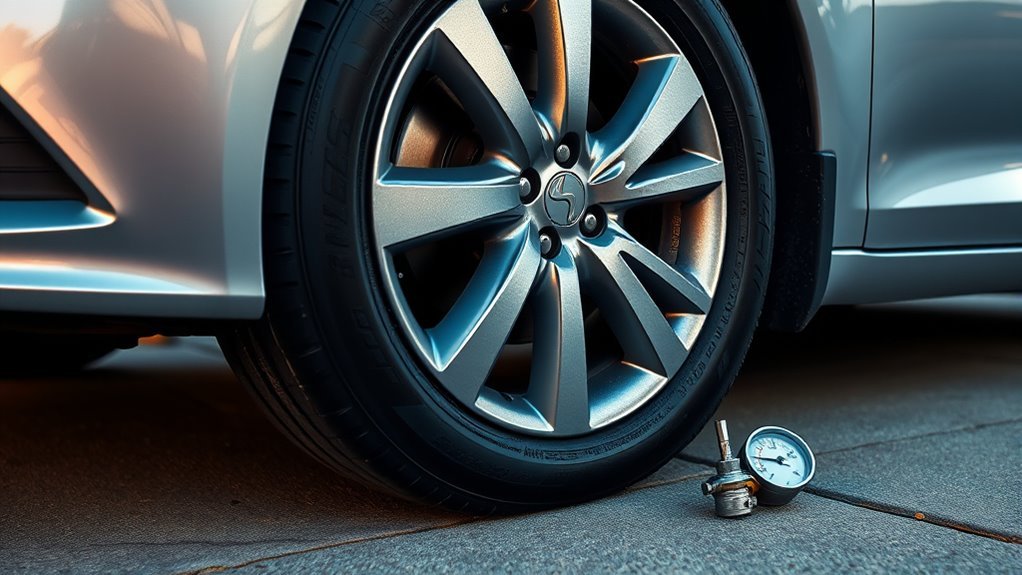
Valve problems are easy to miss because the tread may look perfect. A tire can lose air through the valve core, the rubber valve stem, the TPMS valve assembly, or the seal where the valve meets the wheel.
Signs of Valve Damage
- Soapy water bubbles at the valve opening or around the valve base.
- A cracked, dry, loose, or bent valve stem.
- Air loss after a recent tire installation or TPMS service.
- Pressure loss with no visible tread puncture.
If the valve core is loose, a technician may tighten or replace it. If the valve stem or TPMS seal is leaking, the wheel may need valve service. Valve components should be checked whenever a tire is replaced or repaired.
Repair or Replace Options
A valve leak is often simpler than a damaged tire, but the exact fix depends on whether the leak is from the core, stem, TPMS seal, or wheel hole. A tire shop can test it, replace the damaged valve part, and confirm the tire holds pressure afterward.
| Valve Issue | Common Sign | Best Fix |
|---|---|---|
| Loose or leaking valve core | Bubbles at the valve opening | Tighten or replace the valve core |
| Cracked rubber valve stem | Bubbles near the stem base | Replace the valve stem |
| TPMS seal leak | Leak around metal valve assembly | Service or replace the TPMS seal kit |
Understanding Bead Leaks and Their Effect on Tire Pressure
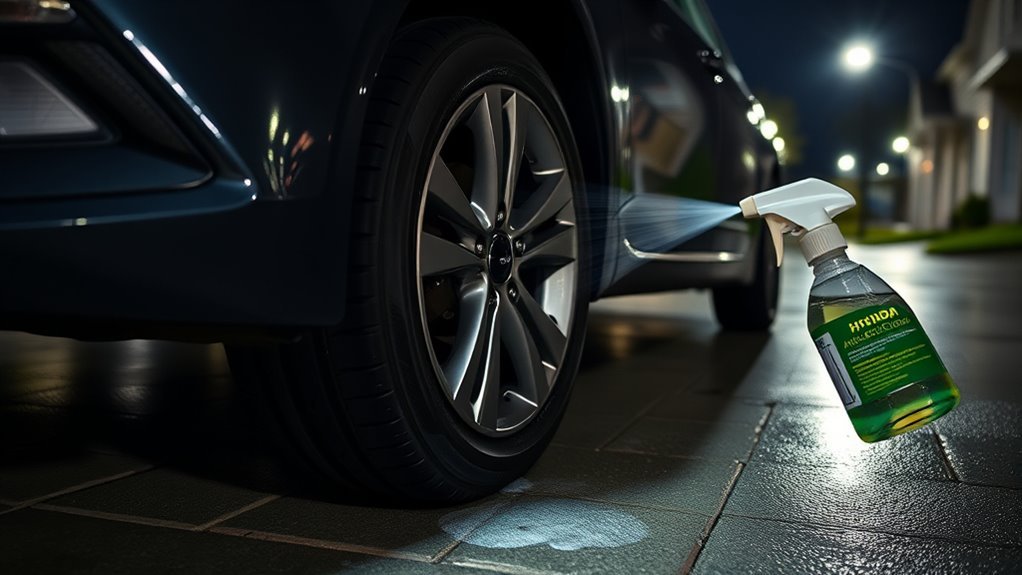
A bead leak happens where the tire seals against the wheel. This area must be clean, smooth, and properly seated. If corrosion, dirt, old sealant, rim damage, or improper mounting interrupts the seal, air can escape slowly while the car is parked.
Bead leaks can be hard to see until you spray soapy water around the rim edge. If bubbles appear around the wheel lip instead of the tread or valve, the tire may need to be removed, the bead and rim cleaned, and the tire reseated by a professional.
[Products Worth Considering]

This 4-in-1 tire valve core removal tool helps you deflate, unblock, and remove or install valve cores quickly for easier tire repair. The multifunction design also supports re-taping damaged threads and reaming inside the valve stem for smoother service. Included as a 2-pack, it’s compact for convenient carry and works for cars, bicycles, and motorcycles.
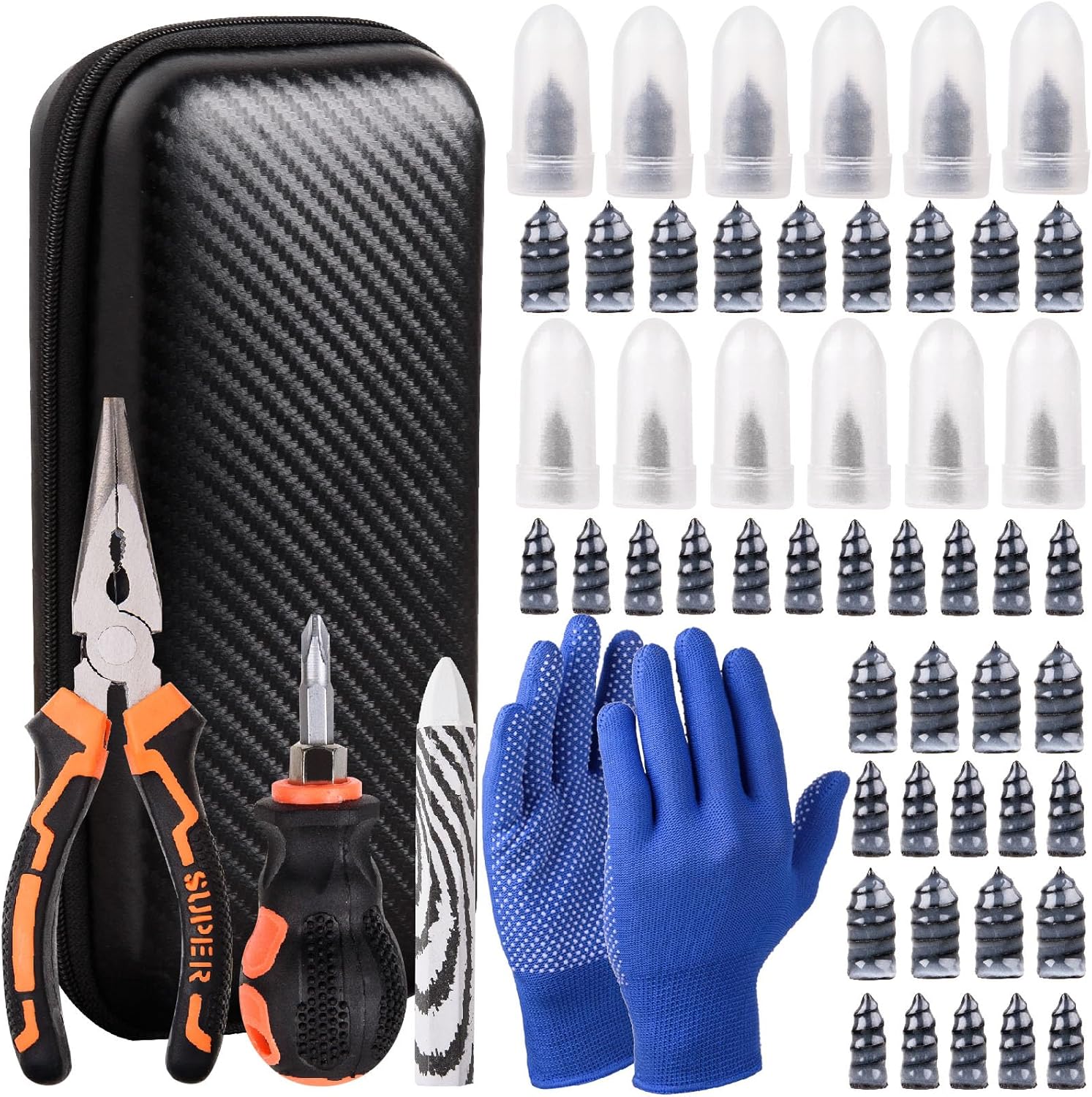
This tire sidewall puncture repair kit fixes flats fast without removing the tire, helping you get back on the road in minutes. It includes self-tapping repair nails, essential tools, gloves, and a portable storage bag for convenient roadside use. Designed for tubeless tires, it helps create a tight, leak-resistant seal for cars, motorcycles, trucks, SUVs, and ATVs.
What to Do When You Find a Flat Tire
When you find a flat tire on your Sonata, the safest move is to avoid driving on it. A flat tire can overheat, tear internally, damage the sidewall, or damage the wheel. Use this order:
- Move only if necessary for safety. If the car is in traffic, move slowly to a safe nearby location if you can do so without causing more risk.
- Check the tire pressure. Record the PSI so you know how much air was lost.
- Look for obvious damage. Check the tread, sidewall, valve, and rim.
- Use the spare or tire mobility kit only as directed. Follow your Sonata owner’s manual. Sealant kits are temporary and may not work for sidewall damage, large punctures, or bead leaks.
- Have the tire inspected. A shop should remove the tire from the wheel if repair is being considered.
Should You Repair or Replace Your Flat Tire?
A flat tire is not automatically trash, but not every leak is safe to repair. The U.S. Tire Manufacturers Association recommends considering repair only when the damage is in the tread area and the puncture is no greater than 1/4 inch (6 mm). The tire should be removed from the rim so the inside can be inspected.
Replacement is usually the safer choice if the tire has sidewall damage, shoulder damage, a large puncture, a bulge, exposed cords, internal damage from driving flat, severe cracking, or multiple unsafe repairs.
| Condition | Usually Repairable? | Why |
|---|---|---|
| Small puncture in tread area | Maybe | Must be no larger than 1/4 inch and inspected internally |
| Sidewall or shoulder damage | No | These areas flex heavily and are not safe repair zones |
| Driven while flat | Often no | Internal sidewall damage may be hidden |
| Bead leak or valve leak | Often serviceable | The tire may be fine, but the wheel, bead, or valve needs service |
Warning: A plug-only or patch-only shortcut is not the same as a proper professional repair. Industry guidance calls for inspection from inside the tire and a repair that seals both the injury path and the inner liner when the tire is repairable.
Preventative Tips to Avoid Future Tire Flats
You cannot prevent every nail or pothole, but you can catch slow leaks before they leave you stranded.
- Check pressure monthly. Hyundai recommends checking tire pressure, including the spare if equipped, at least once a month with a good tire gauge.
- Check pressure before long trips. Also check before carrying heavy loads.
- Use the placard pressure. Do not use the maximum pressure printed on the tire sidewall as your normal setting.
- Inspect tread and sidewalls. Look for embedded objects, cuts, cracks, bulges, or uneven wear.
- Replace valve stems or service TPMS seals during tire work. This helps prevent future valve-related leaks.
- Follow your Sonata maintenance schedule for rotation. Rotation helps even out wear and makes inspections easier.
- Do not ignore repeated TPMS warnings. A warning that returns after inflation usually means a leak needs diagnosis.
A tire that loses air once after a cold night may only need adjustment. A tire that loses air repeatedly needs a leak check.
Frequently Asked Questions
What causes a tire to go flat overnight?
The most common causes are a slow tread puncture, leaking valve core, cracked valve stem, bead leak, rim damage, old tire damage, or a pressure drop from cold weather. If the same tire keeps losing air, assume there is a leak until it is inspected.
Why does my tire keep going flat but there is no visible damage?
The leak may be hidden at the valve, valve core, bead seal, rim edge, or inner liner. Use soapy water around the valve and bead area, not just the tread. If you still cannot find it, a tire shop can submerge or pressure-test the tire.
Can cold weather make my Hyundai Sonata tire go flat overnight?
Cold weather can lower tire pressure and may trigger the TPMS light, especially if the tire was already low. However, a tire that drops far below the others or keeps losing pressure after inflation likely has a leak.
Can I drive a short distance on a flat Sonata tire?
Avoid driving on a flat tire. Even a short drive can damage the sidewall and make a repair unsafe. Use the spare tire or tire mobility kit only as directed in your owner’s manual, or call roadside assistance.
When should I replace instead of repair the tire?
Replace the tire if the damage is in the sidewall or shoulder, the puncture is larger than 1/4 inch, the tire was driven while flat, cords are exposed, the tire has a bulge, or a technician finds internal damage after removing it from the wheel.
Conclusion
A Hyundai Sonata tire that goes flat overnight is usually dealing with a slow leak, not bad luck. Start with a cold pressure check, then inspect the tread, valve, bead, and rim with soapy water. If the same tire keeps losing air, have it removed and inspected by a trained tire technician before deciding on repair or replacement. Catching the leak early can protect the tire, wheel, and your safety.
Sources
- NHTSA TireWise: Tire Safety Ratings and Awareness — cold tire pressure, placard pressure, and tire safety guidance.
- U.S. Tire Manufacturers Association: Tire Care Essentials — monthly pressure checks, cold tire checks, temperature pressure changes, and TPMS limitations.
- U.S. Tire Manufacturers Association: Tire Repair Basics — tire repair criteria and professional inspection guidance.
- Hyundai Owner’s Manual: Recommended Cold Tire Inflation Pressures — cold tire pressure instructions and warnings about warm tire readings.
- Hyundai Owner’s Manual: Check Tire Inflation Pressure — monthly pressure checks and gauge use.
- Goodyear: Tire Air Pressure — common air-loss sources including punctures, cuts, curbing, impacts, bead seating, and valve components.

Related Articles

Danger of Using Summer Tires in Winter on a Hyundai Sonata
Potentially perilous, using summer tires in winter on your Hyundai Sonata can compromise safety—discover the hidden dangers that await you on icy roads.
Read More
Can You Mix Nitrogen and Air in Hyundai Sonata Tires? Answered
Discover the implications of mixing nitrogen and air in your Hyundai Sonata tires—are the benefits worth the risks? Explore the answer inside!
Read More
How to Tell If Hyundai Sonata Tires Are Too Old to Use Safely
Understand how to assess the age of your Hyundai Sonata tires and discover crucial signs of deterioration that could compromise your safety on the road.
Read More