
Hyundai Sonata Tire Contact Patch Explained & Why It Matters
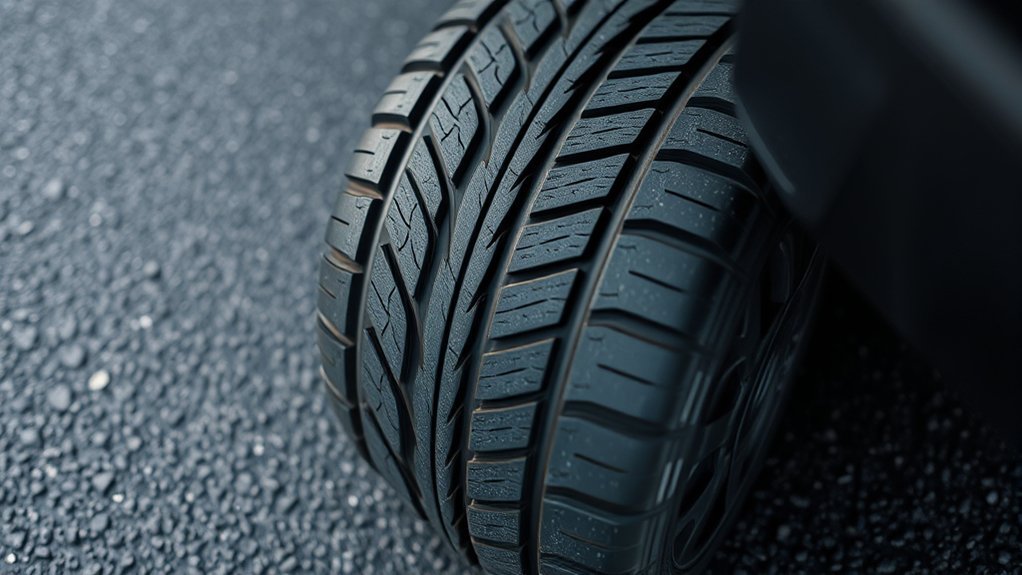
The tire contact patch on your Hyundai Sonata is the small area of each tire that touches the road. It is easy to overlook, but it affects steering, braking, wet-road grip, ride comfort, tire wear, and fuel economy. The best way to protect that patch is simple: use the cold tire pressure listed on the driver-side placard, stay within the vehicle load limit, inspect tread and sidewalls monthly, and fix alignment or balance problems early.
Quick Answer
A Hyundai Sonata’s tire contact patch is the palm-sized part of each tire that meets the road. Keep it working properly by checking cold tire pressure monthly, following the driver-door Tire and Loading Information Label, avoiding overloads, rotating tires as recommended, and replacing tires when tread, age, or damage makes them unsafe.
Key Takeaways
- The contact patch changes with tire pressure, vehicle load, tire construction, alignment, tread condition, and road surface.
- Use the Sonata’s driver-side placard or owner’s manual for the correct cold PSI, tire size, load rating, and speed rating.
- Underinflation can create heat, poor handling, longer stopping distances, and tire failure risk; overinflation can reduce road contact and cause uneven wear.
- Check pressure and tread at least monthly, and inspect tires after pothole hits, curb impacts, long trips, or sudden weather changes.
- Do not lower pressure below the placard PSI just to “make a bigger patch.” That can overheat the tire and reduce safety.
At a Glance
| Time Required | 10–15 minutes once a month, plus a quick check before long trips |
| Difficulty | Easy for pressure, tread, and visual checks; professional help for alignment, balancing, leaks, bulges, or vibration |
| Tools Needed | Accurate tire pressure gauge, air compressor, tread-depth gauge or penny, flashlight, and your driver-door placard or owner’s manual |
| Cost | Usually under $15 for a basic gauge; professional alignment, balancing, tire repair, or replacement varies by shop and tire size |
What Is the Tire Contact Patch in Your Hyundai Sonata?
The tire contact patch, also called the tire footprint, is the area where the tread touches the road. Your Sonata has four contact patches, one per tire, and together they are the only points where the vehicle can steer, stop, accelerate, and hold a lane in rain or dry conditions.
The patch is not a fixed size. It changes when you add passengers or cargo, when tire pressure rises or falls, when tires wear unevenly, when the wheels are misaligned, and when the suspension transfers weight during braking or cornering. That is why a tire can feel fine on a straight road but lose confidence during an emergency stop, a sharp turn, or a wet-road lane change.
Your Sonata does not need the biggest possible contact patch. It needs the correct contact patch: properly inflated, evenly loaded, evenly worn, and matched to the tire size and ratings Hyundai specifies.
[Products Worth Considering]

EVOULTES heavy duty tire inflator with an integrated gauge delivers accurate pressure readings from 10–120 PSI, helping you inflate, deflate, and check tires in one tool. The 16.5-inch extended dual-head air chuck with swivel base reaches hard-to-access dual wheel valves on trucks and RVs. A brass trigger core and side-mounted air release valve make operation smooth, with standard 1/4" NPT threading and quick-connect compatibility for easy setup.

This portable cordless tire inflator delivers up to 160 PSI with fast 17 L/min airflow to help you quickly top up tires and get back on the road. It features dual power mode, running on a 21V rechargeable battery or a 12V DC adapter for convenient roadside use. An automatic shut-off with digital pressure gauge helps prevent overinflation, and a built-in LED light improves visibility in low-light conditions.

The JACO FlowPro Tire Inflator measures, inflates, and airs down tires up to 100 PSI with battery-free operation and ±2% accuracy after calibration. It features a glowing pressure dial for night visibility, a heavy-duty steel build with a hybrid hose, and a precision push-to-inflate thumb trigger. The patented Lightning Air Chuck locks on for a secure seal, and the kit includes quick-connect hardware for easy inline use with your air compressor.
Where to Find the Correct Sonata Tire Specs
Before changing pressure or buying replacement tires, check the Tire and Loading Information Label on the driver-side door edge or B-pillar. This label lists the vehicle maker’s recommended cold tire pressure, tire size, and load information. You can also confirm this information in the Hyundai manuals and warranties resource.
Do not use the maximum PSI molded on the tire sidewall as your normal inflation target. The sidewall number is a tire limit, not the Sonata’s recommended everyday pressure. The vehicle placard pressure is chosen for load capacity, ride, handling, traction, wear, and fuel economy.
Warning: Never lower tire pressure below the placard PSI to “create more grip,” and never overload the vehicle. Underinflation and overloading can overheat tires, damage internal structure, and raise the risk of sudden tire failure.
How Tire Pressure Influences Your Contact Patch Size
Tire pressure is the biggest day-to-day factor you can control. When pressure is too low, the sidewalls flex more, heat builds up, rolling resistance rises, and the tire can wear heavily on the shoulders. When pressure is too high, the center of the tread may carry too much of the load, the ride can feel harsh, and severe overinflation may reduce road contact and stopping performance.
For the most accurate reading, check pressure when the tires are cold, meaning the car has been parked for at least three hours or has been driven only a short distance. Check all four tires, and check the spare if your Sonata has one. The NHTSA TireWise guidance recommends using the vehicle manufacturer’s cold inflation pressure from the tire label or owner’s manual, not the sidewall maximum.
Monthly Pressure Check Steps
- Park the Sonata long enough for the tires to cool.
- Find the recommended cold PSI on the driver-side tire label.
- Remove the valve cap and press a quality gauge firmly onto the valve stem.
- Add air if the tire is low, or release air slowly if it is above the placard value.
- Recheck the pressure after adjusting it, then reinstall the valve cap.
- Repeat for all tires, including the spare if equipped.
Pro Tip: Keep a small digital or dial pressure gauge in the glove box. Gas-station gauges can be damaged or inaccurate, and TPMS warnings often appear only after pressure is already significantly low.
The Impact of Vehicle Weight on Your Sonata’s Tire Safety
Your Sonata’s weight is not spread perfectly evenly across all four tires. Braking shifts load forward, acceleration shifts some load rearward, cornering adds load to the outside tires, and passengers or cargo can change how each tire meets the road.
This is why load limits matter. The correct limit is not a generic “per tire” guess. It is based on the vehicle’s Tire and Loading Information Label, axle ratings, tire size, and the service description printed on the tire sidewall. A replacement tire should meet or exceed the load rating and speed rating Hyundai specifies for your Sonata.
Weight Distribution Effects
Balanced loading helps each contact patch do its job. Heavy cargo in the trunk, a full passenger load, or unevenly placed weight can change how the tires press into the road. If the rear of the car sits low, the steering feels light, or the headlights point upward, remove excess weight and check the vehicle’s load label before driving farther.
Load Capacity Considerations
A tire’s load index is the number in the tire service description, such as the “91” in 205/55R17 91V. It tells you the maximum load that one tire can carry when properly inflated. A higher load rating on a replacement tire does not increase the Sonata’s legal or safe payload; the vehicle’s own ratings still control the limit. Michelin explains that load and speed ratings should be verified on the tire placard, owner’s manual, or tire sidewall and should match the manufacturer’s specification.
Note: If your Sonata uses different tire sizes for a specific trim or wheel package, follow the placard for that exact vehicle. Do not copy pressure, tire size, or load ratings from another Sonata trim without confirming fitment.
Understanding Load and Speed Ratings for Optimal Tire Performance
Load and speed ratings are part of the tire’s service description. The load index shows how much weight the tire can support when correctly inflated. The speed rating shows the maximum sustained speed capability under specified load and inflation conditions.
Common passenger-car speed ratings include H, V, W, and Y. For example, Michelin lists H as 130 mph and V as 149 mph, but that does not mean you should drive at those speeds. It means the tire has been built and tested for that rating under specified conditions. Always obey speed limits and choose tires that meet or exceed the rating Hyundai specifies for your Sonata.
When replacing tires, match the correct size, load index, speed rating, and tire type. Mixing tires with different ratings, tread patterns, or wear levels can reduce predictable handling, especially in rain or emergency maneuvers.
The Role of Tire Design in Shaping the Contact Patch
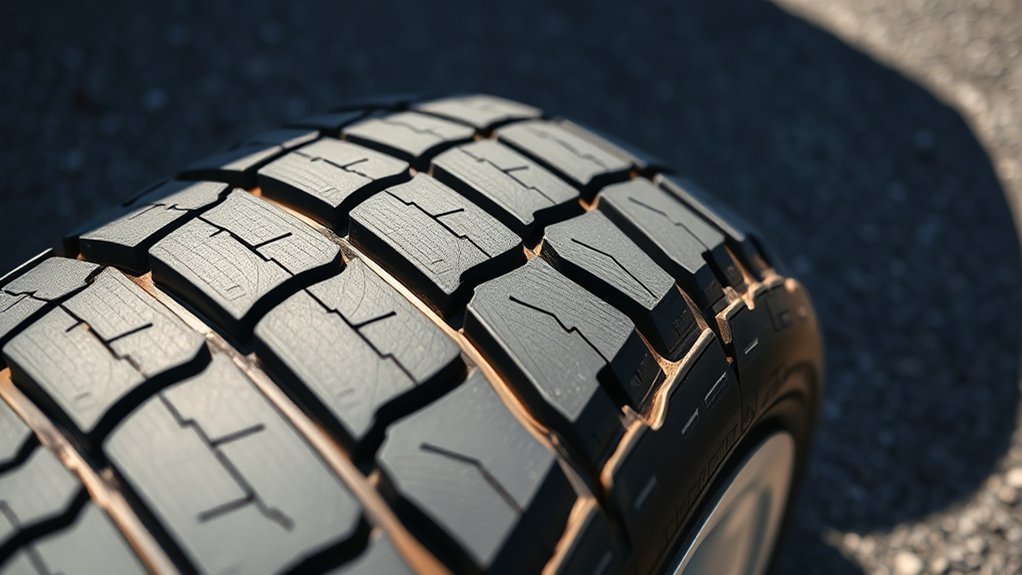
Tire design affects how the contact patch behaves under load. Tread pattern, rubber compound, sidewall stiffness, tire width, aspect ratio, and internal construction all influence how the tread stays planted during braking, cornering, and wet-road driving.
Tread Design Variations
Tread pattern changes how water moves away from the patch and how the tire grips dry, wet, or light-snow surfaces. A touring all-season tire may emphasize comfort and long wear. A performance all-season tire may trade some ride softness for sharper steering. A winter tire uses a different compound and siping pattern to stay flexible in cold weather.
- All-season touring tread: balanced comfort, road noise, tread life, and everyday traction.
- Performance tread: sharper response and dry/wet grip, often with shorter tread life.
- Winter tread: better cold-weather flexibility and snow grip, but not ideal for warm-season use.
Sidewall Stiffness Influence
Sidewall stiffness affects how quickly the tire responds to steering. A stiffer sidewall can make the Sonata feel more precise, while a softer sidewall can improve ride comfort. Either design still needs the correct pressure, because underinflation causes excess flex and heat even if the tire feels comfortable.
Profile Height Effects
Profile height is the tire’s sidewall height compared with its width. Lower-profile tires often feel more responsive because they flex less, but they may ride more firmly and can be more vulnerable to pothole damage. Higher-profile tires can ride more comfortably, but they may feel less sharp during fast steering inputs. Use sizes approved for your vehicle rather than choosing only by appearance.
Regular Maintenance for a Healthy Contact Patch
Regular maintenance keeps the contact patch even and predictable. Start with tire pressure, then inspect tread depth, sidewalls, wear patterns, valve stems, and wheel condition.
[Products Worth Considering]
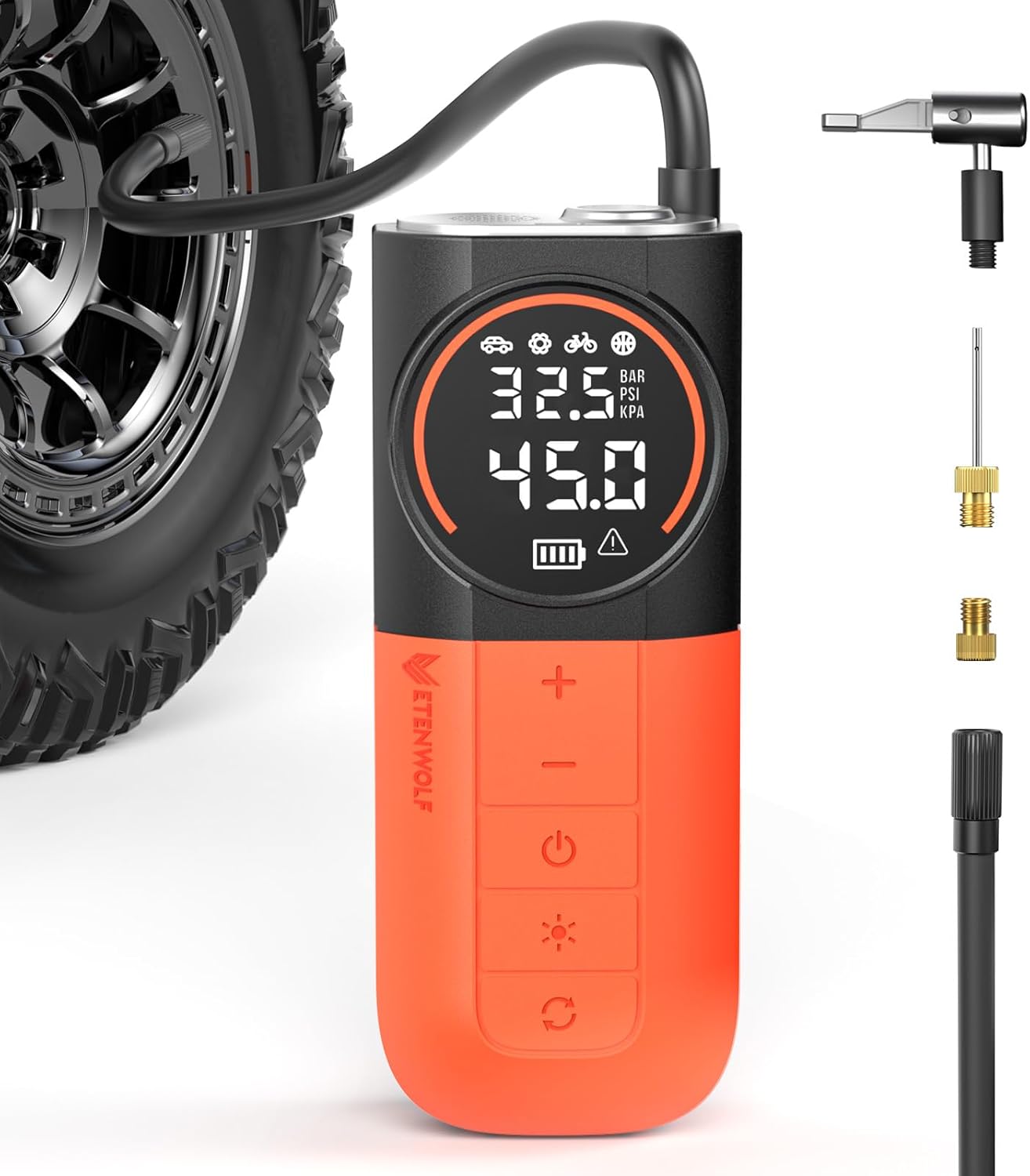
The ETENWOLF S1 cordless tire inflator delivers ultra-fast inflation with up to 160 PSI and a 20 L/min airflow for quicker tire top-offs. Its 5200mAh battery and cooling system support inflating many tires and sports balls on a single charge, while the digital pressure gauge and multi-unit display help you reach the right pressure accurately. With preset modes, pressure memory, an auto-stop feature, and an LED flashlight, it’s built for easy roadside and everyday use.

This portable cordless tire inflator delivers fast, efficient inflation for cars, motorcycles, bikes, and sports balls with a digital pressure gauge. Use the one-click PSI preset with auto shut-off for accurate, hands-free topping to your target pressure up to 150 PSI. It’s compact and rechargeable with a built-in emergency LED light plus valve adapters and accessories for quick, ready-to-go use.
Check Tread Depth and Tire Damage
Tread provides the biting edges that help the Sonata grip wet or slippery roads. Replace tires when they reach 2/32 inch of tread depth or when treadwear bars are level with the surrounding tread. For better wet-road safety, many drivers replace tires before reaching the legal minimum, especially in rainy climates.
Also look for cracks, cuts, bulges, exposed cords, nails, sidewall bubbles, or repeated pressure loss. Those signs can mean the tire is unsafe even if tread depth looks acceptable.
Rotate Tires on Schedule
Rotation helps the four tires wear more evenly, which keeps the contact patches more consistent from front to rear. Follow your Sonata owner’s manual or maintenance schedule. If no special tire-size restriction applies, many passenger vehicles use a rotation interval around 5,000 to 8,000 miles.
Use the Right Replacement Tires
When buying tires, use the Sonata’s placard and manual as your baseline. Choose the correct size, load index, speed rating, and season type. If you are changing wheel size, installing winter tires, or switching to a different load rating, confirm the fitment with a qualified tire professional.
The Importance of Alignment and Balancing for Tire Performance
Alignment controls the angles at which the tires meet the road. If alignment is off, one or more tires may scrub instead of rolling smoothly. That can shrink the effective contact area, cause uneven wear, pull the car left or right, and reduce steering confidence.
Balancing helps the tire and wheel assembly rotate smoothly. An out-of-balance tire can create vibration through the steering wheel, seat, or floor, especially at highway speeds. Vibration can make the tire bounce slightly instead of staying planted, which weakens consistent road contact.
Have alignment and balancing checked if you notice pulling, vibration, steering-wheel shake, uneven wear, a crooked steering wheel, or a problem after hitting a pothole or curb. New tires should also be balanced during installation.
How Seasonal Changes Affect Tire Contact Patch Efficiency
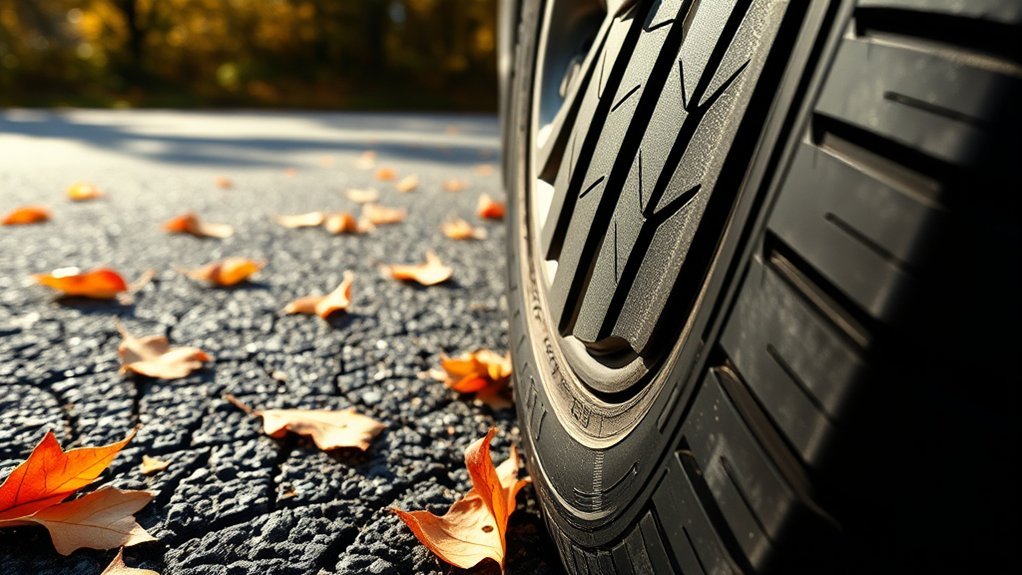
Seasonal temperature swings change tire pressure. As a practical rule, tire pressure changes by about 1 PSI for every 10°F change in ambient temperature. Cold weather can make pressure drop overnight, while hot weather or highway driving can make warm tire readings higher than cold readings.
| Season or Condition | What Happens | What to Do |
|---|---|---|
| Cold weather | Pressure drops, sidewalls flex more, and TPMS may turn on. | Check cold PSI and inflate to the placard value. |
| Hot weather | Warm readings may be higher after driving. | Do not bleed air from hot tires unless they are dangerously overinflated; recheck cold. |
| Rain or standing water | Worn tread moves less water and increases hydroplaning risk. | Slow down, check tread depth, and replace worn tires. |
| Snow or freezing conditions | Rubber compound and tread design matter more. | Consider proper winter tires where snow and ice are common. |
Tips for Optimizing Your Contact Patch for Better Traction and Safety
Good contact patch care is not about one trick. It is a routine that keeps all four tires evenly loaded, properly inflated, and in good condition.
- Check cold tire pressure monthly: Use the Sonata placard PSI and a reliable gauge.
- Inspect tread and sidewalls: Look for low tread, bulges, cracks, cuts, nails, cords, and uneven wear.
- Rotate tires as recommended: Even wear helps the front and rear contact patches stay predictable.
- Fix alignment symptoms early: Pulling, a crooked steering wheel, and feathered tread are signs to get checked.
- Balance tires when needed: Vibration at speed often points to imbalance, bent wheels, or tire damage.
- Use the correct tire type: Match your climate, driving style, and Hyundai’s size/load/speed requirements.
- Respect load limits: Heavy cargo and passengers change how the tires meet the road.
Troubleshooting Common Contact Patch Problems
| Symptom | Likely Cause | Next Step |
|---|---|---|
| Outer-edge wear on both shoulders | Often underinflation or aggressive cornering | Check cold PSI, inspect for heat damage, and adjust driving habits. |
| Center tread wear | Often overinflation or tire/load mismatch | Set cold PSI to the placard and verify tire specs. |
| Feathered or one-sided wear | Alignment problem or worn suspension component | Schedule alignment and suspension inspection. |
| Steering-wheel shake | Imbalance, bent wheel, tire separation, or uneven wear | Have the tire and wheel assembly inspected immediately. |
| Repeated low pressure in one tire | Puncture, valve leak, bead leak, cracked wheel, or TPMS valve issue | Do not keep topping it off indefinitely; get a leak inspection. |
Frequently Asked Questions
How many contact patches create traction?
Four contact patches create traction on your Sonata, one at each tire. Each patch is small, so pressure, tread depth, alignment, load, and tire condition all matter.
Can I lower tire pressure to get a bigger contact patch?
No. Lowering pressure below the placard PSI can increase sidewall flex, heat, shoulder wear, and tire-failure risk. Use Hyundai’s recommended cold PSI unless a qualified tire professional gives a safe, specific recommendation for your exact tires and use case.
Where is the correct Hyundai Sonata tire pressure listed?
Look on the driver-side Tire and Loading Information Label, usually on the door edge or B-pillar. You can also check the owner’s manual. Use that cold PSI, not the maximum PSI printed on the tire sidewall.
Does TPMS replace monthly tire pressure checks?
No. TPMS warns when pressure is significantly low, but it is not a substitute for routine maintenance. Check all tires with a gauge at least once a month and before long trips.
When should I replace Sonata tires for contact patch safety?
Replace tires when tread reaches 2/32 inch, when treadwear bars are flush with the tread, or sooner if you see bulges, exposed cords, cracks, repeated air loss, severe uneven wear, or age-related deterioration.
Conclusion
Your Hyundai Sonata’s tire contact patch is small, but it carries a big job. Keep it safe by checking cold tire pressure monthly, following the driver-door tire label, respecting load limits, rotating tires on schedule, monitoring tread depth, and fixing alignment, balance, or leak problems early. A well-maintained contact patch gives your Sonata better steering feel, stronger braking confidence, longer tire life, and safer traction in changing weather.
Sources
- NHTSA TireWise — tire pressure, tread depth, rotation, alignment, TPMS, and tire-safety maintenance guidance.
- 49 CFR 571.138, Tire Pressure Monitoring Systems — federal TPMS owner-manual language and underinflation safety warnings.
- Hyundai Manuals & Warranties — owner’s manual and vehicle-specific maintenance reference.
- Bridgestone Tire Inflation Guidance — cold-pressure checks, monthly inspection, sidewall max PSI clarification, and temperature effects.
- Michelin Tire Load Rating and Speed Rating Guide — load index, speed rating, service description, and replacement tire guidance.
- NHTSA / FuelEconomy.gov TPMS Effectiveness Report — underinflation and overinflation effects on handling, stopping distance, tire wear, and fuel economy.

Related Articles

Danger of Using Summer Tires in Winter on a Hyundai Sonata
Potentially perilous, using summer tires in winter on your Hyundai Sonata can compromise safety—discover the hidden dangers that await you on icy roads.
Read More
Can You Mix Nitrogen and Air in Hyundai Sonata Tires? Answered
Discover the implications of mixing nitrogen and air in your Hyundai Sonata tires—are the benefits worth the risks? Explore the answer inside!
Read More
How to Tell If Hyundai Sonata Tires Are Too Old to Use Safely
Understand how to assess the age of your Hyundai Sonata tires and discover crucial signs of deterioration that could compromise your safety on the road.
Read More