
Hyundai Sonata Tire Sidewall Damage: Can It Be Repaired?
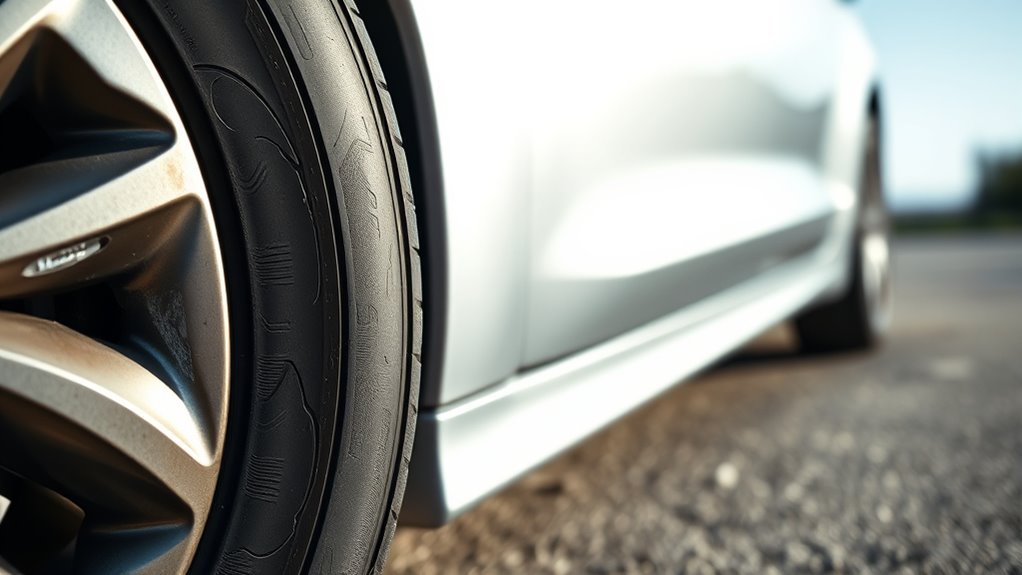
If your Hyundai Sonata has tire sidewall damage, the safest answer is usually simple: replace the tire, do not try to make a permanent repair. The sidewall carries load, flexes constantly, and protects the tire’s internal structure. A cut, puncture, bulge, or exposed cord in that area can increase the risk of sudden tire failure, especially at highway speeds.
Quick Answer
A Hyundai Sonata tire with true sidewall damage should not be repaired for normal road use. Industry repair guidance limits proper repairs to certain tread-area punctures only. If the damage is on the sidewall or shoulder, install the spare if safe, call roadside assistance, and replace the damaged tire.
Key Takeaways
- Sidewall and shoulder damage is not considered repairable for normal highway use.
- A repairable puncture is usually limited to the tread area, no larger than ¼ inch or 6 mm, and must be inspected from inside the tire.
- GlueTread-style products are for off-road emergency recovery, not a permanent repair for a road-going Hyundai Sonata.
- If you see a bulge, exposed cords, a deep cut, or air loss from the sidewall, stop driving as soon as it is safe.
At a Glance
| Time Required | 5–10 minutes to inspect; more time if you need roadside assistance or a tow |
| Difficulty | Easy for visual inspection; tire replacement should be handled safely with proper tools or by a technician |
| Tools Needed | Flashlight, tire pressure gauge, spare tire or mobility kit if equipped, and roadside assistance if the tire is unsafe |
| Cost | Varies by tire size, brand, speed rating, labor, and whether one or more tires must be replaced |
What to Know About Sidewall Damage on Your Hyundai Sonata
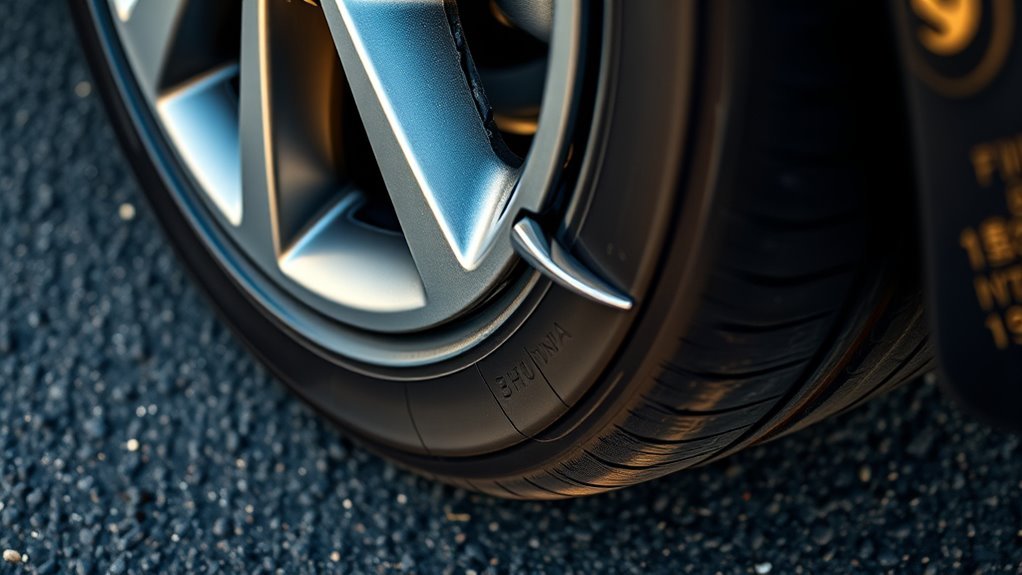
Sidewall damage is different from a small nail in the center of the tread. The sidewall is the flexible area between the tread and the wheel rim, and it bends every time the tire rolls, corners, brakes, or hits a pothole. That constant flexing is why a patch that might work in the tread area is not considered safe on the sidewall.
Industry guidance from the Tire Industry Association says puncture repairs are limited to the center of the tread area, and damage in the shoulder or sidewall is not repairable. The U.S. Tire Manufacturers Association also limits puncture repairs to the tread area and warns against repairs where the injury extends into the shoulder or belt-edge area.
Warning: Do not keep driving on a Hyundai Sonata tire with a sidewall bulge, exposed cords, a deep cut, or active air loss. Slow down, avoid hard steering or braking, and pull over somewhere safe.
[Products Worth Considering]

EVOULTES heavy duty tire inflator with an integrated gauge delivers accurate pressure readings from 10–120 PSI, helping you inflate, deflate, and check tires in one tool. The 16.5-inch extended dual-head air chuck with swivel base reaches hard-to-access dual wheel valves on trucks and RVs. A brass trigger core and side-mounted air release valve make operation smooth, with standard 1/4" NPT threading and quick-connect compatibility for easy setup.

This multi-function tire valve stem removal tool set makes it fast to remove, install, bleed, and clean valve cores for easier tire maintenance. It includes valve core removers, a 4-way spool tool, replacement valve caps, and spare cores to handle replacements and repairs with confidence. Universal compatibility suits cars, trucks, motorcycles, bicycles, and more for roadside convenience.

The JACO FlowPro Tire Inflator measures, inflates, and airs down tires up to 100 PSI with battery-free operation and ±2% accuracy after calibration. It features a glowing pressure dial for night visibility, a heavy-duty steel build with a hybrid hose, and a precision push-to-inflate thumb trigger. The patented Lightning Air Chuck locks on for a secure seal, and the kit includes quick-connect hardware for easy inline use with your air compressor.
How to Identify Tire Sidewall Damage
Not every mark on a tire is equally dangerous, but sidewall damage deserves caution. Look for these signs:
- Cuts or slices: Any deep cut in the sidewall can weaken the tire body.
- Bulges or bubbles: A bulge usually means internal cord damage. Replace the tire.
- Exposed cords or fabric: This is structural damage, not cosmetic wear.
- Sidewall punctures: Nails, screws, glass, or road debris in the sidewall area are not safe permanent repairs.
- Cracking or dry rot: Small surface checking may be age-related, but deep cracks or widespread cracking require inspection and often replacement.
- Shoulder damage: Damage near the edge of the tread, where the tread curves into the sidewall, is usually outside the safe repair zone.
If the damage is only a light scuff with no bulge, no exposed cords, and no air loss, a tire technician may decide it is cosmetic. If there is any doubt, treat it as unsafe until inspected.
What to Do Immediately If You Find Sidewall Damage
- Do not ignore it. Sidewall damage can worsen quickly under load and heat.
- Check tire pressure only if it is safe. Do not put your face or body close to a visibly damaged sidewall.
- Avoid highway driving. Higher speeds create more heat and stress.
- Use the spare or tire mobility kit only as your owner’s manual allows. Check your Sonata’s tire label, spare-tire instructions, and Hyundai owner’s manual for the correct procedure.
- Call roadside assistance or a tow truck if needed. A tow is cheaper than risking a blowout.
- Have the tire removed and inspected. External damage can hide internal tire damage.
Note: Your Hyundai Sonata’s correct tire pressure and tire size are listed on the driver-side door-jamb tire placard. Use that label, not the maximum pressure printed on the tire sidewall.
The Risks of DIY Tire Sidewall Repairs
DIY sidewall repairs are risky because they can make a damaged tire look usable without restoring the tire’s internal strength. A sidewall patch, glue, plug, or sealant may slow an air leak, but it does not make the tire equivalent to an undamaged tire.
Safety Risks Involved
The biggest risk is sudden tire failure. The sidewall flexes constantly, and that movement can pull at a patch or reopen a damaged area. Heat, load, cornering force, and pothole impacts can all stress a weakened sidewall.
Proper tire repair standards also require the tire to be removed from the wheel so the inside can be inspected. Michelin explains that a repair must involve removal from the wheel for inspection and that sidewall damage ruins a tire immediately. Goodyear also lists repair eligibility as tread-area-only damage no larger than ¼ inch.
Liability and Practical Concerns
A DIY repair can also create practical problems if the tire fails later. A shop may refuse to service a tire that has been patched in the sidewall, and a roadside failure can damage the wheel, suspension, fender liner, or other parts of the vehicle. The safer choice is to replace the damaged tire and keep documentation from the tire shop.
Can Any Tire Damage Be Repaired?
Yes, but only certain damage qualifies. A small puncture in the center tread area may be repairable when all of these conditions are met:
- The puncture is in the tread area, not the shoulder or sidewall.
- The injury is no larger than ¼ inch or 6 mm.
- The tire was not driven while flat or severely underinflated.
- The tire has enough remaining tread depth.
- The tire is removed from the wheel and inspected from the inside.
- The repair uses a proper combination patch-plug method, not a string plug alone.
If the damage falls outside those limits, replacement is the safe answer.
User Experiences With GlueTread Sidewall Repairs
GlueTread products are popular among off-road drivers because they can help recover a vehicle after trail damage. That context matters. The official GlueTread Full-Size Sidewall Kit is described for off-road sidewall repair and marked for off-road use only.
Real-Life Repair Experiences
For off-road vehicles, UTVs, ATVs, tractors, and trail rigs, an emergency sidewall patch can help a driver get back to camp, the trailhead, or a safer location. That does not make the same repair suitable for a Hyundai Sonata used on public roads.
If your Sonata has sidewall damage, do not rely on off-road repair testimonials as proof that the tire is safe for commuting, highway driving, family trips, or wet-road braking.
Performance Under Pressure
Even when a temporary off-road patch holds air, the tire remains damaged. Road-speed heat, sustained load, and repeated flexing can create conditions very different from slow off-road recovery. Use any emergency product only within the product instructions and only as a short-term way to reach a safe repair or replacement point.
Professional Recommendations for Tire Damage
A trained tire technician can determine whether damage is cosmetic, repairable tread damage, or non-repairable structural damage. For sidewall or shoulder damage, most reputable tire shops will recommend replacement because the tire cannot be restored to safe normal service.
- Replace the tire immediately if there is a bulge, exposed cord, deep cut, sidewall puncture, or air leak.
- Ask the shop to inspect the inside of the tire if the damage began as a puncture or if the tire was driven low on air.
- Match the tire correctly by size, load rating, speed rating, and type.
- Check tread depth on the other tires before replacing only one tire, especially if the remaining tires are worn.
Pro Tip: Before approving a replacement, ask the tire shop to show you the damage location and explain whether it is in the tread, shoulder, or sidewall. A clear explanation helps you avoid both unsafe repairs and unnecessary replacements.
[Products Worth Considering]

This AUTOWN flat tire repair kit is designed for quick, reliable puncture repairs using a plug kit and spiral probe tool to simplify installation. Built for durability and safe handling, it offers strong adhesion and flexibility to help maintain tire air tightness. With a portable storage case and a multi-vehicle approach, it’s suitable for cars, motorcycles, ATVs, tractors, lawn mowers, RVs, jeeps, and trucks.

This portable cordless tire inflator delivers up to 160 PSI with fast 17 L/min airflow to help you quickly top up tires and get back on the road. It features dual power mode, running on a 21V rechargeable battery or a 12V DC adapter for convenient roadside use. An automatic shut-off with digital pressure gauge helps prevent overinflation, and a built-in LED light improves visibility in low-light conditions.
GlueTread Repair Process Explained
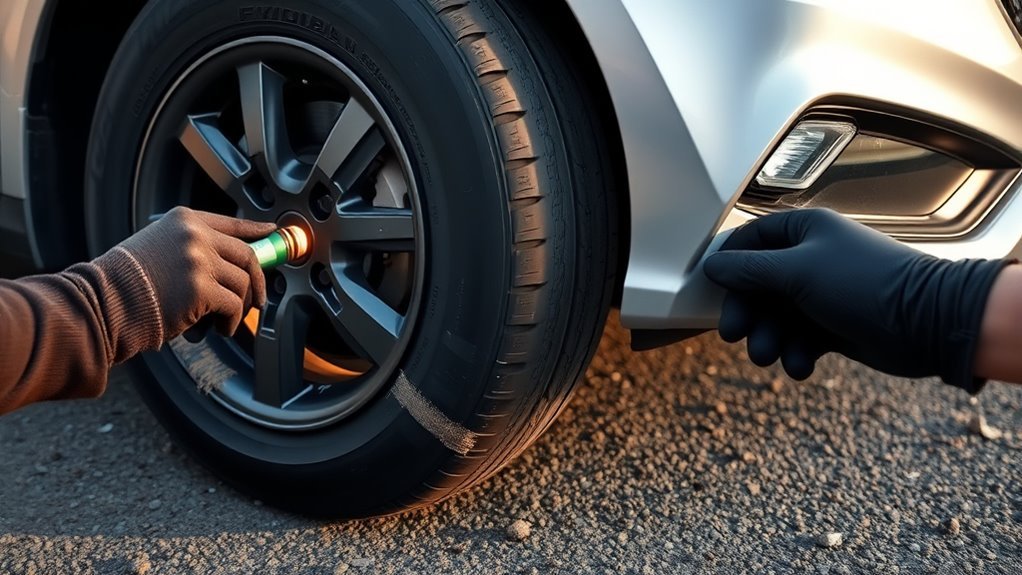
The GlueTread-style process usually involves cleaning and sanding the damaged area, applying adhesive, placing a rubber patch, applying pressure, allowing the adhesive to cure, and reinflating the tire according to the product instructions. Some kits have changed over time, so always follow the current instructions included with the kit you have.
For a Hyundai Sonata, this process should not be treated as a road-going repair. It is best understood as an off-road emergency recovery method for vehicles that need to move slowly to a safer location. Once the vehicle is back to a service area, the tire should be replaced.
Repair vs. Replacement Costs
A proper tread-area puncture repair is usually less expensive than a new tire, but sidewall damage changes the decision. If the sidewall is damaged, the question is not whether a cheaper patch might hold air for a while. The question is whether the tire can safely carry the vehicle, passengers, and highway loads. For sidewall damage, replacement is the safer choice.
Replacement cost depends on your Sonata’s tire size, tire brand, speed rating, load rating, local labor rates, balancing, valve stem or TPMS service, and whether the shop recommends replacing one tire, a pair, or a full set. If the other tires are nearly new, one matching replacement may be acceptable. If they are worn, the shop may recommend replacing two tires on the same axle or a full set for consistent handling.
Should You Buy a Used Tire?
A used tire may look like a cheaper option, but inspect it carefully. Avoid any used tire with sidewall repairs, bulges, cracks, uneven wear, exposed cords, old age, or an unclear history. A used tire should match the correct size, load rating, speed rating, and tread pattern as closely as possible. When safety is the priority, a properly selected new tire is usually the cleaner choice.
Is GlueTread a Reliable Solution for Sidewall Damage?
GlueTread can be useful for the purpose it is designed for: off-road emergency tire recovery. It should not be presented as a safe permanent repair for a Hyundai Sonata that will be driven on public roads. The better road-use decision is to replace a tire with true sidewall damage.
So, is GlueTread “reliable”? For off-road recovery, many drivers carry it as an emergency tool. For daily driving, highway speeds, wet braking, and passenger safety in a Sonata, it is not a substitute for a sound tire.
Frequently Asked Questions
How much does it cost to repair sidewall tire damage?
For normal road use, sidewall tire damage should not be repaired. The realistic cost is the cost of replacing the tire, which varies by tire size, brand, rating, shop labor, and whether one or more tires must be replaced.
Is it safe to drive on a tire with sidewall damage?
It is not safe to keep driving on a tire with a sidewall bulge, deep cut, puncture, exposed cords, or air leak. Pull over safely, avoid highway speeds, and use a spare, tow, or roadside assistance.
Can a tire shop fix the sidewall of a tire?
A reputable tire shop generally will not perform a permanent sidewall repair. Industry repair standards limit proper puncture repairs to the tread area, and sidewall or shoulder damage means the tire should be replaced.
What if the sidewall damage is only a small scrape?
A light surface scuff may be cosmetic if there is no air loss, bulge, cracking, or exposed cord. Still, have a tire technician inspect it if you are unsure. A small-looking mark can hide deeper damage.
Can I use a plug on a Hyundai Sonata sidewall puncture?
No. A plug is not a safe permanent repair for sidewall damage. Even for eligible tread punctures, a plug alone is not considered a proper repair because the tire must be inspected from the inside and repaired with a patch-plug method.
Do I need to replace all four tires after one sidewall-damaged tire?
Not always. If the other tires are nearly new, one matching tire may be enough. If the other tires are worn, replacing two tires on the same axle or all four may improve handling consistency. Ask the shop to measure tread depth before deciding.
Conclusion
Sidewall damage on a Hyundai Sonata is not the place to gamble with a DIY repair. A small tread puncture may be repairable when it meets strict repair standards, but sidewall and shoulder damage usually means tire replacement. GlueTread and similar products may help in off-road emergencies, but they are not a safe permanent fix for a road-going Sonata. For daily driving, replace the damaged tire and have the rest of your tires inspected for wear, age, and proper inflation.
Sources
- Tire Industry Association — Tire Repair — backs up tread-only repair limits and the non-repairability of shoulder/sidewall damage.
- U.S. Tire Manufacturers Association — Puncture Repair Handout — backs up ¼ inch / 6 mm puncture limit and proper repair-zone guidance.
- Michelin — Can My Tire Be Repaired? — backs up tire removal, internal inspection, patch-plug repair, and sidewall damage guidance.
- Goodyear — Tire Repair — backs up tread-only repair criteria and ¼ inch damage limit.
- GlueTread — Full-Size Sidewall Kit — backs up off-road-use-only context for GlueTread sidewall products.
- Hyundai Owner’s Manual Portal — source for vehicle-specific tire pressure, spare-tire, and safety instructions.

Related Articles

Danger of Using Summer Tires in Winter on a Hyundai Sonata
Potentially perilous, using summer tires in winter on your Hyundai Sonata can compromise safety—discover the hidden dangers that await you on icy roads.
Read More
Can You Mix Nitrogen and Air in Hyundai Sonata Tires? Answered
Discover the implications of mixing nitrogen and air in your Hyundai Sonata tires—are the benefits worth the risks? Explore the answer inside!
Read More
How to Tell If Hyundai Sonata Tires Are Too Old to Use Safely
Understand how to assess the age of your Hyundai Sonata tires and discover crucial signs of deterioration that could compromise your safety on the road.
Read More