
Hyundai Sonata Hub Bore (Center Bore) Size: All Years Listed
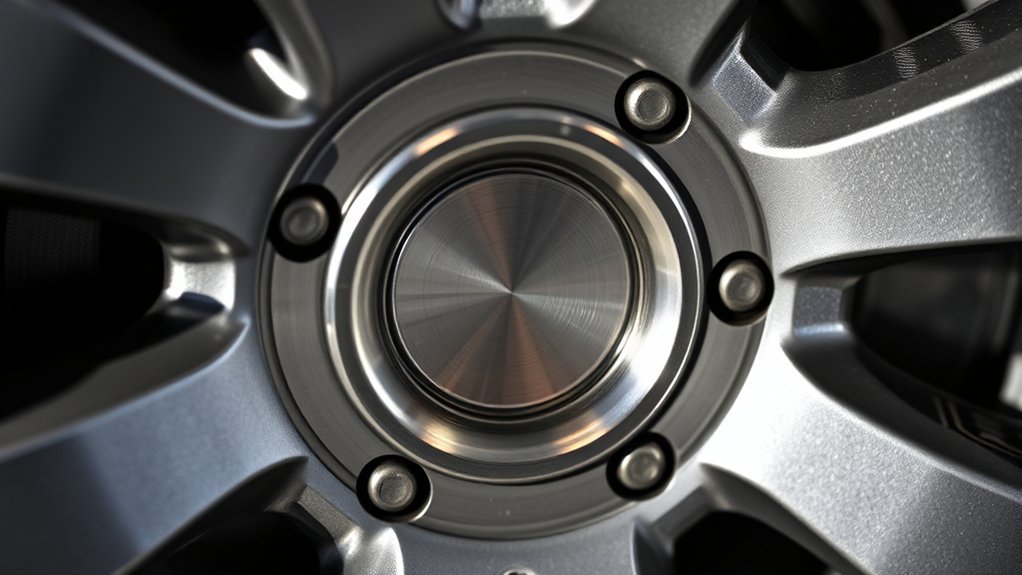
For most modern Hyundai Sonata models, the hub bore—also called the center bore—is commonly listed as 67.1 mm. That small measurement matters because it helps the wheel sit centered on the hub. Before buying aftermarket rims, confirm your Sonata’s exact year, market, trim, bolt pattern, offset, and lug hardware so the wheel fits safely and rides smoothly.
Quick Answer
Most modern Hyundai Sonata fitment listings, especially for 2006 and newer US-market models, use a 67.1 mm hub bore. A wheel with a smaller center bore will not seat correctly. A wheel with a larger center bore may need properly sized hub-centric rings to help center the wheel and reduce vibration.
Key Takeaways
- The most common Hyundai Sonata hub bore size for modern models is 67.1 mm.
- For many 2006+ Sonata models, the common bolt pattern is 5×114.3 mm, with M12 x 1.5 lug hardware.
- If an aftermarket wheel’s center bore is larger than 67.1 mm, a hub-centric ring can help center the wheel.
- Do not install a wheel with a center bore smaller than the vehicle hub unless the wheel is professionally machined for that exact application.
- Always confirm fitment with your exact year, trim, market, wheel size, offset, tire size, and owner’s manual torque spec.
At a Glance
| Time Required | 5–10 minutes to measure the hub bore; longer if removing a wheel |
| Difficulty | Easy measurement; professional installation recommended if you are unsure |
| Tools Needed | Digital caliper, clean rag, flashlight, torque wrench if reinstalling a wheel |
| Cost | Usually $0 if you already have calipers; hub-centric rings are typically inexpensive |
The Definitive Hub Bore Size for Most Modern Hyundai Sonata Models
The commonly listed Hyundai Sonata hub bore size is 67.1 mm for most modern models, including many 2006 and newer Sonata fitment listings. This is the measurement of the raised hub pilot on the vehicle and the matching center opening on a hub-centric wheel.
Do not treat that number as the only fitment spec, though. A wheel also needs the correct bolt pattern, lug hardware, offset, width, tire size, brake clearance, and load rating. For example, many modern Sonata listings use a 5×114.3 mm bolt pattern and M12 x 1.5 lug hardware, but you should still confirm the exact specs for your model year and market before ordering rims.
Note: Some older or international fitment databases may round 67.1 mm to 67 mm. For wheel shopping, use the exact value required by your vehicle and wheel supplier, and verify with a caliper when possible.
[Products Worth Considering]

Upgrade your wheels with MIKKUPPA closed-end lug nuts designed for reliable fit and corrosion resistance. The one-piece, cold-forged and heat-treated steel construction helps resist rust and stripping, while the integrated finish delivers a durable black appearance. Built to OEM standards with a conical 60-degree seat, these nuts provide a secure solution for compatible Ford, Honda, Jeep, and Chevrolet models.

These M14x1.5 closed-end chrome lug nuts are a one-piece replacement designed for secure fitment on compatible GM, Ford, and select Chrysler/Dodge models. Featuring a 60-degree conical seat and anti-rust chrome plating, they help resist corrosion and maintain a bright look for everyday driving. Built for long-term durability, they include OEM-style part references and are backed by 12 months of support.

The Trivd Frol 1/2" air impact wrench delivers high performance torque up to 1500 ft-lbs with a twin hammer impact mechanism for strong, balanced blows. It features an ergonomic grip, compact lightweight design, and quick-stop control with 3 forward speeds up to 8000 RPM plus a reverse speed. Built for demanding automotive repair and tire shop work, the rear exhaust helps keep debris away from the surface.
Why Hub Bore Matters for Fitment and Safety
The hub bore helps center the wheel on the hub before the lug nuts are fully torqued. When the wheel is centered correctly, it is less likely to create steering-wheel shake or high-speed vibration. The lug nuts still do the clamping, so the wheel must also sit flat against the hub and be tightened to the proper torque.
Essential Measurement Accuracy
Accurate measurement matters because a small difference can change how the wheel seats. A center bore that is too small will not fit over the hub. A center bore that is larger than 67.1 mm can often be used only if the wheel has the correct bolt pattern, offset, lug seat, load rating, and a proper centering solution such as a hub-centric ring.
Use a digital caliper instead of guessing from a product photo or seller description. Measure the hub pilot on the car and the center bore on the wheel, then compare both numbers.
Impact on Installation Safety
Correct wheel installation is about more than the bore size. The wheel must sit flush against the hub face with no rust flakes, dirt, gravel, or paint buildup trapped between the surfaces. If there is poor contact between the wheel and hub, the wheel nuts can loosen.
Warning: Do not drive on a wheel that does not sit flat against the hub or uses the wrong lug nuts. Hyundai owner guidance lists a wheel-nut torque range of 11–13 kgf·m, or 79–94 lbf·ft, for the referenced owner-manual procedure, but you should always confirm the exact torque spec in your Sonata owner’s manual.
| Center Bore Situation | What It Means | Best Action |
|---|---|---|
| 67.1 mm wheel bore | Common hub-centric fit for many modern Sonatas | Still confirm bolt pattern, offset, wheel width, and lug seat |
| Larger than 67.1 mm | May fit over the hub but may not center tightly | Use the correct hub-centric ring if the wheel design accepts one |
| Smaller than 67.1 mm | Will not seat correctly over the hub | Do not install unless a qualified wheel professional confirms safe machining |
Consequences of Incorrect Sizing
A wheel with the wrong center bore can cause installation problems, vibration, and poor seating. If the bore is too large, the lug nuts may still clamp the wheel, but the wheel can be harder to center perfectly during installation. That is where hub-centric rings can help. If the bore is too small, the wheel should not be forced onto the hub.
The most serious safety risk comes from a wheel that is not seated flat, uses the wrong hardware, has damaged studs, or is not torqued correctly. That is why hub bore should be checked alongside the full wheel-fitment package.
Hyundai Sonata Hub Bore by Generation and Year
Most modern Hyundai Sonata fitment listings show 67.1 mm, but older models and non-US-market listings may be rounded or listed differently depending on the source. Use the chart below as a starting point, not a substitute for checking your exact vehicle.
| Sonata Era | Common Hub Bore Listing | Fitment Note |
|---|---|---|
| Older Sonata generations | Often shown as 67 mm or 67.1 mm depending on database rounding | Measure directly before buying aftermarket wheels |
| 2006–2010 Sonata | Commonly listed as 67.1 mm | Also confirm bolt pattern, offset, and brake clearance |
| 2011–2019 Sonata | Commonly listed as 67.1 mm | Many listings also show 5×114.3 mm bolt pattern and M12 x 1.5 hardware |
| 2020–2026 Sonata | Commonly listed as 67.1 mm | Trim, tire size, wheel width, and offset can vary |
Debunking Common Misconceptions About Sonata Hub Sizes
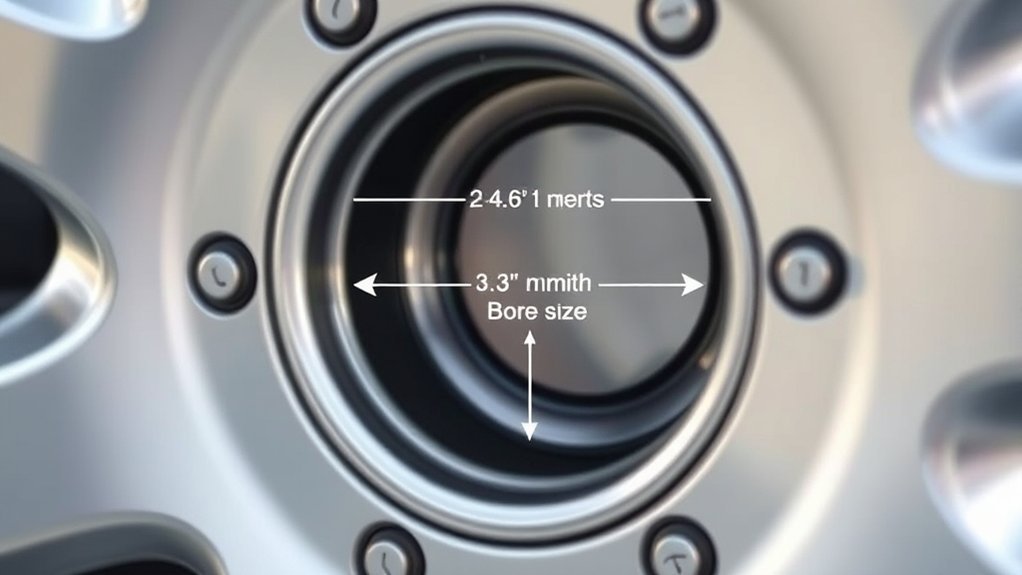
Misunderstood Measurements Clarified
The biggest confusion is the difference between 67 mm and 67.1 mm. In casual listings, 67.1 mm is sometimes rounded to 67 mm. For wheel fitment, however, use the exact figure supplied by a trusted fitment source, wheel manufacturer, or your own caliper measurement.
Another common mistake is assuming hub bore alone decides whether a rim fits. It does not. A wheel can have the right 67.1 mm center bore and still be wrong if the bolt pattern, offset, wheel width, brake clearance, lug seat, or tire size is not compatible.
Importance of Accurate Sizing
Accurate sizing helps avoid vibration, rubbing, poor brake clearance, and installation issues. If you are buying used wheels, measure them yourself. If you are buying new aftermarket wheels, ask the seller for the exact center bore, lug seat type, offset, and wheel load rating.
Pro Tip: Hub-centric rings are usually sized as outer diameter to inner diameter. For example, a 73.1 mm to 67.1 mm ring fits a wheel with a 73.1 mm center bore onto a Sonata hub that measures 67.1 mm.
How Do I Accurately Measure My Sonata’s Hub Bore?
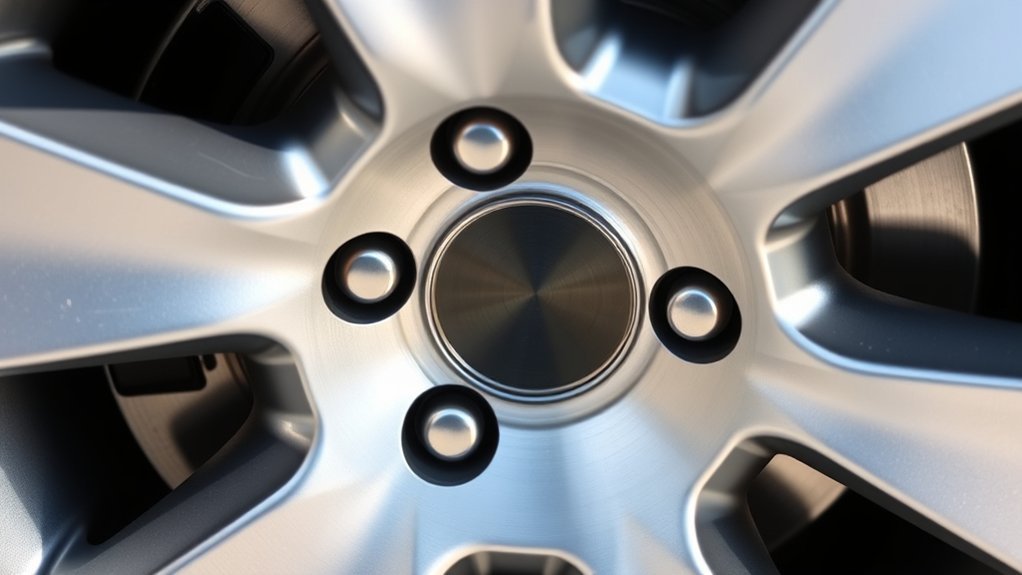
To measure your Sonata’s hub bore, use a digital caliper and measure the outside diameter of the hub pilot—the raised circular lip at the center of the wheel hub. If you are measuring the wheel instead, measure the inside diameter of the wheel’s center opening.
- Park on level ground and follow safe wheel-removal procedures if the wheel must come off.
- Clean the hub pilot and wheel center bore so rust or dirt does not affect the reading.
- Open the digital caliper and place it squarely across the hub pilot.
- Keep the caliper perpendicular to the bore, not angled.
- Read the measurement in millimeters.
- Repeat the measurement in a second direction to confirm consistency.
- Compare the hub measurement with the wheel’s center bore measurement.
| Measurement Technique | Why It Matters |
|---|---|
| Use a digital caliper | Gives a more precise reading than a tape measure |
| Measure straight across | Angled calipers can create a false reading |
| Clean the hub first | Rust, paint, and debris can affect fitment |
| Document the size | Helps when buying wheels or hub-centric rings later |
[Products Worth Considering]

The 22800 wheel stud installer makes replacing wheel studs quick and secure, saving time and effort during tire service. It uses a ratchet or impact wrench to pull new studs firmly into place, helping when existing studs are too long. Compatible with most automotive wheels and light-duty truck wheel studs, it’s designed for easy, tool-assisted installation.

Upgrade your wheels with MIKKUPPA M12x1.5 mag seat lug nuts built for secure, corrosion-resistant performance. These closed-end chrome lug nuts are a direct replacement for select Toyota models, including Camry, Corolla, RAV4, Sienna, Avalon, Highlander, Matrix, Venza, and Prius. Triple-chromium plating and cold-forged, heat-treated steel help deliver strength for daily driving and replacement needs.

This 1/2-inch drive breaker bar delivers powerful leverage for loosening and tightening stubborn lug nuts and automotive fasteners. The 180-degree flex head helps you reach tight spaces at the angle you need, making tire and brake jobs easier. A spring-loaded ball detent design holds 1/2-inch sockets securely while the chrome-moly head provides durable strength for everyday use.
Essential Tips for Ensuring Rim Compatibility and Safety
Before installing aftermarket rims on a Hyundai Sonata, check every major fitment spec—not just the hub bore.
- Hub bore: commonly 67.1 mm on modern Sonata listings.
- Bolt pattern: many modern Sonatas use 5×114.3 mm.
- Thread size: many modern listings show M12 x 1.5 lug hardware.
- Offset: must keep the wheel away from the suspension, fender, and brake parts.
- Wheel width: affects tire fit, inner clearance, and fender clearance.
- Tire size: must keep overall diameter close enough for speedometer and clearance.
- Lug seat type: the lug nut seat must match the wheel seat.
- Load rating: the wheel must be rated for the vehicle’s weight.
- Torque: tighten lug nuts in a crisscross pattern to the spec in your owner’s manual.
A 67.1 mm center bore is only one part of Sonata wheel fitment. The safest wheel choice matches the center bore, bolt pattern, offset, width, tire size, lug hardware, and load rating.
What If My New Wheels Vibrate After Installation?
If your Sonata starts vibrating after new wheels are installed, do not assume the hub bore is the only cause. Work through the common causes in order:
- Check wheel balance. A balance issue is one of the most common causes of highway-speed vibration.
- Inspect hub-centric rings. If the wheel bore is larger than the hub, confirm the rings are the correct size and fully seated.
- Clean the hub face. Rust or debris can prevent the wheel from sitting flat.
- Confirm lug hardware. The thread size and seat type must match the vehicle and wheel.
- Verify torque. Recheck lug nuts with a torque wrench after installation according to the wheel or vehicle guidance.
- Check wheel and tire runout. A bent wheel or defective tire can mimic a hub-centering problem.
If the vibration continues, have a qualified tire shop inspect the installation before driving at highway speeds.
Frequently Asked Questions
What is the hub bore size on a Hyundai Sonata?
Most modern Hyundai Sonata fitment listings show a 67.1 mm hub bore. Because older models, market-specific versions, and aftermarket listings can vary or round measurements, confirm your exact year, trim, and wheel specs before buying rims.
What is the bolt pattern on a 2013 Hyundai Sonata?
A 2013 Hyundai Sonata is commonly listed with a 5×114.3 mm bolt pattern, 67.1 mm center bore, and M12 x 1.5 thread size. Always confirm wheel width, offset, tire size, and lug seat before installation.
Do I need hub-centric rings for Hyundai Sonata aftermarket wheels?
You may need hub-centric rings if the aftermarket wheel’s center bore is larger than the Sonata’s hub. For example, a wheel with a 73.1 mm bore on a 67.1 mm hub would typically use a 73.1-to-67.1 mm ring if the wheel design accepts rings.
Can I use wheels with a center bore smaller than 67.1 mm?
No. A wheel with a center bore smaller than the vehicle hub will not seat correctly. Do not force it onto the hub. Only use a smaller-bore wheel if a qualified wheel professional confirms it can be safely machined for your exact application.
What is the center bore on a Hyundai Elantra?
Many Hyundai Elantra fitment listings also show a 67.1 mm center bore, but Elantra specs can vary by year and market. Check the exact Elantra model year before assuming Sonata wheels will fit.
Is hub bore the same as center bore?
They are closely related terms. The vehicle’s hub bore or hub pilot is the raised center section on the hub. The wheel’s center bore is the center opening in the wheel that fits over that hub pilot.
Conclusion
The safest starting point for Hyundai Sonata wheel fitment is a 67.1 mm hub bore for most modern models, especially many 2006 and newer listings. But the center bore is only one piece of the puzzle. Check the bolt pattern, offset, wheel width, tire size, lug hardware, load rating, and torque spec before installing any wheel. When in doubt, measure your hub, verify the wheel specs, and have a qualified tire shop confirm the fit.
Sources
- AvtoReference — 2026 Hyundai Sonata wheel and tire sizes — supports current 2026 Sonata center bore, bolt pattern, thread size, offset, and wheel-size listings.
- AvtoReference — 2013 Hyundai Sonata wheel and tire sizes — supports 2013 Sonata center bore, bolt pattern, and thread size listings.
- Hyundai Owner’s Manual — Changing tyres — supports wheel seating, hub contact, and wheel-nut torque safety guidance.
- Tire Rack — What Is a Wheel Centerbore? — explains center bore, hub-centric fitment, and centering rings.
- Discount Tire — What Are Hub-Centric Rings? — explains hub-centric rings, oversized center bores, and vibration reduction.
[Products Worth Considering]
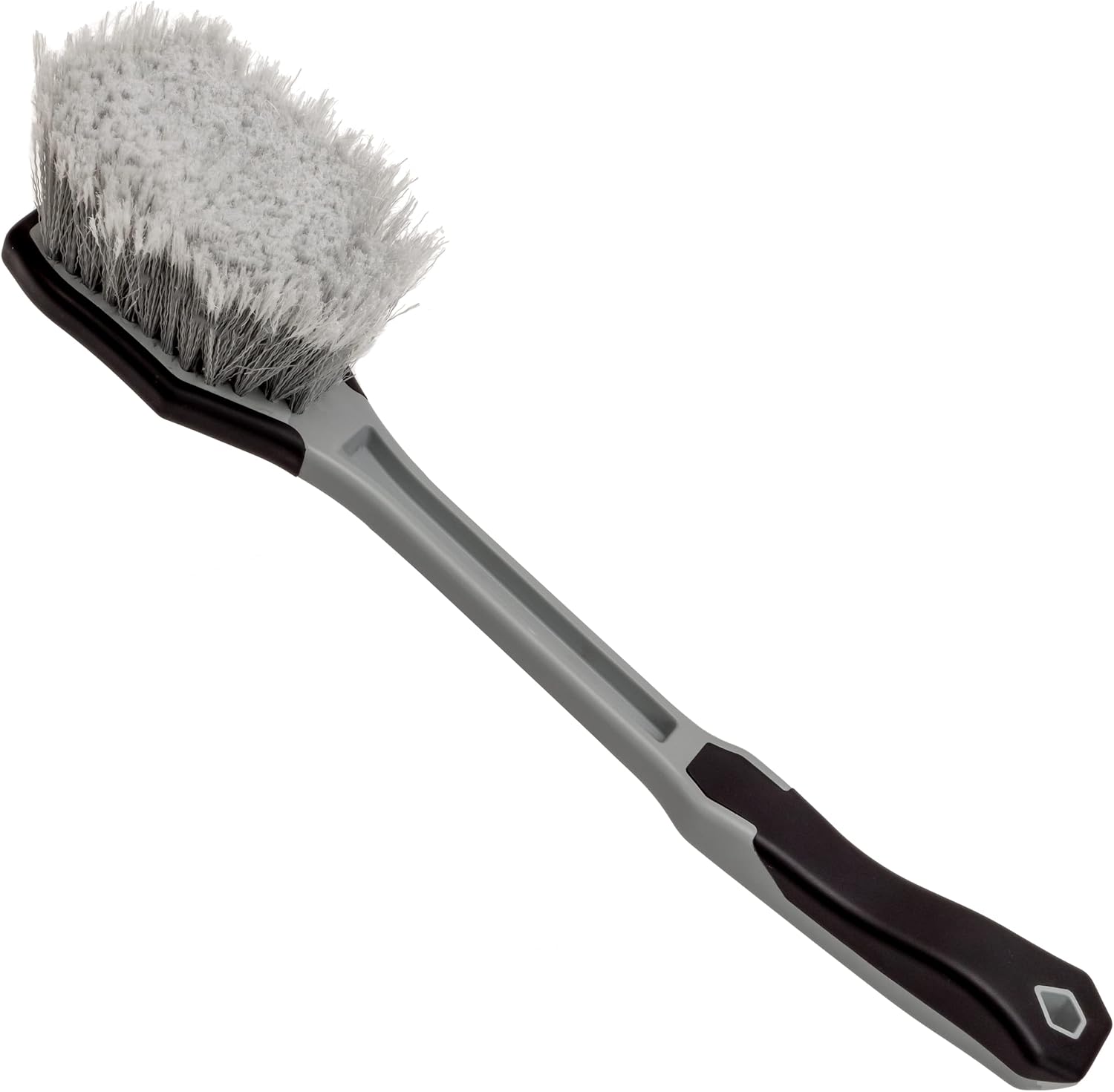
Clean grills, fenders, fender flares, bumpers, and wheel wells with a long-handled brush built for detailed car washing. The soft, triple-flagged bristles and dense scrub coverage help lift dirt gently while making coverage fast and easy. Use it with your favorite car wash soap for tires and exterior surfaces, and it also works for bike, motorcycle, boat, or RV cleaning.

Malco tire mounting and demounting lubricant is a ready-to-use tire lube formulated to reduce friction during tire installation for passenger cars, light trucks, farm tires, and heavy-duty equipment. It provides rust-inhibiting protection to help reduce corrosion on rims and wheels, and helps support proper tire bead seating during inflation to reduce air leakage. The silicone-free, soap-free formula is whitewall safe to help prevent discoloration on whitewall tires and sensitive sidewall markings.

Replace worn wheelchair rear tires with a universal 24x1 no-flat polyurethane foam option designed to mount tightly on 24-inch rims without the tire falling off. Installation is made easier with included tools and multiple methods, including using a pry bar or softening the tire in hot water to reduce resistance. The package includes two tires plus tie ropes for convenient fitting and handling.

Related Articles

Danger of Using Summer Tires in Winter on a Hyundai Sonata
Potentially perilous, using summer tires in winter on your Hyundai Sonata can compromise safety—discover the hidden dangers that await you on icy roads.
Read More
Can You Mix Nitrogen and Air in Hyundai Sonata Tires? Answered
Discover the implications of mixing nitrogen and air in your Hyundai Sonata tires—are the benefits worth the risks? Explore the answer inside!
Read More
How to Tell If Hyundai Sonata Tires Are Too Old to Use Safely
Understand how to assess the age of your Hyundai Sonata tires and discover crucial signs of deterioration that could compromise your safety on the road.
Read More