
What Are Spline Lug Nuts and When Do You Need Them?
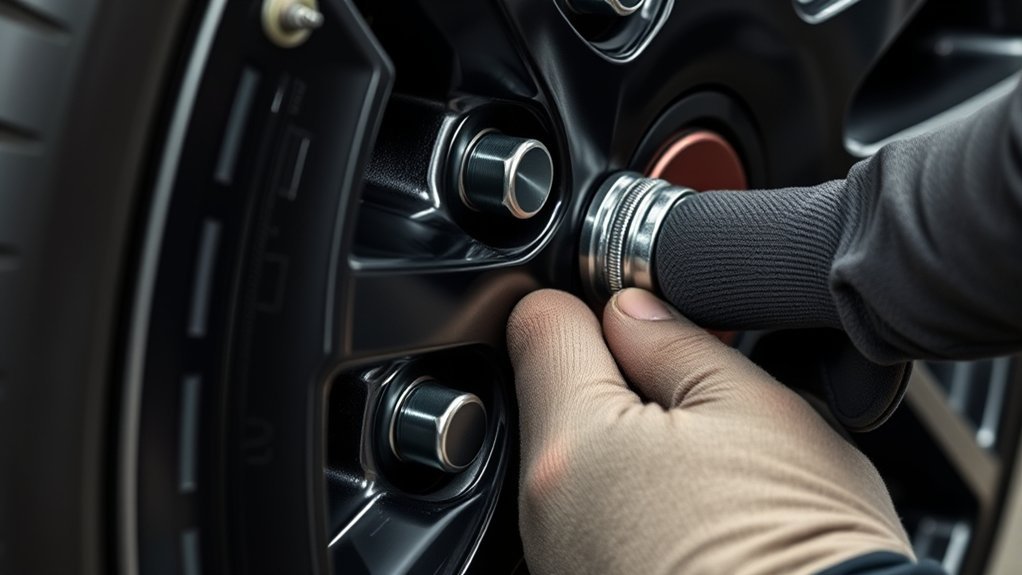
Spline lug nuts are compact wheel fasteners with external splines that a matching key grips to install and remove them. You need them when standard sockets won’t fit recessed lug holes, especially on aftermarket, deep-dish, or custom wheels with tight clearance. They can improve torque access, appearance, and theft resistance, but only if you match thread pitch, seat type, and size exactly. Use them correctly, and you’ll see why fitment matters.
Key Takeaways
- Spline lug nuts use an external spline pattern that requires a matching key for installation and removal.
- They are needed when wheel recesses or tight clearances make standard sockets too large to fit.
- They’re common on aftermarket, deep-dish, racing, and custom wheels with narrow lug holes.
- Their slim profile can improve wheel appearance and add some theft resistance.
- You must match the correct thread pitch, seat type, and torque specs to avoid damage and ensure safe clamping.
[Products Worth Considering]

Upgrade your wheels with MIKKUPPA M12x1.5 mag seat lug nuts built for secure, corrosion-resistant performance. These closed-end chrome lug nuts are a direct replacement for select Toyota models, including Camry, Corolla, RAV4, Sienna, Avalon, Highlander, Matrix, Venza, and Prius. Triple-chromium plating and cold-forged, heat-treated steel help deliver strength for daily driving and replacement needs.

These M14x1.5 closed-end chrome lug nuts are a one-piece replacement designed for secure fitment on compatible GM, Ford, and select Chrysler/Dodge models. Featuring a 60-degree conical seat and anti-rust chrome plating, they help resist corrosion and maintain a bright look for everyday driving. Built for long-term durability, they include OEM-style part references and are backed by 12 months of support.

Upgrade your wheels with MIKKUPPA closed-end lug nuts designed for reliable fit and corrosion resistance. The one-piece, cold-forged and heat-treated steel construction helps resist rust and stripping, while the integrated finish delivers a durable black appearance. Built to OEM standards with a conical 60-degree seat, these nuts provide a secure solution for compatible Ford, Honda, Jeep, and Chevrolet models.
What Are Spline Lug Nuts
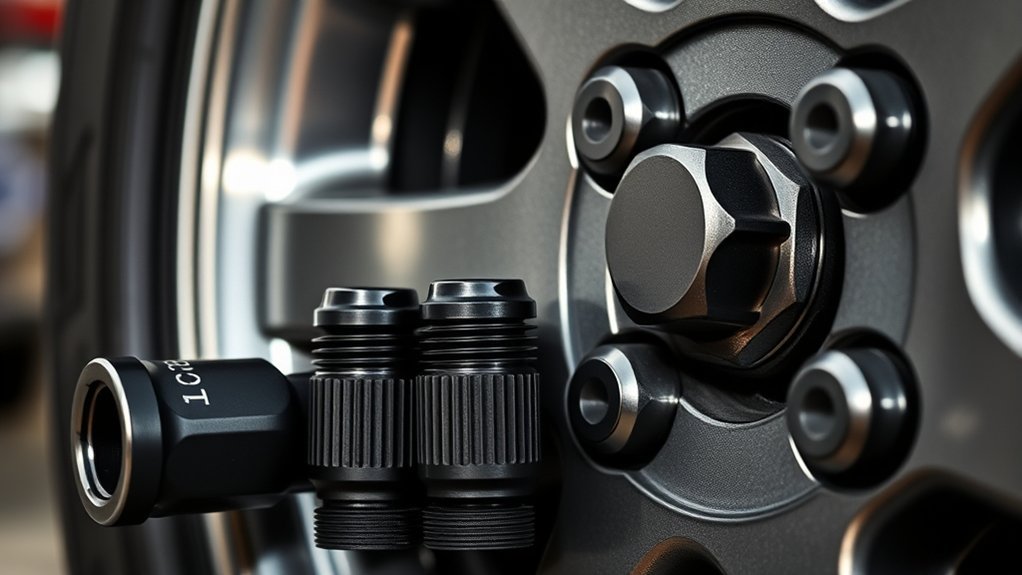
Spline lug nuts are a type of wheel fastener designed with an external spline pattern instead of a conventional hex shape, and they require a matching spline key for installation and removal.
You’ll use them when you need a compact fastener profile that changes the tool interface without altering the wheel stud interface. Their spline design reduces exposed surface area, which can matter when clearance around the lug seat is limited.
You should verify lug compatibility before purchasing, because thread pitch, seat type, shank length, and diameter must match your vehicle’s hardware and wheel requirements.
These fasteners often appear in aftermarket wheel setups, where unique dimensions and tighter recesses make standard sockets impractical. You’ll also notice that the keyed format helps distinguish them from ordinary lug nuts during service.
When you inspect them, focus on material quality, finish, and accurate fitment, since precision directly affects safe installation and long-term reliability.
How Spline Lug Nuts Work
When you install a spline lug nut, the key engages the nut’s exterior spline grooves and transfers torque from a matching drive tool into the fastener body, allowing you to tighten or loosen it without a standard hex socket.
You apply rotational force through the key, so the load path stays concentrated along the spline design rather than a broad exterior face. That geometry reduces tool contact points and lets you reach recessed lug seats on many wheels.
During tightening, the nut threads advance against the stud, generating clamping force between the wheel and hub. During removal, the same keyed interface reverses torque efficiently, provided you use the correct adapter.
During tightening, the nut threads advance, creating clamping force; during removal, the keyed interface reverses torque efficiently.
Because the drive interface isn’t a conventional hex, you need the exact spline key profile to avoid slipping and damaging the nut. This controlled engagement supports wheel security by helping maintain consistent fastener installation and removal.
Benefits of Spline Lug Nuts
Once the keyed interface is in place, spline lug nuts offer several practical advantages over standard hex nuts.
You gain a narrower external profile, which lets you access recessed wheel bores and reduces the chance of tool interference during service. The multi-spline drive distributes torque across more contact points, so you can apply removal force more precisely and with less cosmetic damage to the fastener.
Their small diameter also improves aesthetic appeal by minimizing visible hardware on the wheel face. From a functional standpoint, you get enhanced security because ordinary sockets can’t engage the nut, which helps deter opportunistic wheel theft.
You also benefit from consistent clamping performance when you use the correct key and torque specification, since the design supports controlled tightening.
In practice, these advantages make spline lug nuts a specialized fastening solution rather than a cosmetic accessory.
Where Spline Lug Nuts Fit Best
Where do spline lug nuts fit best? You’ll usually see them on aftermarket wheels with recessed lug holes, thin-wall designs, or limited clearance around the nut seat. Their narrow external profile lets you access fasteners that standard sockets can’t reach, while preserving wheel security when properly torqued.
Spline lug nuts fit best with aftermarket wheels that have recessed lug holes or tight clearances.
You should verify spline lug compatibility before installation, because the seat type, thread pitch, and taper must match the wheel and hub exactly.
- Deep-dish wheels with tight lug recesses
- Racing wheels needing compact tool engagement
- Custom wheels that restrict standard socket access
- Vehicles using high-offset wheel designs
- Applications where theft resistance matters
They also fit well where frequent wheel removal demands repeatable tool engagement and minimal cosmetic damage.
In short, you’ll get the best results when the wheel geometry limits conventional access and the hardware specs align precisely with the hub and wheel interface.
Do You Need Spline Lug Nuts
You need spline lug nuts only if your wheel design requires their narrower profile or specific key-driven installation. They offer improved clearance and anti-theft benefits, but you also need to weigh the added complexity, key dependence, and compatibility limits.
If your current lug nuts already fit and torque correctly, spline lug nuts may not provide a meaningful advantage.
[Products Worth Considering]

The 22800 wheel stud installer makes replacing wheel studs quick and secure, saving time and effort during tire service. It uses a ratchet or impact wrench to pull new studs firmly into place, helping when existing studs are too long. Compatible with most automotive wheels and light-duty truck wheel studs, it’s designed for easy, tool-assisted installation.

This car D-wheel lock nut key provides an anti-theft solution for D-shaped wheel lock bolts, helping keep your wheels secure. It features a flower-shaped internal pattern that resists micro-adjustment theft while allowing removal and mounting of compatible locking nuts. Made for reliable performance under high torque, it’s easy to use with standard socket wrench turning for quick tire maintenance and emergency repairs.

This 1/2-inch drive breaker bar delivers powerful leverage for loosening and tightening stubborn lug nuts and automotive fasteners. The 180-degree flex head helps you reach tight spaces at the angle you need, making tire and brake jobs easier. A spring-loaded ball detent design holds 1/2-inch sockets securely while the chrome-moly head provides durable strength for everyday use.
Spline Lug Basics
Spline lug nuts solve a specific fitment problem: they use a narrow, splined outer profile that requires a matching key for installation and removal, which lets them fit wheels with recessed lug holes or limited clearance where standard hex nuts won’t work.
- You’ll notice spline nut design replaces flat wrench faces with multiple shallow grooves.
- You’ll need the supplied key to apply torque without rounding the exterior.
- You should verify thread pitch, seat type, and shank length before purchase.
- You can compare spline nut materials by strength, corrosion resistance, and surface finish.
- You’ll get the best results when the key fully engages each spline.
Because the profile is compact, you gain access in tight wheel pockets without changing the lug interface.
When They’re Needed
Need for spline lug nuts usually comes down to wheel design and clearance: if your wheels have deep, narrow lug recesses or a tight pocket around the fastener, a standard hex nut and socket may not fit, so the splined profile solves that access problem.
You’ll also need them when aftermarket wheels reduce tool clearance or use small diameter holes that demand a slimmer external profile. In those cases, you select the nut to match the wheel’s seat and stud thread, not as a style upgrade.
Check the vehicle’s torque spec, lug depth, and key access before installation. That lets you confirm proper seating and avoid cross-threading.
From a safety considerations standpoint, correct fit matters more than appearance; any performance enhancements come only after secure clamping and uniform torque are verified.
Benefits And Risks
Although spline lug nuts can improve fitment on wheels with tight recesses, their real advantage is access: the slimmer external profile lets you torque and remove fasteners where a standard hex socket won’t fit.
You gain better tool engagement, reduced chance of scratched finishes, and easier service on aftermarket wheels. However, you also need the matching key, which can be lost or damaged.
Poorly seated spline nuts can round splines, so safety considerations matter during installation.
- Verify thread pitch and seat type
- Use the correct key size
- Re-torque after driving
- Inspect for corrosion or wear
- Consider performance impact only if wheel clearance is limited
How to Install Spline Lug Nuts
To install spline lug nuts, first verify that the wheel studs, lug seats, and nut threads match the manufacturer’s specifications. Then clean all mating surfaces and apply no lubricant unless the product instructions explicitly allow it.
You should thread each nut by hand to confirm smooth engagement and avoid cross-threading. During spline lug installation, seat the nut squarely against the wheel and tighten it in a crisscross pattern so load distributes evenly.
Use the correct spline key to advance each nut incrementally, checking that the socket stays fully engaged. Stop once the nuts reach the specified torque; over-tightening can distort the wheel or stretch the studs.
After driving a short distance, recheck torque to confirm that settling hasn’t reduced clamping force. These installation tips help you achieve consistent preload, preserve thread integrity, and maintain safe wheel retention without introducing unnecessary stress.
What Tools You Need
Getting spline lug nuts installed correctly also depends on using the right equipment for removal, tightening, and verification. You’ll need a spline key or matching wheel lock tool to engage the nut, plus an impact socket if you’re removing factory hardware first.
Use a torque wrench to verify final clamping force, since guessing can distort the lug nut or under-tighten the wheel.
- Spline key for driving the lug nut
- Impact socket for compatible removal tasks
- Torque wrench for final tightening
- Jack stand to support the vehicle safely
- Gloves and eye protection for safety precautions
These installation tips help you control fitment and reduce slippage. Check thread pitch, seat type, and overall length before you start.
Keep the tool set clean, dry, and fully engaged on each fastener. If the wheel lock pattern doesn’t match perfectly, stop and confirm compatibility. Proper tooling keeps the job precise and repeatable.
Common Spline Lug Nut Problems
Common spline lug nut problems usually come from poor tool engagement, cross-threading, or incorrect seat and thread matching, and each one can compromise clamping force or damage the wheel studs.
You may also see spline lug failures when the key slips under torque, rounds the splines, or bottoms out before full engagement. If you force the nut with an imperfect fit, you increase installation issues and risk galling the threads, especially on hardened studs or coated wheels.
Corrosion, debris, and over-torque can mask early damage, then create uneven preload and vibration at speed.
You should inspect the tool for wear, keep the sockets fully seated, and verify that the nut turns smoothly by hand before using a wrench.
Any binding, wobble, or abnormal resistance signals a problem that needs correction before you continue driving.
How to Choose the Right Spline Lug Nuts
You need to verify your vehicle’s fitment requirements before selecting spline lug nuts, including wheel design, seat type, and clearance for the spline drive tool.
You also need to match the thread pitch exactly to your wheel studs, since even a small mismatch can damage the threads and compromise clamping force.
When both fitment and thread pitch align, you’ll get a secure, reliable installation.
Vehicle Fitment Needs
To select the right spline lug nuts, match the lug nut’s thread pitch, seat style, shank length, and overall dimensions to your vehicle’s wheel studs and wheel design.
You should verify vehicle compatibility by comparing each fastener against the wheel manufacturer’s fitment specifications, then confirm clearances around the hub and lug holes. This prevents interference, uneven seating, and clamp-load loss.
- Measure stud length before choosing a shank.
- Check wheel seat geometry for correct contact.
- Compare nut diameter with recess depth.
- Confirm tool access for spline drive installation.
- Inspect brake and hub clearance at full torque.
When your measurements align, you get proper engagement, stable clamping, and reliable service under load.
Thread Pitch Match
Thread pitch is the first compatibility check for spline lug nuts, because the nut’s internal threads must exactly match the wheel stud’s size and pitch to achieve full engagement and correct clamp load.
You should verify both diameter and pitch, such as M12x1.5, M14x1.5, or 1/2-20, before you buy. If the thread compatibility is wrong, the nut will bind, cross-thread, or seat unevenly, which reduces clamping force and can damage the stud.
Check the vehicle’s service data, not assumptions based on appearance. Then confirm the spline lug nut’s nut dimensions fit the wheel and the socket clearance you need.
Precise thread match guarantees torque translates into consistent preload, so your wheels stay secure under load, heat, and vibration.
Frequently Asked Questions
Are Spline Lug Nuts Compatible With Factory Wheel Locks?
No, you usually can’t use spline lug nuts with factory wheel locks because their keys differ. You’ll need matching hardware. Spline lug nut advantages include security; spline lug nut applications often require dedicated tools and specific wheel fitment.
Can Spline Lug Nuts Damage Aftermarket Wheels?
Yes—if you overtighten or use the wrong spline lug key, you can scar aftermarket wheels like a misfired chisel. You’ll protect wheel protection by matching seat type, torque specs, and thread pitch precisely.
Do Spline Lug Nuts Require Special Torque Specifications?
Yes—you generally use the wheel manufacturer’s torque requirements, not a special spline-specific spec. You should follow installation tips carefully, torque in stages, and recheck after driving, because thread engagement and seating affect clamp load.
How Often Should Spline Lug Nuts Be Inspected?
You should inspect spline lug nuts at every tire rotation, brake service, and any wheel removal. Add spline lug nut inspection to your maintenance schedule, and check them after 50–100 miles following installation or torque adjustment.
Are Spline Lug Nuts Available in Different Finishes?
Yes—spline lug nuts come in several finish options, including chrome, black oxide, zinc, and titanium-like coatings. You can choose among spline varieties to match corrosion resistance, appearance, and wheel compatibility, depending on your vehicle’s requirements.
Conclusion
So, when you’re choosing wheel security and fitment, spline lug nuts give you a compact, high-contact solution that helps protect custom wheels from theft and damage. In one industry estimate, nearly 1 in 4 wheel thefts target aftermarket setups, which makes the visual risk easy to picture. If your wheels need narrow-seat access, extra clearance, or added security, you’ll likely benefit from them. Choose the correct thread, seat, and key before you install.
[Products Worth Considering]

The Trivd Frol 1/2" air impact wrench delivers high performance torque up to 1500 ft-lbs with a twin hammer impact mechanism for strong, balanced blows. It features an ergonomic grip, compact lightweight design, and quick-stop control with 3 forward speeds up to 8000 RPM plus a reverse speed. Built for demanding automotive repair and tire shop work, the rear exhaust helps keep debris away from the surface.

This spare tire tool kit is designed for the 2004 to 2018 Ford F-150 to help you loosen and tighten wheel lug nuts and manage the spare tire and provided jack functions from underneath the vehicle. It includes the lug nut wrench and extension pieces plus a convenient storage carrying case for organized transport. The jack itself is not included.

The SEESII cordless impact wrench delivers high tightening and loosening power for fast wheel bolt and industrial bolt work. Its brushless motor and variable-speed 3 forward/2 reverse modes help you control precision installs and stubborn nut removal. A dual-battery system with rapid charging and an included storage case make it ready for home, car, and jobsite use.

Related Articles
305 Tire Size Explained: How Big Is It?
I explain how big a 305 tire really is—and why the exact fit can surprise you.
Read More
Tire Ply Rating Explained: What the Numbers Mean
Tire ply ratings reveal more than numbers, hinting at strength, load capacity, and hidden tradeoffs you’ll want to understand before choosing.
Read More
2 Ply Vs 4 Ply Tires: What’s the Real Difference?
I’ll explain the real difference between 2-ply and 4-ply tires, and the choice may surprise you depending on where you drive.
Read More