
Alloy vs Steel Wheels for Winter: Which Is Better?
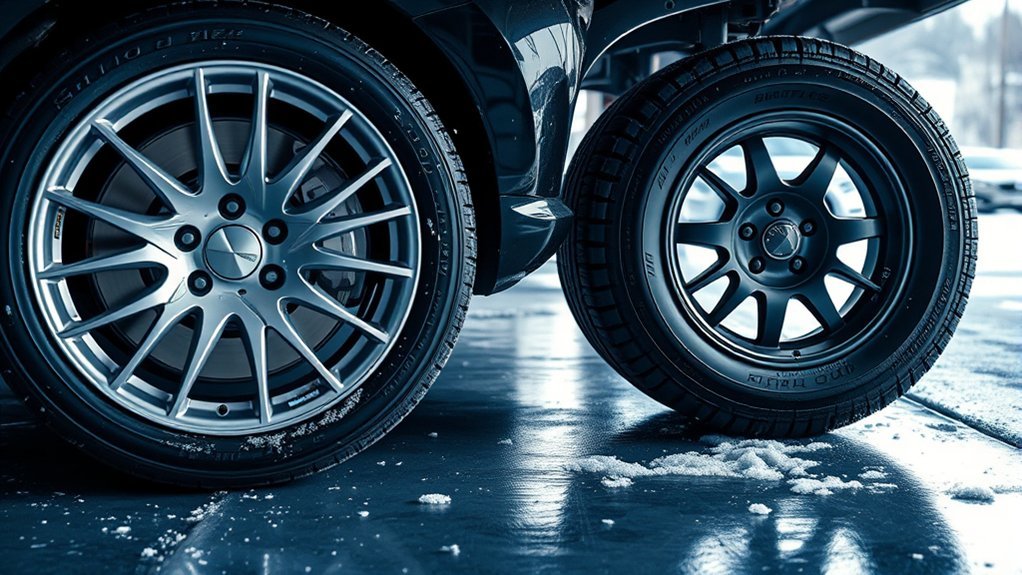
For winter driving, steel wheels are usually the better choice. You get stronger impact resistance against potholes, salt, and debris, and they’re less likely to bend, crack, or develop corrosion issues that affect tire sealing. They also cost less upfront and often reduce seasonal maintenance costs. Alloy wheels can work well if you maintain them carefully, but steel gives you a more predictable, durable setup in harsh conditions, and the differences become clearer next.
Key Takeaways
- Steel wheels are usually better for winter because they resist pothole damage and road salt more reliably than alloy wheels.
- Steel wheels typically cost less upfront and can save money on winter tire mounting, balancing, and replacements.
- Steel wheels provide predictable winter performance and a stable tire seal through harsh conditions.
- Alloy wheels can corrode or oxidize in winter if coatings fail, increasing maintenance and air-leak risks.
- Heavier steel wheels can feel more planted on snow and ice, but proper tire-to-rim fit is essential for either option.
[Products Worth Considering]

AstroAI’s digital tire pressure gauge inflates and measures with high accuracy, reading within 1% and supporting four pressure units from 3 to 250 PSI. The heavy-duty brass air chuck locks securely on valve stems, while the 19.7-inch stainless braided hose and 360° rotatable dial improve comfort and control for faster single-hand operation. Battery-saver behavior and an integrated flashlight add convenience and safety for everyday roadside and garage use.

This all-in-one digital tire pressure gauge with inflator helps you quickly and accurately set tire pressure for safer, smoother rides. It features an LED backlit display with measurements in PSI, KPA, Bar, and Kg/cm², along with a straight locking chuck, hose, and bleed valve for easy adjustments. Calibrated accuracy within 1% and automatic shutoff after inactivity help reduce guesswork and conserve battery life.

AstroAI’s digital tire pressure gauge with inflator helps you quickly check, inflate, and deflate tires with an easy lock-on chuck and integrated bleed valve. It delivers calibrated accuracy within 1% for a clear PSI readout from 3 to 250 PSI, supporting dependable tire maintenance. Designed for many vehicle types, it connects to common compressor outputs and standard Schrader valves.
Alloy vs Steel Wheels for Winter: Which Is Better?

When it comes to winter driving, steel wheels are generally the better choice because they better resist corrosion from de-icing salts and road grit.
For winter use, you’ll usually get a more durable setup with steel wheels, since they tolerate harsh conditions and seasonal swapping well.
Alloy wheels can reduce unsprung weight and improve heat dissipation, but in cold, wet environments they’re more vulnerable to oxidation and can form bubbles that weaken tire sealing. That means you may face more upkeep to keep alloy wheels serviceable through winter.
Steel rims also cost less upfront, and you can often save on mounting and balancing when you keep them dedicated to cold-weather tires.
Steel rims are cheaper upfront, and dedicated winter tires can save on mounting and balancing costs.
If you’re comparing practicality rather than appearance, steel wheels usually win.
Alloy wheels still offer better aesthetics and handling, but unless they’ve protective coatings, their winter performance can drop.
Why Steel Wheels Hold Up in Winter
You’ll find steel wheels hold up better in winter because they resist de-icing salts and grit, so they’re less prone to corrosion than aluminum rims.
They also absorb pothole and debris impacts more effectively, which reduces bending and cracking under load.
That durability, along with lower replacement and maintenance costs, can make steel a more economical winter choice.
Salt Resistance
Steel wheels resist winter salt better than alloy wheels because the steel itself is less vulnerable to the corrosive effects of de-icing chemicals.
When you drive on treated roads, this salt resistance matters because steel develops only superficial rust, and that rust doesn’t weaken the wheel’s structure or its ability to stabilize the tire.
By contrast, alloy wheels can oxidize, form surface bubbles, and disrupt the tire seal, which compromises winter reliability.
You get a more consistent connection between the steel rim and the tire throughout the season. That means fewer seal-related issues and less maintenance.
In practical terms, steel’s corrosion tolerance makes it a technically sound winter choice, especially when you want predictable performance and lower replacement costs than you’d usually see with alloy.
Impact Durability
One major advantage of steel wheels in winter is impact durability: they’re less likely to bend or crack when potholes, frozen ruts, and road debris hit hard. You get a tougher structure that keeps your wheels aligned under abuse, while steel rims absorb shocks better than brittle alternatives. That matters when your vehicle tracks through uneven snowpack and ice.
| Condition | Steel response |
|---|---|
| Pothole strike | Resists deformation |
| Frozen rut impact | Maintains shape |
| Road debris | Limits cracking |
| Surface rust | Doesn’t weaken structure |
| Tread Depth load | Preserves stable contact |
Because the metal tolerates repeated impacts, you’re less likely to see sudden failures that affect control. In winter, that mechanical margin helps your tires, including their Tread Depth, work as intended.
Winter Cost Savings
Because steel wheels cost less upfront than alloy wheels, they’re a practical choice for winter tire setups when you want to control seasonal expenses. You reduce initial outlay with a steel or alloy comparison that clearly favors steel for seasonal use.
Steel rims also tolerate pothole strikes, curb impacts, and road debris better, so you’re less likely to replace them midwinter. Their corrosion resistance against de-icing salt and grit helps preserve structural integrity across multiple seasons.
Since you can keep winter tires mounted on steel wheels, you avoid repeated mounting, balancing, and swap fees. That setup lowers service labor and downtime.
Over time, the durability and longevity of steel wheels translate into fewer repairs and replacements, giving you measurable long-term savings versus alloy alternatives.
How Alloy Wheels Handle Winter Roads
Alloy wheels can perform well on winter roads, but they’re more vulnerable to corrosion than steel rims when exposed to road salt, moisture, and freeze-thaw cycles. You’ll notice their behavior depends on key performance factors, especially coating quality, tire pressure, and weight distribution.
Their lower mass can sharpen acceleration and steering response, yet icy traction still comes from the tire, not the rim.
- Uncoated alloys can oxidize at the flange, where the seal is most stressed.
- Bubbles from coating failure can let tire pressure drop and destabilize handling.
- Winter-proof coatings improve resistance to salt and moisture.
- Regular cleaning preserves the finish and helps maintain consistent winter performance.
If you keep the wheels protected and maintained, you can preserve their handling advantage.
Without that care, their winter durability falls behind steel rims, which tolerate harsh conditions with less intervention.
Do Alloy Wheels Rust in Winter?
You’ll see higher winter corrosion risk with alloy wheels, especially if they’re uncoated or only lightly protected.
That oxidation can compromise flange sealing and tire pressure. You can reduce that risk with winter-rated alloy coatings, which add a barrier against salt and moisture.
Steel rims stay more durable in these conditions, so they’re generally less prone to rust and corrosion.
Winter Corrosion Risk
In winter, alloy wheels face a higher corrosion risk than steel wheels because de-icing salts, moisture, and grit accelerate oxidation on exposed metal surfaces.
You’ll see this most on uncoated alloys, where flange oxidation can form bubbles, weaken the seal, and drop tire pressure. Steel wheels tolerate road salt and grit better, so they’re usually the safer winter choice for winter driving safety.
Use these corrosion prevention strategies and wheel maintenance tips:
- Wash wheels regularly.
- Remove salt residue quickly.
- Inspect flanges for bubbling.
- Apply protective coatings.
If you keep alloys, monitor them closely after storms and harsh commutes. Fast cleaning limits electrochemical attack and helps preserve structural integrity through the season.
Alloy Coating Protection
Although alloy wheels don’t always “rust” the same way steel does, uncoated alloys can still oxidize in winter, and that corrosion can create bubbles, weaken the bead seal, and reduce tire pressure.
You can reduce that risk by choosing winter-proof alloy wheels with durable protective coatings. Different coating types, including clear lacquer, powder coat, and anodized finishes, add a barrier against de-icing salts, grit, and moisture.
Inspect the finish regularly, because chips and scratches expose bare metal and accelerate corrosion. Follow maintenance tips by washing the wheels with pH-neutral cleaner, rinsing thoroughly, and drying them after road salt exposure.
For effective seasonal care, clean them more often in freezing conditions and repair coating damage promptly.
Steel Rim Durability
Steel rims are generally the more durable winter option because they tolerate de-icing salt and road grit better than most alloy wheels.
In this wheel material comparison, you’ll see that winter performance factors favor steel when corrosion resistance matters. Even if steel develops surface rust, it usually doesn’t weaken structural integrity or compromise tire sealing.
- Better salt resistance
- Higher grit tolerance
- Lower corrosion sensitivity
- Fewer maintenance considerations
Are Steel Wheels Safer With Winter Tires?
Yes—when you fit winter tires, steel wheels are generally the safer choice for cold-weather use because they’re more stable under impact and better able to handle de-icing salt, grit, and other harsh winter exposure.
Steel wheels are generally the safer winter choice, handling impacts and harsh road conditions better than alloy rims.
You get better steel wheel performance because the rim’s material properties absorb pothole and curb impacts without losing structural reliability. That gives you strong winter tire compatibility, since the wheel stays dimensionally stable while the tire does the traction work.
In practice, this improves seasonal driving safety by reducing the chance of wheel-related damage during freeze-thaw cycles. Surface rust can appear on steel rims, but it doesn’t compromise their stabilizing properties, so you can keep using them confidently.
Swapping to steel rims with winter tyres is a sensible, practical setup that supports safe winter operation. For your vehicle, the main advantage is predictable behavior in harsh conditions, not appearance, so you’re prioritizing function where it matters most.
Which Wheel Coatings Protect Against Salt?
You should look for winter-proof alloy coatings such as clear acrylic or polyurethane, since they reduce oxidation from salt and moisture.
Steel rims can also benefit from rust-resistant finishes that limit corrosion from de-icing salts and grit.
For either wheel type, a winter-rated coating plus periodic wax or sealant application helps preserve surface integrity.
[Products Worth Considering]

This dual power portable tire inflator lets you run from a 12V vehicle cigarette lighter or a 110V/120V wall outlet for flexible roadside and home use. It delivers up to 150 PSI with quick inflation, including a fast fill example from 0 to 36 PSI, and features auto shutoff with pressure memory plus a backlit LCD display with unit switching. Designed for multiple inflations, it includes extra nozzles for cars, motorcycles, bikes, sports equipment, and inflatables, while compact storage and a carry bag make it easy to keep on hand.

AstroAI H2 Pro cordless tire inflator delivers up to 150 PSI for fast inflation and reliable roadside performance with dual power options. Use the rechargeable battery for cordless convenience or connect to your vehicle via 12V DC for longer runtime. It features an auto shut-off system with an accurate digital pressure gauge and a bright LED for easy use in low light.

AstroAI’s heavy-duty digital tire pressure gauge delivers quick, accurate readings with 0.1 increments and a secure valve-stem seal. It features a green backlit LCD and built-in flashlight for easy use in low light, plus an ergonomic non-slip stainless-steel design. The wide 0–230 PSI range works across common vehicle tires, with unit selection and an auto shut-off to save battery.
Winter-Proof Alloy Coatings
Winter-proof alloy wheels rely on specialized coatings that resist corrosion from road salt, moisture, and repeated freeze-thaw exposure. You should evaluate coating types by looking for a clear topcoat, temperature-stable layers, and bubble-resistant finishes that block oxidation. These systems preserve structural integrity and keep performance consistent in winter driving.
- Clear protective layer: limits salt intrusion.
- Thermal-stable finish: tolerates extreme cold.
- Regular cleaning: removes abrasive contaminants.
- High-quality coating package: improves performance comparison versus uncoated wheels.
You’ll get longer service life when you follow maintenance tips, wash wheels after salted roads, and inspect for chips or peeling.
Compared with bare alloys, coated wheels reduce failure risk and help maintain safety margins in harsh conditions.
Rust-Resistant Steel Finishes
Because steel wheels are vulnerable to salt-driven oxidation, rust-resistant finishes matter in winter. You can choose zinc-plated or similar coatings that form a sacrificial barrier, limiting de-icing salt and moisture contact with the steel substrate.
Powder coating adds a tougher outer layer, improving durability and appearance while resisting winter abrasion. Some makers also use specialized winter coatings engineered for extreme temperatures and salt exposure, so your rim keeps its structural integrity longer.
For practical rust prevention techniques, you should wash off brine regularly and inspect chips or scratches. Maintenance tips include drying wheels fully and applying protective sprays after cleaning.
In coating comparisons, zinc excels at corrosion control, powder coat offers balanced protection, and premium winter finishes deliver the most robust defense for harsh climates.
Alloy vs Steel Wheels: Winter Cost Differences
From a cost standpoint, steel wheels usually have the lower initial price, making them the more budget-friendly choice for winter setups. In your cost analysis, that lower entry point matters, especially when you compare total ownership over multiple seasons.
Steel also simplifies seasonal swapping, because you can keep winter tires mounted on a dedicated set and avoid repeated mounting charges.
Steel makes seasonal swaps easier, letting you keep winter tires mounted and avoid repeated mounting costs.
- Lower upfront purchase cost
- Lower winter maintenance exposure
- Reduced replacement frequency
- Lower seasonal service expense
Alloy wheels can improve wheel aesthetics, but winter use often increases your expenses. Salt and moisture can accelerate corrosion, and you may need extra protective coatings or more frequent refinishing.
If an alloy wheel gets damaged, replacement usually costs more than a steel equivalent. Over time, steel can deliver better value because it’s durable, inexpensive to service, and less likely to require costly attention between winters.
Do Wheel Weights Affect Winter Handling?
Wheel weight can affect winter handling, not just cost. When you choose heavier steel wheels, you add mass that can help the tire stay planted on snow and ice. That extra inertia often gives you a more stable feel during steering, and it can make wheel balance effects less twitchy on rough, slick roads.
Lighter alloy wheels can sharpen acceleration and response, but you may notice a less settled feel when grip drops. In winter, that tradeoff matters because traction control has less margin to work with on low-friction surfaces.
Heavier wheels also tend to support more consistent braking performance, so your stopping distances can feel more predictable on icy pavement.
In practical terms, the wheel weight you select changes driving dynamics by influencing how the vehicle loads the contact patch, responds to inputs, and maintains control when conditions keep changing.
How to Match Winter Tires and Rims
To match winter tires and rims correctly, you need to pair the tire size exactly to the rim size so the assembly stays stable and safe in cold, low-grip conditions. Check tire compatibility against the manufacturer’s rim sizing chart before you mount anything. That prevents bead-seat errors, pressure loss, and uneven wear, and it supports reliable winter performance.
- Verify the tire’s width, aspect ratio, and diameter.
- Match those specs to the rim’s approved range.
- Confirm the rim type suits the tire, whether steel or alloy.
- Inspect coating and sealing surfaces before installation.
You should also choose winter tires designed for your rim material, since the wrong pairing can reduce grip and stress the assembly.
If you swap wheels seasonally, label each set so you can reinstall it correctly and reduce setup mistakes. Keeping the fit exact protects handling, braking, and tire longevity.
When Alloy Wheels Make Sense in Winter
Alloy wheels make sense in winter when you want a lighter assembly, a cleaner look, and the option of winter-specific coatings that better resist salt and oxidation.
You’ll notice better winter driving efficiency because reduced unsprung mass can improve steering response, braking feel, and traction transfer on snow or ice.
If you choose designs built for winter tire compatibility, you can mount dedicated snow tires without compromising fitment or safety.
Alloy wheel aesthetics also matter when you want your vehicle to keep a finished appearance through the season, especially if you use winter packages with matched trim.
Select wheels with protective finishes, since coated alloys handle road salt and grit better than unprotected surfaces.
With proper cleaning and inspection, you can run alloys reliably all winter.
They’re a practical choice when performance, appearance, and corrosion resistance all matter to you.
Frequently Asked Questions
Should I Get Steel or Alloy Rims for Winter Tires?
Get steel rims for winter tires: you’ll save on cost comparison, gain durability in salt and potholes, and avoid oxidation. Alloy’s weight differences improve handling, but steel’s lower aesthetic appeal matters less in harsh conditions.
What Is the Best Material for Winter Wheels?
Steel is usually your best winter-wheel material: it boosts winter performance, tolerates salt and potholes, and lowers cost analysis. You’ll trade extra weight considerations for durability, while coated alloys need more maintenance and care.
What Is the Disadvantage of Alloy Wheels?
You lose corrosion resistance and face extra maintenance: alloy wheels can oxidize, bubble at the flange, and lose tire pressure. Like Icarus, their aesthetic appeal and weight savings may tempt you, but impacts often cost more to repair.
Are Alloy Wheels Good for Snow?
Yes, alloy wheels can work in snow if you choose coated models. You’ll get decent snow traction, but wheel durability and ice performance usually lag behind steel in salt, grit, and corrosion-heavy winter conditions.
Conclusion
In winter, you’ll usually get the most practical value from steel wheels because they’re tougher, cheaper, and easier to replace if road salt or potholes take a toll. Alloy wheels can still work well if you prioritize lighter weight, sharper handling, and appearance, but you’ll need to protect them carefully. If you match the right winter tires to the right rims, you’ll stay ahead of the curve and keep your vehicle predictable, safe, and cost-efficient.
[Products Worth Considering]

The AstroAI L4 cordless tire inflator is a palm-sized, handheld air compressor designed for fast, one-step inflation wherever you need it. With a 6600mAh battery and up to 150PSI output, it supports quick refilling for car tires and other inflatables. Use 5 preset modes with automatic shutoff at the target pressure, plus built-in lights and a USB power output for added convenience.

The AstroAI L7 Air Tire Inflator refills car tires quickly with up to 150PSI max pressure and a fast 1-minute inflation claim. It includes 5 preset modes for car, motorcycle, bicycle, balls, and manual use, along with an auto shutoff to help prevent overinflation. Designed for convenience, it features a digital gauge with unit switching, a top LED light with multiple modes, and USB-C/USB ports for backup power.
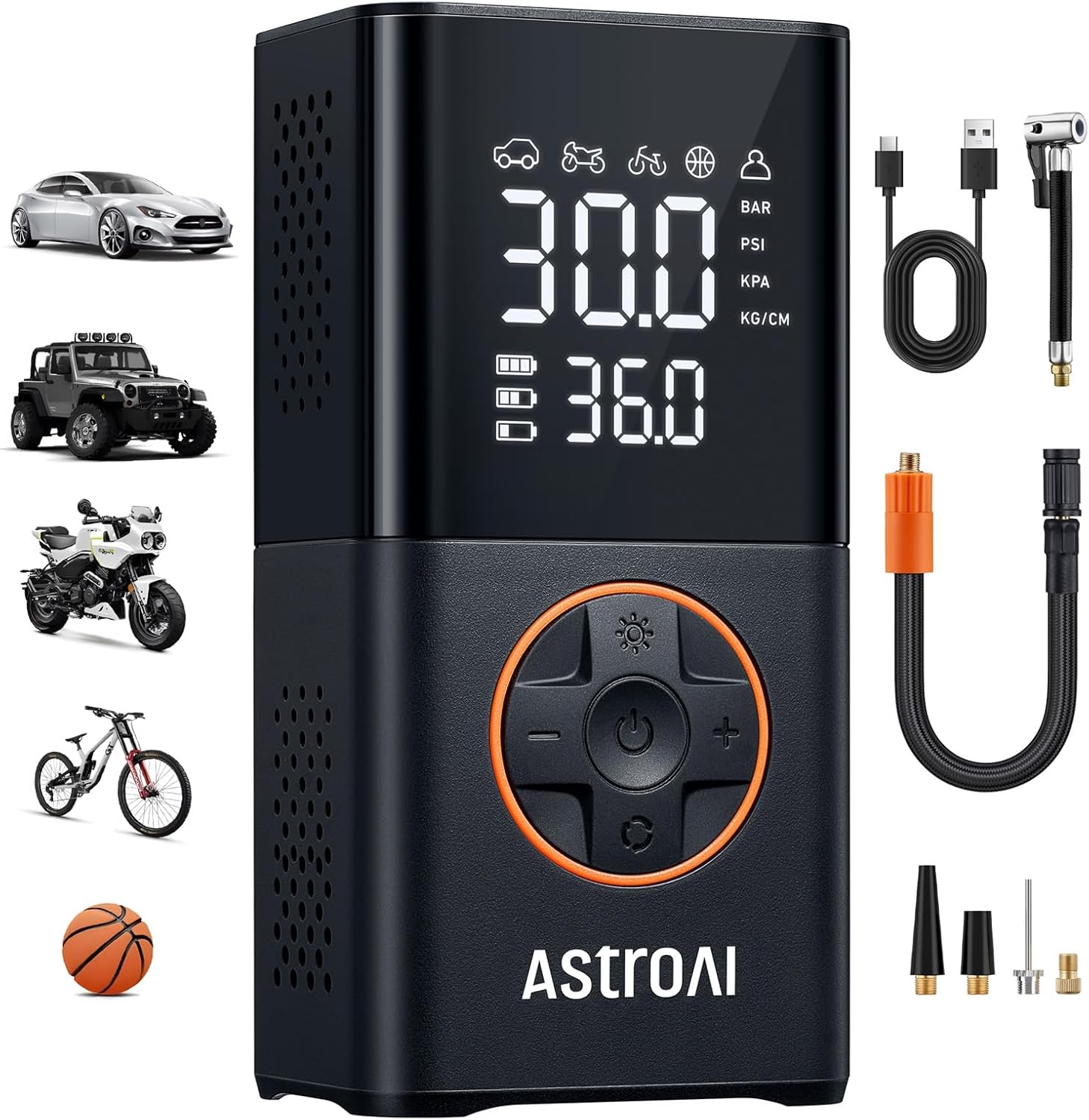
AstroAI L7 provides fast, cordless inflation for cars, motorcycles, bicycles, e-bikes, and sports balls with preset smart modes and a custom pressure option. Its compact design, dual digital display, and built-in auto-off make it easy to use for quick road-trip top-offs and emergency roadside inflation. The unit includes LED lighting and an SOS strobe flashlight for visibility, plus USB-C/USB ports for charging devices.

Related Articles
How to De-Ice Tires: Safe Winter Removal Guide
De-ice tires safely with simple winter removal tricks, and discover the one step that can get you moving again.
Read More
Driving on Winter Tires in Summer: Why You Shouldn’t
Tired of risky warm-weather driving? Winter tires in summer wear faster, grip less, and lengthen braking—discover when to switch and why it matters.
Read More
Tire Traction in Rain, Snow, and Heat: What Changes
When rain, snow, or heat hits, tire traction changes fast—learn what affects grip, stopping, and safety before the road decides for you.
Read More