
How Long Can You Drive on a Tire Plug? Safety Limits
You can usually drive on a tire plug for a short time, but treat it as a temporary fix, not a permanent repair. If the puncture is in the tread and smaller than 1/4 inch, you may drive cautiously while you arrange inspection or replacement, ideally within a few hundred to about 1,000 miles. Check pressure often, and stop if you notice hissing, vibration, or air loss. More details can help you judge the real safety margin.
Key Takeaways
- A properly installed tire plug can sometimes last the tire’s remaining life, but experts recommend treating it as a temporary repair.
- Many experts suggest limiting driving on a plugged tire to about 1,000 miles, with shorter distance safer under heavy use or highway speeds.
- Tire plugs are only safe for small tread punctures under 1/4 inch; sidewall, shoulder, or larger holes usually require replacement.
- Watch for air loss, hissing, vibration, or bubbling around the plug, and inspect the tire regularly for signs of failure.
- A professional inside patch or plug-and-patch repair is safer and more durable than a plug alone.
[Products Worth Considering]

Wykodra tire plugs provide quick vulcanizing repairs for tubeless tires, helping you seal punctures and get back on the road. The industrial-strength rubber creates a long-lasting, leak-resistant bond and is designed for emergency fixes without removing the tire. Choose between two standard plug sizes with color-matched options for small to larger damage across many vehicles and off-road uses.
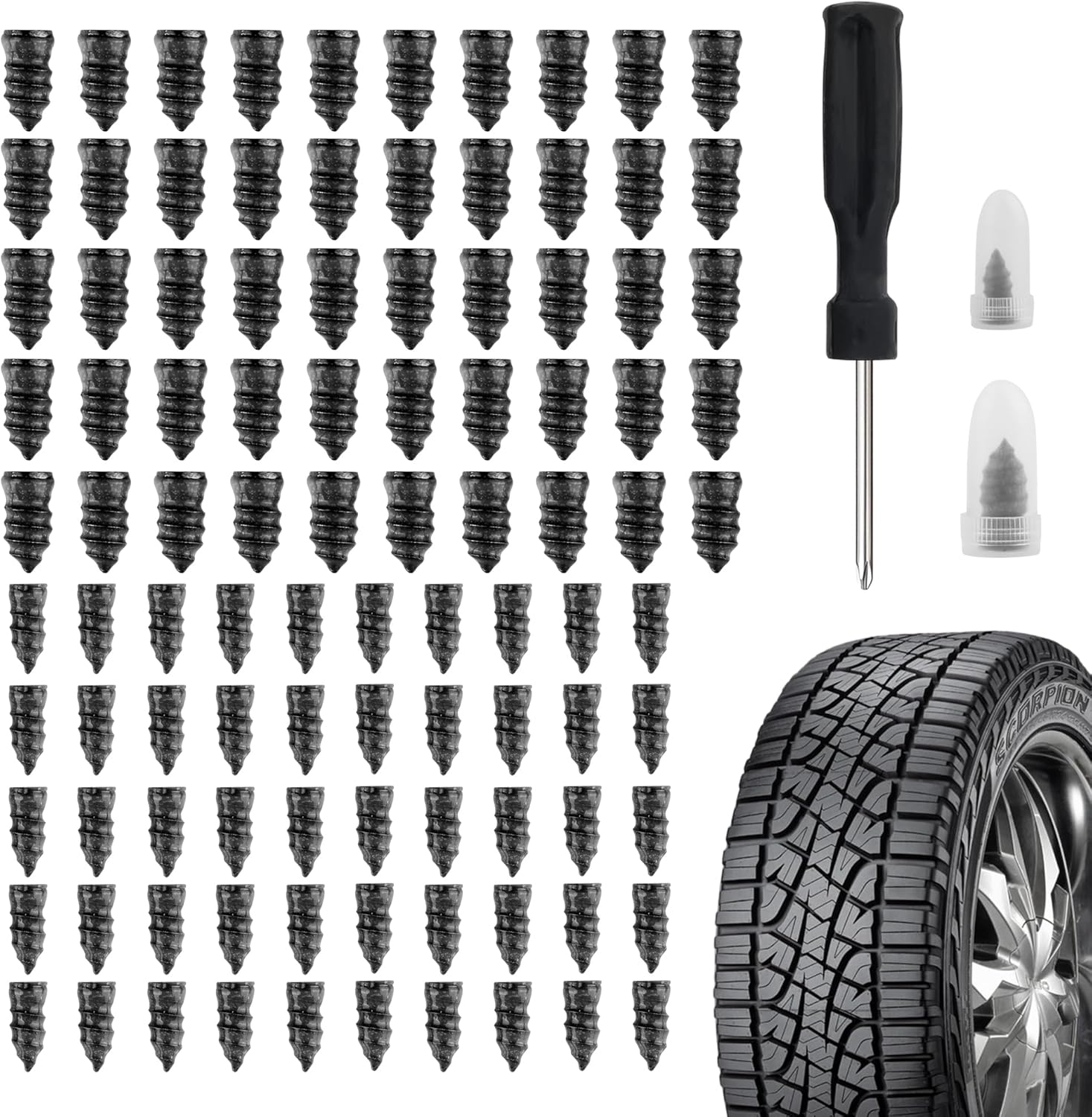
Salior’s tire plug kit provides a fast, reliable self-service fix for punctured or leaking tires without the need for flaring tools. Choose the correct plug size, then screw the nail into the puncture using the included screwdriver for an enhanced seal. The set is durable and convenient for on-the-go maintenance across multiple vehicle types.

ZEHXI’s 60 pack screw-in tire plug kit uses high-grade rubber plugs with sealing threads to help repair minor punctures quickly without removing the tire. The set includes two plug sizes, so you can match different puncture openings and keep repairs organized in a transparent case. A handy screwdriver is included for fast installation, helping drivers get more mileage from existing tires while being ready for flat-tire emergencies.
How Long Can You Drive on a Tire Plug?
How long can you drive on a tire plug? A properly installed tire plug can, in theory, remain in service for the tire’s remaining life, but you shouldn’t rely on that outcome.
A properly installed tire plug can last the tire’s remaining life, but you shouldn’t depend on that.
Many experts treat a tire plug as a temporary repair and limit use to about 1,000 miles. Your actual mileage depends on speed, tread wear, puncture size, and puncture location. Higher heat, pressure, and sustained speed can loosen the plug and raise failure risk.
You should inspect the tire regularly and stop driving if you notice rapid air loss, hissing, or vibration, because those signs suggest the plug may be failing.
For safety on the road, schedule a professional patch-and-plug repair as soon as possible. That method gives you a more durable result than a plug alone and better approximates the reliability of a properly repaired tire.
What Makes a Tire Plug Safe?
A tire plug is only considered safe when it seals a puncture in the tread area and the hole is smaller than 1/4 inch; beyond that, the repair becomes far less reliable.
You should treat the tire plug as a temporary tire repair unless a technician has professionally inspected it. When installed correctly, it can hold air for the tire’s remaining life, but you still need regular checks.
Watch for slow leaks, vibration, or damage around the plug site, because these signs suggest the seal is failing. NHTSA and AAA don’t regard a plug as permanent, so don’t assume the tire is fully restored.
For the best safety margin, a plug combined with a patch provides a tighter barrier against air and moisture intrusion.
If you’re unsure about the puncture size, location, or condition, stop driving and get the tire professionally inspected before relying on it.
How Do Tire Plugs Differ From Patches?
You’ll find that a plug seals the puncture from the outside, so it’s a fast repair that usually doesn’t require tire removal.
A patch goes on the inside after you dismount the tire, and it typically provides a stronger, more durable seal against air loss and moisture.
If you want the most secure repair, you should compare the limits of plug repair with the added strength of a properly installed patch.
Plug Repair Basics
Tire plugs seal a puncture from the outside, making them a fast roadside fix for small holes, usually under 1/4 inch.
Patches are applied from the inside for a more durable seal. You can use tire plugs as an emergency repair method when you need to get moving, but they’re not a permanent answer.
Because the plug doesn’t let you inspect the tire’s interior, hidden damage can remain unnoticed and may affect safety. A patch gives you a more secure internal seal, and a plug-patch combination is the safest repair method.
If you’re asking whether it’s safe to drive after a plug, treat it as temporary and limit use until a professional evaluates the tire.
Patch Repair Strength
Because patches are applied from the inside, they create a more secure and durable seal than tire plugs, which only close the puncture from the outside.
If you’ve only plugged a tire, treat the repair as temporary unless a qualified tire service inspects it.
Patch repair strength comes from bonding to the inner liner, which helps resist air loss and flexing better than an external plug alone.
In most cases, a patch lasts longer across the tire’s lifespan and gives you a stronger long-term fix.
The safest option is a plug-patch combination, because it seals the injury both internally and externally.
Even then, you should confirm the damage size, location, and tread condition before returning the tire to service.
When Is a Plugged Tire Safe to Drive On?
You can usually drive on a plugged tire only if the puncture is in the tread and it’s smaller than 1/4 inch.
Treat the plug as a temporary repair, not a permanent fix, and keep your driving distance limited.
Watch closely for air loss, handling changes, or visible damage, because a plug can loosen or fail over time.
Safe Puncture Conditions
A plugged tire is generally safe to drive on only when the puncture is in the tread area, measures less than 1/4 inch in diameter, and the tire hasn’t been driven while flat before the repair.
You should confirm that the plug was installed with the correct tools and that it forms a tight seal. If you see cracking around the repair or notice tire pressure dropping, the plugged tire isn’t reliable and needs immediate attention.
You can’t treat sidewall damage, shoulder damage, or larger punctures as safe conditions for plugging.
Even when the repair looks sound, you should inspect it regularly for leaks and deformation. A properly plugged tire may function, but you should still regard it as a cautious, temporary fix until a professional repair or replacement is completed.
Temporary Drive Limits
A properly installed tire plug can usually support about 100 to 1,000 miles of driving, but that range depends on tire condition, load, speed, and road quality.
You should treat the plug as a temporary repair, not a permanent solution. If the puncture is smaller than 1/4 inch and stays in the tread, you can often drive cautiously until you reach a shop.
Keep speeds moderate, avoid heavy loads, and inspect the tire regularly. Long-term use raises failure risk, so schedule a professional patch as soon as possible.
Don’t rely on a plug if the tire was driven flat, because internal damage can make continued driving unsafe.
Warning Signs To Watch
How do you know a plugged tire is still safe to drive on? You don’t assume it is; you check for warning signs. A plugged tire is only a temporary repair, so monitor it for air loss within the first day or two.
If pressure drops, the plug may not be sealing. Listen for hissing near the repair, and spray soapy water on the area; bubbles mean leakage.
While driving, vibration or thumping can indicate the plugged area is failing and needs immediate inspection.
Also, examine the sidewall and tread around the plug for cracking or separation. If you see any of these issues, treat the tire as unsafe and arrange a professional plugged or patched repair promptly.
How Do You Know a Tire Plug Is Failing?
If a tire plug starts failing, you’ll usually notice warning signs within a day or two of the repair.
Watch your air pressure closely; a drop soon after installation points to a leak around the tire plug. You may also hear a faint hissing near the repaired area, which means the plug isn’t sealing properly.
Another clear test is spraying the patch with soapy water: if bubbles form, the repair is leaking.
While driving, vibration or thumping can indicate the plug has loosened and may increase the risk of a potential blowout.
Inspect the sidewall and tread around the repair for cracking or other deterioration, because damaged rubber can let the plug shift or fail.
If you notice any of these signs, stop driving farther, reduce speed only if necessary, and have the tire checked immediately by a qualified technician.
How Long Do Tire Plugs Usually Last?
Properly installed tire plugs can last anywhere from about 100 to 1,000 miles, depending on the puncture, the tire’s condition, and how you drive.
In practice, a plug’s lifespan varies because tire repairs react differently to load, heat, and road speed. You might see longer service when the plug supports a professional patch repair, and some drivers report tens of thousands of miles in those cases.
Still, you should treat a plug as a temporary fix, not a guarantee for the tire’s lifespan.
- Small punctures usually hold better than larger ones
- Tread-area repairs tend to be more predictable
- Worn or damaged tires reduce reliability
- Routine checks help you catch air loss early
You should inspect the tire regularly and monitor pressure closely.
If you want maximum safety, schedule a permanent repair soon.
[Products Worth Considering]

This screw-in tire plug kit seals punctures fast using the included screwdriver, letting you repair tread damage without removing the tire or using messy glue. It includes two plug sizes for different puncture types and uses high-density rubber for an airtight, heat-resistant temporary seal that helps you reach a tire shop safely. Compact and universal, it works on tubeless tires across cars, trucks, motorcycles, tractors, and more.

Use this tire repair rubber screw kit for fast, self-service flat fixes on the road. Choose the matching short or long nail size and twist it into the puncture without removing the tire from the rim. Compact storage keeps the emergency set organized for cars, motorcycles, electric bikes, and bicycles, helping you seal tubeless leaks quickly and reliably.

Rhino USA’s 86-piece tire repair kit provides everything you need for quick, emergency flat repairs, including a reamer and plug insertion tool plus 60 reusable tire plugs. The heavy-duty, metal-handled design helps you fix punctures from nails and screws on tubeless tires for cars, trucks, motorcycles, ATVs, UTVs, and more. A high-visibility compact case stores easily for on-the-go use, with illustrated instructions to help you complete repairs with confidence.
When Should You Repair or Replace a Plugged Tire?
A tire plug can buy you time, but it shouldn’t be treated as a long-term fix without checks. You should repair the tire only if the puncture is small, in the tread area, and a professional can confirm the casing is intact.
If the hole is larger than 1/4 inch, or if it sits in the sidewall or shoulder, you need to replace the tire, not gamble on a plug. Inspect it regularly for air loss, vibration, bulges, or visible cuts; any of those signs means the tire needs immediate assessment.
If you find multiple punctures in the same area, or the tread is worn below safe depth, replace the tire.
Industry guidance says a properly installed plug may last for the remaining life of the tire, but a plug alone isn’t the safest choice. A plug-and-patch repair is more durable and safer, especially when you drive at higher speeds.
Why Does Highway Driving Raise the Risk?
When you drive at highway speeds, the tire heats up faster and the internal pressure rises, which can stress the plug and the surrounding rubber.
Higher speed also increases flexing and dynamic load, so a plug that seems stable at lower speeds can loosen or fail under sustained strain.
Over longer trips, that continuous stress can worsen a small leak or weak repair, so you should monitor the tire closely and limit highway use when possible.
Heat And Pressure Build-Up
Highway speeds increase tire flexing and friction, which generates more heat inside a plugged tire and can stress the repair. As heat rises, internal pressure can climb, and that extra pressure may weaken the plug’s seal.
You’re also exposing the repair to more friction, which can degrade plug material over time. This makes sustained highway driving riskier than slower travel.
- Higher heat can loosen the seal
- Increased pressure may cause air loss
- Friction can wear the plug material
- Post-trip checks can catch early damage
If you’ve driven on a plug at highway speeds, inspect the tire soon after. Look for seepage, bulging, or pressure loss around the repair.
Frequent checks help you catch a developing failure before it becomes unsafe.
Higher Speed Stress
Even at steady speeds, driving faster puts more stress on a plugged tire because heat, pressure, and centrifugal force all rise with road speed.
At higher speeds, your tire flexes more rapidly, and that extra motion can enlarge the puncture path or disturb the plug’s seal. Highway driving can impose roughly 30% more stress than city use, so the margin for plug failure gets smaller.
You also create more force at the repair point, which can let air seep through the damaged area. Since plugged tires aren’t meant for sustained high-speed travel, you should treat long highway runs as higher risk.
Perform regular inspections before and after trips, and watch for pressure loss, vibration, or visible plug movement.
Long-Distance Leak Risk
Because highway driving keeps the tire under sustained speed, heat, and flex, a plug can loosen or fail faster than it would in stop-and-go city use.
On long-distance runs, you face more air-loss risk because constant friction and pressure stress any weak seal. If the tire was worn or damaged, vibrations and road impacts can worsen the repair.
- Check pressure before every leg.
- Inspect the plug during fuel stops.
- Watch for heat-related softening.
- Stop if seepage or bulging appears.
A plug alone doesn’t guarantee the tire is safe at highway speed; it only limits the leak.
If pressure drops, slow down and recheck immediately. For extended travel, treat the repair as temporary and cautious, not permanent.
How Can You Make a Tire Plug Last Longer?
To help a tire plug last as long as possible, you need to install it correctly with a reamer and insertion tool so it forms a tight seal in the puncture. If the plug is properly installed, it can support the life of the tire better than a loose repair.
Check the area often for hissing or bubbles when you spray soapy water on the tread. Keep tire pressure at the recommended level, because underinflation flexes the casing and stresses the plug.
Drive cautiously and avoid high speeds, rough terrain, and heavy loads, since those conditions can loosen the repair and shorten service life. Limit mileage on the plugged tire and watch for any change in handling or pressure loss.
Even when the plug seems stable, arrange a professional inspection or repair within a few hundred miles. In many cases, plugs and patches together offer a more durable outcome than a plug alone.
Why Is Professional Tire Repair Better?
A tire plug can be a short-term fix, but a professional repair is usually safer and more durable. When you choose a professional patch, the technician cleans, inspects, and seals the puncture from inside, which lowers leak risk and blocks moisture intrusion. That matters for tire safety under heat, speed, and load.
- A plug alone is incomplete and can fail under stress.
- A plug-and-patch repair seals both inside and outside.
- Proper inspection can reveal sidewall damage or hidden defects.
- Many shops patch tires free, improving value.
When done correctly, a patch can last the tire’s lifespan, while a DIY plug may not. You’re also less likely to miss damage that causes later failure.
If the puncture is in a repairable tread area, professional service gives you a stronger, more reliable seal and better long-term performance.
Frequently Asked Questions
How Long Can I Drive on a Tire That’s Been Plugged?
You can usually drive 100–1,000 miles on a plugged tire, but you should inspect it often. Follow tire maintenance tips, watch plug durability concerns, and use emergency driving guidelines until you get permanent repair.
Can I Drive 200 Miles on a Patched Tire?
Yes, you can usually drive 200 miles on a patched tire if it’s professionally repaired, but don’t assume all patches last equally. Follow tire maintenance tips, monitor plug durability concerns, and use emergency driving precautions.
Can I Drive 500 Feet on a Flat Tire?
No, you shouldn’t drive 500 feet on a flat tire; it can damage the sidewall and internal structure. For tire safety, use emergency measures—jack it up or tow it. Short trips still risk blowout.
Is It Safe to Drive on a Tire With a Plug-In It?
No, it isn’t fully safe; you’re driving on a temporary repair. For example, if you hit a nail, proper tire maintenance and a correct plugging process can help, but inspect it quickly for road safety.
Conclusion
You can drive on a tire plug for a limited time if the hole is small, the puncture is in the tread, and the repair was done correctly, but you shouldn’t treat it as a forever fix. Check the tire often, avoid high speeds and heavy loads, and replace it if you notice leaks, bulges, or uneven wear. A plug is a bandage, not armor, and a professional repair gives you the safest road ahead.
[Products Worth Considering]

Get back on the road fast with this compact tire plug repair kit for tubeless tires. It includes self-vulcanizing rubber plugs, T-handle rasp and insert tools, and a storage box that fits in your glove compartment for easy access. Also included are a 4-way valve steam tool set with valve cores and caps for added roadside convenience.

This versatile 35-piece tire repair kit quickly fixes punctures in most tubeless tires without removing the tire from the rim. It features a durable hardened steel spiral rasp and insert tool for reliable plug insertion in roadside and garage use. The set includes string plugs, hex keys, and a storage blow mold case to keep tools organized for emergency flat repairs.

KEVWR self-service tire repair nails are made to firmly fix punctures with strong bite and reliable sealing, helping prevent water from entering the wound. The spiral rubber screws are easy to insert without removing the tire, providing a simple DIY repair for many vehicle and tire types. Suitable for cars, motorcycles, trucks, bikes, buses, and agricultural tires with two size options for different puncture nails.

Related Articles

How to Pass Your Driving Test the First Time
Uncover simple driving test strategies that boost your chances of passing first time, and discover the one mistake most learners overlook.
Read More
How Long Can You Drive a Car Continuously?
Pushing your limits, discover how long you can really drive continuously before fatigue, vehicle stress, and safety risks change the answer.
Read More
Tire Tread Depth: How It Affects Grip and Safety
Tire tread depth shapes grip, braking, and wet-road safety, but the real warning signs and replacement timing may surprise you.
Read More