
Hyundai Sonata Tire UTQG Rating: What It Means & Why It Matters
UTQG helps Hyundai Sonata owners compare tires by showing three important ratings on the sidewall: treadwear, traction, and temperature. These ratings can help you judge expected wear, wet-road braking, and heat resistance, but they are not a mileage guarantee and they do not replace checking the correct Sonata tire size, load rating, and cold tire pressure on the driver’s door placard or in the owner’s manual.
Quick Answer
UTQG stands for Uniform Tire Quality Grading. For Sonata tires, it compares treadwear, wet straight-line braking traction, and temperature resistance. A higher treadwear number suggests longer relative wear, AA is the highest traction grade, and A is the highest temperature grade. Always pair UTQG with tire size, load rating, age, warranty, and real-world reviews.
Key Takeaways
- Treadwear is a relative wear rating, not an exact mileage promise.
- Traction is graded AA, A, B, or C and measures wet straight-line braking, not cornering or hydroplaning.
- Temperature is graded A, B, or C and assumes the tire is properly inflated and not overloaded.
- The DOT Tire Identification Number shows tire age; the last four digits identify the week and year of manufacture.
- For a Hyundai Sonata, UTQG should be used alongside the door placard, owner’s manual, tire warranty, climate, and driving style.
At a Glance
| Time Required | 5–10 minutes to read the sidewall and compare ratings |
| Difficulty | Easy |
| Tools Needed | Flashlight, tire pressure gauge, phone camera or notepad |
| Cost | Free, unless you buy a pressure gauge or need professional inspection |
What UTQG Means for Hyundai Sonata Owners
Uniform Tire Quality Grading, or UTQG, is a U.S. tire-labeling system that helps consumers compare passenger-car tires in three areas: treadwear, traction, and temperature resistance. For a Hyundai Sonata, those ratings can help narrow your tire choices, especially when you are comparing all-season touring tires, grand-touring tires, and performance-focused replacement tires.
UTQG is useful, but it has limits. It does not tell you the correct tire size for your Sonata, the correct load index, the speed rating, the recommended cold PSI, ride comfort, road noise, snow performance, or exact mileage. For vehicle-specific information, check the tire and loading label on the driver’s door area and the Hyundai owner’s manual for your exact model year.
Note: UTQG does not apply to every tire type. Under federal rules, exclusions include deep-tread winter-type snow tires, temporary-use spare tires, some small-rim tires, and limited-production tires. If you are shopping for dedicated winter tires for a Sonata, do not rely on UTQG as the main comparison tool.
[Products Worth Considering]

The JACO FlowPro Tire Inflator measures, inflates, and airs down tires up to 100 PSI with battery-free operation and ±2% accuracy after calibration. It features a glowing pressure dial for night visibility, a heavy-duty steel build with a hybrid hose, and a precision push-to-inflate thumb trigger. The patented Lightning Air Chuck locks on for a secure seal, and the kit includes quick-connect hardware for easy inline use with your air compressor.

EVOULTES heavy duty tire inflator with an integrated gauge delivers accurate pressure readings from 10–120 PSI, helping you inflate, deflate, and check tires in one tool. The 16.5-inch extended dual-head air chuck with swivel base reaches hard-to-access dual wheel valves on trucks and RVs. A brass trigger core and side-mounted air release valve make operation smooth, with standard 1/4" NPT threading and quick-connect compatibility for easy setup.

The Fanttik X10 Pro is a cordless portable tire inflator that reaches up to 150 PSI and can inflate an R15 tire in about 35 seconds for quick roadside or home top-ups. With AccuInFlate auto-stop and smart start/stop controls, it helps maintain accurate pressure and frees your hands once the target is reached. A high-visibility digital display and preset modes make it easy to set and monitor inflation for cars, motorcycles, bikes, and balls.
UTQG Explained: Treadwear, Traction, Temperature for Sonatas
A UTQG marking may look like this: Treadwear 500 Traction AA Temperature A. Here is what each part means when you are choosing tires for a Hyundai Sonata.
| UTQG Part | What It Measures | Best Way to Use It |
|---|---|---|
| Treadwear | Relative wear rate on a controlled government test course | Compare expected durability, then confirm with warranty and owner reviews |
| Traction | Wet straight-line braking on asphalt and concrete | Prioritize A or AA if you often drive in rain |
| Temperature | Resistance to heat generation and ability to dissipate heat | Prefer A for highway driving, hot climates, or heavier loads within the vehicle’s rating |
Treadwear Grade Meaning
The treadwear grade is a comparative number. A tire marked 400 is designed to wear about four times as long as a tire marked 100 under the official test conditions. A tire marked 600 suggests longer relative wear than a tire marked 300, but it does not guarantee double the mileage on your Sonata.
Real-world tread life can change with alignment, tire rotation, pressure, road surface, climate, driving speed, braking habits, and load. That is why treadwear should be used with the manufacturer’s mileage warranty and real owner reviews, not by itself.
Think of treadwear as a comparison number, not an odometer prediction.
Traction Grade Explained
UTQG traction grades run from highest to lowest: AA, A, B, and C. They show how well a tire stops on wet pavement during straight-line braking tests. For Sonata owners who drive in rainy areas, A or AA is usually the safer target.
Do not confuse UTQG traction with every type of grip. The official test does not measure dry grip, snow grip, acceleration, cornering, peak traction, or hydroplaning resistance. A tire can have an excellent UTQG traction grade and still perform differently from another tire in emergency lane changes, standing water, or winter weather.
| Traction Grade | Meaning for Sonata Drivers |
|---|---|
| AA | Highest wet straight-line braking grade |
| A | Strong wet braking performance for most daily driving |
| B | Lower wet braking grade; compare carefully before buying |
| C | Lowest grade; may indicate poor wet traction performance |
Temperature Grade Importance
Temperature grades are A, B, and C, with A being the highest. This rating shows how well a tire resists heat buildup and dissipates heat when tested on an indoor laboratory wheel. Heat matters because sustained high temperature can damage tire materials, shorten tire life, and increase failure risk.
Warning: Temperature grades assume the tire is properly inflated and not overloaded. Excessive speed, underinflation, and overloading can create heat buildup even on a tire with a good temperature grade.
| Grade | Heat Resistance | Best Use Case |
|---|---|---|
| A | Highest | Hot climates, highway driving, frequent long trips |
| B | Moderate | Normal driving when other tire specs also match your needs |
| C | Minimum required level | Compare carefully; usually not the first choice for a daily-driven Sonata |
Where to Find Your Sonata’s UTQG and Read the DOT Date
You can find UTQG and DOT information on the tire sidewall. The UTQG line usually appears between the tread shoulder and the widest part of the sidewall. The DOT Tire Identification Number, or TIN, is nearby and begins with “DOT.”
Sidewall UTQG Location
Look for a marking similar to Treadwear 500 Traction A Temperature A or UTQG 500 A A. Placement varies by tire brand, so turn the wheel if needed, use a flashlight, and clean dirt from the sidewall before reading the code.
- Check all four tires, not just one.
- Make sure all replacement tires match the correct Sonata size and load requirements.
- Compare UTQG only after confirming the tire fits your exact model year and trim.
Reading the DOT Date
The last four digits of the DOT Tire Identification Number show the tire’s manufacture week and year. For example, 2319 means the tire was made in the 23rd week of 2019. If you cannot find the full code on the outside sidewall, check the inner sidewall because the full TIN may appear on only one side.
Pro Tip: Take a photo of each tire’s UTQG and DOT code. It makes comparison easier when you shop online, ask a tire shop for quotes, or track tire age later.
Interpreting Manufacture Codes
Tire age matters even when tread looks acceptable. According to NHTSA tire-safety guidance, some vehicle and tire manufacturers recommend replacing tires that are six to 10 years old regardless of treadwear. Age is not the only replacement factor, though. Replace or professionally inspect a tire sooner if you see cracks, bulges, cuts, vibration, pressure loss, uneven wear, or tread worn to the wear bars.
How UTQG Affects Sonata Safety, Longevity, and Ride
UTQG affects three purchase decisions: how long the tire may last, how well it may stop on wet pavement, and how well it may manage heat. For a family sedan like the Hyundai Sonata, the best choice is usually a balanced tire rather than the highest number in only one category.
A very high treadwear grade can be attractive if you drive long highway miles, but do not ignore wet traction. A performance tire may offer strong grip, but it may wear faster or ride firmer. A tire with a good temperature grade still needs correct cold PSI and load control. The safest approach is to match the tire to your actual driving.
- Daily commuting: look for balanced treadwear, A or AA traction, and A or B temperature.
- Rainy climate: prioritize A or AA traction and strong wet-road reviews.
- Hot climate or long highway trips: prioritize an A temperature grade and proper inflation.
- Quiet ride preference: check reviews for road noise and comfort because UTQG does not measure them.
- Low annual mileage: pay close attention to DOT age because tires may age before they wear out.
Choosing Sonata Tires: Balance UTQG With Driving Style and Climate
Use UTQG as one part of a complete tire decision. Start with the tire size, load index, and speed rating required for your Sonata. Then compare UTQG, warranty, price, tire category, and reviews from drivers who use the tire in similar weather.
- Confirm fitment first. Check the driver’s door placard and owner’s manual for the correct size, cold PSI, and load information.
- Choose the tire category. Most Sonata owners compare all-season touring, grand-touring, performance all-season, or winter tires.
- Compare treadwear. Higher treadwear can suggest longer life, but confirm with warranty and reviews.
- Compare traction. Prefer A or AA for frequent rain, wet roads, or highway commuting.
- Compare temperature. Prefer A if you drive long distances, carry passengers often, or live in a hot climate.
- Check the DOT date before installation. Newer production is generally preferable, especially if the tire will stay on the vehicle for several years.
Note: If your Sonata uses different tire sizes by trim or wheel package, do not assume one tire listing fits every Sonata. Always verify the size on your current tire and door placard before buying.
[Products Worth Considering]

This portable cordless tire inflator delivers up to 160 PSI with fast 17 L/min airflow to help you quickly top up tires and get back on the road. It features dual power mode, running on a 21V rechargeable battery or a 12V DC adapter for convenient roadside use. An automatic shut-off with digital pressure gauge helps prevent overinflation, and a built-in LED light improves visibility in low-light conditions.
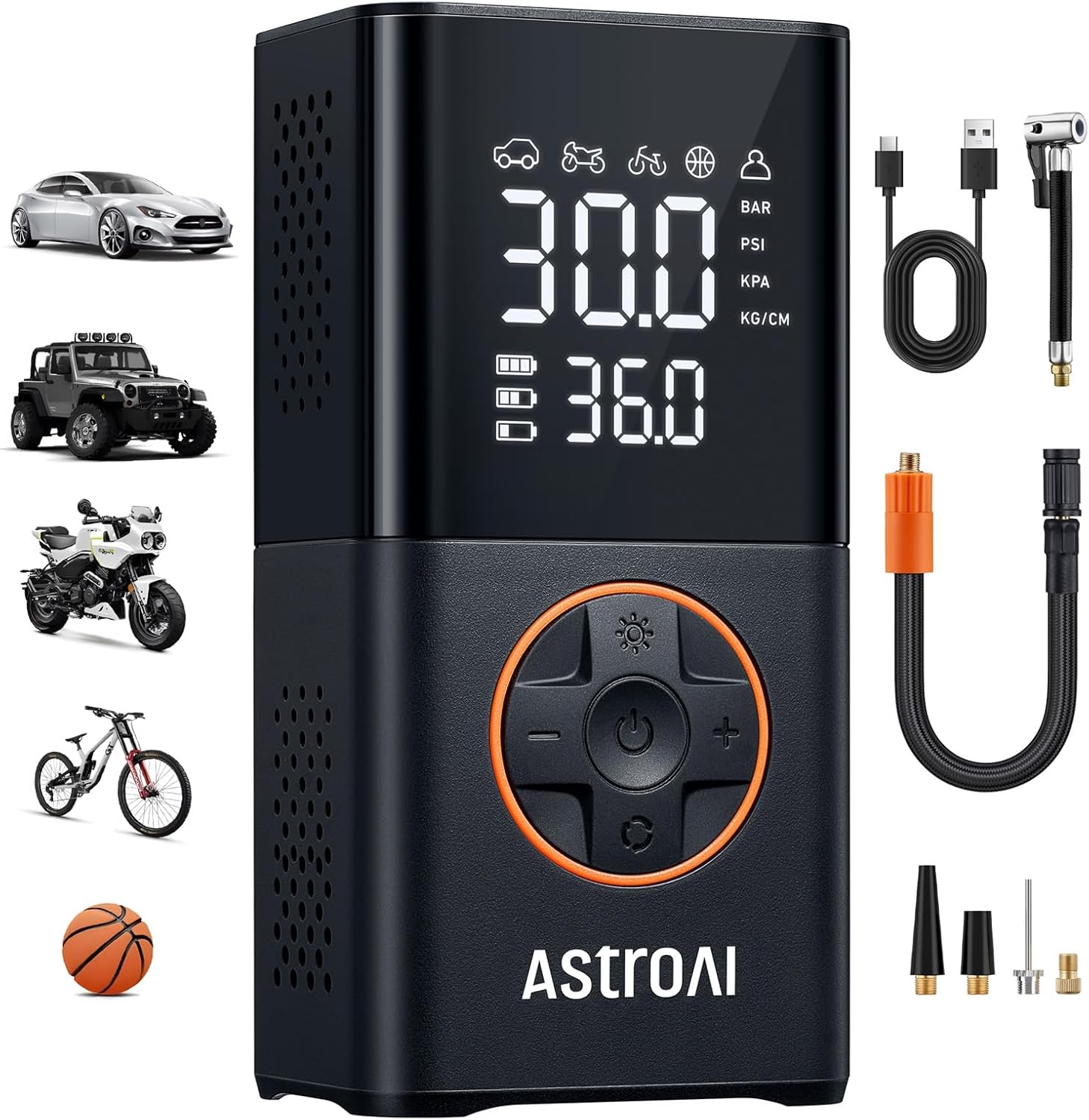
AstroAI L7 provides fast, cordless inflation for cars, motorcycles, bicycles, e-bikes, and sports balls with preset smart modes and a custom pressure option. Its compact design, dual digital display, and built-in auto-off make it easy to use for quick road-trip top-offs and emergency roadside inflation. The unit includes LED lighting and an SOS strobe flashlight for visibility, plus USB-C/USB ports for charging devices.
Compare Sonata Tire Models Using UTQG, Warranties, and Reviews
A good comparison looks beyond the sidewall code. UTQG helps narrow the list, but warranty terms and owner feedback show how the tire behaves in normal driving.
| What to Compare | Why It Matters | Best Question to Ask |
|---|---|---|
| UTQG treadwear | Shows relative wear potential | Does this rating match the warranty and reviews? |
| Traction grade | Helps compare wet straight-line braking | Is it A or AA for rainy driving? |
| Temperature grade | Shows heat-resistance level | Is it suitable for my highway use and climate? |
| Warranty | Shows manufacturer confidence and coverage terms | What rotation and maintenance records are required? |
| Reviews | Reveal road noise, ride comfort, wet handling, and real wear | Are reviewers driving similar sedans in similar weather? |
Common UTQG Mistakes to Avoid
- Buying only by treadwear number: A higher treadwear rating is not automatically safer or better for wet roads.
- Ignoring tire age: A tire with deep tread can still be too old or damaged to use safely.
- Comparing UTQG across unrelated tire types: A touring tire, performance tire, and winter tire are built for different jobs.
- Forgetting the door placard: UTQG does not replace the Sonata’s required tire size, load information, and cold tire pressure.
- Assuming traction means all grip: UTQG traction is wet straight-line braking only.
Frequently Asked Questions
Is UTQG 600 AA good for a Hyundai Sonata?
Yes, a tire marked 600 AA has a high relative treadwear rating and the highest wet straight-line braking traction grade. Still, check the temperature grade, tire size, load index, speed rating, warranty, DOT date, and real-world reviews before buying it for your Sonata.
Is a higher or lower UTQG treadwear number better?
A higher treadwear number usually suggests longer relative wear under UTQG test conditions, but it is not always the better tire. Wet grip, comfort, noise, braking, warranty terms, and climate performance may matter more depending on how and where you drive.
How many miles is 600 treadwear good for?
A 600 treadwear rating does not convert to one exact mileage number. It means the tire showed longer relative wear than lower-rated tires under the UTQG test method. Actual miles depend on pressure, alignment, rotation, driving style, road surface, climate, and load.
Does UTQG apply to winter tires?
UTQG does not apply to deep-tread winter-type snow tires under federal UTQG rules. If you are buying winter tires for a Sonata, focus on winter performance testing, snow and ice reviews, correct size, load rating, and the severe-snow-service symbol when applicable.
Where is the UTQG code on a Sonata tire?
The UTQG code is stamped on the tire sidewall, usually between the tread shoulder and the widest section of the tire. It may read something like “Treadwear 500 Traction A Temperature A” or “UTQG 500 A A.”
Should I replace Sonata tires based only on the DOT date?
No. DOT age is important, but replacement decisions should also consider tread depth, cracks, bulges, punctures, uneven wear, pressure loss, vibration, and manufacturer guidance. If a tire is old or damaged, have it inspected by a tire professional.
Conclusion
UTQG ratings help Hyundai Sonata owners make smarter tire choices, but they work best as comparison tools. Use treadwear to estimate relative durability, traction to compare wet straight-line braking, and temperature to judge heat resistance. Then confirm the tire fits your exact Sonata, check the DOT date, review the warranty, and compare real-world feedback for your climate and driving style. The best tire is not simply the one with the biggest treadwear number; it is the one that balances safety, comfort, durability, and fitment for your Sonata.
Sources
- NHTSA Tire Safety Ratings and Awareness — supports UTQG overview, tire safety, DOT/TIN date-code guidance, tire aging, and maintenance advice.
- NHTSA Consumer Guide to Uniform Tire Quality Grading — supports treadwear, traction, and temperature definitions.
- 49 CFR § 575.104 Uniform Tire Quality Grading Standards — supports official UTQG scope, exclusions, grade wording, and test limitations.
- Hyundai Digital Owner’s Manual — supports checking vehicle-specific tire size, load, and pressure information for the correct Sonata model year.
- Hyundai Manuals and Warranties — supports using official Hyundai owner resources for vehicle-specific tire and maintenance guidance.

Related Articles

Danger of Using Summer Tires in Winter on a Hyundai Sonata
Potentially perilous, using summer tires in winter on your Hyundai Sonata can compromise safety—discover the hidden dangers that await you on icy roads.
Read More
Can You Mix Nitrogen and Air in Hyundai Sonata Tires? Answered
Discover the implications of mixing nitrogen and air in your Hyundai Sonata tires—are the benefits worth the risks? Explore the answer inside!
Read More
How to Tell If Hyundai Sonata Tires Are Too Old to Use Safely
Understand how to assess the age of your Hyundai Sonata tires and discover crucial signs of deterioration that could compromise your safety on the road.
Read More