
Why Does My RAV4 Pull to One Side While Driving?
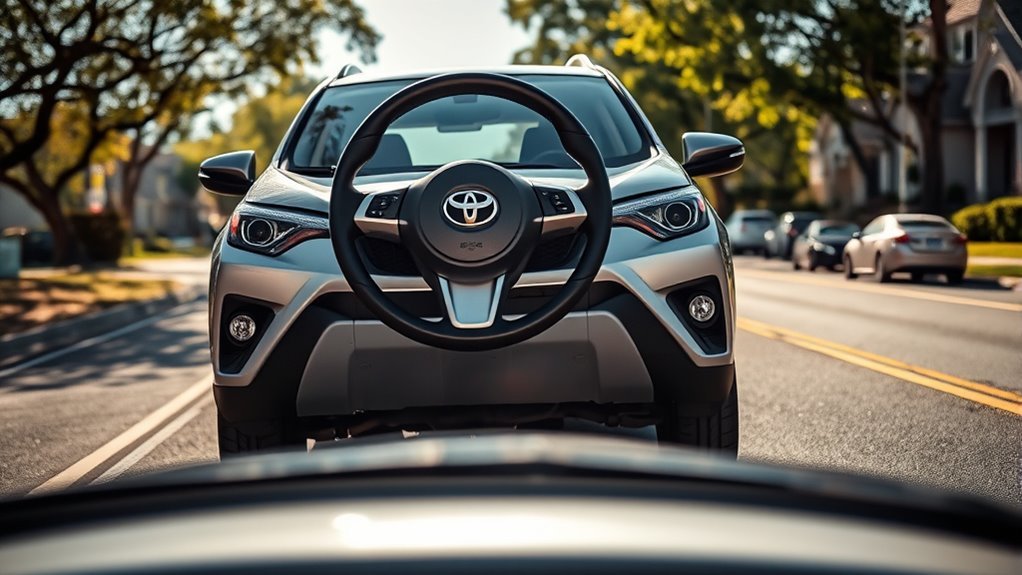
If your RAV4 pulls to one side while driving, start with the simple checks first: tire pressure, tire condition, and road surface. If the pull is strong, happens while braking, or the steering feels unstable, treat it as a safety issue and have the vehicle inspected before continuing to drive.
Quick Answer
A RAV4 usually pulls to one side because of uneven tire pressure, uneven tire wear, wheel alignment problems, brake drag, or worn suspension and steering parts. On newer models, Lane Tracing Assist can also feel like steering input, so test the vehicle on a level road with driver-assist steering turned off.
Key Takeaways
- Check tire pressure cold and use the pressure listed on the driver-side Tire and Loading Information label or owner’s manual, not the number printed on the tire sidewall.
- A pull only on crowned or uneven roads may be road-surface related; a pull on a flat, level road points more strongly to a vehicle issue.
- If the RAV4 pulls harder while braking, do not ignore it. Brake drag, a sticking caliper, or uneven braking force can affect control.
- Wheel alignment should be checked with a printout showing toe, camber, and caster, especially if the steering wheel is off-center.
- Late-model RAV4s with Lane Tracing Assist may apply small steering inputs, so compare behavior with the system on and off.
At a Glance
| Time Required | 10–30 minutes for basic checks; longer if a shop diagnosis is needed |
| Difficulty | Easy for tire checks; professional-level for brake, alignment, suspension, or steering repairs |
| Tools Needed | Tire pressure gauge, flashlight, tread-depth gauge or penny, owner’s manual, and a safe level road for testing |
| Cost | Usually $0–$20 for basic tire checks; professional alignment, brake, or suspension repair costs vary by shop and parts needed |
Warning: Do not keep driving normally if your RAV4 pulls heavily to one side, pulls hard while braking, has a burning smell near a wheel, shows visible tire damage, or has a spongy brake pedal. Slow down, stop in a safe place, and arrange professional inspection.
Why Does My RAV4 Pull to One Side?
A RAV4 can pull left or right when the tires, brakes, suspension, steering, alignment, or driver-assist systems are not behaving evenly from side to side. The most common causes are simple: one front tire is low, one tire is worn differently, or the wheels are out of alignment.
Before assuming the worst, test the vehicle on a straight, level road with light traffic. Many roads are built with a slight crown so rainwater drains away. A small drift toward the shoulder on that type of road can be normal. A steady pull on a flat road, or a steering wheel that must be held off-center to drive straight, deserves diagnosis.
Toyota’s owner guidance treats heavy pulling to one side while driving on a level road or while braking as a sign that something may be wrong. That is why the safest approach is to start with tires, then move to brakes, alignment, suspension, and Lane Tracing Assist settings.
[Products Worth Considering]

EVOULTES heavy duty tire inflator with an integrated gauge delivers accurate pressure readings from 10–120 PSI, helping you inflate, deflate, and check tires in one tool. The 16.5-inch extended dual-head air chuck with swivel base reaches hard-to-access dual wheel valves on trucks and RVs. A brass trigger core and side-mounted air release valve make operation smooth, with standard 1/4" NPT threading and quick-connect compatibility for easy setup.

The JACO FlowPro Tire Inflator measures, inflates, and airs down tires up to 100 PSI with battery-free operation and ±2% accuracy after calibration. It features a glowing pressure dial for night visibility, a heavy-duty steel build with a hybrid hose, and a precision push-to-inflate thumb trigger. The patented Lightning Air Chuck locks on for a secure seal, and the kit includes quick-connect hardware for easy inline use with your air compressor.

This portable cordless tire inflator delivers fast, efficient inflation for cars, motorcycles, bikes, and sports balls with a digital pressure gauge. Use the one-click PSI preset with auto shut-off for accurate, hands-free topping to your target pressure up to 150 PSI. It’s compact and rechargeable with a built-in emergency LED light plus valve adapters and accessories for quick, ready-to-go use.
What Causes My RAV4 to Drift Left or Right?
The cause depends on when the pull happens. A constant pull while cruising often points to tires or alignment. A pull that appears mostly during braking points more toward the brake system. A wandering feeling over bumps may involve suspension, steering, or tire wear.
| Likely Cause | What You May Notice | First Check |
|---|---|---|
| Uneven tire pressure | Vehicle drifts toward one side; steering may feel heavier | Check all four tires cold with a gauge |
| Uneven tire wear or tire damage | Noise, vibration, cupping, feathering, or pull after tire rotation | Inspect tread and sidewalls |
| Wheel alignment | Off-center steering wheel, uneven tread wear, or constant drift | Request an alignment inspection and printout |
| Brake drag or sticking caliper | Pull worsens while braking, burning smell, or one wheel feels hotter than the others | Have the brake system inspected |
| Suspension or steering wear | Clunks, loose steering, wandering, or uneven ride height | Inspect control arms, bushings, tie rods, struts, and ball joints |
| Lane Tracing Assist or lane centering | Subtle steering input when lane markings are detected | Compare behavior with the system on and off |
Does Tire Pressure Impact Steering?
Yes. Tire pressure has a direct effect on steering feel, traction, tire wear, and braking. The National Highway Traffic Safety Administration notes that even a few psi difference from the vehicle manufacturer’s recommended pressure can affect handling and stopping distance. For a RAV4 that suddenly starts pulling, tire pressure should be the first check.
How to Check RAV4 Tire Pressure Correctly
- Park the RAV4 on a safe, level surface and let the tires cool. Tire pressure rises after driving.
- Find the recommended pressure on the driver-side Tire and Loading Information label or in the owner’s manual.
- Use a reliable tire pressure gauge on all four tires, not just the tire on the side the vehicle pulls toward.
- Add or release air until each tire matches the recommended cold pressure.
- Recheck after a short drive. If one tire loses pressure again, inspect it for a puncture, valve-stem leak, or rim issue.
Pro Tip: Do not inflate your RAV4 tires to the maximum pressure printed on the tire sidewall. Use the Toyota-recommended pressure on the door-jamb label or owner’s manual.
Uneven Wear Consequences
Uneven tire wear can make a RAV4 pull even after tire pressure is corrected. Look for feathered tread edges, cupping, bald shoulders, bubbles, cuts, or a tire that looks more worn than the matching tire on the other side.
If the pull changed after a tire rotation, the problem may have moved with a tire. That can happen when a tire has internal damage, uneven wear, or a conicity issue. A tire shop can rotate, road-force balance, or inspect the tire to confirm it.
Alignment and Handling Issues
Bad alignment changes how the tires meet the road. Toe, camber, and caster angles all matter. Too much toe can scrub the tires. Uneven camber can make the vehicle favor one side. Unequal caster can also create a steady pull.
Ask the shop for the before-and-after alignment printout. A good printout helps you see whether the RAV4 was actually out of specification and whether the technician corrected it.
Why Wheel Alignment Matters for Your RAV4

Wheel alignment matters because all four tires need to point and sit on the road at the correct angles. When alignment is off, the RAV4 may pull, the steering wheel may sit crooked, and the tires may wear faster than they should.
Common alignment triggers include hitting a curb, driving through a deep pothole, installing new tires, replacing suspension parts, or noticing the steering wheel is no longer centered. If the RAV4 pulled before and after an alignment, ask whether the shop checked tire condition, brake drag, ride height, and worn suspension parts. Alignment alone cannot fix a damaged tire, bent component, or sticking brake caliper.
Note: Toyota warranty coverage can vary by model year and region, but Toyota’s U.S. Warranty & Maintenance Guide lists wheel alignment and wheel balancing coverage as 12 months or 12,000 miles, whichever comes first. Check your specific warranty booklet for your vehicle.
How Brake Drag Affects Steering Performance
Brake drag happens when a brake pad, caliper, slide pin, hose, or parking-brake component does not fully release. That wheel creates extra resistance, which can make the RAV4 pull toward that side. It can also overheat the brake, reduce fuel economy, create burning smells, and wear pads or rotors unevenly.
Brake-related pulling often shows up in one of these ways:
- The RAV4 drives mostly straight but pulls when you press the brake pedal.
- One wheel area smells hot or burnt after a short drive.
- Brake dust is much heavier on one wheel than the matching wheel on the other side.
- The steering wheel shakes or tugs during braking.
- The vehicle feels held back, as if one wheel is dragging.
Warning: Do not touch a wheel, rotor, or caliper to check heat. Brake parts can burn skin. If you suspect brake drag, let a qualified technician inspect the calipers, pads, rotors, hoses, and slide pins.
Could Suspension Issues Be Causing the Pull?
Yes. Worn, loose, bent, or damaged suspension and steering parts can change alignment while the RAV4 is moving. That can create a pull, wandering, clunking, vibration, or a steering wheel that does not return to center normally.
[Products Worth Considering]
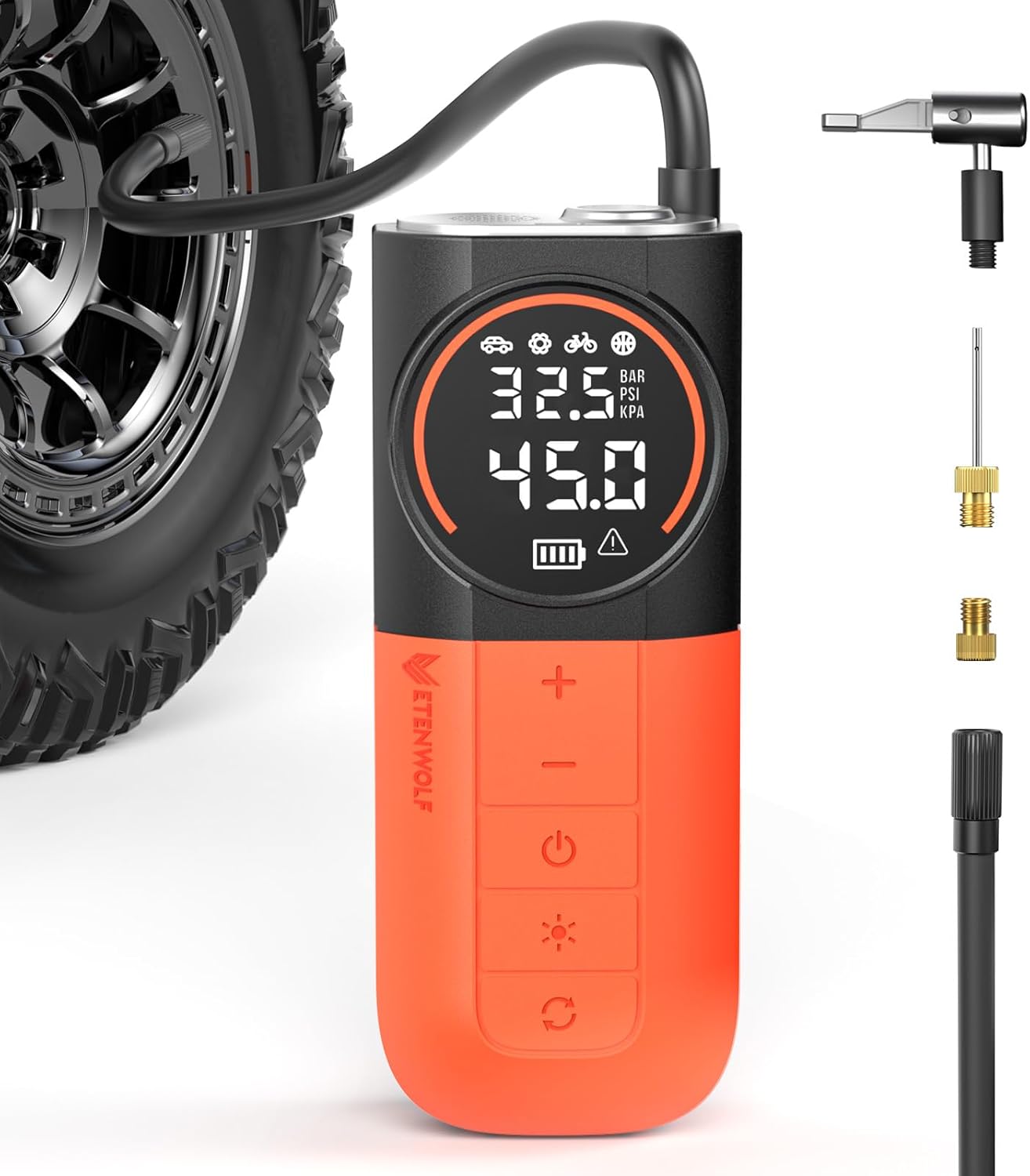
The ETENWOLF S1 cordless tire inflator delivers ultra-fast inflation with up to 160 PSI and a 20 L/min airflow for quicker tire top-offs. Its 5200mAh battery and cooling system support inflating many tires and sports balls on a single charge, while the digital pressure gauge and multi-unit display help you reach the right pressure accurately. With preset modes, pressure memory, an auto-stop feature, and an LED flashlight, it’s built for easy roadside and everyday use.

This portable cordless tire inflator delivers up to 160 PSI with fast 17 L/min airflow to help you quickly top up tires and get back on the road. It features dual power mode, running on a 21V rechargeable battery or a 12V DC adapter for convenient roadside use. An automatic shut-off with digital pressure gauge helps prevent overinflation, and a built-in LED light improves visibility in low-light conditions.
Potential Suspension Wear
Parts to inspect include control arms, bushings, ball joints, tie rods, struts, strut mounts, wheel bearings, and sway-bar links. Wear in these parts may not always be obvious from the driver’s seat, but it can change tire angle and road contact enough to cause pulling or uneven tire wear.
Signs that suspension wear may be involved include:
- Clunking over bumps
- Steering that feels loose or delayed
- A RAV4 that wanders instead of tracking straight
- Uneven ride height from side to side
- Tire cupping or scalloped tread wear
- Alignment that will not stay within specification
Misaligned Suspension Components
If a suspension part is bent or worn, an alignment may not hold. A technician should inspect the suspension before aligning the vehicle, especially after curb impact, pothole damage, collision repair, or repeated abnormal tire wear.
Do not keep paying for repeat alignments without asking why the settings are changing. A good shop should check for loose parts, bent wheels, damaged tires, and brake drag before blaming alignment alone.
Impact of Road Conditions
Road crown, ruts, potholes, grooved pavement, crosswinds, and uneven surfaces can make a RAV4 drift even when the vehicle is healthy. The key test is repeatability. If the RAV4 pulls the same direction on different flat roads, the vehicle likely needs inspection. If the drift changes with road slope or wind, the road may be the main cause.
Does Lane Assist Affect Steering?
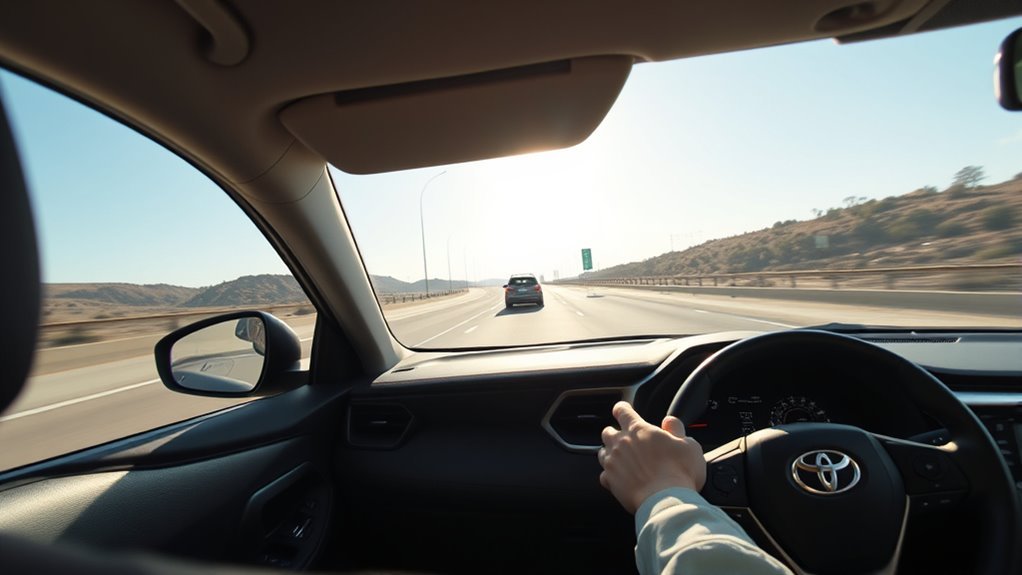
On late-model RAV4s, Lane Tracing Assist and lane-centering functions can provide small steering inputs when the system detects lane markings or a vehicle ahead. That assistance can feel like a light tug at the steering wheel, especially on roads with strong lane markings, curves, crosswinds, or uneven surfaces.
This does not mean Lane Tracing Assist is “causing” a mechanical pull. It means you should separate driver-assist behavior from tire, brake, alignment, or suspension problems.
- Choose a safe, straight, level road with clear traffic conditions.
- Drive normally with Lane Tracing Assist or lane centering on and note the behavior.
- Turn the system off using the Toyota procedure for your model and repeat the test.
- If the pull disappears only when the system is off, review camera visibility, lane markings, tire matching, and system settings.
- If the RAV4 still pulls with the system off, continue with tire, brake, alignment, and suspension checks.
Toyota’s driving-support documentation also warns that tire differences, non-specified tire sizes, snow tires, road conditions, crosswinds, and a dirty or misaligned camera can affect system behavior. For that reason, driver-assist diagnosis should not replace a mechanical inspection.
Step-by-Step Diagnosis for a RAV4 That Pulls
Use this order so you do not pay for an alignment before checking easier causes.
Step 1: Check for Safety Red Flags
Stop driving and arrange inspection if the pull is sudden or severe, if it happens while braking, if a tire is damaged, if you smell burning near a wheel, or if the brake pedal feels abnormal.
Step 2: Check Tire Pressure Cold
Set all tires to the pressure listed on the driver-side label or owner’s manual. Recheck any tire that was low after a day or two because slow leaks are common.
Step 3: Inspect Tires and Wheels
Look for uneven wear, bubbles, cuts, exposed cords, bent wheels, missing wheel weights, or mismatched tire sizes. If the tires are not the same size, type, structure, or tread pattern, correct that before chasing advanced steering problems.
Step 4: Test on a Level Road
Drive on a safe, flat road. Keep both hands near the wheel and avoid testing in heavy traffic. A vehicle that pulls on one road but not another may be reacting to road crown. A vehicle that pulls the same way everywhere needs more diagnosis.
Step 5: Compare Driver-Assist Settings
If your RAV4 has Lane Tracing Assist, compare the behavior with the system on and off. Follow your owner’s manual and do not test in unsafe conditions.
Step 6: Check for Brake Drag Symptoms
After a short drive without heavy braking, notice whether one wheel area smells unusually hot or whether the vehicle feels held back. Do not touch brake parts. A technician can safely check caliper release, pad movement, hose condition, and rotor temperature.
Step 7: Get an Alignment and Suspension Inspection
If the tires and brakes check out, request an alignment inspection with a printout. Ask the shop to inspect suspension and steering parts before adjusting toe, camber, or caster.
When to Consult a Professional for Alignment
Consult a professional if your RAV4 keeps pulling after tire pressure is corrected, if the steering wheel is off-center, if the tires show uneven wear, or if the vehicle was recently hit by a curb or pothole. Also get help if the pull appears during braking, because that may not be an alignment issue.
When you call the shop, describe the symptom clearly:
- Which direction the RAV4 pulls
- Whether it happens during acceleration, cruising, braking, or over bumps
- Whether the steering wheel is centered
- Whether the tires were recently rotated or replaced
- Whether Lane Tracing Assist was on or off
- Whether any warning lights are on
This information helps the technician avoid guessing and makes it easier to separate tire, brake, alignment, suspension, and driver-assist causes.
Frequently Asked Questions
Why does my RAV4 suddenly pull to one side while driving?
A sudden pull is often caused by a low tire, tire damage, a brake problem, road impact, or a suspension issue. Check tire pressure and tire condition first. If the pull is strong, happens while braking, or appeared suddenly after a pothole or curb hit, have the RAV4 inspected before driving normally.
What is the most likely cause of a vehicle pulling to one side?
The most common causes are uneven tire pressure, uneven tire wear, and wheel alignment problems. If the pull happens mostly when braking, a sticking brake caliper, uneven brake pad contact, or another brake issue becomes more likely.
Can low tire pressure make my RAV4 pull left or right?
Yes. If one tire is lower than the others, the RAV4 can drift or pull because the tires are not contacting the road evenly. Check the pressure cold and use the pressure listed on the driver-side Tire and Loading Information label or the owner’s manual.
Can Lane Tracing Assist feel like my RAV4 is pulling?
It can feel that way. Lane Tracing Assist can apply small steering inputs to help keep the vehicle in its lane. Test carefully on a safe, level road with the system on and off. If the pull remains with the system off, look for tire, brake, alignment, suspension, or steering issues.
Is it safe to drive a RAV4 that pulls to one side?
A mild drift on a crowned road may be normal, but a strong or sudden pull is not something to ignore. Do not keep driving if the pull is severe, happens while braking, comes with tire damage, or is paired with burning smells, vibration, clunks, or brake warning signs.
Conclusion
If your RAV4 pulls to one side, begin with the basics: check cold tire pressure, inspect tire wear, and test on a level road. If those checks do not solve it, move to brake drag, wheel alignment, suspension wear, and Lane Tracing Assist behavior. A steady pull is more than an annoyance; it can shorten tire life and reduce control, especially during braking or emergency maneuvers.
The best fix is the one that matches the symptom. Tire pressure fixes should be quick. Brake, suspension, steering, and alignment issues need proper inspection. If the pull is heavy, sudden, or brake-related, stop guessing and have the RAV4 checked by a qualified technician.
Sources
- NHTSA TireWise — tire safety, maintenance, tire pressure, and tire-related crash prevention guidance
- NHTSA Tire Pressure Maintenance Technical Report — tire pressure differences affecting handling and stopping distance
- NTSB Tire Safety Alert SA-044 — checking tire pressure monthly and using the vehicle label or owner’s manual pressure
- Toyota 2025 RAV4 Driving Support Systems Owner’s Manual Excerpt — Lane Tracing Assist steering support and operating conditions
- Toyota RAV4 Warranty & Maintenance Guide — alignment and wheel balancing warranty coverage details

Related Articles

Toyota RAV4 TPMS Reset: Easy Steps That Work
Unlock the secrets to resetting your Toyota RAV4's TPMS effortlessly—discover the essential steps to ensure your tires are always safe.
Read More
Toyota RAV4 Tire Rotation: DIY Steps & Pattern
Take control of your Toyota RAV4's tire maintenance with our simple DIY rotation guide—discover the best steps for optimal performance and longevity!
Read More
Mix Tire Brands on a Toyota RAV4? Expert Guide
Keeping your RAV4 safe? Learn when mixing tire brands risks traction, ABS/TCS and AWD damage — and what exact matches you must insist on.
Read More