
How to Fix a Tire With a Nail in It on a RAV4: Step-By-Step
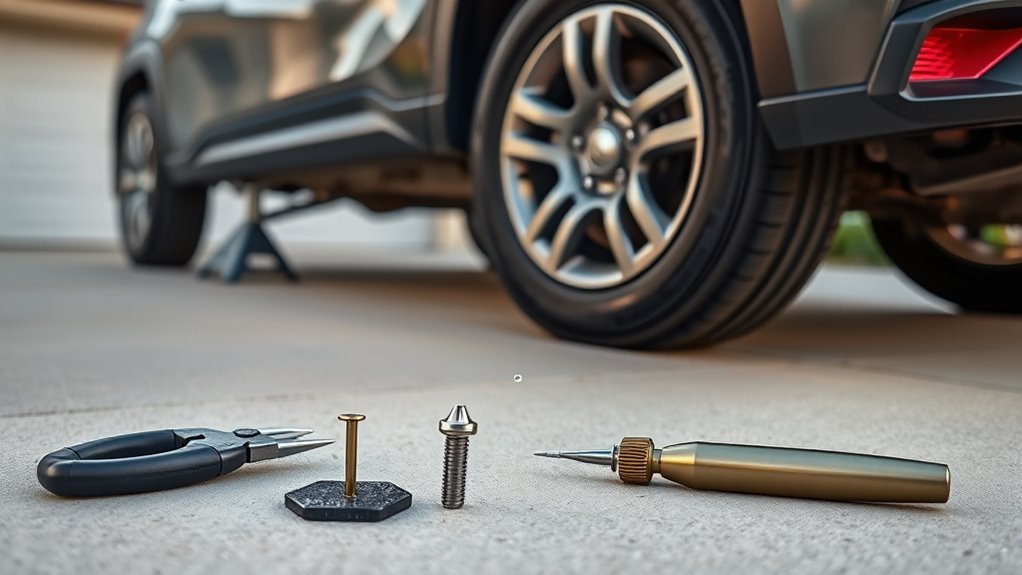
Finding a nail in your RAV4 tire is stressful, but the safest next step depends on where the nail is, how much air the tire has lost, and whether the tire was driven while flat. A small puncture in the repairable tread area may be professionally repaired, but a sidewall puncture, shoulder damage, or a tire that was driven underinflated may need replacement.
Quick Answer
A RAV4 tire with a nail may be repairable if the puncture is in the tread area, no larger than 1/4 inch (6 mm), and the tire passes an internal inspection. A DIY plug can help in an emergency, but the proper long-term repair is a professional plug-patch repair after the tire is removed from the wheel.
Key Takeaways
- Do not pull the nail out until you are ready to check pressure, plug the tire temporarily, install the spare, or go to a tire shop.
- A tire is usually not repairable if the nail is in the sidewall, shoulder, or outer tread edge, or if the puncture is larger than 1/4 inch (6 mm).
- A string plug by itself is a temporary roadside fix, not the same as a proper internal plug-patch repair.
- Inflate to the cold tire pressure shown on your RAV4’s driver-side tire placard or owner’s manual, not the maximum pressure printed on the tire sidewall.
- If the tire is flat, visibly damaged, bulging, leaking quickly, or the TPMS light keeps returning, use the spare or call roadside assistance.
At a Glance
| Time Required | 10–20 minutes for a temporary plug; longer if you install the spare or visit a tire shop. |
| Difficulty | Moderate for a temporary plug; professional service is recommended for the final repair. |
| Tools Needed | Pressure gauge, portable inflator, soapy water, tire plug kit, needle nose pliers, gloves, eye protection, and your RAV4 spare or repair kit if equipped. |
| Cost | Low for a DIY temporary plug kit; professional repair or replacement cost varies by tire size, shop, and damage. |
Warning: Do not drive on a flat or severely underinflated tire. Driving even a short distance can damage the sidewall and inner liner, turning a repairable nail puncture into a tire that must be replaced.
Assessing Tire Damage: Can It Be Repaired?
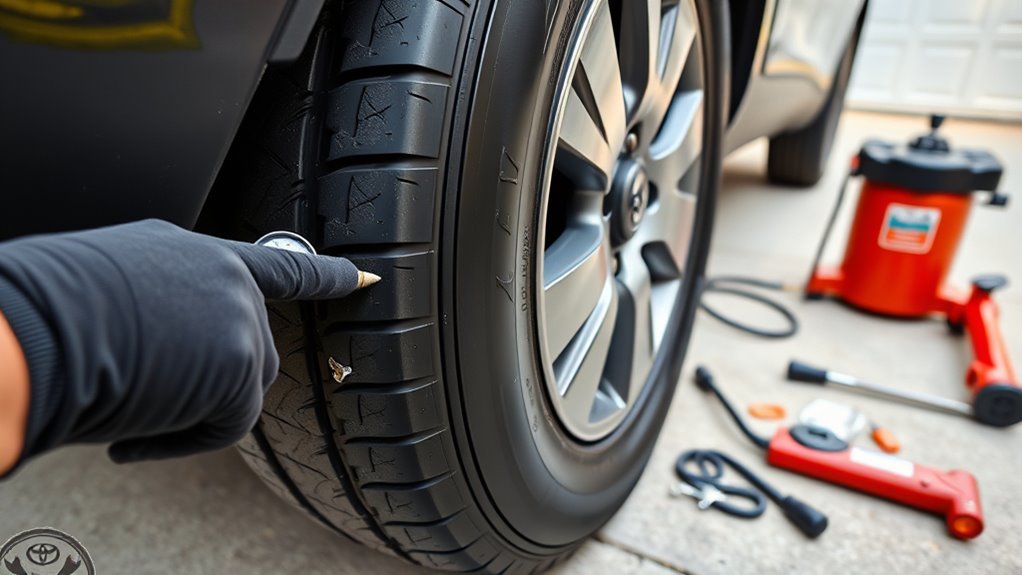
Start by checking the tire before you pull the nail out. If the nail is still sealing the hole, removing it can cause the tire to lose air quickly. Park on a flat, safe surface, turn on your hazard lights if needed, and check the tire pressure with a gauge.
A nail puncture may be repairable when all of these are true:
- The nail is in the main tread area, not the sidewall or shoulder.
- The puncture is no larger than 1/4 inch (6 mm).
- The tire was not driven while flat or badly underinflated.
- There are no bulges, exposed cords, cracks, cuts, or severe tread damage.
- The puncture does not overlap an old repair.
- The tread is not worn down to the treadwear bars or 2/32 inch.
If the nail is near the sidewall, on the shoulder, or angled toward the outer edge of the tread, treat the tire as unsafe until a tire technician inspects it. Sidewall and shoulder punctures are not proper repair candidates because those areas flex heavily and cannot hold a safe repair.
Note: A tire can look fine from the outside while hiding internal damage. That is why the proper repair process removes the tire from the wheel so the inner liner and sidewall can be inspected.
[Products Worth Considering]

This tire repair kit provides fast emergency puncture repair without removing the tire from the rim, helping you get back on the road quickly. Its screw plug system is designed for punctures in both tread and sidewall and includes a complete patch plug tool set with essential accessories. A portable storage bag makes it easy to carry for cars, trucks, SUVs, motorcycles, and heavy-duty applications.

This tire repair patch tool kit helps you quickly seal small punctures using upgraded mushroom plugs and a built-in roller system that presses for even penetration. The tungsten buffing wheel and HSS twist drill bits prepare the damaged surface for stronger adhesion, while the crown-angle friendly plugs are designed to keep water and debris out. Ideal for puncture repairs on many vehicle types, from cars and trucks to bikes and scooters.

This compact capsule-style tire repair kit helps you quickly fix punctures and plug flats with minimal effort. The rugged stainless steel shell protects the contents for reliable roadside use, while the simple plug assembly makes repairs fast and tool-free. Suitable for motorcycles, cars, ATVs, UTVs, and even mountain bikes.
What to Do Before You Remove the Nail
Before using pliers, decide which situation you are in:
| Tire condition | Safest action |
| Nail is in the center tread and pressure is holding | Leave the nail in place and drive carefully to a nearby tire shop, avoiding highway speeds and long distances. |
| Tire is leaking slowly but still has air | Inflate to the RAV4 placard pressure, check for bubbles with soapy water, and go directly for professional service. |
| Tire is flat or the sidewall looks damaged | Do not drive on it. Install the spare if your RAV4 has one, use the approved emergency kit, or call roadside assistance. |
| Nail is in the sidewall, shoulder, or outer tread edge | Plan on replacement unless a qualified technician confirms otherwise. |
Proper Repair vs. Temporary Plug
The safest question is not simply “patch or plug?” A proper passenger tire repair normally does two jobs: it fills the puncture channel with a rubber stem and seals the inner liner with a patch. That means the tire has to be removed from the wheel for inspection and repair.
Proper Plug-Patch Repair
A professional plug-patch repair is the best option when the tire is repairable. The technician removes the tire from the rim, checks the inside for damage, prepares the puncture area, fills the injury, seals the inner liner, reinflates the tire, and checks for leaks. This is the repair to choose when you want the tire returned to normal service.
Temporary String Plug
A string plug from a roadside kit can slow or stop a leak long enough to get you out of trouble, but it should not be treated as the final repair. A plug inserted from the outside does not let you inspect the inner liner, and it does not provide the same complete seal as a professional internal repair.
When the Tire Needs Replacement
Replace the tire instead of repairing it if the puncture is in the sidewall or shoulder, the tire has been driven flat, the tread is worn to 2/32 inch, cords are visible, the tire has a bulge, the puncture is larger than 1/4 inch (6 mm), or a technician finds internal damage.
The safest repairable nail puncture is small, straight, in the main tread area, and inspected from the inside before the tire goes back into regular service.
Gather Your Tools for a Quick Fix
If you only need a temporary roadside fix, gather everything before removing the nail. Keep your body out of traffic, work on level ground, and avoid using a jack unless the vehicle is parked safely and you are following the RAV4 jack instructions.
Essential Tools Needed
- Tire pressure gauge: Use this before and after inflation.
- Portable tire inflator: Refill the tire to the cold pressure listed on the driver-side tire placard or owner’s manual.
- Soapy water in a spray bottle: Spray the puncture and valve stem to check for bubbles.
- Tire plug kit: Includes plugs, insertion tool, and reamer for a temporary repair.
- Needle nose pliers: Helps remove the nail or screw when you are ready to plug the hole.
- Utility knife or side cutters: Trims excess plug material after insertion.
Safety Gear Checklist
- Work gloves to protect your hands from steel belts, sharp nails, and tools.
- Safety glasses to protect your eyes while reaming or trimming.
- Reflective vest, warning triangle, or road flares if you are stopped near traffic.
- Flashlight or headlamp for low-light repairs.
Pro Tip: Check the tire pressure label on the driver-side door edge or door jamb before inflating. The tire sidewall shows maximum tire information, not the RAV4’s recommended cold tire pressure.
Fixing a Tire With a Nail: Using a Tire Plug Kit
Use this method only as a temporary repair when the nail is in the tread area and you need to get to a tire shop. Do not plug a sidewall puncture, shoulder puncture, large hole, or tire that has been driven flat.
- Park safely. Choose a flat location away from traffic. Set the parking brake and turn on hazard lights if needed.
- Check tire pressure. If the tire is flat or almost flat, install the spare or call roadside assistance instead of driving on it.
- Find the leak. Spray soapy water around the nail, valve stem, and bead area. Bubbles show where air is escaping.
- Remove the nail. Use needle nose pliers and pull straight out when you are ready to plug the hole.
- Prepare the puncture. Use the reamer from the plug kit according to the kit instructions. Keep the tool aligned with the puncture angle.
- Insert the plug. Thread the plug into the insertion tool, push it into the puncture, and pull the tool back out as directed by the kit.
- Trim the excess. Cut the plug material close to the tread surface without pulling it out.
- Inflate the tire. Use the RAV4’s recommended cold pressure from the tire placard or owner’s manual.
- Check for leaks again. Spray soapy water over the plug. If bubbles continue, do not drive on the repair.
- Get a professional repair. Drive carefully to a tire shop and ask for an internal inspection and proper plug-patch repair.
Warning: A temporary plug that still bubbles, loses pressure, or makes the vehicle vibrate is not safe to drive on. Stop and use the spare or call for help.
Safety First: Key Considerations Before Driving
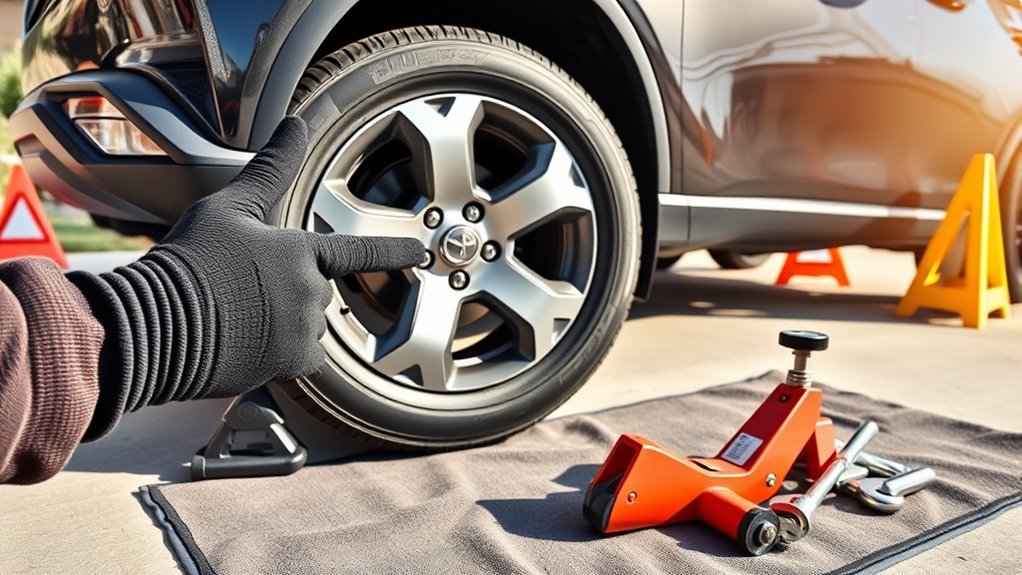
Before driving, confirm that the tire is holding air and that the RAV4 feels normal. If the steering pulls, the tire thumps, the TPMS warning returns, or the tire loses pressure again, stop driving and get help.
| Inspection Item | What to Check | When to Check |
|---|---|---|
| Air pressure | Use a gauge and inflate to the RAV4 placard pressure when cold. | Before driving and again after a short trip. |
| Leak check | Spray soapy water on the plug, valve stem, and bead area. | Immediately after a temporary plug. |
| Sidewall condition | Look for bulges, cuts, cracks, scuffs, and signs of being driven flat. | Before every drive after a puncture. |
| Tread depth | Replace tires worn to 2/32 inch or to the treadwear indicators. | Monthly and before long trips. |
| TPMS light | A steady light means low pressure; flashing then steady may indicate a TPMS system issue. | Any time the dashboard warning appears. |
[Products Worth Considering]
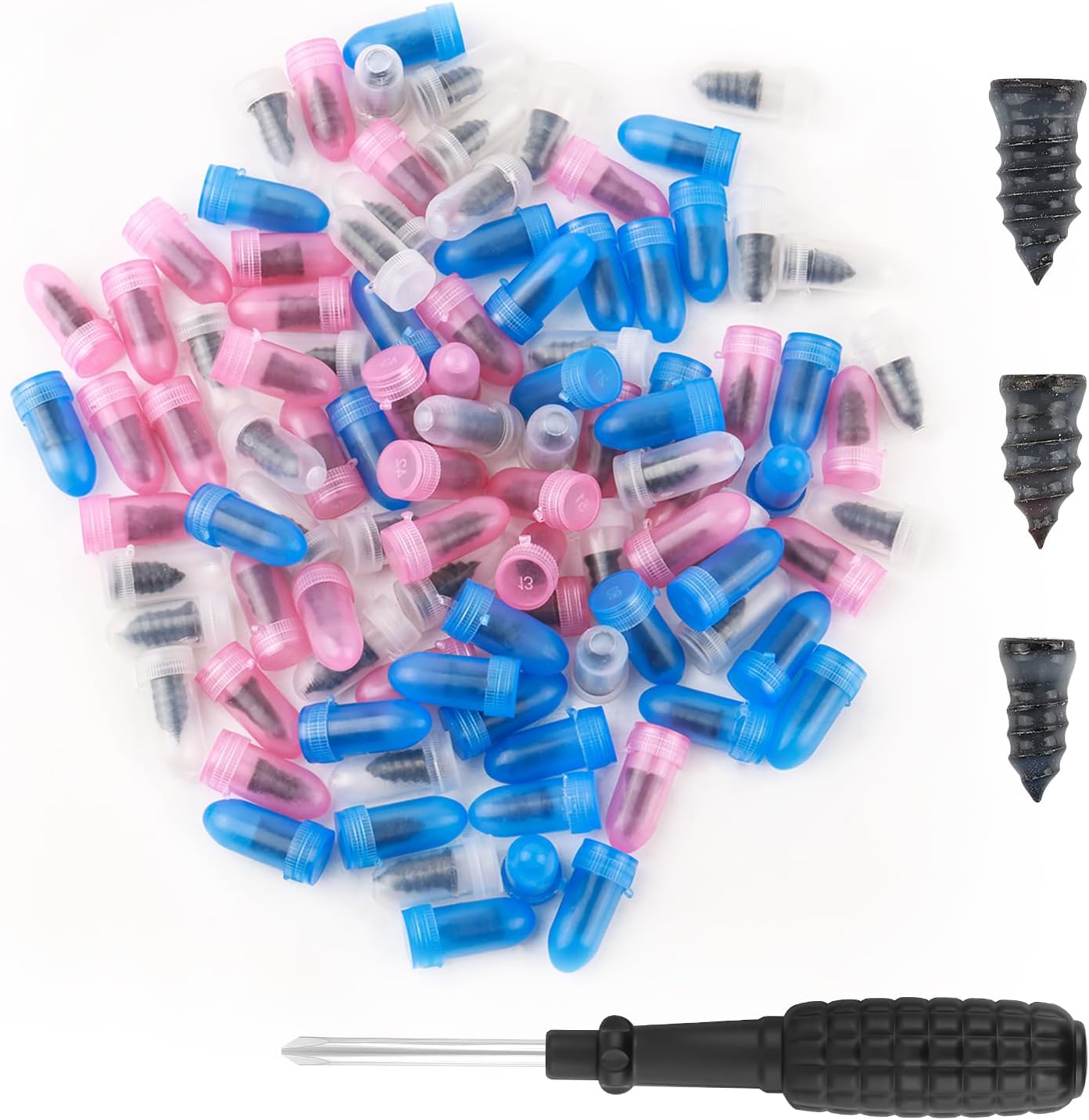
This 100-piece tire repair screw plug kit provides a fast, self-service solution for punctures on the road. Choose the correct plug size, insert it into the break, and screw it in to help seal the puncture and temporarily restore tire pressure. Thickened threads and rubber-wrapped plugs improve bite and sealing while remaining compact and easy to carry.

This AUTOWN flat tire repair kit is designed for quick, reliable puncture repairs using a plug kit and spiral probe tool to simplify installation. Built for durability and safe handling, it offers strong adhesion and flexibility to help maintain tire air tightness. With a portable storage case and a multi-vehicle approach, it’s suitable for cars, motorcycles, ATVs, tractors, lawn mowers, RVs, jeeps, and trucks.
When to Call a Mechanic for Professional Help
Call a tire shop, mechanic, or roadside assistance if any of the following apply:
- The tire is flat or loses air quickly.
- The nail is in the sidewall, shoulder, or outer tread edge.
- The puncture is larger than 1/4 inch (6 mm).
- The RAV4 was driven while the tire was flat or severely underinflated.
- The tire has a bulge, split, exposed cords, or uneven sidewall shape.
- The puncture is close to an old repair.
- The TPMS warning keeps returning after inflation.
- You are unsure whether the tire is safe to drive on.
When you arrive, ask the technician whether the tire will be removed from the wheel for internal inspection and whether the repair will fill the puncture injury and seal the inner liner. That is the difference between a proper repair and an outside-only temporary plug.
Preventing Flats: Tire Maintenance Tips
You cannot avoid every nail or screw, but regular tire care lowers the chance of a flat turning into a dangerous roadside problem.
- Check pressure at least monthly. Use a reliable gauge and check when the tires are cold.
- Inspect tread and sidewalls. Look for nails, screws, glass, bulges, cracks, and uneven wear.
- Watch the TPMS light. TPMS is helpful, but it is not a substitute for regular pressure checks.
- Rotate tires on schedule. Follow your RAV4 owner’s manual; many vehicles use a 5,000–8,000 mile rotation interval when rotation is recommended.
- Keep valve caps installed. Caps help protect the valve core from dirt and moisture.
- Check your spare or emergency kit. Make sure you know whether your RAV4 has a spare tire, sealant kit, inflator, jack, or wheel lock key.
- Avoid road debris when safe. Construction zones, shoulders, and parking-lot edges often collect screws and nails.
Real-World Notes: Why DIY Tire Repairs Need Context
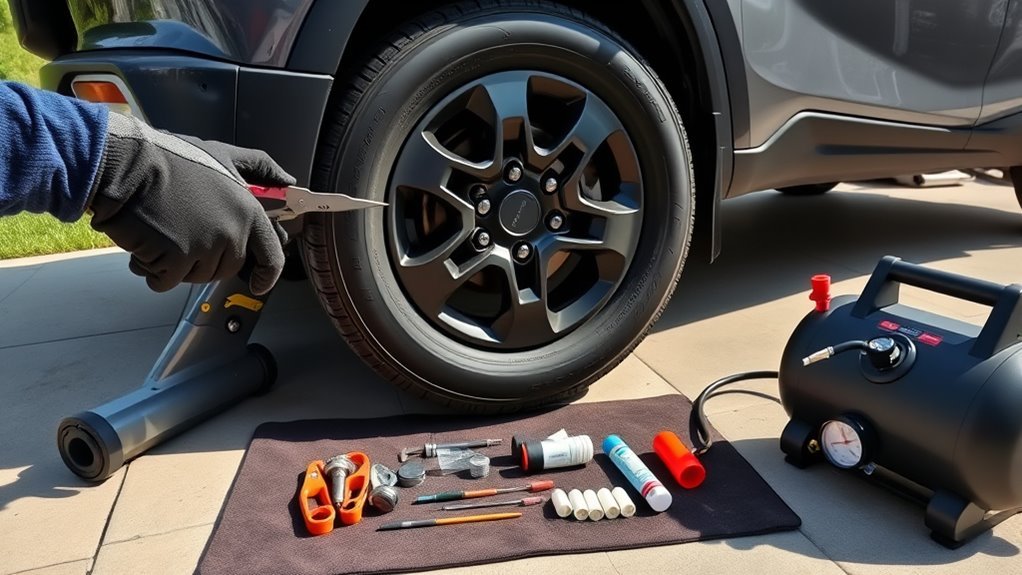
Many drivers have used plug kits and made it to a repair shop without losing pressure. That does not mean every plugged tire is safe for long-term driving. The problem is what you cannot see: inner-liner damage, sidewall bruising, belt separation, moisture inside the puncture channel, or damage from driving underinflated.
A temporary plug can be useful when the puncture is small, straight, and in the tread area. The safest follow-up is still a professional inspection. If the tire passes, a technician can perform a proper internal repair. If it fails, replacement is the safer choice.
Frequently Asked Questions
How do I know if my RAV4 tire can be repaired?
It may be repairable if the puncture is in the main tread area, no larger than 1/4 inch (6 mm), and the tire has not been driven flat. A technician still needs to remove the tire from the wheel and inspect the inside before confirming it is safe to repair.
Should I pull the nail out of my tire?
Not right away. If the nail is partly sealing the hole, pulling it out can make the tire deflate quickly. Leave it in place until you are ready to plug the tire temporarily, install the spare, or have a shop repair it.
What is the difference between a patch and a plug?
A plug fills the puncture channel. A patch seals the inner liner. A proper tire repair normally uses both: a stem or plug to fill the injury and a patch to seal the inside of the tire after the tire is removed from the wheel.
Can I drive on a plugged tire long-term?
A DIY string plug should be treated as temporary. It may help you reach a tire shop, but it does not replace a professional internal inspection and plug-patch repair. Avoid long trips, heavy loads, and highway speeds until the tire is properly serviced.
How often should I check tire pressure?
Check tire pressure at least once a month and before long trips. Use the recommended cold tire pressure on the RAV4’s driver-side tire placard or owner’s manual. After a puncture or temporary plug, check pressure again after a short drive.
What should I do if the plug fails?
Stop driving, check pressure, and spray the plug with soapy water. If bubbles appear or the tire keeps losing air, do not add another plug and continue driving. Install the spare if available or call roadside assistance.
Can a sidewall nail puncture be repaired?
No. Sidewall punctures are not considered proper repair candidates because the sidewall flexes heavily and cannot safely hold a standard puncture repair. Replace the tire instead.
Is tire sealant a permanent fix for a nail?
No. Sealant is an emergency measure, not a permanent tire repair. It may also affect inspection or sensor service, so tell the tire shop if sealant was used.
Conclusion
Fixing a RAV4 tire with a nail starts with a careful safety check, not with pulling the nail out. If the puncture is small and in the repairable tread area, a temporary plug may help you reach a tire shop. For long-term driving, the safer solution is a professional internal inspection and plug-patch repair. If the puncture is in the sidewall, shoulder, or a damaged tire, replace the tire instead of trying to save it.
Sources
- U.S. Tire Manufacturers Association — Tire Repair Basics — repairable area, 1/4 inch (6 mm) limit, tire removal, and plug-patch repair guidance.
- Tire Industry Association — Tire Repair — why outside-in string plugs are temporary and why sidewall/shoulder damage is not repairable.
- NHTSA TireWise — Tire Safety Ratings and Awareness — cold tire pressure, monthly checks, tread depth, TPMS, rotation, and tire safety basics.
- Toyota Owners — Manuals and Warranties — model-specific RAV4 owner manual lookup for tire pressure, spare tire, TPMS, and maintenance information.

Related Articles

Toyota RAV4 TPMS Reset: Easy Steps That Work
Unlock the secrets to resetting your Toyota RAV4's TPMS effortlessly—discover the essential steps to ensure your tires are always safe.
Read More
Toyota RAV4 Tire Rotation: DIY Steps & Pattern
Take control of your Toyota RAV4's tire maintenance with our simple DIY rotation guide—discover the best steps for optimal performance and longevity!
Read More
Mix Tire Brands on a Toyota RAV4? Expert Guide
Keeping your RAV4 safe? Learn when mixing tire brands risks traction, ABS/TCS and AWD damage — and what exact matches you must insist on.
Read More