
How to Choose a Tire: Expert Guide to Size, Type & Performance
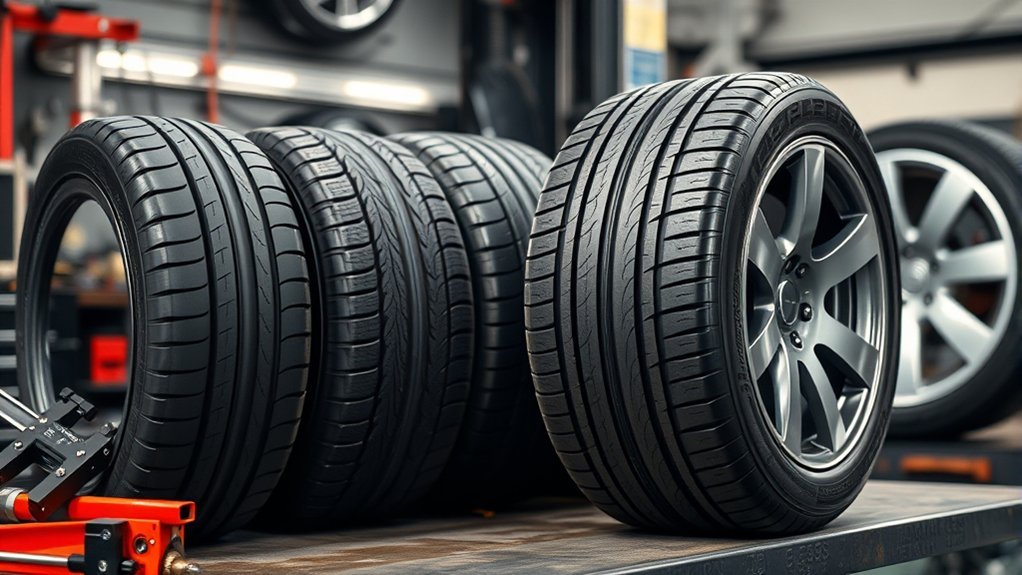
Choosing the right tires starts with your vehicle, not the tire shelf. Check the tire placard on the driver’s door jamb or your owner’s manual for the correct size, load index, speed rating, and inflation pressure. Then match the tire type to your climate, driving style, and road conditions. After that, compare treadwear, wet traction, snow rating, noise, comfort, fuel economy, warranty terms, and total installed cost.
Quick Answer
To choose tires, match the size, load index, speed rating, and inflation pressure listed by your vehicle maker. Then choose the tire category for your weather and roads, compare UTQG ratings and warranty terms, check the DOT date code, and replace tires when tread, age, damage, or uneven wear makes them unsafe.
Key Takeaways
- Use your tire placard or owner’s manual to confirm the correct size, load index, speed rating, and cold tire pressure.
- Choose all-season, all-weather, winter, summer, performance, touring, or all-terrain tires based on your real driving conditions.
- Read the sidewall code so you understand width, aspect ratio, construction, rim diameter, load index, speed symbol, and DOT date code.
- Compare treadwear, wet traction, temperature grade, warranty rules, road-hazard coverage, noise, comfort, and rolling resistance.
- Replace tires at 2/32 inch tread depth, sooner if wet traction is poor, or any time you see cracks, bulges, exposed cords, severe uneven wear, or age-related risk.
At a Glance
| Time Required | 20 to 45 minutes to check your vehicle specs, compare tire types, and shortlist safe options. |
| Difficulty | Easy for basic tire shopping; moderate if you are changing tire size or shopping for AWD, towing, winter, or off-road use. |
| Tools Needed | Owner’s manual, tire placard, current tire sidewall, tire pressure gauge, tread depth gauge or penny, and retailer fitment tool. |
| Cost | Varies by vehicle, tire size, tire category, installation, balancing, alignment, valve stems or TPMS service, disposal fees, and warranty coverage. |
What Tire Size Does Your Vehicle Need?
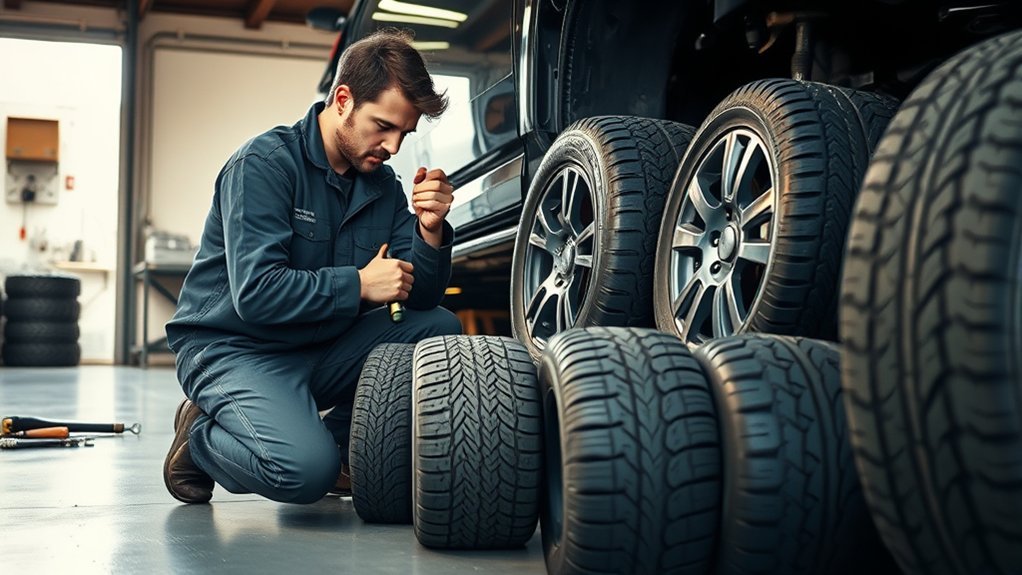
To find the correct tire size, start with the Tire and Loading Information Label or owner’s manual. NHTSA says this label, usually on the driver’s side door edge or post, lists the correct size for your car or truck. You should also confirm the load index and speed rating so the tire can safely support your vehicle and match its intended performance.
A tire size such as P215/60R17 tells you the tire category, width, aspect ratio, construction, and wheel diameter. The tire must fit your wheel and stay within the vehicle maker’s approved range. Don’t guess, especially if you drive an AWD vehicle, tow, carry heavy loads, or want to change wheel sizes. If you are unsure, ask a tire professional to confirm fitment before you buy. Additionally, consider the recommended tire sizes for optimal performance based on your driving conditions.
Warning: Never choose a tire with a lower load index or speed rating than your vehicle requires unless the vehicle maker or a qualified tire professional confirms it is safe. Mismatched sizes can affect braking, handling, ABS, stability control, and AWD driveline operation.
[Products Worth Considering]

EVOULTES heavy duty tire inflator with an integrated gauge delivers accurate pressure readings from 10–120 PSI, helping you inflate, deflate, and check tires in one tool. The 16.5-inch extended dual-head air chuck with swivel base reaches hard-to-access dual wheel valves on trucks and RVs. A brass trigger core and side-mounted air release valve make operation smooth, with standard 1/4" NPT threading and quick-connect compatibility for easy setup.

This portable cordless tire inflator delivers up to 160 PSI with fast 17 L/min airflow to help you quickly top up tires and get back on the road. It features dual power mode, running on a 21V rechargeable battery or a 12V DC adapter for convenient roadside use. An automatic shut-off with digital pressure gauge helps prevent overinflation, and a built-in LED light improves visibility in low-light conditions.

The JACO FlowPro Tire Inflator measures, inflates, and airs down tires up to 100 PSI with battery-free operation and ±2% accuracy after calibration. It features a glowing pressure dial for night visibility, a heavy-duty steel build with a hybrid hose, and a precision push-to-inflate thumb trigger. The patented Lightning Air Chuck locks on for a secure seal, and the kit includes quick-connect hardware for easy inline use with your air compressor.
How Do You Choose Tires Step by Step?
Use a simple process so you do not buy based on price or marketing alone. The right tire should fit your vehicle, match your climate, support your load, and perform well in the conditions you drive most.
- Confirm the required size: Check the tire placard, owner’s manual, and current tire sidewall.
- Match the load and speed rating: Choose a tire that meets or exceeds the manufacturer’s requirement.
- Choose the tire category: Pick all-season, all-weather, winter, summer, touring, performance, or all-terrain based on your roads and weather.
- Compare safety ratings: Review treadwear, traction, and temperature grades when available.
- Check wet and winter performance: Look for strong wet-braking results and the 3PMSF symbol if you need severe-snow capability.
- Read the warranty rules: Mileage warranties often require rotation records, correct inflation, and even wear.
- Inspect the DOT date code: Avoid old stock if you want maximum service life.
- Compare installed cost: Include mounting, balancing, valve stems, TPMS service, disposal, alignment, and road-hazard coverage.
How Do You Read Tire Size and Sidewall Codes?
Start with the tire size. In P215/60R17, “P” means passenger tire, 215 is the section width in millimeters, 60 is the aspect ratio, “R” means radial construction, and 17 is the wheel diameter in inches. After the size, you will usually see a load index and speed rating. For example, 94T means a load index of 94 and a T speed symbol.
Sidewalls also show UTQG grades, maximum inflation pressure, maximum load, tire construction details, and the DOT Tire Identification Number. The last four digits of the DOT date code show the production week and year. For example, 0424 means the tire was made in the fourth week of 2024. Additionally, understanding the UTQG rating can help you assess the expected tread life and performance of the tire.
Note: The maximum pressure printed on the tire sidewall is not your normal inflation target. Use the cold tire pressure listed on your vehicle’s tire placard or owner’s manual.
Which Tire Type Should You Buy?
You should match the tire type to your driving conditions, not just the factory size. NHTSA describes all-season tires as suitable for a variety of road conditions, winter tires as more effective than all-season tires in deep snow, summer tires as warm-weather tires, and all-terrain tires as a compromise between road use and off-road capability. Additionally, consider 3PMSF certification if you need severe-snow readiness.
Match Type to Driving
If you commute year-round in mild weather, all-season tires usually offer a practical balance of tread life, comfort, and wet-road performance. If you get regular snow and freezing temperatures, winter tires provide stronger cold-weather grip than standard all-season tires. If you want one year-round tire with better snow credentials, look at all-weather tires with the three-peak mountain snowflake symbol.
If you drive a sporty sedan or coupe in warm weather, performance or summer tires can sharpen steering and braking on dry and wet roads. However, many summer and ultra-high-performance summer tires are not designed for freezing temperatures, snow, or ice. If you drive gravel roads, trails, or a 4WD truck, all-terrain tires add tougher tread and off-road bite, usually with more noise and weight.
Compare Seasonal Tire Options
Seasonal tire choice comes down to temperature, traction, and compromise. All-season tires work for many drivers, but they do not match dedicated winter tires in deep snow or ice. Winter tires use cold-weather compounds and tread designs that help them stay flexible and grip snow. Summer tires focus on warm-weather handling and braking, but they are not built for snow or freezing conditions.
All-weather tires bridge the gap for drivers who want one set all year and need better snow traction than typical all-season tires. They can be a strong choice if you face moderate winter conditions but do not want to store a second set. Still, dedicated winter tires remain the safer choice for frequent ice, mountain driving, or heavy snow.
What Do Tire Ratings and Speed Symbols Mean?
Tire ratings help you compare wear, wet traction, heat resistance, load capacity, and speed capability. Many passenger tires sold in the United States use the Uniform Tire Quality Grading system, which covers treadwear, traction, and temperature grades. These grades are helpful, but they are not a complete road test and should not be your only buying factor.
- Treadwear: A relative wear grade. Higher numbers usually suggest longer wear under controlled comparison, but driving habits, roads, climate, alignment, and inflation still matter.
- Traction: A wet-stopping grade listed from AA to C. It does not measure every real-world condition, such as dry grip, hydroplaning, or cornering.
- Temperature: A heat-resistance grade listed from A to C. Heat buildup can lead to tire deterioration, blowouts, or tread separation.
- Load index: Confirms how much weight each tire can carry.
- Speed symbol: Shows the tire’s maximum speed capability under specified conditions.
Use these marks to narrow your list, then read professional tests, owner feedback, and warranty terms. Additionally, consider how all-season adaptability influences your tire selection based on regional weather conditions.
NHTSA reported 511 traffic fatalities in tire-related crashes in 2024, which is why tire size, inflation, tread depth, age, and damage checks matter before and after you buy.
When Should You Replace Tires?
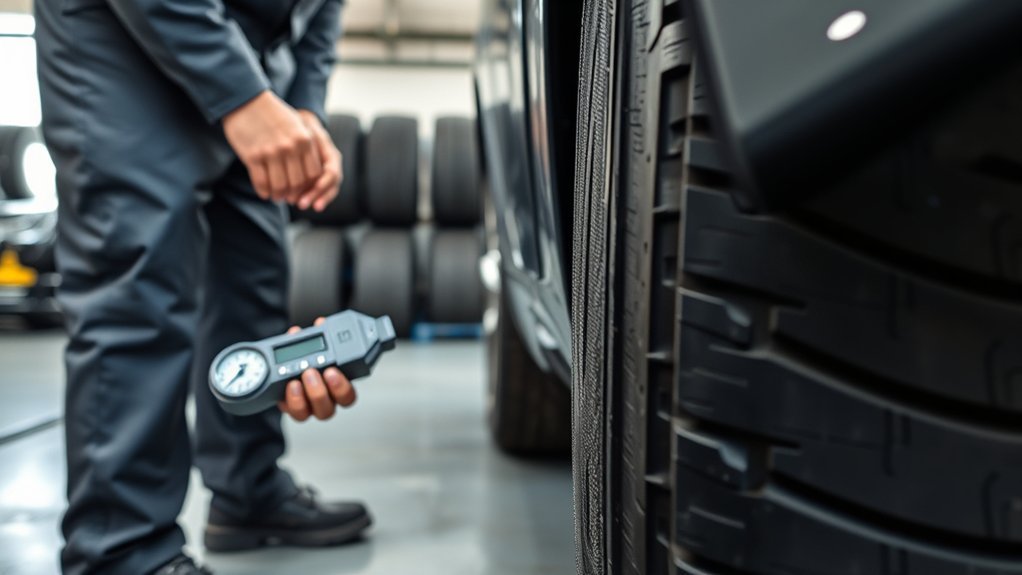
You should replace tires when the tread reaches 2/32 of an inch or when the wear bars sit flush with the tread surface. Replace them sooner if you see exposed cords, sidewall cracks, bulges, punctures that cannot be safely repaired, vibration, repeated air loss, or severe uneven wear. Additionally, selecting dedicated winter tires can greatly enhance traction and safety during cold weather conditions.
Tread Wear Indicators
Tread wear indicators are raised bars inside the grooves. When the surrounding tread wears down to the same level as these bars, the tire has reached the replacement point. You can also use a tread depth gauge for a precise reading or the penny test as a quick check. If you insert a penny with Lincoln’s head upside down and can see the top of his head, replace the tire.
- Check tread depth at least monthly when you check pressure.
- Measure several grooves across the tire, not just the center.
- Watch for inner-edge or outer-edge wear, which can point to alignment or suspension issues.
- Replace damaged tires immediately if a tire professional says the damage is not repairable.
Tire Age Limits
Tire age matters because rubber and internal materials change over time due to service, storage, heat, sunlight, climate, and maintenance. NHTSA says some vehicle and tire manufacturers recommend replacing tires that are six to 10 years old, regardless of treadwear. Check your owner’s manual, tire maker guidance, and DOT date code.
Do not judge tire age by appearance alone. A tire can look usable but still have age-related risk. Low-mileage vehicles, collector cars, RVs, spare tires, and vehicles stored in hot climates need extra attention because the tread may not wear out before the tire ages out.
How Do You Compare Treadwear and Warranty?
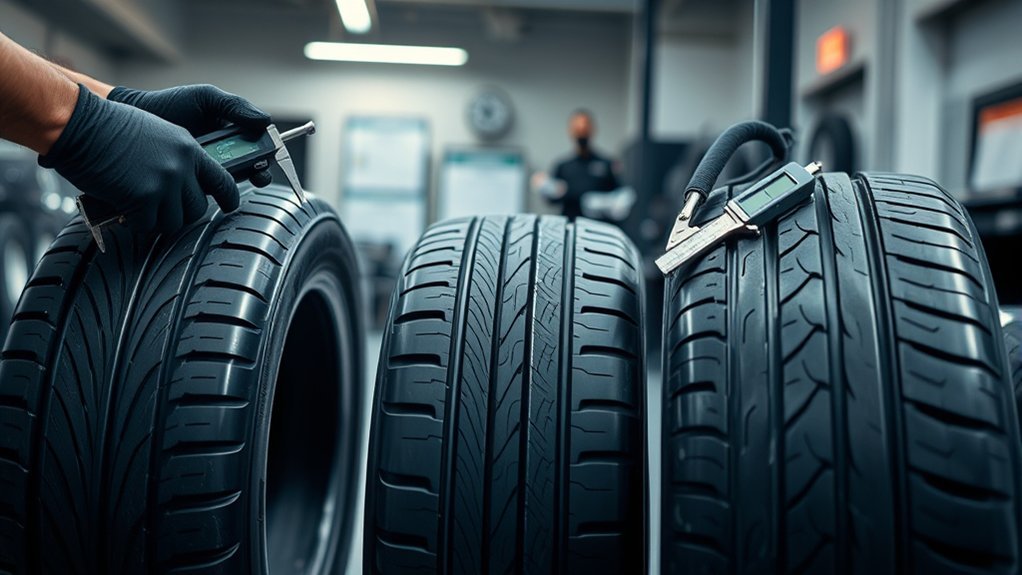
Treadwear ratings and warranty coverage give you two different views of tire value. Treadwear is a relative rating, while a mileage warranty is a manufacturer promise with conditions. A high treadwear grade can suggest longer wear, but it does not guarantee the tire will last a certain number of miles on your roads.
- Compare the treadwear grade with the mileage warranty and tire category.
- Read the warranty terms for rotation intervals, inflation records, alignment requirements, and exclusions.
- Check whether road-hazard coverage is included or sold separately.
- Scan reviews for patterns in wet grip, road noise, winter traction, ride comfort, and real-world wear.
A long warranty only helps if you follow the maintenance rules and keep records. Use the rating as a durability clue, the warranty as a contract, and owner feedback as real-world context. Together, they help you choose with better precision, as higher treadwear ratings often correlate with better tire performance in various conditions.
[Products Worth Considering]
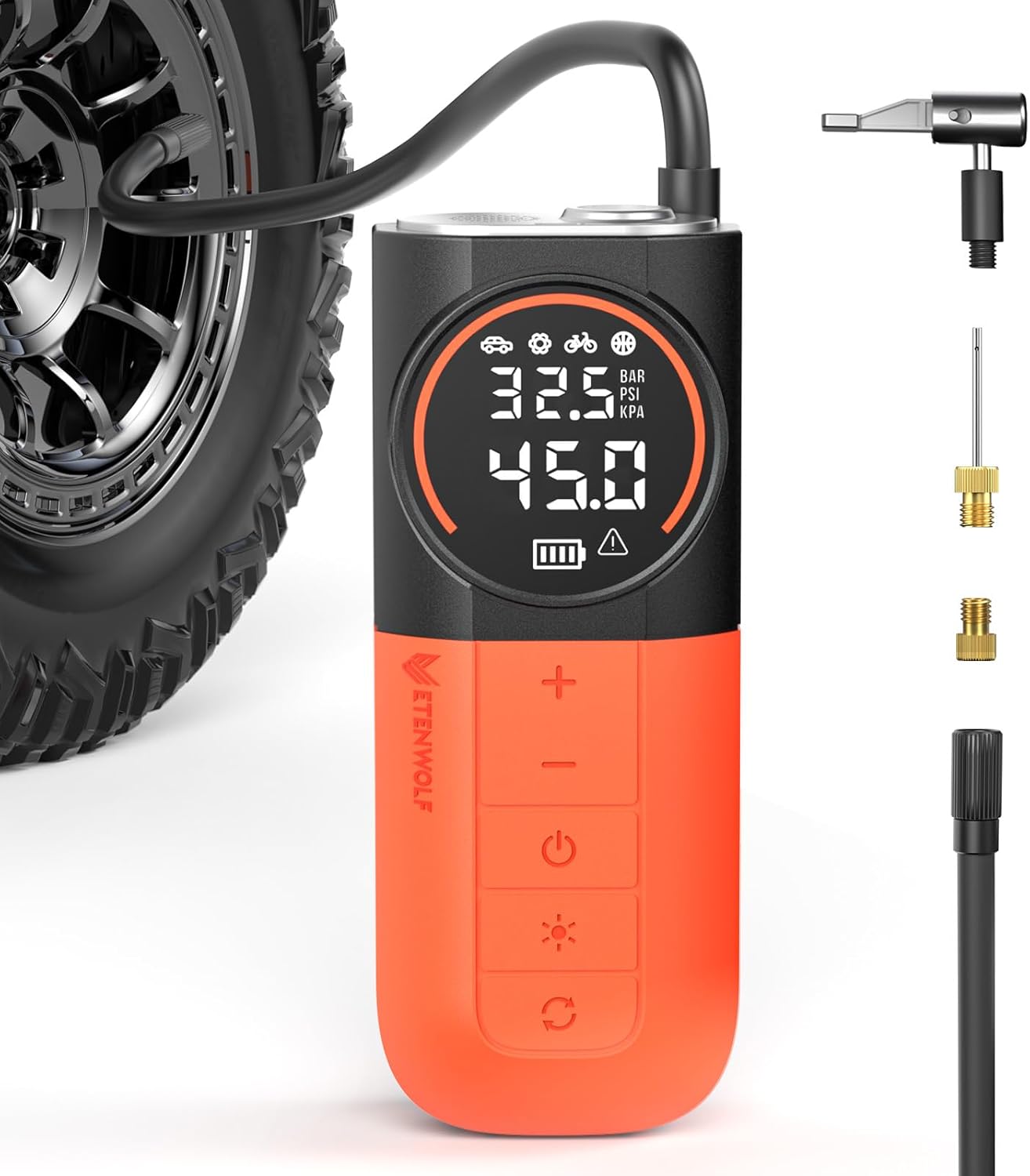
The ETENWOLF S1 cordless tire inflator delivers ultra-fast inflation with up to 160 PSI and a 20 L/min airflow for quicker tire top-offs. Its 5200mAh battery and cooling system support inflating many tires and sports balls on a single charge, while the digital pressure gauge and multi-unit display help you reach the right pressure accurately. With preset modes, pressure memory, an auto-stop feature, and an LED flashlight, it’s built for easy roadside and everyday use.

This portable cordless tire inflator delivers fast, efficient inflation for cars, motorcycles, bikes, and sports balls with a digital pressure gauge. Use the one-click PSI preset with auto shut-off for accurate, hands-free topping to your target pressure up to 150 PSI. It’s compact and rechargeable with a built-in emergency LED light plus valve adapters and accessories for quick, ready-to-go use.
Which Tire Features Should You Compare?
Once you confirm fitment, compare the features that affect daily driving. Start with tire category, then check tread design, wet grip, snow rating, noise, comfort, rolling resistance, load rating, speed rating, warranty, and total installed cost.
- Tread pattern: Symmetrical, asymmetrical, and directional designs can affect water evacuation, grip, rotation options, and noise.
- Wet traction: Prioritize wet braking if you drive in frequent rain or highway traffic.
- Winter marking: Choose the 3PMSF symbol if you need verified severe-snow capability.
- Noise and comfort: Touring tires usually ride quieter than aggressive all-terrain or performance tires.
- Rolling resistance: Low-rolling-resistance tires can improve fuel economy, but compare grip and tread life too.
- Load range: Trucks, vans, towing vehicles, and heavy SUVs may need stronger load-rated tires.
Fuel economy also deserves attention. FuelEconomy.gov says proper tire inflation can improve gas mileage by 0.6% on average and up to 3% in some cases. It also warns that underinflated tires can lower gas mileage by about 0.2% for every 1 psi drop in average tire pressure. Additionally, consider the tread depth and patterns of off-road tires, as these significantly influence traction in varied conditions.
How Do You Maintain New Tires After Buying?
Good tire choice only pays off if you maintain the tires correctly. Check cold tire pressure at least once a month, including the spare. Use the pressure on the vehicle placard, not the maximum pressure on the tire sidewall. Rotate tires on the schedule in your owner’s manual, unless your vehicle uses staggered sizes or directional tires that limit rotation options.
Have the tires balanced when installed, and get an alignment if you see uneven wear, pulling, vibration, or steering-wheel shake. Keep records for rotations, alignments, pressure checks, and warranty claims. If your TPMS light turns on, inspect the tire and check pressure as soon as possible. TPMS helps, but it does not replace monthly manual checks.
Pro Tip: When you buy tires online, check the complete installed price before checkout. Mounting, balancing, valve stems, TPMS service, disposal fees, alignment, and road-hazard coverage can change the real cost.
Where Can You Find the Best Tire Deals?
You can find the best tire deals by comparing local shops, warehouse clubs, dealership promotions, and online tire retailers. Use tire selector tools to enter your vehicle year, make, model, trim, and wheel size. Then confirm the final quote includes installation, balancing, valve stems or TPMS service, disposal fees, and taxes.
Compare local and online tire prices, confirm fitment with your vehicle placard, and check the full installed cost before you buy.
- Compare at least three sellers, not just one advertised price.
- Look for manufacturer rebates on a full set of four tires.
- Ask whether the quote includes mounting, balancing, disposal, and TPMS service.
- Check warranty terms before paying for road-hazard coverage.
- Inspect the DOT date code when the tires arrive or before installation.
Buying a full set may qualify for rebates or package pricing, but do not buy more tire than you need. Choose the safest fit for your vehicle and driving conditions first. Additionally, consider evaluating treadwear ratings to ensure you choose tires that last longer.
Frequently Asked Questions
How do tire pressure changes affect driving performance?
Tire pressure affects braking, handling, tire wear, fuel economy, ride comfort, and heat buildup. Low pressure can cause excess flexing, overheating, poor fuel economy, and uneven wear. High pressure can reduce comfort and may affect traction. Check pressure when tires are cold and use the vehicle placard pressure.
Can I mix different tire brands on the same vehicle?
You should avoid mixing tires when possible. The safest choice is four matching tires with the same size, type, speed rating, load index, tread pattern, and similar tread depth. At minimum, match tires on the same axle. AWD and 4WD vehicles often need very closely matched tread depth, so check the owner’s manual before replacing only one or two tires.
Do run-flat tires affect ride comfort and repair costs?
Yes, run-flat tires can feel firmer because they use reinforced construction that helps the tire support the vehicle after pressure loss. They can also cost more to replace, and not every puncture is repairable. Check the tire maker’s repair policy and your vehicle manual before repairing or replacing a run-flat tire.
What tire maintenance habits extend tire lifespan?
Check cold tire pressure monthly, measure tread depth, rotate tires on schedule, keep wheels balanced, fix alignment issues, and inspect for cracks, cuts, nails, bulges, or uneven wear. Store seasonal tires in a cool, dry place away from sunlight, heat, oil, and ozone sources.
How does wheel alignment impact tire wear?
Wheel alignment controls how the tires meet the road. Poor alignment can cause inner-edge wear, outer-edge wear, pulling, vibration, and shorter tire life. Get an alignment after suspension work, hard pothole impacts, new tire installation when uneven wear exists, or whenever the vehicle pulls on a straight road.
Conclusion
Choosing the right tire comes down to fitment, climate, ratings, maintenance, and real-world use. Start with the vehicle placard and owner’s manual, then compare tire type, load index, speed rating, UTQG grades, wet traction, snow capability, warranty rules, and installed cost. Replace tires at 2/32 inch tread depth, earlier if traction or damage becomes a concern, and follow the vehicle or tire maker’s age guidance. A careful tire choice gives you safer handling, better value, and fewer surprises on the road.
Sources
- NHTSA TireWise — tire sizing, pressure, tread depth, tire age, tire ratings, tire maintenance, tire-related crash safety facts.
- NHTSA Consumer Guide to Uniform Tire Quality Grading — UTQG treadwear, traction, and temperature grade reference.
- FuelEconomy.gov: Keeping Your Vehicle in Shape — tire inflation and fuel economy impact.
- NHTSA Recalls — checking vehicle and tire recall information.

Related Articles
How Much Does Tire Retreading Cost?
Whether you’re pricing passenger or truck tires, tire retreading costs vary widely, and the real reasons behind the savings may surprise you.
Read More
Firestone Tire Installation Cost: Full Price Guide
Compare Firestone tire installation costs and discover what hidden fees could change your final bill.
Read More
Tire Rack vs Costco: Which Is Better for Tires?
Pick the better tire deal between Tire Rack and Costco before hidden differences change your choice.
Read More