
What Is Tire Dressing and Is It Safe for RAV4 Tires?

Tire dressing can be safe for your Toyota RAV4 when you use the right product and apply it only to the tire sidewalls. The safest routine is simple: clean the tire first, let it dry, apply a thin coat, wipe away excess, keep it off the tread and brakes, and follow the product label. Tire dressing can improve appearance and may add a temporary protective finish, but it does not repair cracking, bulges, worn tread, or low tire pressure.
Quick Answer
Yes, tire dressing is generally safe for RAV4 tires when it is a quality, petroleum-free product used on clean, dry sidewalls only. Avoid petroleum-based dressings, heavy solvent formulas, over-application, tread contact, and brake overspray. For safety, treat tire shine as cosmetic sidewall care, not tire repair.
Key Takeaways
- Use tire dressing on the sidewall only; never apply it to the tread, brake rotors, brake drums, or brake pads.
- Choose a water-based or petroleum-free tire-specific dressing and avoid harsh cleaners or petroleum-based products.
- Clean and dry the tire first, apply a thin coat, then wipe excess to reduce sling and greasy buildup.
- Do not use tire shine to hide cracks, bulges, exposed cords, uneven wear, or other tire damage.
- For RAV4 tire pressure, use the driver-door tire placard or Toyota owner’s manual, not the number molded on the tire sidewall.
At a Glance
| Time Required | 10–20 minutes, plus label-directed drying time |
| Difficulty | Easy |
| Tools Needed | Tire cleaner or mild soap, soft tire brush, water, microfiber towel, foam applicator, tire dressing |
| Cost | Usually low; most consumer tire dressings and applicators cover many applications |
Is Tire Dressing Safe for Your RAV4?
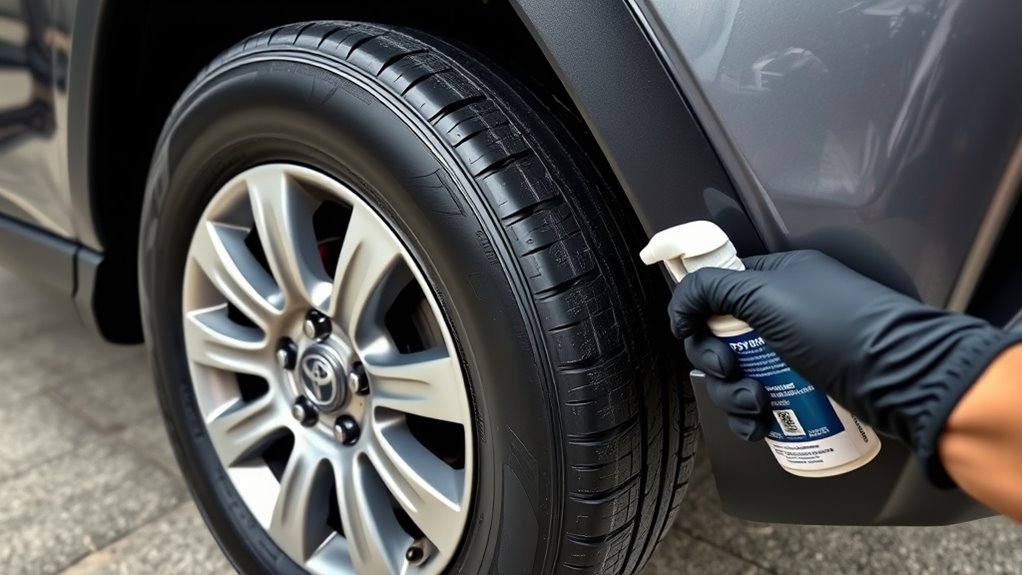
Used correctly, tire dressing should not harm your RAV4’s tires. The key is product choice and placement. A tire-specific, petroleum-free dressing on the sidewall is very different from a harsh cleaner, oily solvent, or greasy coating that migrates onto the tread.
The U.S. Tire Manufacturers Association recommends cleaning tires with soap and water and warns that incompatible dressings, harsh cleaning agents, and petroleum-based products can contribute to oxidation and premature cracking. That does not mean every tire shine is harmful. It means you should avoid petroleum-based dressings and follow the tire dressing label carefully.
Warning: Never apply tire dressing to the tread, brake rotors, brake drums, or brake pads. Tire shine can make these surfaces slippery and reduce traction or braking safety. If product touches the tread or brakes, clean it off before driving.
[Products Worth Considering]

Adam’s Pro Tire Hex Grip applicators are molded foam sponges designed for precise, even tire dressing application. The ergonomic grip helps you spread product without overapplying, reducing sling that can splash onto paint and helping keep your hands clean during wheel and trim detailing. They’re durable, washable, and reusable for repeated detailing sessions.

Cristal Products Untouchable Tire Shine Spray delivers a deep, wet-look gloss that enhances your vehicle’s tires. It’s quick-drying and spreads smoothly for consistent, streak-free coverage, while forming a protective coating against UV rays, road grime, and weather. Suitable for all tire types, it helps restore dull, faded tires to a showroom-quality finish.

Blackline Blackout is a water-based trim and tire dressing that restores rubber, vinyl, and plastic with a rich satin, blackout look. Its no-sling formula dries quickly and helps prevent messy transfer onto paint. The coating repels water and offers UV protection to help prevent fading, cracking, and discoloration for a clean, long-lasting finish.
What Tire Dressing Is and How It Works on Rubber
Tire dressing is a topical product used to darken, shine, or satin-finish the visible tire sidewall. Depending on the formula, it may leave a light protective film that helps the sidewall resist dirt and weather exposure. Some products also include UV-protection claims, but tire dressing should still be treated as surface care, not structural tire maintenance.
What Tire Dressing Can Do
A good tire dressing can improve the appearance of faded sidewalls, make tires easier to rinse clean, and leave a more even finish after washing. On a RAV4, that can be helpful because SUV tires collect road film, brake dust, mud, and driveway grime quickly.
What Tire Dressing Cannot Do
Tire dressing cannot restore unsafe tires. It will not fix cracking, dry rot, bulges, exposed cords, punctures, uneven tread wear, or low tire pressure. The National Highway Traffic Safety Administration emphasizes tire maintenance because tires are the vehicle’s contact point with the road. If your RAV4’s tires show damage, inspect them before applying any cosmetic product.
How Dressings Affect Rubber
Different dressings behave differently. Water-based products usually spread easily, dry cleaner, and are a safer default for routine sidewall care. Petroleum-based or harsh solvent products can be more aggressive and may contribute to drying or cracking if used repeatedly or incorrectly. The safest rule is to use a tire-specific product that clearly says it is safe for rubber and to avoid petroleum-based dressings.
Tire Dressing Types: Which Is Right for Your RAV4?
The right tire dressing depends on the finish you want, how often you wash your RAV4, and how much sling risk you are willing to manage.
| Type | Best For | Watch Out For |
|---|---|---|
| Water-based dressing | Routine RAV4 maintenance, satin or natural finish, lower sling risk | May not last as long in heavy rain or frequent car washes |
| Gel dressing | Controlled application and a longer-lasting sidewall finish | Can sling if applied too thickly or driven before curing |
| Aerosol or spray dressing | Fast application | Overspray on wheels, paint, brakes, pavement, or tread |
| High-gloss solvent-heavy dressing | Short-term show-car shine | Higher risk of greasy buildup, sling, dust attraction, and rubber compatibility issues |
Pro Tip: For a daily-driven RAV4, a satin or matte water-based dressing usually looks cleaner than a wet-gloss finish and is less likely to throw product onto the paint while driving.
Safety for RAV4 Tires: Risks, Benefits, and Verdict
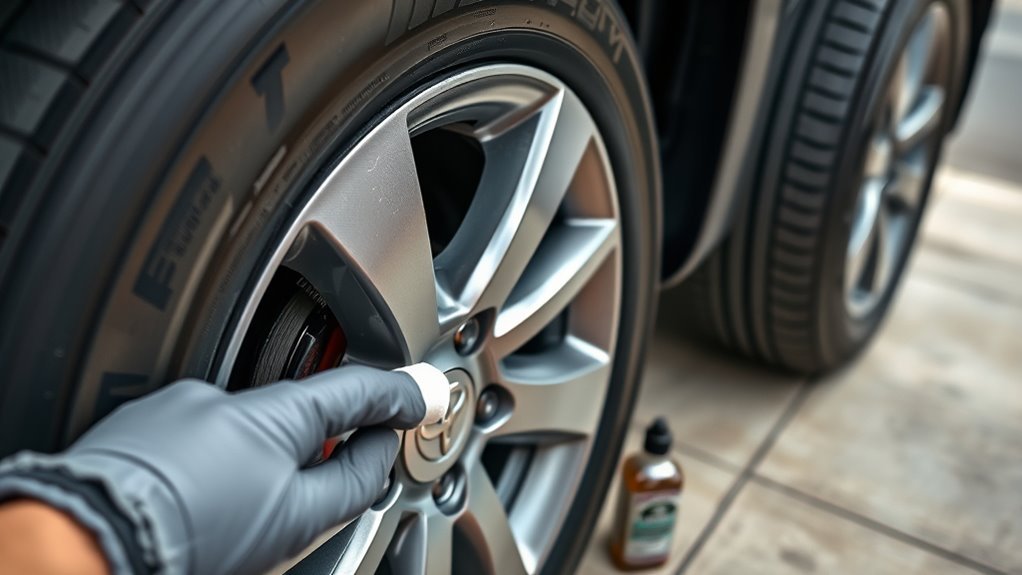
The main benefits of tire dressing are appearance, easier cleaning, and a temporary sidewall finish. The main risks are using the wrong chemistry, applying too much, applying it to the tread, or letting overspray reach brake parts.
For most RAV4 owners, the safest verdict is this: tire dressing is fine when it is tire-specific, petroleum-free, thinly applied, wiped down, and kept off the tread. Avoid using any product that leaves the tire greasy, drips down the sidewall, stains the driveway, or makes the tire shoulder slick.
Also remember that tire dressing is less important than basic tire care. The USTMA tire-care guide lists proper inflation pressure, vehicle loading, rotation, inspection, repair, alignment, and driving habits as key factors for tire safety and service life.
How to Choose a Tire Dressing for Your RAV4
Use this checklist before buying or applying a tire dressing:
- Choose tire-specific formulas: Avoid all-purpose oily products unless the label clearly says they are safe for tire sidewalls.
- Avoid petroleum-based dressings: Tire-industry guidance warns against petroleum-based tire dressings and cleaners.
- Pick your finish: Matte looks natural, satin looks freshly cleaned, and high gloss looks wet but usually needs more careful wipe-down.
- Check drying time: Products that require curing should sit before driving to prevent sling.
- Use an applicator: Spraying onto an applicator gives you more control than spraying directly onto the tire.
- Read warnings: Some products warn against contact with tread, brakes, pavement, motorcycle tires, bicycle tires, or seats.
Note: If your RAV4 has white lettering, aftermarket tires, or unusual sidewall coatings, test the dressing on a small area first and check the tire manufacturer’s care guidance.
How to Apply Tire Dressing to a RAV4 Step by Step
Correct application matters as much as the product. A thin, even coat on a clean tire looks better and is safer than a thick, wet layer.
- Park safely and let the tires cool. Apply dressing in shade when possible. Cool, dry tires help the product spread evenly.
- Inspect the tires first. Look for cracking, bulges, exposed cords, deep cuts, uneven wear, embedded objects, or sidewall damage. Do not hide damage with tire shine.
- Wash the tires. Use mild soap and water or a dedicated tire cleaner with a soft tire brush. Rinse away road film, old dressing, and brake dust.
- Dry the tire completely. Dressing applied over water can streak, dilute, or sling.
- Apply product to an applicator. A foam applicator gives better control than spraying directly at the tire.
- Coat the sidewall only. Work around the tire in a thin, even layer. Stay away from tread blocks, the shoulder edge, brakes, and wheels.
- Wipe off excess. Use a clean microfiber towel to remove wet, greasy, or uneven spots.
- Let it dry before driving. Follow the label. Some products recommend waiting about 15–20 minutes or longer before driving to reduce splatter.
- Check for sling after the first drive. If product appears on the paint or wheel well, you applied too much or drove too soon.
[Products Worth Considering]

This wheel brush kit delivers pro-level cleaning at home, lifting dirt, grime, and brake dust to help restore wheel appearance. It includes multiple brush styles and applicator pads for tackling different wheel surfaces, with gentle, metal-free bristles designed to reduce scratching risk. The flat and double-ended brushes are built for comfort and reach, making wheel care easier for cars, trucks, and RVs.

This oesee 8-piece wheel care kit helps you clean, scrub, and dry wheels safely with purpose-built brushes and towels. The scratch-free microfiber wheel brush lifts brake dust and grime, while the stiff pro-grip tire brush removes tire browning and embedded dirt. A twist loop microfiber drying towel and an applicator help achieve a streak-free finish and cleaner, more even product application.
How Long Tire Shine Lasts and When to Reapply

Tire shine longevity depends on the formula, weather, road conditions, washing frequency, and how well the tire was cleaned before application. Many consumer dressings last roughly one to four weeks, but the product label is the best guide.
Reapply when the sidewall looks faded or after a tire wash removes the finish. Do not keep stacking new dressing over old buildup. If the tire feels greasy, sticky, or dirty, wash it before applying more.
RAV4 Tire Pressure and Inspection Before Dressing
Before making the tires look good, make sure they are safe. Toyota directs owners to the tire and loading information label for the recommended cold tire inflation pressure and tire size. On a RAV4, that label is usually on the driver-side door jamb. The number molded on the tire sidewall is a maximum tire rating, not the vehicle’s recommended operating pressure.
The Toyota RAV4 owner’s manual guidance is to check the specified tire pressure and adjust it if needed. Tire-industry guidance also recommends checking pressure when tires are cold and inspecting tread and sidewalls for cuts, cracks, bulges, uneven wear, and other damage.
A clean, shiny sidewall is not a safety check. Pressure, tread depth, sidewall condition, and visible damage matter more than gloss.
Troubleshooting: Sling, Slippery Tread, and Premature Drying
Most tire dressing problems come from too much product, a dirty tire, not enough drying time, or applying dressing where it does not belong.
Preventing Tire Dressing Sling
Sling happens when excess dressing flings off the tire and lands on the paint, wheel well, or body panels. To prevent it, clean the tire first, apply a thin coat, wipe away excess, and let the dressing dry before driving.
- Use a foam applicator instead of spraying heavily.
- Apply one thin coat rather than one thick coat.
- Wipe the sidewall after a few minutes if it looks wet or greasy.
- Wait the label-recommended time before driving.
Avoiding Slippery Tread
Do not apply tire dressing to the tread. If dressing reaches the tread, scrub it off with soap and water before driving. Product instructions from tire-shine manufacturers commonly warn that tread and brake contact can create slippery conditions, so treat this as a real safety issue, not a cosmetic detail.
Stopping Premature Drying or Cracking
If your tires look dry or cracked, do not assume more dressing is the answer. First wash the sidewall with soap and water, inspect the tire, and avoid harsh cleaners. If cracks are deep, widespread, or near bulges or exposed material, have the tire inspected by a tire professional.
Fixing a Greasy or Sticky Finish
A greasy finish usually means the tire was dirty, the product was too heavy, or old dressing was layered underneath. Wash the tire thoroughly, dry it, and restart with a smaller amount. If the same product stays oily after proper application, switch to a different formula.
Frequently Asked Questions
Should you use tire dressing on a RAV4?
Yes, you can use tire dressing on a RAV4 if you choose a tire-specific, petroleum-free product and apply it only to the sidewalls. Use it for appearance and light sidewall protection, not to cover damage or replace regular tire maintenance.
Can tire dressing damage RAV4 tires?
It can if you use harsh, incompatible, or petroleum-based products, apply too much, or let the dressing reach the tread or brakes. A quality water-based or petroleum-free dressing used thinly on clean sidewalls is the safer choice.
What should you fill your RAV4 tire to?
Use the recommended cold tire pressure on your RAV4’s driver-door tire and loading information label or in the Toyota owner’s manual. Do not use the maximum pressure molded on the tire sidewall as your normal inflation target.
How often should you apply tire dressing?
Follow the product label. Many dressings need reapplication every one to four weeks depending on rain, car washes, sun exposure, and driving conditions. Wash away old buildup before applying more.
Can you put tire shine on tire tread?
No. Tire shine belongs on the sidewall only. Dressing on the tread can reduce grip, and overspray on brake parts can create slippery surfaces. Clean off any accidental tread or brake contact before driving.
Conclusion
Tire dressing is safe for your RAV4 when you use it carefully: choose a tire-specific, petroleum-free product, apply it only to clean and dry sidewalls, wipe away excess, and let it dry before driving. Avoid petroleum-based dressings, tread contact, brake overspray, and thick greasy layers. Most important, do not let shine replace safety checks. Keep your RAV4 tires properly inflated, inspect them regularly, and treat dressing as the final cosmetic step after the tire is already clean and roadworthy.
Sources
- U.S. Tire Manufacturers Association — Care and Service of Passenger and Light Truck Tires — tire cleaning, petroleum-based product warning, inflation, inspection, and safety guidance.
- NHTSA TireWise — tire safety, tire maintenance, aging, labeling, and consumer tire-care resources.
- Toyota RAV4 Owner’s Manual — Tire Inflation Pressure — RAV4 tire pressure should be checked against the tire and loading information label and owner’s manual.
- Meguiar’s Hybrid Ceramic Tire Shine Instructions — product-label warnings about tire tread, brake parts, overspray, and slippery surfaces.
- Nexgen Wet Look Tire Shine Instructions — example tire-shine directions for dry tires, sidewall-only application, excess removal, and wait time before driving.

Related Articles

Toyota RAV4 TPMS Reset: Easy Steps That Work
Unlock the secrets to resetting your Toyota RAV4's TPMS effortlessly—discover the essential steps to ensure your tires are always safe.
Read More
Toyota RAV4 Tire Rotation: DIY Steps & Pattern
Take control of your Toyota RAV4's tire maintenance with our simple DIY rotation guide—discover the best steps for optimal performance and longevity!
Read More
Mix Tire Brands on a Toyota RAV4? Expert Guide
Keeping your RAV4 safe? Learn when mixing tire brands risks traction, ABS/TCS and AWD damage — and what exact matches you must insist on.
Read More