
How to Clean Whitewall Tires on a RAV4: Step-by-Step
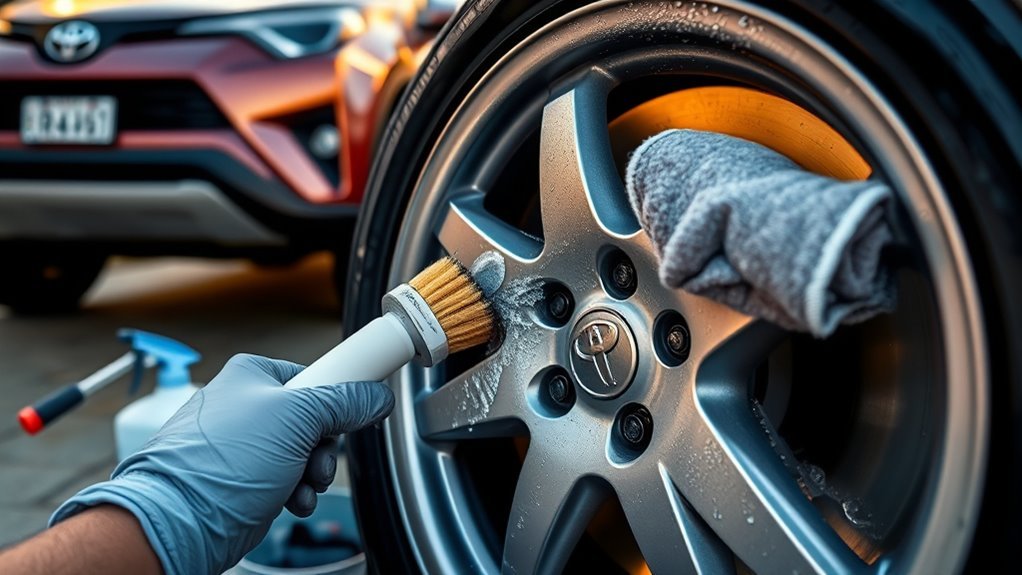
Whitewall tires can look sharp on a Toyota RAV4, but the white rubber shows brake dust, road film, old dressing, and yellowing faster than a black sidewall. The safest way to clean them is simple: work on cool tires, use a tire-safe cleaner or mild soap, scrub with a soft brush, rinse well, dry fully, and protect the sidewall with a non-petroleum dressing if the product label allows it.
Quick Answer
To clean white wall tires on a RAV4, park on level ground, let the tires cool, rinse with a garden hose, apply a tire-safe whitewall cleaner or mild soap, scrub with a soft-bristled brush, rinse thoroughly, and dry with microfiber. Spot-treat yellowing gently, then apply a non-petroleum tire protectant only to the sidewall.
Key Takeaways
- Use mild soap, a tire-safe whitewall cleaner, or a product made for wheels and tires; always follow the label.
- Scrub with a soft-bristled brush, sponge, microfiber cloth, or non-scratch pad instead of steel wool or harsh abrasives.
- Avoid bleach, alcohol, acids, solvents, petroleum-based tire dressings, steam cleaners, and direct pressure-washer blasting on the tire.
- Clean one tire at a time, rinse fully, and dry before applying any sidewall dressing.
- Use cleaning time to inspect treadwear indicators, uneven wear, sidewall cracks, bulges, cuts, and tire pressure.
At a Glance
| Time Required | 15–30 minutes for all four tires, depending on stain level |
| Difficulty | Easy |
| Tools Needed | Garden hose, bucket, mild soap or tire-safe whitewall cleaner, soft-bristled brush, sponge or non-scratch pad, microfiber towels, foam applicator, optional water-based tire protectant |
| Cost | About $5–$25 if you already own basic wash tools |
Quick Tools List and 60-Second Cleaning Overview
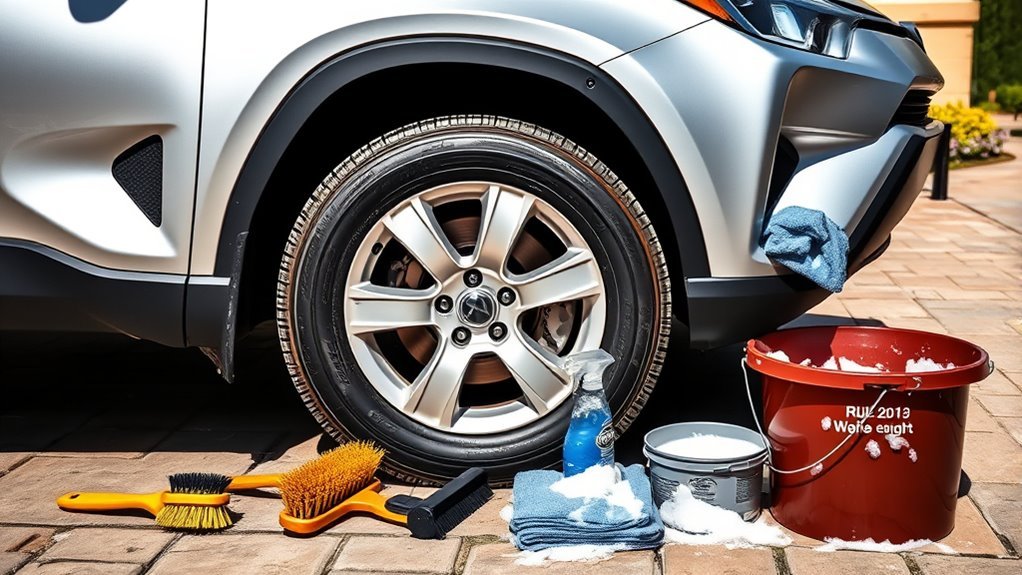
Gather everything before you wet the tires: a bucket, garden hose, mild car-wash soap or a tire-safe whitewall cleaner, a soft-bristled brush, a sponge or non-scratch scrub pad, microfiber towels, and a foam applicator if you plan to use tire dressing. A product made for whitewall tires or wheels and tires is usually easier than mixing strong household chemicals.
Work on one tire at a time. Rinse loose grit first, apply cleaner, let it dwell only as long as the label recommends, scrub the white band with controlled pressure, rinse until the water runs clean, and dry the tire before moving to protection. If you use a product such as Simple Green’s whitewall cleaning directions, follow the label guidance for spot testing, cool tires, dwell time, rinsing, and drying.
Warning: Do not use bleach, alcohol, acid wheel cleaner, harsh solvents, petroleum-based tire dressing, steam cleaners, or direct pressure-washer blasting on the tire. The U.S. Tire Manufacturers Association recommends soap and water with a soft brush or cloth and warns that harsh agents and petroleum products can speed oxidation and cracking.
[Products Worth Considering]

Adam’s Pro Tire Hex Grip applicators are molded foam sponges designed for precise, even tire dressing application. The ergonomic grip helps you spread product without overapplying, reducing sling that can splash onto paint and helping keep your hands clean during wheel and trim detailing. They’re durable, washable, and reusable for repeated detailing sessions.

Cristal Products Untouchable Tire Shine Spray delivers a deep, wet-look gloss that enhances your vehicle’s tires. It’s quick-drying and spreads smoothly for consistent, streak-free coverage, while forming a protective coating against UV rays, road grime, and weather. Suitable for all tire types, it helps restore dull, faded tires to a showroom-quality finish.

Blackline Blackout is a water-based trim and tire dressing that restores rubber, vinyl, and plastic with a rich satin, blackout look. Its no-sling formula dries quickly and helps prevent messy transfer onto paint. The coating repels water and offers UV protection to help prevent fading, cracking, and discoloration for a clean, long-lasting finish.
Prep Your RAV4: Park Safe, Cool the Tires, and Rinse
Park your RAV4 on a level, well-lit surface and set the parking brake. Choose a safe spot away from moving traffic, and let the tires cool before cleaning. Cool tires make cleaner dwell times more predictable and help you avoid working product into hot rubber.
Before scrubbing, do a quick tire check. Look for cracks, bulges, deep cuts, exposed cords, nails, uneven wear, or treadwear indicators showing. Toyota’s RAV4 owner information recommends checking treadwear indicators, uneven tire wear, and spare tire condition as part of tire care. If you see damage, have the tire inspected before spending time on appearance.
Rinse the tire with a normal garden hose to remove grit, mud, and loose brake dust. Direct the water around the white band, sidewall, tread shoulder, and wheel lip. Avoid using a pressure washer close to the tire sidewall, because concentrated force can damage rubber or drive grime into edges instead of lifting it away.
Note: If you also plan to check tire pressure, do it when the tires are cold. NHTSA recommends checking tire pressure at least once a month when the vehicle has not been driven for at least three hours.
Clean the Tire First, Then Scrub the Whitewall
Cleaning the whole tire first keeps black sidewall grime from running back over the white band. It also gives you a cleaner surface for spot treatment and protectant.
Rinse and Wash
- Rinse the entire tire and wheel area with a garden hose.
- Apply mild car-wash soap or a tire-safe cleaner to the tire, following the label.
- Use a soft-bristled brush to scrub the black sidewall, tread shoulder, and the edge where the whitewall meets the black rubber.
- Rinse fully so loosened grime does not dry back onto the whitewall.
- Wipe or air-dry briefly before focused whitewall cleaning.
Targeted Whitewall Scrubbing
Apply your whitewall cleaner to the white band only, unless the product label says it is safe for the entire tire and wheel. Let it sit for the recommended time, usually a short dwell, then scrub with a soft brush or sponge in short strokes. Work around the tire in small sections so cleaner does not dry on the rubber.
Rinse often to check progress. If the band looks gray or brown after the first pass, repeat the cleaner and soft-brush step once before moving to stronger spot treatment. Most whitewall stains improve with patience, not extra force.
| Step | Purpose |
|---|---|
| Pre-rinse | Removes loose grit before scrubbing |
| Clean whole tire | Prevents black sidewall grime from streaking onto the white band |
| Scrub whitewall gently | Lifts surface film without gouging or scuffing the rubber |
| Final rinse | Removes cleaner residue that can attract dirt |
Remove Stubborn Yellow or Brown Stains Safely
Yellow or brown stains often come from old dressing, road film, brake dust, rubber blooming, or cleaner residue. Start mild and repeat the safe steps before trying anything more abrasive.
Baking Soda Paste for Spot Cleaning
For small stains, mix baking soda with enough water to make a thin paste. Apply it to the stained white area, wait a few minutes, then scrub lightly with a damp microfiber cloth or soft sponge. Rinse completely. Baking soda is mildly abrasive, so use it for spot cleaning rather than grinding the entire sidewall.
Melamine Foam or Non-Scratch Pad
A damp melamine foam eraser or non-scratch pad can help with stubborn surface marks, but treat it as a gentle abrasive. Test a small hidden area first, use light pressure, and rinse often. Stop if the whitewall looks dull, rough, or uneven.
What to Avoid on Whitewall Tires
- Do not use steel wool, SOS pads, wire brushes, or coarse sandpaper on installed tires.
- Do not use bleach, alcohol, gasoline, lacquer thinner, mineral spirits, or acid wheel cleaner.
- Do not let cleaner dry on the tire or wheel.
- Do not put tire dressing on the tread, brake components, rotors, pedals, floor mats, or any surface that must stay non-slip.
- Do not try to “restore” cracked, bulged, deeply cut, or structurally damaged tires with cleaning products.
Pro Tip: If the stain lightens after each pass, keep using mild cleaning. If it does not change at all, the discoloration may be aging, embedded staining, damaged white rubber, or old dressing buildup that needs several gentle cleanings rather than one aggressive scrub.
| Problem | Safer Fix | Avoid |
|---|---|---|
| Light gray film | Mild soap, soft brush, rinse | Over-scrubbing |
| Yellowing | Whitewall cleaner, baking soda spot paste, repeat cleaning | Bleach or alcohol |
| Brown residue | Remove old dressing, wash, dry, use non-petroleum dressing sparingly | Petroleum-based shine |
| Deep cracking or rubber damage | Professional tire inspection | Covering damage with dressing |
Brighten Whitewalls: Baking Soda, Eraser Pads, Repeat Treatments
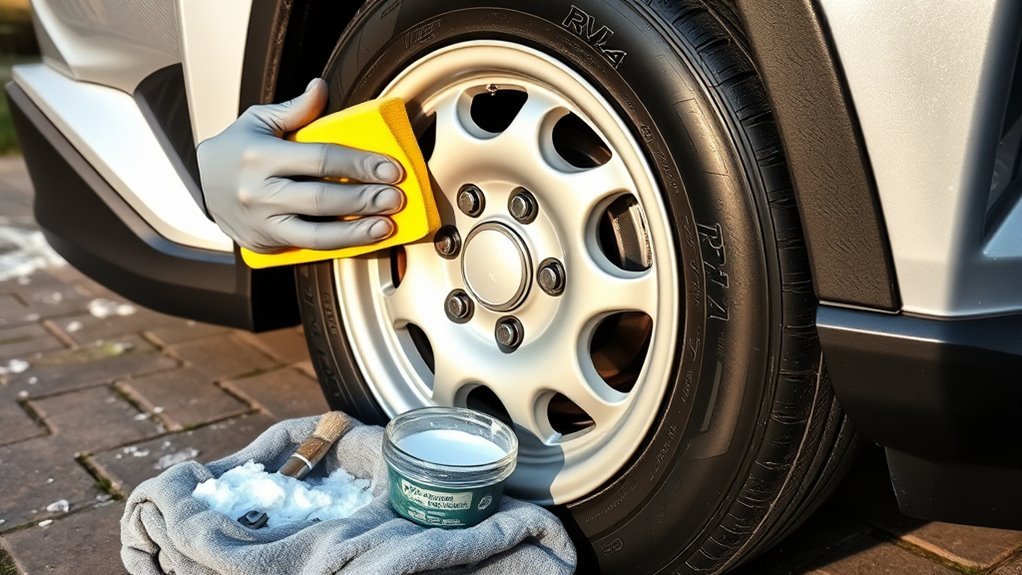
For quick brightening, use a damp cloth with a small amount of baking soda and work in small circles on the stained white area. Keep the pressure light and even. Rinse after each section so powdery residue does not dry on the tire.
For persistent surface streaks, use a damp melamine foam eraser or non-scratch pad with gentle pressure. This can help lift marks from the top surface of the white rubber, but it should not be used like sandpaper. If the pad starts to crumble or the whitewall looks uneven, stop, rinse, and return to a soft brush.
Repeat mild treatments as needed rather than trying to fix heavy yellowing in one pass. A safer routine is: clean, rinse, inspect, repeat once, then dry. If the tire still looks stained, wait until the next wash and repeat gently.
[Products Worth Considering]

This wheel brush kit delivers pro-level cleaning at home, lifting dirt, grime, and brake dust to help restore wheel appearance. It includes multiple brush styles and applicator pads for tackling different wheel surfaces, with gentle, metal-free bristles designed to reduce scratching risk. The flat and double-ended brushes are built for comfort and reach, making wheel care easier for cars, trucks, and RVs.

This oesee 8-piece wheel care kit helps you clean, scrub, and dry wheels safely with purpose-built brushes and towels. The scratch-free microfiber wheel brush lifts brake dust and grime, while the stiff pro-grip tire brush removes tire browning and embedded dirt. A twist loop microfiber drying towel and an applicator help achieve a streak-free finish and cleaner, more even product application.
Protect and Maintain: Dressing, UV Care, and Cleaning Schedule
After the whitewalls are clean and dry, apply a thin coat of non-petroleum, water-based tire dressing only if the product label says it is safe for whitewalls or tire sidewalls. Use a foam applicator and keep the dressing off the tread, wheel braking surfaces, and driveway. Buff off excess so the finish looks clean rather than wet or greasy.
Continental Tire’s cleaning guidance recommends mild soap and water, gentle scrubbing, and avoiding petroleum-based dressings. That matches the best routine for a RAV4 with whitewall or white-letter tires: clean gently, rinse fully, dry, and protect sparingly.
For maintenance, do a quick rinse after muddy, salty, or dusty drives. Wash the whitewalls every 2–4 weeks if you want them bright, or whenever they start to look gray. During the same routine, check tire pressure, tread depth, uneven wear, sidewall cracks, bulges, and the spare tire. USTMA tire-care guidance recommends regular attention to pressure, tread, rotation, and alignment.
Note: Most RAV4 models come with black sidewall tires from the factory. If your RAV4 has aftermarket whitewalls, white-letter tires, or whitewall inserts, follow the tire maker’s care instructions first.
Troubleshooting: Why Whitewalls Still Look Brown or Yellow
If the tire still looks dull after cleaning, the problem may not be ordinary dirt. Use this quick guide before reaching for stronger chemicals.
| Symptom | Likely Cause | What to Do |
|---|---|---|
| Brown haze returns quickly | Old petroleum dressing, rubber blooming, or cleaner residue | Wash again with mild soap, rinse longer, dry fully, and switch to non-petroleum dressing |
| Yellow patches | UV exposure, harsh cleaner history, or embedded staining | Use repeated gentle whitewall cleaner passes and protect with a label-approved dressing |
| Black streaks on white band | Dirty brush, dirty rinse water, or runoff from black sidewall | Clean the whole tire first, rinse the brush, and use fresh wash water |
| Whitewall feels rough or cracked | Aging, abrasion, or rubber damage | Stop scrubbing and have the tire inspected |
Frequently Asked Questions
Will a Magic Eraser clean white wall tires?
Yes, a damp melamine foam eraser can help remove surface marks from whitewall tires, but use it carefully. Test a hidden spot first, use light pressure, rinse often, and stop if the whitewall starts to look dull or rough. Treat it as a gentle abrasive, not a regular sponge.
What is the best cleaner for white walls?
The safest first choice is mild soap and water with a soft-bristled brush. For heavier road film, use a tire-safe whitewall cleaner or wheel-and-tire cleaner that says it is safe for rubber and follow the label exactly. Avoid bleach, alcohol, acids, harsh solvents, and petroleum-based products.
How do I make my white walls white again?
Rinse the tire, clean the whole sidewall first, apply a tire-safe whitewall cleaner, scrub the white band with a soft brush, rinse thoroughly, and repeat once if needed. For small yellow stains, use a baking soda paste or damp melamine foam with light pressure, then rinse and dry.
Can I use bleach on whitewall tires?
No. Bleach is too harsh for routine tire cleaning and can contribute to discoloration, drying, or cracking. Use mild soap, a tire-safe whitewall cleaner, and gentle scrubbing instead.
Can I pressure wash RAV4 whitewall tires?
A normal garden hose is safer. Avoid blasting the tire sidewall or whitewall with a pressure washer, especially at close range. Concentrated pressure can damage rubber, force water into edges, or worsen existing cracks and cuts.
How often should I clean whitewall tires?
Clean them every 2–4 weeks if you want a bright look, and sooner after mud, salt, brake dust, or heavy road grime. At minimum, inspect your tires monthly for pressure, treadwear, uneven wear, cracks, bulges, and other damage.
Should I put tire shine on whitewalls?
Only use a non-petroleum, water-based dressing that is labeled safe for tires or whitewalls. Apply a thin coat to the sidewall with a foam applicator, wipe away excess, and keep it off the tread and brake components.
Conclusion
Keep your RAV4’s whitewall tires bright by using a gentle, repeatable routine: rinse, wash the whole tire, scrub the white band with a soft brush, spot-treat stains carefully, rinse thoroughly, dry, and protect with a non-petroleum dressing only when appropriate. The biggest mistake is using harsh chemicals or aggressive abrasives to force a quick result. Gentle cleaning done regularly is safer for the tire and usually looks better over time.
Sources
- U.S. Tire Manufacturers Association — Care and Service of Passenger and Light Truck Tires — supports soft-brush cleaning, avoiding harsh agents and petroleum products, and pressure-washer caution.
- Continental Tire — Cleaning — supports mild soap and water, gentle scrubbing, and non-petroleum dressing guidance.
- NHTSA TireWise — supports monthly tire pressure and tread checks and cold-pressure guidance.
- Toyota Owners — 2024 RAV4 Tires — supports checking treadwear indicators, uneven wear, and spare tire condition.
- Simple Green — How to Clean White Wall Tires — supports spot testing, cool tire cleaning, short dwell time, soft-brush scrubbing, rinsing, drying, and optional protectant.

Related Articles

Toyota RAV4 TPMS Reset: Easy Steps That Work
Unlock the secrets to resetting your Toyota RAV4's TPMS effortlessly—discover the essential steps to ensure your tires are always safe.
Read More
Toyota RAV4 Tire Rotation: DIY Steps & Pattern
Take control of your Toyota RAV4's tire maintenance with our simple DIY rotation guide—discover the best steps for optimal performance and longevity!
Read More
Mix Tire Brands on a Toyota RAV4? Expert Guide
Keeping your RAV4 safe? Learn when mixing tire brands risks traction, ABS/TCS and AWD damage — and what exact matches you must insist on.
Read More