
What Is a The Quietest Tire? Complete Guide & Best Options
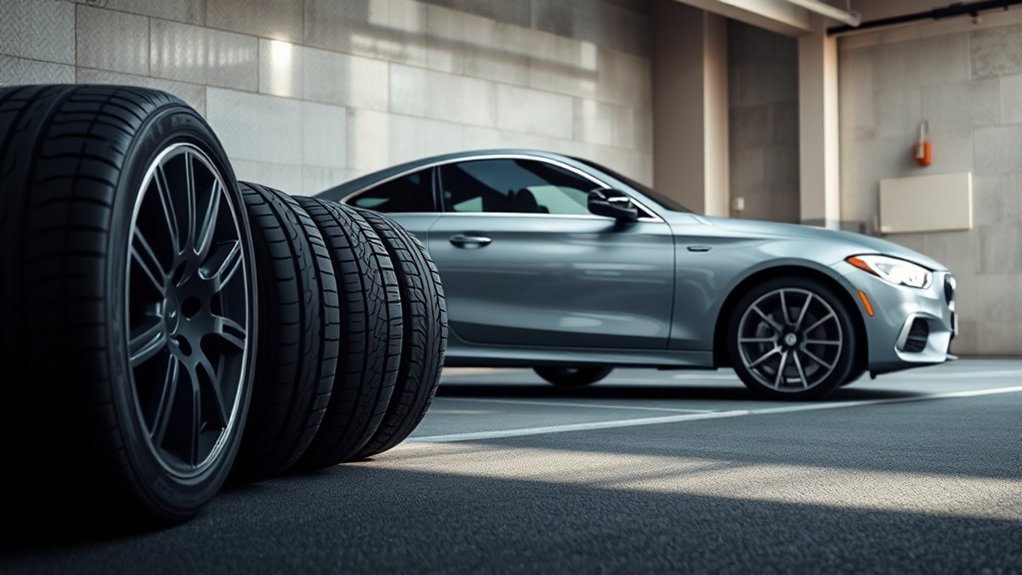
The quietest tire for your vehicle is not one single model. It depends on your tire size, vehicle weight, suspension, road surface, speed, tread wear, and how much sound insulation your cabin has. Still, you can narrow your search by looking for touring or grand-touring tires with comfort-focused tread designs, good owner feedback for low road noise, and the exact size and load rating your vehicle requires.
Quick Answer
For most daily drivers, the quietest tires are usually comfort-focused touring or grand-touring all-season tires from lines such as Michelin Primacy, Michelin Defender2, Bridgestone Turanza QuietTrack, Continental TrueContact Tour 54, Pirelli P7 AS Plus 3, and Goodyear Assurance ComfortDrive. Choose by your exact size, load rating, climate, and road conditions.
Key Takeaways
- Quiet tires use pitch-sequenced tread blocks, smoother groove layouts, comfort-oriented rubber compounds, stable casing designs, and sometimes foam liners to reduce hum and vibration.
- A tire that is quiet on one vehicle may sound different on another because tire size, cabin insulation, suspension, and pavement texture all change cabin noise.
- Touring and grand-touring all-season tires are usually quieter than aggressive all-terrain, mud-terrain, winter, and ultra-high-performance tires.
- Proper tire pressure, rotation, balancing, and alignment help quiet tires stay quiet as they wear.
- Never choose a tire by noise alone. Match the size, load index, speed rating, climate rating, and vehicle manufacturer guidance first.
Warning: A quiet tire is only a good tire if it is correct for your vehicle. Check the tire size, load index, speed rating, and inflation pressure on your vehicle placard or owner’s manual before buying. If your tires suddenly get louder, vibrate, thump, or hum from one corner, have the tires, wheels, wheel bearings, alignment, and suspension inspected.
What Makes Tires Quiet?
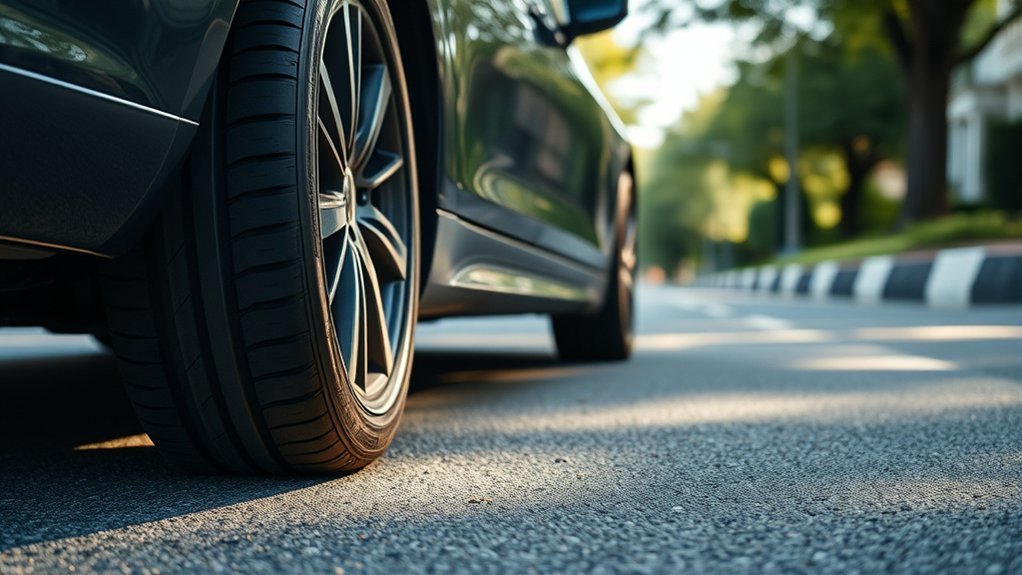
Quiet tires reduce sound in several ways. The biggest factor is the tread pattern. When tread blocks hit the road in a repeated rhythm, they can create a steady drone. Many quiet tires use different tread block sizes, also called pitch sequencing, so the sound is spread across different frequencies instead of building into one harsh hum.
Groove shape also matters. Long circumferential grooves, angled channels, and small serrations can help air move out of the tread instead of being trapped and released as a hiss. This is why careful tread pattern design can make a real difference in daily driving comfort.
The tire’s rubber compound and casing also affect sound. A comfort-focused compound can reduce harsh vibration, while a stable casing helps the tire roll evenly. Some premium tires also use foam inside the tire cavity to reduce low-frequency resonance. Foam does not make every road silent, but it can help reduce the hollow booming sound that some vehicles produce at steady speeds.
Note: Tire noise is not only a tire issue. Coarse asphalt, concrete grooves, worn suspension parts, low pressure, wheel imbalance, and uneven tread wear can make even a quiet tire sound loud.
Best Quiet Tires for Highway Driving
Highway driving makes tire noise easier to notice because the sound is steady. For this use, look first at touring and grand-touring all-season tires. They are usually designed for comfort, long tread life, predictable wet-road performance, and lower cabin noise.
The Michelin Primacy All Season is a strong comparison point for drivers who want low rolling resistance, all-season control, and a quiet ride. The Michelin Defender2 is another current comfort-focused option for many sedans, CUVs, SUVs, and some EV fitments. Bridgestone Turanza QuietTrack is also well known for noise-focused tread engineering, though you should confirm current availability in your exact size before choosing it.
If you want a broader comparison list, start with these quiet-focused models and then filter by your vehicle size, climate, budget, warranty, and professional test results.
| Driving Need | Quiet Tire Models to Compare | Best Fit |
| Highway comfort | Michelin Primacy All Season, Bridgestone Turanza QuietTrack, Goodyear Assurance ComfortDrive | Drivers who want low hum, smooth tracking, and relaxed long trips. |
| Daily commuting | Michelin Defender2, Continental TrueContact Tour 54, General AltiMAX RT45 | Drivers who want comfort, tread life, and reasonable cost. |
| SUV or crossover | Michelin Defender2, Michelin Defender LTX M/S 2, Continental TrueContact Tour 54 | Heavier vehicles that need stable handling and lower road noise. |
| EV or hybrid | Michelin Primacy All Season, Michelin Defender2, Continental TrueContact Tour 54 | Vehicles where tire hum is more noticeable because engine noise is lower. |
| All-weather traction | Michelin CrossClimate 2, Pirelli P7 AS Plus 3, Yokohama AVID Ascend GT | Drivers who need wet or light-winter confidence and still want comfort. |
Do not buy from a model name alone. One tire line may come in many sizes, speed ratings, load ratings, and original-equipment versions. A tire that is quiet in one size may be firmer or louder in another size.
[Products Worth Considering]

This 100-piece tire repair screw plug kit provides a fast, self-service solution for punctures on the road. Choose the correct plug size, insert it into the break, and screw...
Quiet Tires by Vehicle Type
The right quiet tire depends on what you drive. A compact sedan, a heavy SUV, a pickup, and an EV do not create or transmit tire noise the same way.
Quiet Tires for Sedans and Minivans
For sedans and minivans, choose touring or grand-touring all-season tires first. These usually provide the best balance of low road noise, wet-road safety, long tread life, and comfort. Michelin Primacy, Michelin Defender2, Goodyear Assurance ComfortDrive, and Continental TrueContact Tour 54 are good comparison points in this category.
Quiet Tires for SUVs and Crossovers
SUVs and crossovers often use larger tires and carry more weight, so a stable casing matters. Look for comfort-oriented highway or touring tires rather than aggressive all-terrain tires if noise is your top concern. For Toyota-specific examples, many drivers compare quiet tread designs when trying to reduce cabin noise in a crossover.
Quiet Tires for Electric Vehicles
EVs make tire noise easier to hear because there is less engine noise to mask it. Choose tires that are approved for your EV’s weight, torque, and load rating. Low rolling resistance can help range, but it should not come at the expense of wet traction or load capacity. Some EV-ready tires also use foam liners or special casing designs to reduce cavity noise.
Quiet Tires for Trucks
If you drive a pickup mostly on pavement, a highway all-season or touring-style truck tire will usually be quieter than an all-terrain tire. If you need towing, hauling, gravel, mud, or snow traction, expect more tread noise. Deeper tread blocks and larger voids help grip loose surfaces, but they often hum more at highway speeds.
Pro Tip: When two tires both fit your vehicle, choose the one with better independent road-noise feedback in your exact size. Reviews for a different tire size can be useful, but they are not a perfect match.
How to Compare Quiet Tires Before Buying
Start with fitment. Check the tire size, load index, speed rating, and recommended pressure on your vehicle’s tire placard or owner’s manual. The National Highway Traffic Safety Administration explains that proper tire pressure, tread condition, balancing, alignment, and rotation all affect safety and tire life.
Next, compare the tire category. A grand-touring all-season tire is usually quieter than an all-terrain tire. A performance tire may steer sharper but ride firmer. A winter tire may grip snow better but sound louder on dry highways. A run-flat tire can be convenient after a puncture, but some drivers find run-flats firmer and noisier than standard tires.
Then check real-world noise feedback. Look for professional tests that include road-noise impressions, owner reviews from drivers with a similar vehicle, and warranty details. In the United States, UTQG ratings can help you compare treadwear, traction, and temperature resistance, but they do not directly tell you how quiet a tire will sound inside your cabin.
If you are choosing among Michelin options, compare the Primacy family for efficiency and comfort, the Defender family for tread life and everyday comfort, and all-weather models if you need stronger wet or light-snow capability. For more model-specific comparisons, you can also review Michelin Latitude Tour and similar comfort-focused tire discussions.
How Tire Wear Affects Noise
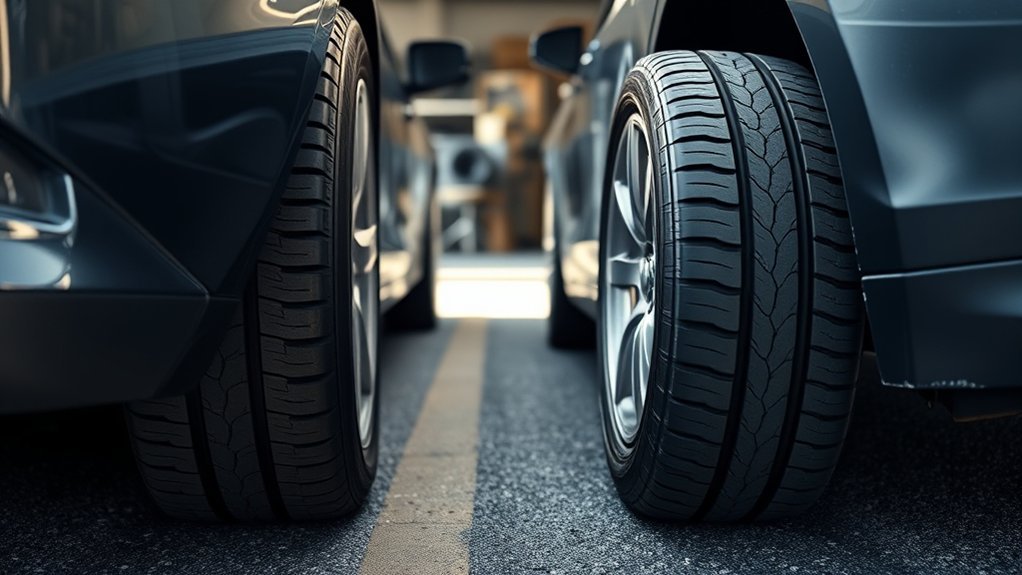
As tires wear, they can get louder. Even a quiet tire can develop a hum, thump, or roaring sound if the tread wears unevenly. Common causes include low pressure, overpressure, poor alignment, worn shocks or struts, lack of rotation, wheel imbalance, and damaged tread.
Uneven wear changes how the tread touches the road. Instead of a smooth contact patch, the tire rolls on raised and lowered tread edges. That can create vibration and a pulsing sound, especially at higher speeds. Cupped tires often sound like a wheel bearing problem, and a bad wheel bearing can sound like tire roar, so inspection matters.
Road surface also changes what you hear. Coarse asphalt and grooved concrete can make tires sound louder than smooth asphalt. Wet pavement can add hiss. A tire that seems quiet on one road may sound louder on another road, even on the same day.
Regular maintenance, including checking tire pressure, helps slow uneven wear and can reduce noise over time.
How to Keep Tires Quiet Longer
Quiet tires stay quiet longer when they wear evenly. Check tire pressure at least monthly, and check it when the tires are cold. Use the pressure listed by the vehicle maker, not the maximum pressure printed on the tire sidewall.
- Check pressure monthly: Low pressure increases heat, flex, wear, and road hum.
- Rotate on schedule: Follow your owner’s manual. Many vehicles use a 5,000 to 8,000 mile interval when rotation is recommended.
- Balance new tires: A wheel imbalance can send vibration through the cabin and make tires sound rough.
- Inspect alignment: If the car pulls, the steering wheel sits off-center, or the inner/outer tread wears fast, alignment may be adding noise.
- Replace worn tires: Tires are not safe once tread reaches 2/32 inch, and they can get louder before that point.
- Watch for cupping: Scalloped tread can point to worn shocks, struts, suspension parts, or balance issues.
If your cabin still feels loud after tire maintenance, cabin sound-deadening mats may help, but they should not be your first fix. Start with tire condition, fitment, alignment, balancing, and road-force balance if vibration is present. Selecting tires with noise-damping tread designs also helps when the tire is the main source of the sound.
When Loud Tires Are a Warning Sign
Some tire noise is normal, but new or changing noise can signal a problem. Pay attention to the type of sound and when it appears.
- Steady roar that changes when turning: Possible wheel bearing issue or uneven tire wear.
- Thumping: Possible flat spot, separated belt, damaged tire, or severe imbalance.
- Wobble or vibration: Possible balance issue, bent wheel, tire defect, or suspension problem.
- Humming after rotation: Often caused by existing uneven wear moving to a more noticeable axle position.
- Noise after hitting a pothole: Check for tire bubbles, bent wheels, alignment shift, and suspension damage.
Do not ignore a sudden tire sound. Pull over safely if the vehicle shakes, pulls hard, smells like hot rubber, or the tire pressure warning appears. A damaged tire can fail without much warning.
Frequently Asked Questions
What tire gives the quietest ride?
The quietest ride usually comes from a comfort-focused touring or grand-touring all-season tire that fits your exact vehicle. Michelin Primacy All Season, Michelin Defender2, Bridgestone Turanza QuietTrack, Continental TrueContact Tour 54, Pirelli P7 AS Plus 3, and Goodyear Assurance ComfortDrive are good models to compare, but the best choice depends on size, road surface, climate, and vehicle type.
Which tire makes less noise?
A tire with smaller, varied tread blocks, smooth groove transitions, a comfort-oriented casing, and good owner feedback for low road noise will usually make less noise than an aggressive all-terrain or performance tire. The category matters as much as the brand. Touring tires are often quieter than mud-terrain, winter, and ultra-high-performance tires.
Do quieter tires make a difference?
Yes, quieter tires can make a noticeable difference, especially on highways and in EVs. The improvement varies by vehicle, road surface, tire size, tread wear, and cabin insulation. A new quiet tire can still sound loud if it is underinflated, unbalanced, misaligned, or driven on coarse pavement.
What are the top 10 quiet tyres to compare?
Ten quiet tyres worth comparing are Michelin Primacy All Season, Michelin Defender2, Bridgestone Turanza QuietTrack, Continental TrueContact Tour 54, Goodyear Assurance ComfortDrive, Pirelli P7 AS Plus 3, General AltiMAX RT45, Michelin CrossClimate 2, Yokohama AVID Ascend GT, and Hankook Kinergy PT. Availability and performance vary by size, so verify fitment before buying.
Are all-season tires quieter than all-terrain tires?
In most cases, yes. Touring and grand-touring all-season tires usually have tighter tread blocks and smoother road contact, which helps reduce hum. All-terrain tires use larger tread blocks and deeper voids for loose surfaces, so they often make more noise on pavement.
Why did my tires get louder after rotation?
Tires can sound louder after rotation if they already had uneven wear. Moving them to a different axle can make the pattern more noticeable. If the sound does not settle after a short break-in period, check pressure, balance, alignment, tread condition, and wheel bearings.
Should I choose quiet tires with foam liners?
Foam liners can help reduce tire cavity resonance, especially in vehicles where low-frequency tire hum is easy to hear. They are useful, but they are not the only factor. Tread design, casing, road surface, inflation, and vehicle insulation can matter just as much.
Conclusion
The quietest tire for your vehicle is the one that matches your size, load rating, driving conditions, and comfort goals. Start with touring or grand-touring all-season tires if low road noise is your top priority. Compare models like Michelin Primacy All Season, Michelin Defender2, Bridgestone Turanza QuietTrack, Continental TrueContact Tour 54, Pirelli P7 AS Plus 3, and Goodyear Assurance ComfortDrive, but verify current availability and fitment before buying.
After installation, keep the tires quiet with proper pressure, rotation, balancing, alignment, and tread inspections. A quiet tire can only stay quiet when it wears evenly and rolls on a healthy wheel and suspension system.
Sources
- NHTSA TireWise — tire pressure, tread depth, rotation, tire placard, and safety guidance.
- Michelin Primacy All Season — manufacturer information on quiet ride, low rolling resistance, and all-season use.
- Michelin Defender2 — manufacturer information on comfort, quiet drive, tread life, and fitment categories.
- Wired: Bridgestone Turanza QuietTrack engineering coverage — tread-channel and serration design details for noise reduction.
- Virtual-Array Operational Modal Analysis of Rolling Tires — technical background on rolling tire dynamics and low-frequency structure-borne noise.
- Tire Noise Optimization Problem — technical background on tire-noise optimization and tread-related design constraints.

Related Articles

What Is a Fat Tire? Complete Guide & Best Options
I’ll show you what makes fat tires different, which setups work best, and why the right choice could change your ride.
Read More
What Does W Mean on a Tire? Load, Speed & Rating Guide
Huh, what does W on a tire really mean, and why could choosing the wrong rating affect your safety and performance?
Read More
What Does Tire Flipping Work? Muscles, Benefits & Workout Guide
Strong tire flips hammer your entire body, but which muscles and benefits matter most?
Read More