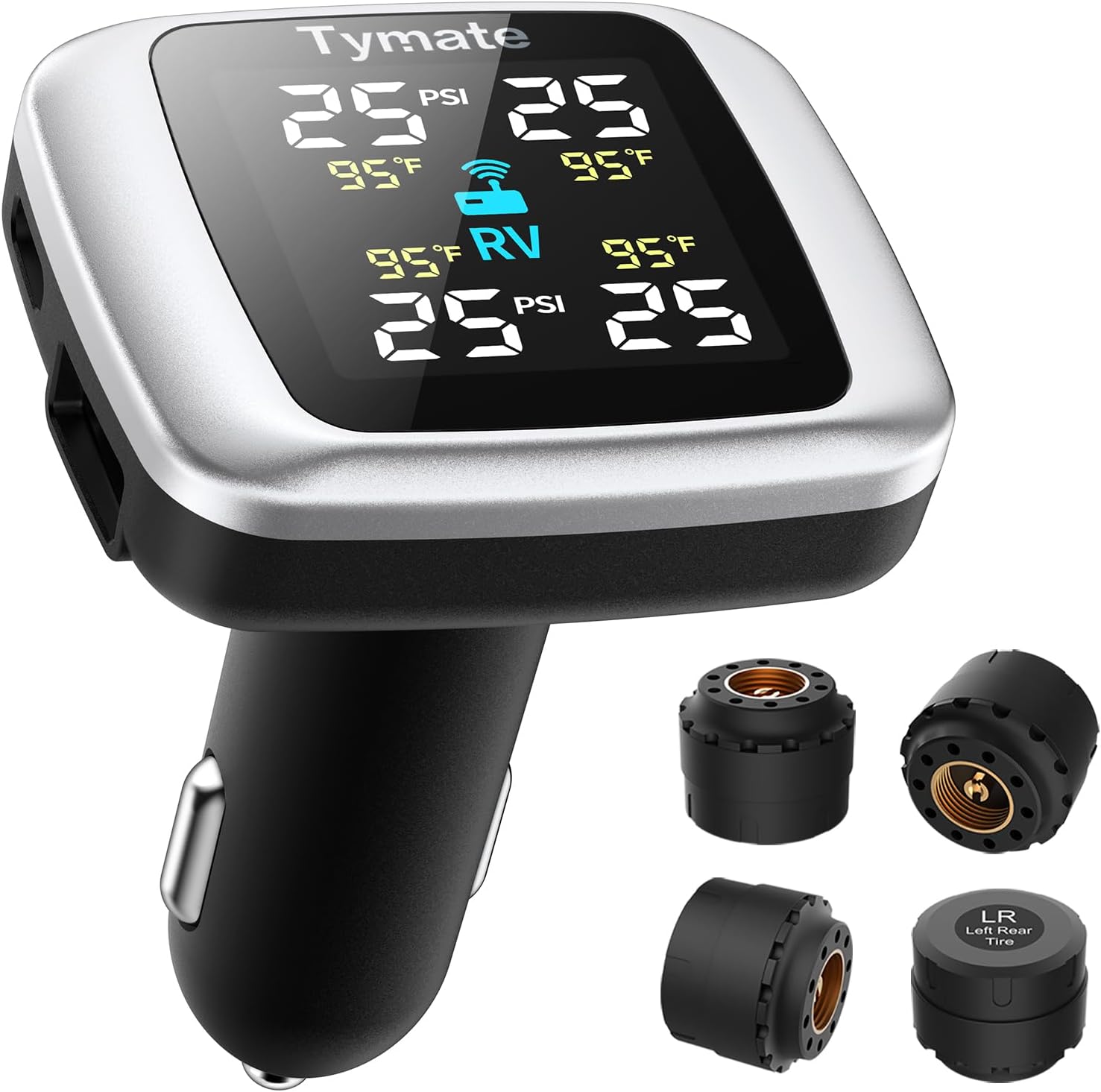
What Does Left RR Tire Low Mean? Dashboard Warning Explained
“Left RR Tire Low” means your left rear tire’s pressure is below the recommended level, usually by about 25%, and the TPMS has flagged it. You should check that tire with a gauge when it’s cold, inflate it to the vehicle spec, and inspect for leaks, damage, or uneven wear. Cold weather can trigger the alert, and if it stays on after proper inflation, the sensor may need attention, which we’ll cover next.
Key Takeaways
- “Left RR Tire Low” means the left rear tire’s air pressure is below the recommended level.
- The warning comes from the TPMS, usually when pressure drops about 25% below spec.
- Check the left rear tire with a gauge when tires are cold and inflate to the vehicle’s recommended pressure.
- Cold weather, slow leaks, or a damaged sensor can trigger the alert.
- If the light stays on after correcting pressure, inspect the tire and TPMS sensor or reset the system.
What Does Left RR Tire Low Mean?
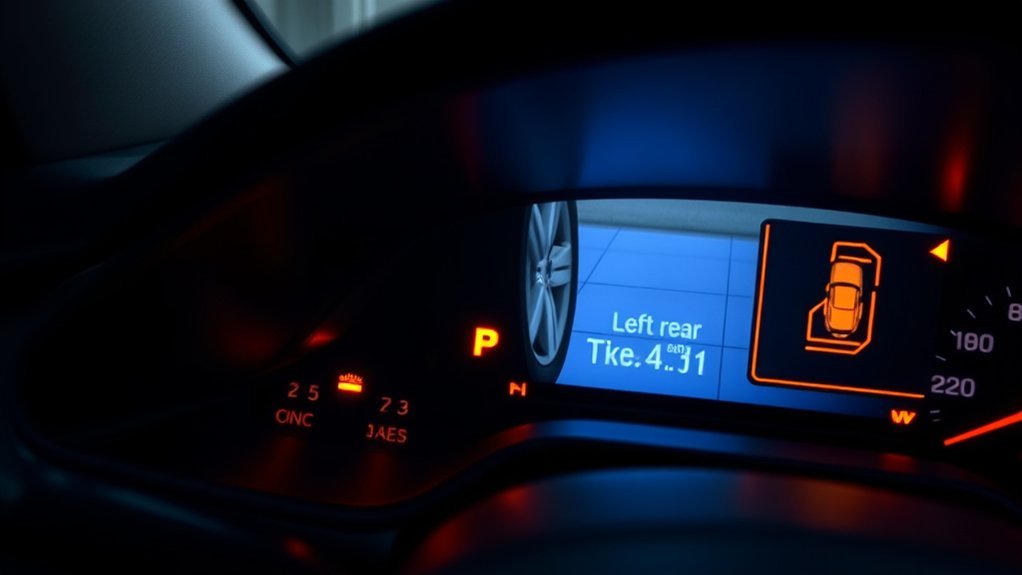
“Left RR Tire Low” means your vehicle’s tire pressure monitoring system (TPMS) has detected low air pressure in the left rear tire. Your dashboard is telling you that the left rear wheel needs attention, and the TPMS sensors have compared current pressure against the calibrated threshold. Most systems trigger the warning when pressure falls about 25% below the recommended level. Temperature shifts can change tire pressure enough to set off the alert, even if you haven’t noticed a leak. You should treat this message as a safety and performance issue because underinflation reduces fuel efficiency, weakens handling, and increases tire stress. Don’t ignore the light, and don’t assume it’s a false alarm. If the warning stays on after you confirm proper inflation, inspect the TPMS sensors, wiring, and related components for a fault that’s preventing accurate readings. Regular tire rotations can help maintain proper pressure and extend tire life.
Check the Left Rear Tire Pressure First
Start with the left rear tire and check its pressure with a reliable gauge as soon as possible. The dashboard warning means that specific tire is reading low tire pressure, and you need to verify it before you drive far. A TPMS alert usually appears when pressure drops about 25% below the recommended level, so don’t treat it as a casual reminder.
- Measure the left rear tire cold, then compare it with the placard spec.
- Inflate only to the vehicle’s recommended tire pressure, not the tire sidewall max.
- Recheck after weather swings, because a 10°F drop can cost about 1 psi. Additionally, maintaining the proper tire pressure can significantly enhance safety and fuel economy.
Why a TPMS Light Comes On
A TPMS light comes on when the system detects that one tire, like the left rear, is about 25% below the recommended pressure, and it’s signaling you to check it right away. You’re seeing a safety alert, not a minor annoyance. Your vehicle monitors each pressure level through direct tire sensors or wheel-speed data, so it can catch underinflation before it hurts handling. Cold weather can drop pressure by about 1 psi for every 10°F, so a normal temperature swing can trigger the TPMS light. If you ignore it, you risk poorer fuel economy, slower response, and uneven tire wear. Check the affected tire, confirm the reading against the door-jamb spec, and correct it promptly. When you stay on top of pressure, you keep control, protect your tires, and move with more freedom and confidence on the road. Regular tire tread life maintenance and monitoring can further prevent issues and enhance performance.
How to Reset the Tire Pressure Light
First, verify that each tire matches the recommended pressure on your door-jamb sticker or in your owner’s manual, because the system can’t relearn correctly until the readings are accurate. Then turn the ignition to ON/RUN, press the TPMS reset button in its usual location, and follow the relearn procedure for your sensor locations. Drive for 10–15 minutes so the module can recalibrate; if the light stays on, you likely need sensor inspection or further troubleshooting. Additionally, ensure your tires are appropriate for your vehicle, as choosing the right tire type can impact performance and pressure readings.
Resetting TPMS Light
Once you’ve inflated all tires to the recommended pressure, you can reset the TPMS light by turning the ignition to the ON/RUN position without starting the engine and pressing the TPMS reset button, which is usually located under the steering wheel or in the glove box. Keep your tire pressure correct before any TPMS reset so the warning clears properly.
- Cycle the ignition on and off if your vehicle needs extra steps.
- Press and hold the reset button until the light flashes or turns off.
- Wait for a horn chirp, which confirms reprogramming.
If the light stays on, repeat the sequence exactly as your owner’s manual specifies. Procedures vary by make and model, so follow your vehicle’s instructions to restore accurate monitoring and drive with confidence.
Relearn Sensor Locations
To relearn sensor locations after replacing TPMS sensors, set the parking brake, turn the ignition to ON/RUN, and then activate each sensor in the sequence specified by your vehicle. Follow your manual exactly, because relearn steps can vary by model. As you trigger each sensor, listen for a horn chirp; that chirp confirms the system matched the sensor correctly. If the chirp doesn’t happen, stop and restart the process from the beginning. Before you begin, make sure all four tires hold the recommended tire pressure, since an incorrect reading can keep the warning light on. Keep your checks disciplined, and maintain tire pressure regularly so the TPMS can work cleanly and give you the freedom to drive without avoidable alerts.
Verify Tire Pressures
Check all four tires and inflate them to the recommended pressure listed on the driver’s doorjamb sticker or in your owner’s manual, because the TPMS can’t clear a low-pressure warning if the tires are still underinflated. Use a gauge, not guesswork, and match air pressure exactly.
- Inspect each tire for leaks, damage, or uneven wear.
- Recheck pressure when the tires are cold.
- Confirm the spare, if monitored, is correct too.
Then turn the ignition to ON/RUN without starting the engine and press the TPMS reset button if your vehicle has one. If it doesn’t, drive above 50 mph for about 10 minutes so the system can relearn. If the light stays on, you may have a bad sensor or BCM fault. Check monthly; freedom starts with reliable maintenance.
What the RR Tire Sensor Indicates
The RR tire sensor tells you the rear right tire’s pressure status in your TPMS. If it warns low, that tire’s pressure is typically about 25% below the recommended level. You should use that alert to identify the correct wheel quickly, then check the pressure manually for an accurate assessment. Regular checks of tire pressure can help prevent such warnings and ensure optimal vehicle performance.
RR Tire Location Meaning
RR means Rear Right, so the warning is pointing to the tire on the passenger-side rear axle. Your TPMS is naming the exact Rear tire with low tire pressure, not a vague wheel area.
- It isolates one tire fast
- It helps you check pressure before damage spreads
- It protects handling and fuel efficiency
You can treat this as a precise location cue: the sensor is tracking real-time pressure in that corner and flagging a drop. Temperature swings can move tire pressure enough to trip the system, so don’t assume the alert means a puncture. Check the RR tire against the placard spec and compare it with the other tires. When you know where the signal points, you keep control, avoid waste, and stay free from preventable roadside problems.
Sensor Alert Interpretation
An RR tire alert means your TPMS has detected low pressure in the right rear tire, usually when it drops about 25% below the vehicle’s recommended level. You should read this as a precise sensor alert, not a guess. Check the tire pressure manually to confirm the reading and rule out a faulty sensor or a slow leak. Misreading RR can waste time and delay needed action.
| Signal | Meaning |
|---|---|
| RR light | Right rear tire needs attention |
| TPMS warning | Pressure is below threshold |
| Manual check | Confirms actual tire pressure |
| Prompt action | Protects safety, efficiency, control |
When you respond quickly, you keep your vehicle free from avoidable risk and maintain performance, fuel efficiency, and tire health.
When a TPMS Sensor Needs Replacing
If your left RR tire warning stays on even after you’ve confirmed the tire pressure is correct, the TPMS sensor may be failing and need replacement. A faulty TPMS sensor can’t report accurate data, so your dashboard keeps warning you even when the tire pressure is normal. Most sensors last about 10 years, then their internal battery and electronics wear out.
A warning that persists despite correct pressure may signal a failing TPMS sensor nearing the end of its lifespan.
- Repeated warning light with correct tire pressure
- Sensor age near or beyond 10 years
- Incompatible or low-quality replacement parts
When you replace the sensor, use an original equipment unit to avoid recurring faults. After installation, you’ll need to perform the relearn procedure again so the vehicle can recognize the new sensor and restore communication. Regular inspection of TPMS sensors helps you catch failure early, reduce false alerts, and keep your system working with precision. Additionally, ensuring your tires have proper tread depth is crucial for overall safety and performance.
How to Maintain Correct Tire Pressure
Keep your tire pressure checked at least once a month with a reliable gauge, and compare the readings to the recommended PSI on your owner’s manual or the driver’s doorjamb sticker. Tires naturally lose air, and cold snaps can drop pressure about 1 psi for every 10°F, so don’t wait for a warning light. Check your tire when it’s cold, before driving, for the most accurate reading. If a tire is low, add air in small steps and remeasure until the numbers match. Rotate tires on schedule and inspect tread, sidewalls, and valve stems for cuts, bulges, or uneven wear. Proper tire pressure improves fuel efficiency, steering response, and braking, while underinflation reduces control and strains your vehicle. Seasonal temperature swings can trigger TPMS alerts, so stay proactive and keep your ride free. Additionally, maintaining low rolling resistance tires can contribute to better fuel economy over time.
Frequently Asked Questions
What Does RR Mean for Tires?
RR means rear right tire, so you know exactly which wheel needs attention. You should check it during routine tire maintenance and verify it with pressure monitoring tools or your TPMS display. If the reading’s low, add air to the manufacturer’s spec and inspect for leaks or damage. Temperature swings can change pressure, so you can’t rely on guesswork. Fast, informed action keeps you moving safely and independently.
What Side Is RR on a Car?
RR is on the rear right side of your car, usually the passenger-side rear tire. You should check that tire’s pressure first, then inspect for damage, slow leaks, or uneven wear. Good tire maintenance means you’ll keep each tire at the correct tire pressure and respond quickly to TPMS alerts. If you rotate tires or inspect tread, you’ll track the rear right position with precision and keep your vehicle safe.
Is It Okay to Drive With a Low Tire Pressure Light On?
No, you shouldn’t drive on a glowing warning light like a fuse burning down. You risk tire safety, weaker handling, and a blowout. Check the tire pressure monitoring system, inflate the tire to the recommended psi, and inspect for leaks or damage. Low pressure can cut fuel economy too. If the light stays on after inflation, you’ve got a sensor or wiring fault, and you should see a mechanic.
What Does RR Mean in Driving?
RR means Rear Right, so you know the tire or wheel position on your vehicle’s right rear side. You’ll see it in dashboard symbols and TPMS alerts when that tire needs attention. Check pressure, inspect for damage, and follow tire maintenance tips to keep handling stable. You can act fast, avoid guesswork, and stay in control of your vehicle’s safety, performance, and freedom on the road.
Conclusion
If you see “left RR tire low,” check your left rear tire pressure right away. A TPMS warning usually means that tire has dropped below the recommended PSI or the sensor has detected a fault. Inflate the tire to the correct pressure, inspect for leaks, and reset the system if needed. Don’t ignore the light; it’s a warning beacon on your dashboard, helping you protect handling, tire life, and safety on the road.

Related Articles
What Does H Mean on a Tire? Load, Speed & Rating Guide
What does H mean on a tire, and how does it affect load, speed, and safety?
Read More
What Does a Bad Tire Look Like? Visual Signs to Check
Noticing uneven tread, cracks, or bulges? Learn the warning signs of a bad tire before a hidden problem leaves you stranded.
Read More
What Does 92V Mean on a Tire? Load, Speed & Rating Guide
Mysterious 92V tire ratings reveal load and speed limits that could affect your safety, but there’s more you need to know before buying.
Read More