
How to Select the Right Tire for Your Toyota RAV4
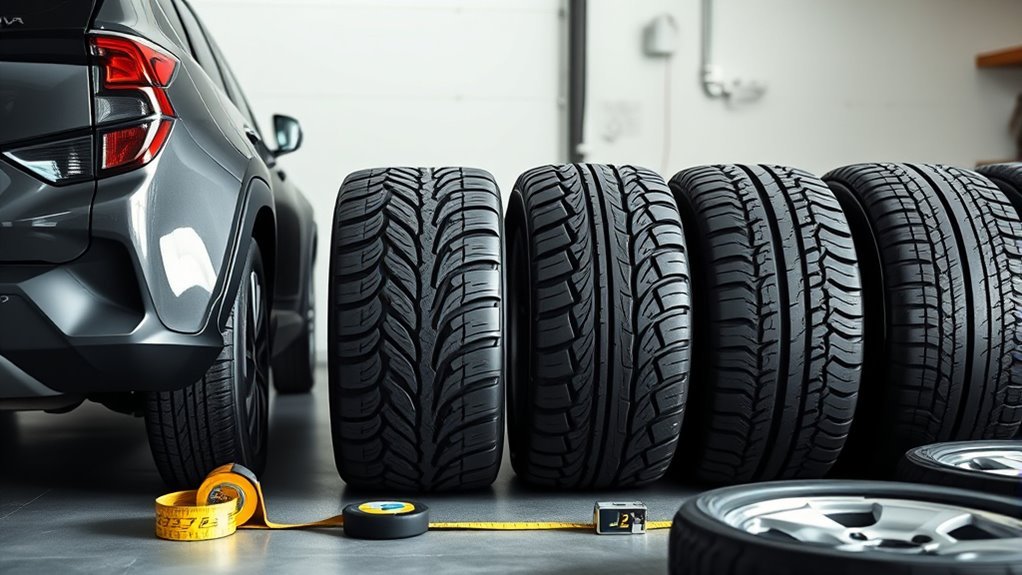
Choosing the right tire for your Toyota RAV4 starts with one rule: match the tire to your exact model, wheel size, driving conditions, and safety requirements. A tire that fits one RAV4 trim may not be correct for another, so always confirm your size on the tire and loading information label on the driver-side door jamb, your owner’s manual, or the sidewall of the tires currently installed on your vehicle.
Quick Answer
For most Toyota RAV4 drivers, the right tire is the factory-recommended size from the door-jamb placard, with a matching load index and speed rating, chosen in the type that fits your climate: all-season for mild weather, winter for snow and ice, all-weather for year-round snow-rated use, or all-terrain for light trails.
Key Takeaways
- Use the RAV4’s tire placard or owner’s manual as the final authority for tire size, cold tire pressure, load rating, and wheel fitment.
- Choose tire type by weather: all-season for mild conditions, winter for regular snow and ice, all-weather for one-set snow-rated convenience, and all-terrain for gravel or light off-road use.
- Do not choose tires by size alone. Check load index, speed rating, tread design, UTQG ratings, warranty terms, and installer recommendations.
- Replace tires when tread is legally worn, damaged, aged out, unevenly worn, or no longer safe for the weather you drive in.
At a Glance
| Time Required | 20–45 minutes to compare tires online; 60–90 minutes for professional installation at many tire shops. |
| Difficulty | Easy for research; professional help recommended for fitment, mounting, balancing, alignment checks, and TPMS service. |
| Tools Needed | Tire pressure gauge, tread depth gauge or penny, owner’s manual, door-jamb placard, and tire sidewall information. |
| Cost | Common RAV4 replacement tires often range from budget to premium pricing, plus installation, balancing, valve stems or TPMS service, disposal fees, and alignment if needed. |
Identify Your Tire Needs

Start by looking at how you actually drive your RAV4. A daily commuter in a warm city needs a different tire than a driver who sees mountain snow, gravel roads, or long highway trips with passengers and cargo.
Ask yourself these questions before shopping:
- Do you drive mostly on highways, city streets, gravel roads, or trails?
- Do you regularly drive in snow, ice, heavy rain, or extreme heat?
- Do you value long tread life, quiet comfort, wet braking, fuel economy, or light off-road grip most?
- Do you tow, carry heavy cargo, or take long road trips?
- Do you want one tire set year-round, or are you willing to swap winter tires seasonally?
Also inspect your current tires. If the tread is worn down, the shoulders are bald, the sidewalls are cracked, or you feel vibration at speed, tire replacement may not be the only job. You may also need an alignment, balancing, suspension inspection, or tire pressure correction.
Warning: Do not buy a different tire size or wheel size just because it looks close. Toyota warns against using wheels that are not the recommended size because it can affect handling control. Confirm fitment before purchase, especially if your RAV4 has AWD, a hybrid powertrain, or a non-standard wheel package.
[Products Worth Considering]

The JACO FlowPro Tire Inflator measures, inflates, and airs down tires up to 100 PSI with battery-free operation and ±2% accuracy after calibration. It features a glowing pressure dial for night visibility, a heavy-duty steel build with a hybrid hose, and a precision push-to-inflate thumb trigger. The patented Lightning Air Chuck locks on for a secure seal, and the kit includes quick-connect hardware for easy inline use with your air compressor.

Blackline Blackout is a water-based trim and tire dressing that restores rubber, vinyl, and plastic with a rich satin, blackout look. Its no-sling formula dries quickly and helps prevent messy transfer onto paint. The coating repels water and offers UV protection to help prevent fading, cracking, and discoloration for a clean, long-lasting finish.

Adam’s Pro Tire Hex Grip applicators are molded foam sponges designed for precise, even tire dressing application. The ergonomic grip helps you spread product without overapplying, reducing sling that can splash onto paint and helping keep your hands clean during wheel and trim detailing. They’re durable, washable, and reusable for repeated detailing sessions.
Determine the Correct Tire Size
Your exact Toyota RAV4 tire size depends on model year, trim, wheel package, and sometimes powertrain. The safest method is to use the tire and loading information label on the driver-side door jamb. Toyota states that this label shows the recommended cold tire inflation pressure and tire size for the vehicle.
You can also confirm the size in your owner’s manual or on your current tire sidewall. A tire size such as 225/65R17 breaks down like this:
| Part of Size | What It Means |
|---|---|
| 225 | Tire width in millimeters. |
| 65 | Aspect ratio, meaning sidewall height is 65% of tire width. |
| R | Radial construction. |
| 17 | Wheel diameter in inches. |
Many recent RAV4 models use sizes such as 225/65R17, 225/60R18, or 235/55R19, but do not use those numbers blindly. Your placard is the final authority because tire size can vary by trim and wheel package.
Note: The full tire description also includes a load index and speed rating, such as 102H or 105V. Choose a replacement tire that meets or exceeds the load and speed rating required for your RAV4 unless a tire professional confirms another option is safe and compatible.
Different Tire Types: All-Season, Winter, All-Weather, and All-Terrain
The best tire type for your Toyota RAV4 depends on climate and road surface. A tire that feels smooth in summer may not stop well on ice, and a rugged tire that grips gravel may be louder on the highway.
All-Season Tires
All-season tires are the most common choice for RAV4 drivers in mild or moderate climates. They balance dry grip, wet traction, comfort, tread life, and road noise. They are a good fit if you mostly drive on pavement and rarely face deep snow or ice.
Choose all-season tires if you want:
- Quiet daily driving
- Good tread life
- Reasonable wet-road performance
- Lower rolling resistance options for fuel economy
- A practical year-round tire in mild climates
Winter Tires
Winter tires are built for cold weather, snow, slush, and ice. Look for the three-peak mountain snowflake symbol, which identifies tires designed to meet specific snow-traction performance requirements. Winter tires are best if your RAV4 regularly sees freezing temperatures, mountain roads, or untreated snow.
Choose winter tires if you drive in:
- Frequent snow or ice
- Long cold seasons
- Mountain passes
- Areas where winter tires are required or strongly recommended
All-Weather Tires
All-weather tires are not the same as standard all-season tires. Many all-weather tires carry the three-peak mountain snowflake symbol while still being designed for year-round use. They are a strong choice if you want one tire set and occasionally drive in snow, but they may not match a dedicated winter tire on ice.
All-Terrain Tires
All-terrain tires add more aggressive tread for gravel, dirt roads, campsites, trailheads, and light off-road use. They can be a great match for adventurous RAV4 drivers, but they may create more road noise, weigh more, and reduce fuel economy compared with a touring all-season tire.
Choose all-terrain tires if you often drive on:
- Gravel roads
- Dirt access roads
- Campground roads
- Light trails
- Snowy rural roads, if the tire also has the three-peak mountain snowflake symbol
Tire Performance Characteristics
Do not choose a tire by brand name alone. Compare the features that change how your RAV4 drives:
- Wet braking: important for rain-heavy climates.
- Snow traction: important if you drive in winter weather.
- Ride comfort: useful for long commutes and family trips.
- Road noise: a major factor for highway driving.
- Tread life: compare warranty terms, but remember that warranties vary by tire size and rating.
- Rolling resistance: lower rolling resistance can help fuel economy and hybrid efficiency.
- Sidewall strength: useful for rough roads, potholes, and light trail use.
A tire’s real-world performance depends on driving habits, road surface, climate, tire pressure, alignment, load, and maintenance—not just the mileage warranty printed in the listing.
Seasonal Adaptability Requirements
Your local weather should narrow the tire choice quickly:
| Driving Conditions | Best Tire Type | Why It Fits |
|---|---|---|
| Mild weather, mostly pavement | Touring all-season | Balanced comfort, tread life, wet grip, and road noise. |
| Regular snow and ice | Dedicated winter | Designed for cold-weather flexibility and snow/ice traction. |
| Occasional snow, one tire set | All-weather | A year-round option when you want snow-rated traction without seasonal swaps. |
| Gravel, dirt roads, campsites | All-terrain | Adds tread toughness and loose-surface bite. |
Terrain Suitability Considerations
The RAV4 is a compact SUV, not a heavy-duty rock crawler. Most drivers will be happiest with a touring all-season or all-weather tire. If you drive on unpaved roads, choose an all-terrain tire made for crossovers, not an oversized truck tire that may be heavy, noisy, or incompatible.
For AWD RAV4 models, ask the installer whether tread depth differences between old and new tires could affect the drivetrain. In many cases, replacing all four tires together is the cleanest option, especially when the remaining tires are worn.
Pro Tip: If you are torn between two tires, prioritize wet braking and snow traction over appearance. Tread style matters most when it helps the tire stop, turn, and stay stable in the conditions you actually drive.
How Tread Patterns Affect Tire Performance
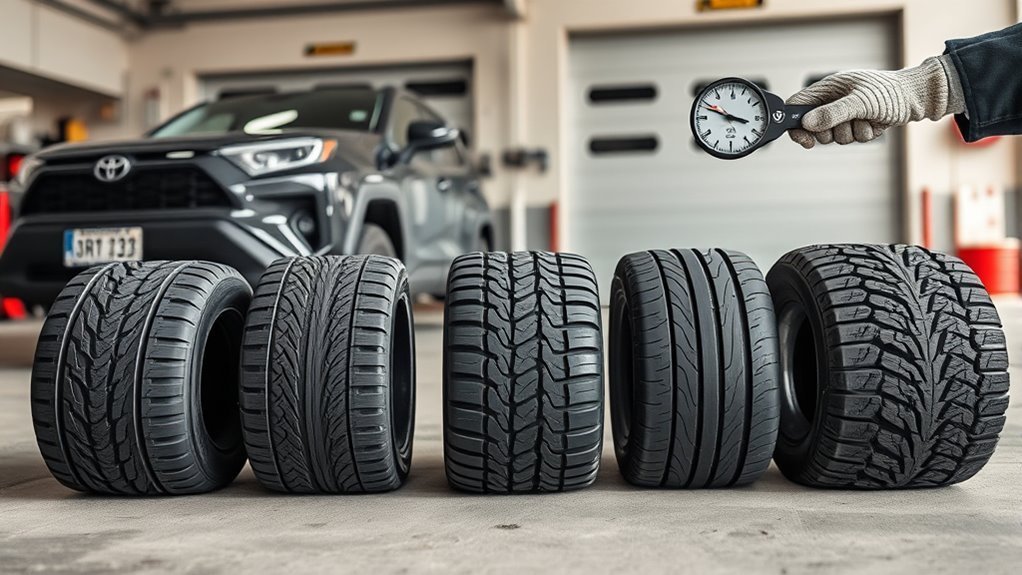
Tread pattern affects grip, water evacuation, snow bite, ride comfort, and road noise. Here are the main designs you will see while shopping:
- Symmetrical tread: common on touring tires, with even wear and predictable handling.
- Asymmetrical tread: uses different inner and outer tread zones to balance wet grip, dry grip, and cornering stability.
- Directional tread: points in one rolling direction to help move water or slush away from the contact patch.
- Open all-terrain tread: improves loose-surface traction but can be louder and less efficient on highways.
If you drive mostly on pavement, avoid buying the most aggressive tread just for appearance. A quieter touring tread often gives a better RAV4 driving experience for commuting, errands, and road trips.
Check Load Index, Speed Rating, and UTQG
After confirming size, check three more details:
- Load index: the weight capacity rating. Your replacement tire should meet or exceed the original requirement.
- Speed rating: the maximum speed capability under rated conditions. Match the original rating unless a tire professional confirms a suitable alternative.
- UTQG ratings: the Uniform Tire Quality Grading system compares treadwear, traction, and temperature resistance for many passenger tires. The NHTSA UTQG guide explains that treadwear is comparative, traction grades relate to wet stopping ability, and temperature grades relate to heat resistance.
Use UTQG as a comparison tool, not a promise. A tire with a high treadwear grade can still wear early if the RAV4 is misaligned, underinflated, overloaded, or driven hard on rough roads.
Reputable Tire Brands to Consider
Many reputable tire brands make tires that fit the Toyota RAV4, including Michelin, Continental, Goodyear, Bridgestone, Yokohama, Pirelli, Falken, Toyo, Cooper, and others. Instead of choosing by brand alone, compare the exact tire line in your exact size.
When comparing RAV4 tire options, check:
- Does the tire come in your exact size, load index, and speed rating?
- Is it designed for a crossover/SUV?
- Does it match your climate and road surface?
- Does it have strong wet braking and hydroplaning resistance?
- Does it carry the three-peak mountain snowflake symbol if you need snow performance?
- What are the actual warranty terms for your size and rating?
- Are road hazard protection, rotation requirements, and treadwear warranty conditions clearly explained?
A premium tire may be worth it if it improves wet braking, ride comfort, or tread life. A budget tire may be acceptable for light local driving if it fits correctly and has suitable safety ratings. The wrong tire, even from a famous brand, is still the wrong tire.
[Products Worth Considering]

Upgrade your Toyota tire setup with these corrosion-resistant, leak-proof valve stem caps designed to help protect the valve core from water, snow, and road grime. The caps feature a snug rubber seal and durable copper alloy construction to resist rust and oxidation while maintaining stable tire pressure. Ideal for replacing worn original caps and keeping your wheels looking clean and stylish.

These universal tire valve stem caps help protect your valve core from dust, debris, moisture, and corrosion, supporting more stable tire pressure. The aluminum alloy design resists long-term wear, while the sealing construction helps help prevent air leakage. They twist on easily for quick installation and help safeguard driving safety across cars, SUVs, trucks, and motorcycles.
Set Your Tire Budget and Explore Financing Options
Before buying, set a total tire budget—not just a per-tire price. The installed price often includes more than the four tires.
Set Your Budget First
Include these costs in your budget:
- Tires: compare the same size, load rating, and speed rating across brands.
- Installation: mounting and balancing are usually separate from tire price.
- Valve stems or TPMS service: sensors may need service kits or replacement if damaged or aged.
- Disposal fees: many shops charge to recycle old tires.
- Alignment: recommended if your current tires show uneven wear or the vehicle pulls.
- Road hazard protection: optional, but useful if you drive on pothole-heavy or debris-heavy roads.
Explore Financing Options
Many tire shops, dealerships, and retailers offer payment plans or promotional financing. Financing can help if your tires are unsafe now and you cannot delay replacement, but compare the final cost carefully.
Before using financing, check:
- Interest rate and promotional period
- Late-payment penalties
- Whether installation and alignment are included
- Whether the tire warranty requires regular rotations
- Whether road hazard coverage is optional or included
Compare Tire Prices
Compare the same tire in the same size across at least two or three sellers. A lower price is not always cheaper if another retailer includes balancing, rotations, road hazard protection, or alignment discounts.
Also check the tire’s manufacturing date. A tire that has sat in storage for years may not be the best value, even if it is technically new.
Schedule Professional Tire Installation
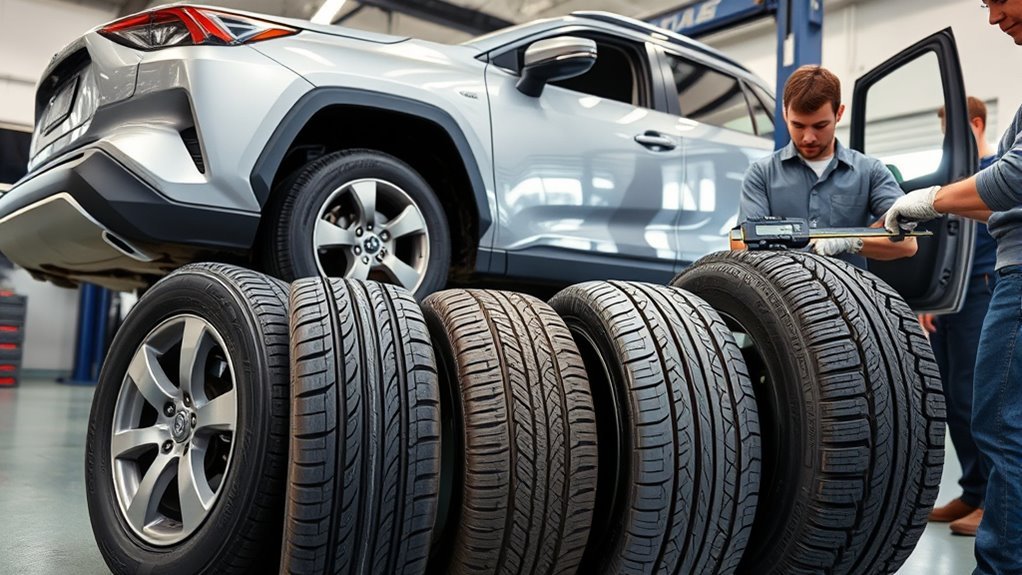
Professional installation helps ensure your tires are mounted, balanced, torqued, inflated, and checked correctly. It also gives the technician a chance to spot damaged wheels, worn suspension parts, alignment problems, and TPMS issues.
Before the appointment, confirm that the shop will:
- Install the exact size and rating you ordered
- Balance all four tires
- Set cold tire pressure to the RAV4 placard specification
- Use proper lug nut torque
- Inspect valve stems and TPMS sensors
- Check for uneven wear or alignment concerns
- Explain rotation intervals and warranty requirements
After installation, drive carefully for the first few miles and listen for vibration, pulling, rubbing, or warning lights. If something feels wrong, return to the installer promptly.
Keep Your Tires in Top Shape
Good tires can wear quickly if they are neglected. Simple maintenance protects safety, tread life, and fuel economy.
- Check pressure regularly: Toyota recommends checking tire inflation pressure often, and the Toyota Owners manual explains that the recommended cold tire pressure is shown on the tire and loading information label.
- Inspect tread and sidewalls: look for uneven wear, cuts, cracks, bulges, punctures, and exposed cords.
- Rotate on schedule: the Tire Industry Association says regular rotation helps maximize tire life and commonly recommends rotation every 5,000–7,000 miles, depending on the vehicle.
- Balance when needed: vibration at highway speeds may mean a wheel/tire assembly is out of balance.
- Align when needed: pulling, off-center steering, or edge wear can point to alignment problems.
- Respect load limits: do not overload the vehicle, and use the correct tire pressure for the vehicle placard.
Note: TPMS is a warning system, not a replacement for pressure checks. If the TPMS light comes on, at least one tire may already be significantly underinflated, so stop safely and check pressure as soon as possible.
When to Replace Your Toyota RAV4 Tires?
Replace your RAV4 tires when they are worn, damaged, too old, or no longer safe for your climate. The U.S. federal inspection standard says tread must not be less than 2/32 inch, and treadwear indicators become exposed when passenger-car tires reach that level.
You should also replace tires if you see:
- Bulges, bubbles, or knots in the sidewall
- Cracks from aging or dry rot
- Exposed cords or belts
- Repeated pressure loss
- Severe uneven wear
- Vibration that remains after balancing
- Punctures or damage that cannot be safely repaired
Age matters too. NHTSA TireWise explains that tire aging occurs as rubber and other tire components change over time, and some vehicle and tire manufacturers recommend replacing tires that are six to 10 years old regardless of treadwear. Check the DOT Tire Identification Number on the sidewall; the last four digits show the week and year the tire was made.
| Condition | What to Do |
|---|---|
| Tread at 2/32 inch | Replace immediately. |
| Poor wet or snow traction | Consider replacing before legal minimum, especially before winter or rainy season. |
| Cracks, bulges, exposed cords | Stop using the tire and have it inspected immediately. |
| Six to 10 years old | Inspect age carefully and follow the tire and vehicle manufacturer’s replacement guidance. |
| Uneven wear | Check alignment, pressure, suspension, and rotation history before installing new tires. |
Tire Buying Checklist for a Toyota RAV4
Use this checklist before you buy:
- Confirm the tire size on the door-jamb placard.
- Match or exceed the required load index and speed rating.
- Choose the correct tire type for your climate and road surface.
- Check wet braking, road noise, treadwear, and comfort reviews for your exact tire size.
- Confirm the tire is suitable for crossover/SUV use.
- Check the DOT manufacture date if buying from old inventory.
- Ask whether all four tires should be replaced together, especially on AWD models.
- Confirm installation, balancing, TPMS service, disposal, and alignment costs.
- Keep receipts and rotation records for warranty support.
Frequently Asked Questions
How do I choose the right tire for my Toyota RAV4?
Start with the tire size on your driver-side door-jamb placard. Then match the load index and speed rating, choose the tire type for your climate, compare wet braking and tread life, and have the tires professionally installed and balanced.
What tire size does a Toyota RAV4 use?
It depends on model year, trim, and wheel package. Many recent RAV4 models use sizes such as 225/65R17, 225/60R18, or 235/55R19, but you should always verify the exact size on your vehicle’s tire placard or owner’s manual.
Are all-season tires good for a RAV4?
Yes, all-season tires are a practical choice for mild climates and mostly paved driving. If you regularly drive in snow, ice, or freezing temperatures, winter or all-weather tires may be safer.
Should I put all-terrain tires on my RAV4?
All-terrain tires make sense if you frequently drive on gravel, dirt roads, trailheads, or rural roads. For mostly highway driving, a touring all-season or all-weather tire is usually quieter, lighter, and more efficient.
Do I need to replace all four tires on an AWD RAV4?
Often, replacing all four is the safest choice when the remaining tires are worn. Tread depth differences can matter on AWD vehicles, so ask a Toyota dealer or qualified tire professional before replacing only one or two tires.
How often should I rotate Toyota RAV4 tires?
Follow your owner’s manual first. As a general tire-industry guideline, many passenger tires are rotated about every 5,000–7,000 miles, depending on the vehicle and tire type.
Conclusion
Choosing the right tire for your Toyota RAV4 is easier when you follow a clear order: confirm the exact size on your door-jamb placard, match the load and speed rating, choose the tire type for your climate, compare real performance features, and schedule professional installation. The right tires will help your RAV4 feel safer, quieter, and more controlled in the conditions you drive most.
Sources

Related Articles

Toyota RAV4 TPMS Reset: Easy Steps That Work
Unlock the secrets to resetting your Toyota RAV4's TPMS effortlessly—discover the essential steps to ensure your tires are always safe.
Read More
Toyota RAV4 Tire Rotation: DIY Steps & Pattern
Take control of your Toyota RAV4's tire maintenance with our simple DIY rotation guide—discover the best steps for optimal performance and longevity!
Read More
Mix Tire Brands on a Toyota RAV4? Expert Guide
Keeping your RAV4 safe? Learn when mixing tire brands risks traction, ABS/TCS and AWD damage — and what exact matches you must insist on.
Read More