
What Is Good Tire Shine? Complete Guide & Everything You Need to Know
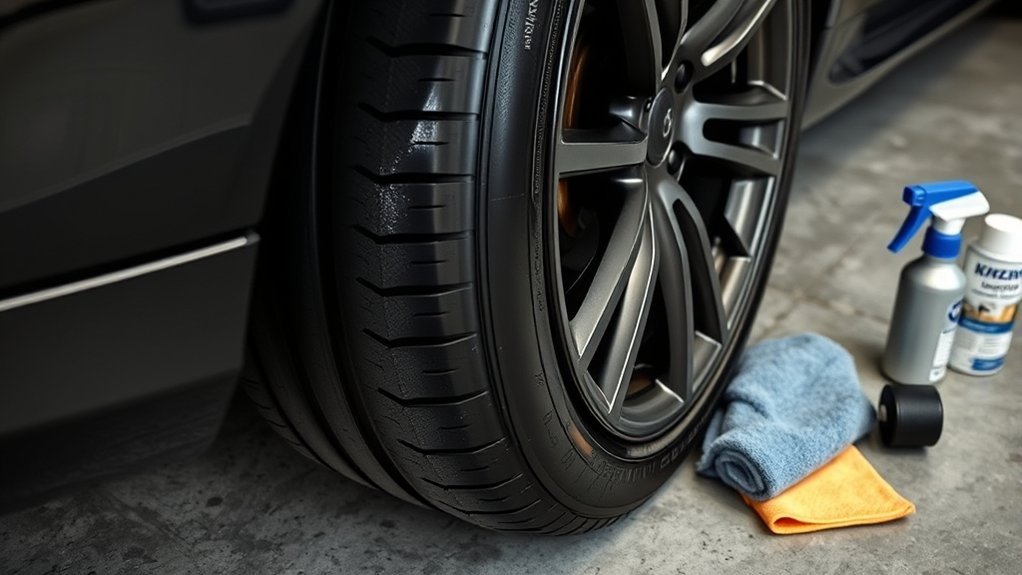
Good tire shine gives your tires a clean, even finish while helping the sidewalls resist fading, drying, and road grime. The best choice depends on the look you want, how much control you need, and how carefully you apply it. For most drivers, a water-based or polymer-based dressing is the easiest place to start because it spreads cleanly, dries with less mess, and usually produces less sling than a heavy, greasy coating.
Quick Answer
A good tire shine bonds to clean, dry sidewalls, gives the gloss or satin finish you want, includes UV protection, dries without greasy buildup, and does not sling onto paint. Apply it in thin layers with an applicator, keep it off the tread, and follow the product label for drying time.
Last Updated: July 7, 2026
Key Takeaways
- Choose tire shine by finish first: high gloss, satin, matte, or natural black.
- Clean and dry the sidewall before applying any dressing, or the finish can streak and fade fast.
- Water-based dressings are usually easier to control, while solvent-heavy sprays may give stronger gloss but need more caution.
- Apply tire shine only to the sidewall, never to the tread, brake parts, pedals, or any surface that needs grip.
- Thin coats, an applicator pad, and proper drying time are the best ways to prevent sling.
At a Glance
| Time Required | 20 to 30 minutes, plus label-specific drying or cure time |
| Difficulty | Easy |
| Tools Needed | Tire cleaner, tire brush, foam or microfiber applicator, microfiber towel, gloves |
| Cost | Varies by product type, bottle size, and applicator tools |
What Makes a Good Tire Shine
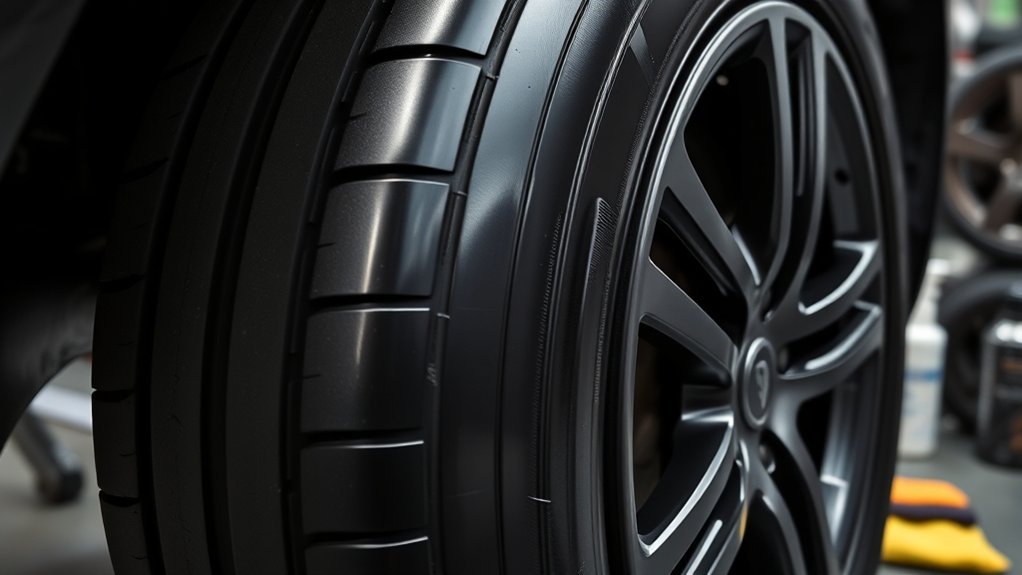
A good tire shine should darken the sidewall evenly, dry cleanly, and resist sling during normal driving. It should also match the finish you want, whether that is a wet-look gloss, a soft satin finish, or a low-sheen factory-style look.
Look for clear label directions, UV-protection claims, rubber compatibility, and a finish that dries to the touch. For example, Chemical Guys describes Tire Kicker as a water-based dressing for rubber, vinyl, and plastic, with UV blockers and a dry-to-the-touch finish. Its directions also tell you to apply it to a foam or microfiber applicator, spread it over the surface, buff excess residue, and allow 5 to 10 minutes for drying. Chemical Guys product directions
The best product is not always the shiniest one. A good tire shine should help your tires look maintained without leaving a greasy film that collects dust, spots your paint, or makes the sidewall look patchy after one drive.
[Products Worth Considering]

Adam’s Pro Tire Hex Grip applicators are molded foam sponges designed for precise, even tire dressing application. The ergonomic grip helps you spread product without overapplying, reducing sling that can splash onto paint and helping keep your hands clean during wheel and trim detailing. They’re durable, washable, and reusable for repeated detailing sessions.

Cristal Products Untouchable Tire Shine Spray delivers a deep, wet-look gloss that enhances your vehicle’s tires. It’s quick-drying and spreads smoothly for consistent, streak-free coverage, while forming a protective coating against UV rays, road grime, and weather. Suitable for all tire types, it helps restore dull, faded tires to a showroom-quality finish.

Blackline Blackout is a water-based trim and tire dressing that restores rubber, vinyl, and plastic with a rich satin, blackout look. Its no-sling formula dries quickly and helps prevent messy transfer onto paint. The coating repels water and offers UV protection to help prevent fading, cracking, and discoloration for a clean, long-lasting finish.
Tire Shine Types and Finishes
You’ll usually choose from sprays, gels, foams, and wipes. Each style changes how much control you have and how much finish you can build. The right option depends on your tire size, sidewall texture, and the look you prefer.
| Formula | Best For | Main Advantage | Watch Out For |
|---|---|---|---|
| Spray | Fast coverage and high gloss | Quick application | Overspray and sling if over-applied |
| Gel | Controlled detailing | Easy to place exactly where you want it | Can look greasy if you use too much |
| Foam | Even sidewall coverage | Good spread with less hand work | Can be messy in wind |
| Wipe | Touch-ups and travel kits | Convenient and low-tool | Less ideal for large tires or heavy buildup |
Tire Shine Formulas
Sprays work well when you want quick coverage, but they need careful aim. Gels give you more control because you load the product onto an applicator and work it into the sidewall. Foams can help cover textured rubber evenly, while wipes make sense for small touch-ups after a wash.
For daily drivers, a water-based spray or gel is usually the most forgiving choice. For show-style gloss, you may prefer a higher-gloss gel or aerosol, but you should still apply it thinly and buff off excess product.
Finish Levels
High gloss gives the wettest look, but it can highlight dirt and sling faster if you over-apply. Satin gives you a darker, clean sidewall without the mirror-like shine. Matte or natural finishes work best when you want the tire to look fresh without looking coated.
You can adjust the finish by changing the number of coats. Start with one thin coat. Let it dry according to the label, then add a second coat only if you want more shine.
Application Styles
The safest application style is controlled placement. Spray the product onto an applicator instead of directly onto the tire when you are working near paint, wheels, brake parts, or narrow sidewalls. This gives you better control and helps reduce waste.
After applying, wipe around the raised lettering, grooves, and rim edge with a microfiber towel. This removes extra product before it can sling onto the bodywork.
Water-Based vs. Solvent-Based Tire Shine
Water-based and solvent-based tire shines can both work, but they behave differently. Water-based products often smell milder, clean up more easily, and leave a more controlled finish. Solvent-heavy products may produce a stronger gloss and longer water resistance, but they need more ventilation and careful handling.
| Type | Typical Finish | Best Use | Safety Note |
|---|---|---|---|
| Water-based | Natural, satin, or medium gloss | Regular maintenance and easier cleanup | Still follow the label and avoid tread contact |
| Solvent-based | High gloss or wet look | Stronger visual impact and weather resistance | Use ventilation, gloves, and extra overspray control |
Water-Based Tire Shine
Water-based tire shine is a good choice when you want a clean finish without a heavy oily feel. It usually works well for regular washing routines because you can apply it with an applicator, level the coat, and buff away excess product before driving.
Do not assume every water-based product is automatically safe for every surface. Read the label, test a small area on whitewalls or raised lettering, and avoid using tire dressing on interior controls, pedals, seats, steering wheels, or floor mats.
Solvent-Based Tire Shine
Solvent-based tire shine can give you a deeper, wetter look, but it also raises the need for careful application. Many aerosol sprays and automotive products can release volatile organic compounds. The EPA explains that VOCs are emitted as gases from certain products and may have short- and long-term health effects, so ventilation and label precautions matter. EPA VOC guidance
Use solvent-heavy or aerosol products outdoors when possible. Wear gloves if the label recommends them, avoid breathing mist, and keep product away from paint, brake components, rubber seals not listed on the label, and freshly coated wheels.
How to Apply Tire Shine Without Sling
To prevent sling, you need clean rubber, thin coats, and enough drying time. Sling usually happens when excess dressing sits on top of the sidewall instead of bonding to it.
Warning: Apply tire shine only to the tire sidewall. Keep it off the tread, brake rotors, brake calipers, pedals, motorcycle tires, bicycle tires, running boards, and any surface that needs traction. NHTSA explains that tire tread provides gripping action and traction, especially on wet or icy roads. NHTSA TireWise
- Clean the tire first. Use a dedicated tire cleaner and a brush to remove old dressing, dirt, and browning.
- Rinse and dry completely. Water left on the sidewall can dilute the dressing and cause streaking.
- Load a small amount onto an applicator. Do not flood the tire with product.
- Work it into the sidewall. Follow the tire’s curve and cover raised lettering evenly.
- Buff off excess residue. A quick microfiber wipe reduces sling and greasy buildup.
- Let it dry before driving. Use the product label as the final rule for drying or curing time.
Pro Tip: For low sling, spray the dressing onto the applicator instead of spraying the tire directly. This gives you better control near wheels, paint, and brake parts.
Tire Shine Features That Last Longer
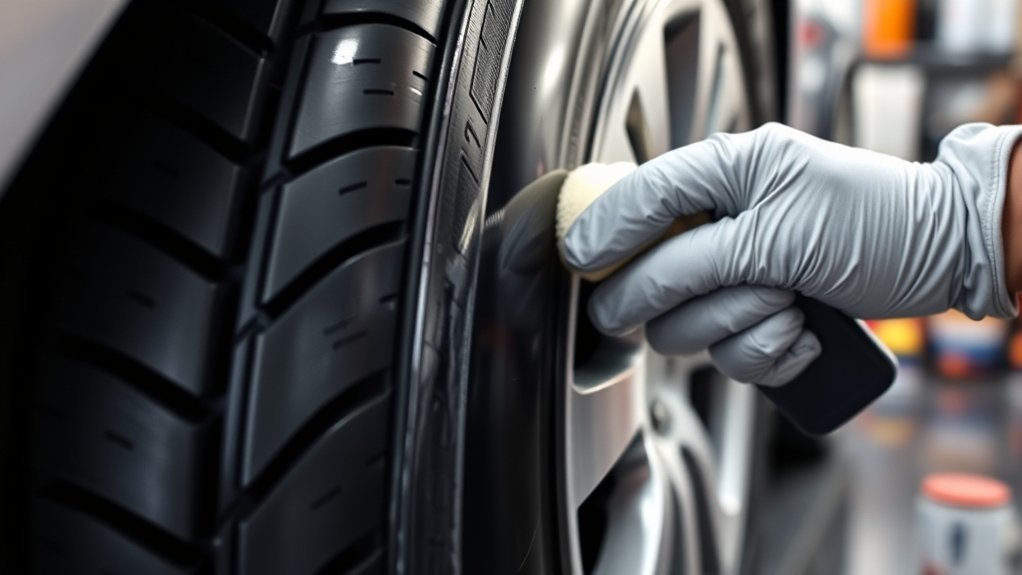
Longer-lasting tire shine depends on formula, prep, weather, and driving conditions. Polymer-based dressings can help create a more durable film on the sidewall, while some ceramic or silicone-based products focus on water resistance and deeper gloss.
Prep matters as much as product choice. Old dressing, brake dust, mud, and road film block adhesion. If the sidewall still looks brown after washing, clean it again before adding shine. A clean sidewall lets the dressing spread evenly and dry with fewer streaks.
Layering can also improve durability, but only when you use thin coats. One heavy coat usually creates more sling. Two light coats, with drying time between them, often look cleaner and last longer.
How Safe Are Tire Shine Products?
Tire shine can be safe to use when you follow the label, avoid traction surfaces, and work with good ventilation. The risk rises when you over-apply aerosol products, breathe mist, ignore warning labels, or use the dressing on surfaces that should not be slippery.
For lower chemical exposure, look for products with clear ingredient information, lower odor, and safer-chemistry certifications where available. EPA’s Safer Choice program reviews product ingredients, performance, packaging, pH, and VOC limits for certified products. EPA Safer Choice label
You should also treat tire shine like any other automotive chemical. NIOSH notes that chemical safety includes understanding hazards, exposure controls, and personal protective equipment. NIOSH chemical safety guidance
Note: A Prop 65 warning does not automatically mean a product is unsafe when used as directed. It means the product can expose users to one or more listed chemicals. Read the label, use ventilation, avoid skin and eye contact, and store products away from children and pets.
[Products Worth Considering]

This oesee 8-piece wheel care kit helps you clean, scrub, and dry wheels safely with purpose-built brushes and towels. The scratch-free microfiber wheel brush lifts brake dust and grime, while the stiff pro-grip tire brush removes tire browning and embedded dirt. A twist loop microfiber drying towel and an applicator help achieve a streak-free finish and cleaner, more even product application.

This wheel brush kit delivers pro-level cleaning at home, lifting dirt, grime, and brake dust to help restore wheel appearance. It includes multiple brush styles and applicator pads for tackling different wheel surfaces, with gentle, metal-free bristles designed to reduce scratching risk. The flat and double-ended brushes are built for comfort and reach, making wheel care easier for cars, trucks, and RVs.
How to Choose Tire Shine by Use Case
The best tire shine for you depends on your goal. Do not choose only by gloss level. Choose by control, drying time, sidewall texture, and how often you wash your vehicle.
| Use Case | Best Choice | Why It Works |
|---|---|---|
| Daily driver | Water-based spray or gel | Easy to control and simple to refresh after washes |
| Wet-look gloss | High-gloss gel or aerosol | Builds a darker, shinier finish when applied carefully |
| Low sling | Gel with foam applicator | Lets you place a thin coat exactly on the sidewall |
| Quick touch-up | Tire shine wipes | Convenient for light maintenance between full washes |
| Textured sidewalls | Foam or applicator-worked spray | Helps reach raised lettering and sidewall grooves |
Tire Shine Prep for Better Results
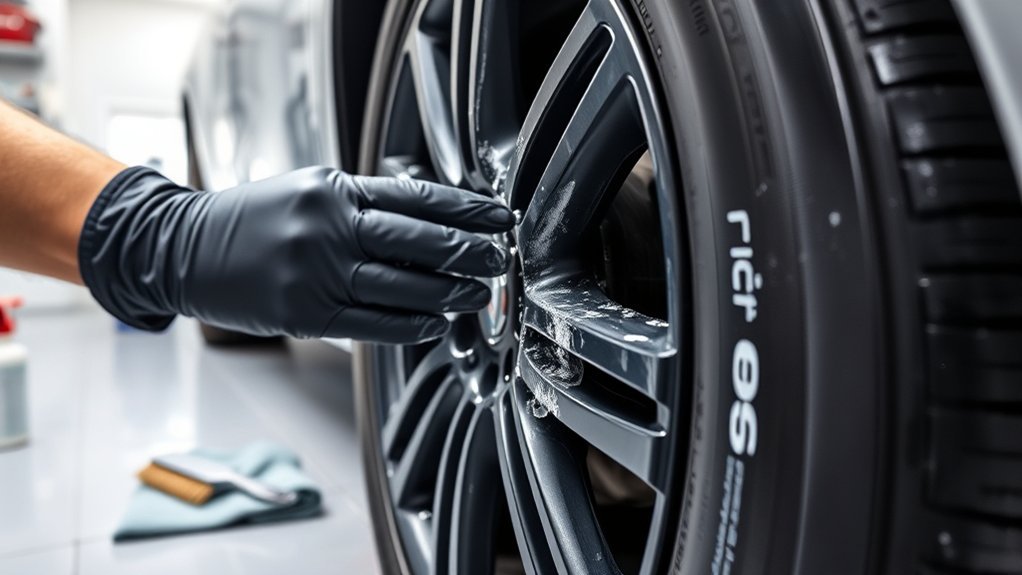
Before you apply tire shine, clean the tires thoroughly with a dedicated tire cleaner and brush. Regular car soap may remove surface dirt, but it often leaves old dressing and road film behind. If the tire still looks brown after rinsing, repeat the cleaning step.
- Scrub the sidewall. Work around raised lettering and textured areas.
- Rinse until runoff is clear. Dirty runoff means residue is still lifting from the rubber.
- Dry the tire completely. A damp sidewall can cause patchy shine.
- Protect nearby surfaces. Work carefully around painted wheels, brake parts, and trim.
- Use thin layers. Add more only after the first coat dries.
Good prep also helps your finish last. NHTSA recommends checking tire condition, pressure, tread, balance, alignment, and rotation as part of tire care, because appearance products do not replace real tire maintenance. NHTSA tire maintenance guidance
Common Tire Shine Mistakes to Avoid
Most tire shine problems come from too much product, poor prep, or not waiting long enough before driving. Use this troubleshooting guide to fix the most common issues.
| Problem | Likely Cause | Fix |
|---|---|---|
| Sling on paint or wheel wells | Too much product or not enough drying time | Use thinner coats, buff excess, and wait before driving |
| Streaky finish | Wet tire, dirty rubber, or uneven spreading | Clean again, dry fully, and apply with an applicator |
| Greasy sidewall | Heavy coating or wrong finish type | Wipe down with microfiber and switch to satin or matte |
| Dust attraction | Product did not dry cleanly | Use less product and buff off residue after drying |
| Tire browning returns quickly | Old dressing or antiozonant residue remains | Deep-clean the sidewall before reapplying shine |
Frequently Asked Questions
Is tire shine good for your tires?
Tire shine can be fine for tire sidewalls when you choose a rubber-compatible product and follow the label. It can improve appearance and may add UV-related protection, but it does not repair cracking, dry rot, worn tread, or structural tire damage.
What is the best thing to make your tires shine?
A water-based tire dressing with UV protection is the best starting point for most drivers. It gives a clean finish, is easier to control, and usually creates less mess than a heavy coating. For a wetter look, choose a high-gloss gel and apply it thinly.
Can you put tire shine on tire tread?
No. Tire shine belongs on the sidewall only. Do not apply it to tire tread or any surface that needs grip. Tread provides traction, and a slick dressing can create a safety risk.
What do dealerships use on tires to make them shine?
Many dealerships and detail shops use bulk tire dressings applied with spray bottles, applicator pads, or detailing equipment. The exact product varies by shop, but the goal is usually a fast, even sidewall finish that dries before the vehicle is moved.
What tyre shine do professionals use?
Professionals often choose tire shine by job type. A maintenance detail may use a water-based satin dressing, while a showroom prep may use a higher-gloss gel or spray. Good pros care more about clean prep, controlled application, and low sling than brand name alone.
How long should tire shine dry before driving?
Follow the product label. Many dressings need at least several minutes to dry, while some coatings require longer cure times. If the sidewall still feels wet or greasy, wait longer and buff off excess before driving.
Conclusion
Good tire shine should make your tires look clean without creating a greasy, unsafe mess. Choose a formula that matches your finish goal, clean the sidewalls first, apply thin coats, and give the product enough time to dry. Keep every dressing off the tread and brake parts, and use label directions as your final guide. When you apply it correctly, tire shine gives your sidewalls a darker, sharper look with less sling and better control.
Sources
- NHTSA TireWise — supports tire tread, traction, and tire maintenance guidance.
- EPA: Volatile Organic Compounds’ Impact on Indoor Air Quality — supports VOC, aerosol, automotive product, and ventilation guidance.
- EPA Safer Choice Label — supports safer-ingredient and VOC-restriction guidance.
- NIOSH Chemical Safety in the Workplace — supports chemical hazard awareness and PPE guidance.
- Chemical Guys Tire Kicker Product Directions — supports product-specific water-based dressing, UV claim, and application directions.

Related Articles
Feathered Tire Wear: Causes, Fixes, and Prevention
I’ll show you why feathered tire wear happens, how to spot it fast, and the fixes that stop it before your tires suffer further.
Read More
TPMS Not Reading One Tire: Causes and How to Fix It
One tire’s TPMS won’t read? Explore the likely causes and fixes to find out why that sensor still isn’t talking.
Read More
Wheel Bolt Torque Guide: Correct Specs and Tightening
Bolt your wheels safely with the right torque specs and tightening steps, then discover the crucial mistakes to avoid before you drive.
Read More