What Does a Bubble in a Tire Mean? Risks & What to Do Now
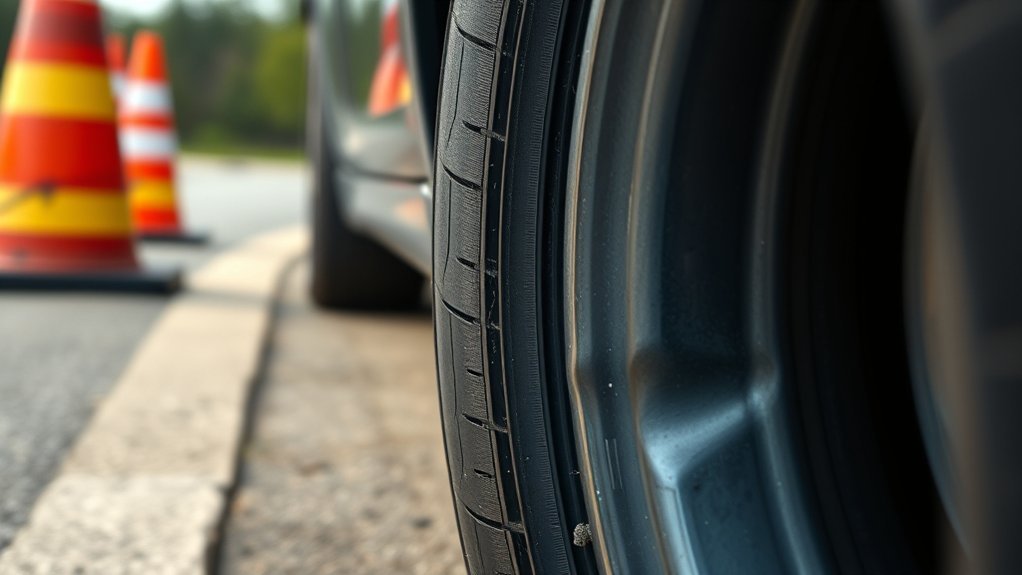
A bubble in your tire means the sidewall or inner structure has been damaged, usually by a hard impact like a pothole or curb. You shouldn’t ignore it, because the tire can fail suddenly, especially at speed or during braking. Stop driving if you can, swap to a spare if needed, and get the tire inspected or towed to a shop right away. You’ll also want to know what causes it and how to prevent it.
Key Takeaways
- A tire bubble means the sidewall’s internal structure is damaged, usually from a hard impact.
- It is dangerous because the tire can fail suddenly, causing a blowout or loss of control.
- Do not keep driving; stop safely and have the tire inspected or replaced immediately.
- Common causes include potholes, curb hits, debris, underinflation, or manufacturing defects.
- Prevent bubbles by maintaining proper tire pressure, avoiding impacts, and checking tires regularly.
What Does a Tire Bubble Mean?
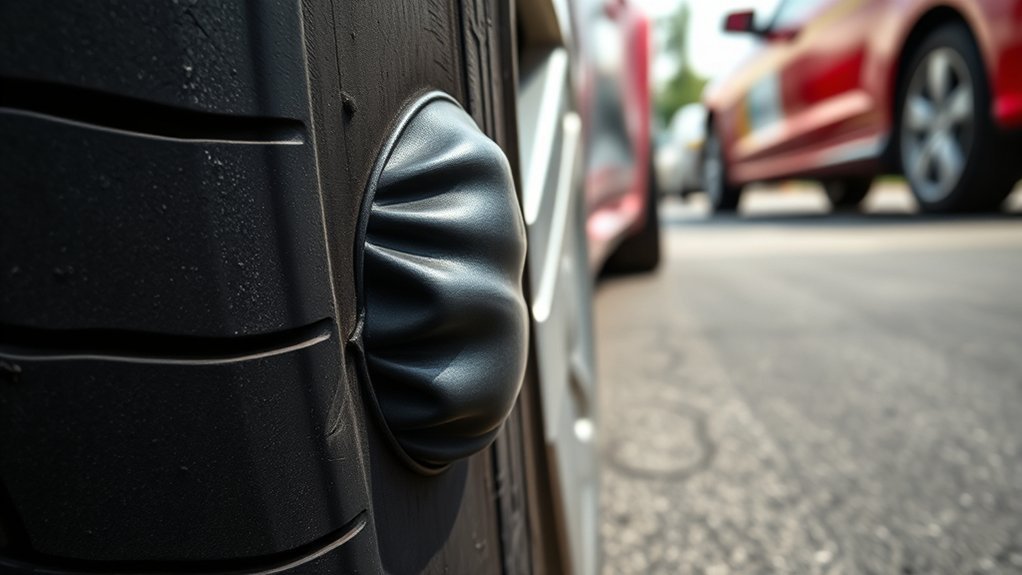
A bubble in a tire means the tire’s internal structure has been compromised, usually from a hard impact with a pothole, curb, or road debris. You’re seeing a bulge where the tire sidewall has lost support, and that bubble signals damage you can’t ignore. The tire’s internal structure no longer holds pressure evenly, so the tire is compromised and may fail without warning. You should treat it as a serious defect, not a cosmetic issue. A bubble can also come from a manufacturing flaw, so a qualified technician should inspect it right away. If you keep driving, you expose yourself to safety risks and increase the chance of tire failure. For practical control and safer movement, replace the tire immediately. Quick action protects your vehicle’s performance and keeps you from giving dangerous conditions more power over your route. Additionally, it’s important to consider treadwear ratings when selecting new tires to ensure longevity and performance.
Why Tire Bubbles Are Dangerous
That bubble isn’t just a warning sign; it means the tire’s internal structure has failed, and the risk of a sudden blowout goes up fast. When you see a bubble in the tire, you’re looking at a compromised internal structure that can’t reliably hold pressure or support load. That loss of tire’s structural integrity makes the tire unstable at speed, in corners, and under braking. Sidewall damage is especially dangerous because the sidewall flexes constantly; once it weakens, failure can happen without much notice. NHTSA data links tire failures to thousands of crashes each year, so this isn’t a minor defect. A bulge can grow quickly, then burst, leaving you with a rapid loss of control and a hazard for everyone around you. Regular tire inspections help you catch damage early, but once a bubble appears, the tire is unsafe. Immediate replacement is the only way to guarantee your safety and protect others, too. Additionally, tire tread life is crucial for maintaining overall performance and safety, so monitoring for any signs of damage is essential.
What to Do if You Spot a Tire Bubble?
If you spot a bubble in your tire, stop driving immediately to reduce the risk of a blowout or crash. Pull over, secure the vehicle, and inspect the tire only when it’s safe. If you’re unsure, mount the spare so you can move with safety and avoid stressing the damaged sidewall. Then tow the vehicle to a repair shop; don’t gamble on the road.
Schedule a free visual inspection at a local tire service center, like Les Schwab or Jiffy Lube, to confirm the damage and decide whether the tire needs to be replaced. Remember that maintaining proper tire tread life is crucial for safe driving.
| Action | Purpose | Result |
|---|---|---|
| Stop driving | Prevent failure | Protect safety |
| Inspect/replace with spare | Limit exposure | Keep control |
| Check tire warranty | Reduce cost | Possible replacement |
Also ask about insurance or tire warranty coverage. Don’t keep running on underinflated tires; that can worsen risk and limit your options.
What Causes Tire Bubbles to Form?
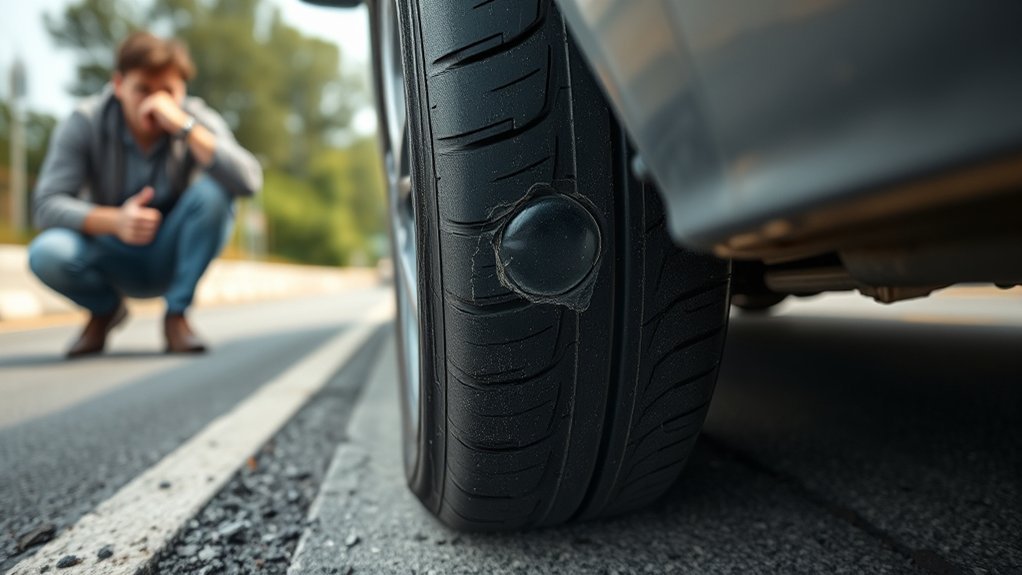
Tire bubbles usually form when the tire’s internal structure is damaged, most often from a hard impact with a pothole, curb, or road debris. When you’re hitting a pothole, the sidewall can flex beyond its limit, and the tire’s sidewall may separate from the inner layers. That road hazard can make the tire pressure push air into a weak spot, creating a bulge. If your integrity has been compromised by repeated impacts, or if you drive on an underinflated or flat tire, the damage gets worse fast. Speeding over speed bumps or railroad crossings can also stress the carcass and trigger a bubble. In some cases, a manufacturing defect lets air and moisture work inside the tire without obvious outside damage. You can’t see all internal failures, but you can spot the warning. Treat any bulge as structural damage and act quickly to guarantee a safe, liberated drive. Additionally, proper tire maintenance, including routine tire rotations, can help prevent issues that lead to structural damage.
How to Keep Tire Bubbles From Happening
To help prevent tire bubbles, you need to protect the sidewall from impact and keep the tire properly inflated. Check tire pressure with a gauge often; underinflation lets the sidewall flex too much and weakens it. Drive around potholes when you can, and slow down for speed bumps and curbs. Keep this routine safe and deliberate:
| Action | Why it matters |
|---|---|
| Check tire pressure | Limits flex and heat |
| Inspect sidewalls | Finds early damage |
| Avoid potholes | Reduces impact force |
| Slow for speed bumps | Protects the sidewall |
| Rotate tires | Catches wear patterns |
Schedule tire inspections and rotations on time, so you spot cuts, bulges, or embedded debris before a bubble forms. If you notice a fresh bump, stop driving hard and get it checked right away. Careful habits keep you safe, preserve tire life, and support the freedom to move without avoidable failure. Additionally, maintaining proper tire inflation helps ensure reliable wet and dry traction, which is crucial for safe driving.
Frequently Asked Questions
Is It Safe to Drive on a Tire With a Bubble?
No, you shouldn’t drive on a tire with a bubble. You’re facing serious tire safety and driving risks because the bubble effects mean the tire’s internal structure is damaged. A sudden blowout can drop air pressure fast, hurt vehicle performance, and put you at risk. Check your tire maintenance now, keep it inflated only enough to move it safely, and get a qualified technician to replace it immediately.
How Long Will a Tire With a Bubble Last?
A tire with a bubble may last only a few miles, or a few days at most, depending on road conditions and your driving habits. Your tire lifespan drops fast because the sidewall’s structure is already failing, which creates serious safety concerns. You can’t use repair options here; replacement’s the only fix. Watch for warning signs like vibration or swelling, and follow maintenance tips to avoid driving on compromised rubber.
What Should I Do if There’s a Bubble on My Tire?
Stop driving now and inspect the tire for bubble identification. You’re protecting your driving safety by avoiding a blowout. Replace the tire soon; a bubble usually means the sidewall’s failed, and repair options are limited. Use a spare or tow it to a technician for tire maintenance and replacement criteria assessment. Check pressure with inflation tips only after inspection, and ask about warranty coverage if you suspect a defect.
What Causes a Bubble to Get in Your Tire?
You usually get a tire bubble when impact or stress breaks your tire structure. For example, you hit a pothole, keep driving on low air pressure, and the sidewall weakens, then bulges. Road hazards, manufacturing defects, and temperature fluctuations can also force air into damaged layers. You can reduce risk with regular tire maintenance, pressure checks, and quick inspections after any hard impact.
Conclusion
A tire bubble means the sidewall’s internal layers have failed, and that weakness can turn into a blowout fast. If you spot one, don’t drive on it; get the tire replaced right away. One pothole can do what 10,000 smooth miles can’t: it can turn a tiny bulge into a roadside hazard. Check tires often, avoid curb strikes, and keep inflation correct. Think of a bubble as a warning light you can’t ignore.

Related Articles
What Does a Bald Tire Look Like? Signs & When to Replace
Wondering what a bald tire looks like before it becomes dangerous? Spot the warning signs and know exactly when to replace it.
Read More
What Does 95V Mean on a Tire? Load, Speed & Rating Guide
Decoding 95V reveals tire load and speed limits, but what do those numbers really mean for your vehicle and safety?
Read More
What Does 91Y Mean on a Tire? Load, Speed & Rating Guide
Search what 91Y means on a tire, from load index to speed rating, and discover why matching it could affect your safety.
Read More