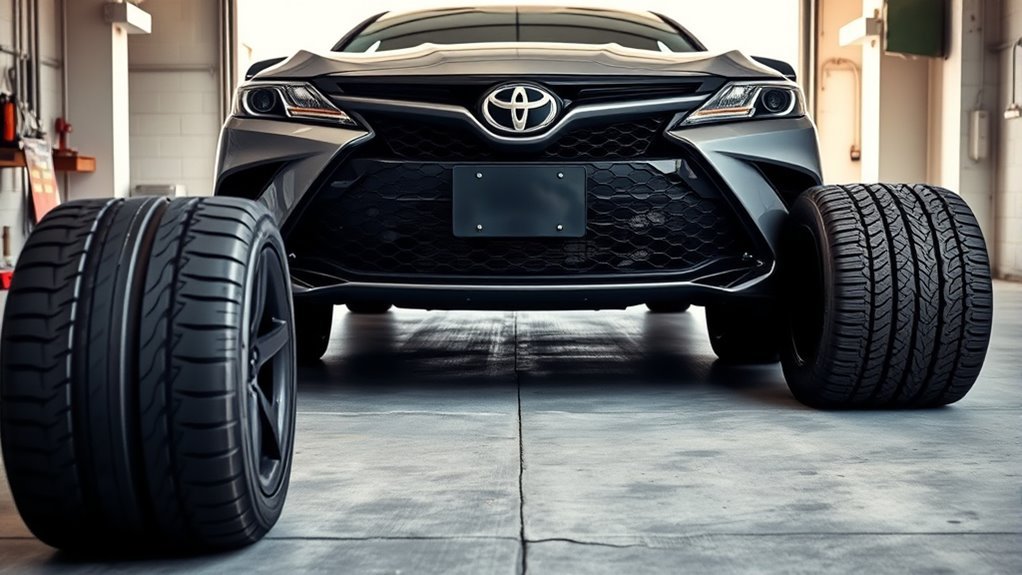
If you want the best warm-weather grip for your Toyota Camry, summer tires are the sharper choice. If you want one tire set for commuting, rain, mild cold, and occasional light slush, all-season tires are usually easier to live with. The right answer depends on your climate, your Camry’s exact tire size, and whether you value maximum grip or year-round convenience.
Quick Answer
For most Toyota Camry drivers, quality all-season tires are the better daily choice because they balance comfort, tread life, rain traction, and mild cold-weather use. Choose summer tires only if your area stays mostly above 45°F and you want stronger warm-weather braking, cornering, and steering response.
Key Takeaways
- Summer tires give a Camry better warm-road grip and steering feel, but they are not meant for snow, ice, or consistent cold weather.
- All-season tires are better for most commuters because they ride quieter, last longer, and handle mixed weather more comfortably.
- Always match the tire size, load index, speed rating, and cold tire pressure shown on your Camry’s door placard or owner’s manual.
- If you regularly drive in real winter weather, look beyond basic all-season tires and consider all-weather tires with the 3PMSF symbol or dedicated winter tires.
Summer Vs. All-Season Tires: Key Differences

The biggest difference is the tire’s operating window. Summer tires are built for warm pavement, usually above about 45°F, where their compounds and tread designs can deliver stronger dry and wet grip. All-season tires are built to cover a wider range of everyday conditions, including dry roads, rain, mild cold, and light snow.
That wider range comes with tradeoffs. All-season tires usually feel smoother and last longer, but they do not match a good summer tire’s warm-weather braking and cornering. Summer tires usually feel more precise, but they become a poor choice when temperatures fall, especially if snow or ice is possible.
| Factor | Summer Tires | All-Season Tires |
|---|---|---|
| Best use | Warm dry and wet roads | Daily driving in moderate, mixed weather |
| Cold weather | Grip drops as temperatures fall | More usable in mild cold, but not a dedicated winter tire |
| Ride comfort | Sportier and firmer | Usually quieter and smoother |
| Tread life | Often shorter because grip is prioritized | Often longer, depending on model and maintenance |
Warning: Do not treat summer tires as year-round tires if your area sees freezing temperatures, snow, or ice. Tire makers commonly use about 45°F as the seasonal changeover point because summer tires are designed for warm conditions, not winter traction.
Which Tires Fit a Toyota Camry Best?
The best tire for a Camry is not just about “summer” or “all-season.” It also has to match your exact model year, trim, wheel size, load index, speed rating, and recommended cold tire pressure. Toyota’s current Camry lineup includes trims with 16-, 18-, and 19-inch wheels, while older Camry generations and trims can vary.
[Products Worth Considering]

Upgrade your Toyota’s wheels with durable aluminum alloy valve stem caps that help protect valve cores from corrosion and direct exposure to road grime, clay, water, and snow. Rubber rings improve sealing to help prevent air leakage and maintain stable tire pressure for safer driving. These caps are easy to install or remove without tools and add a unique, stylish look to your car.

These universal tire valve stem caps help protect valve cores from dust, debris, and moisture while helping maintain stable tire pressure. The corrosion-resistant metal construction and sealed design provide reliable protection in road grime, mud, and winter conditions. Twist-on installation makes them quick to fit on cars, SUVs, trucks, and motorcycles.

The Continental Grand Prix 5000 is an allround road bike tire engineered for faster rolling, improved ride comfort, and enhanced puncture protection. It features a Vectran Breaker cut-protection layer, Lazer Grip micro-profile tread for confident cornering control, and Active Comfort Technology to damp vibration for smoother rides. BlackChili compound optimizes grip and speed for everyday performance and long-lasting confidence.
Camry Tire Sizes
Do not guess your Camry tire size from a general chart. Check the Tire and Loading Information Label on the driver-side door jamb, your owner’s manual, or the sidewall of your current tires. The label is the most important reference because it lists the manufacturer-recommended tire size and cold inflation pressure for your specific vehicle.
Common Camry sizes can include 16-, 17-, 18-, and 19-inch fitments depending on year and trim. Recent examples include comfort-focused 16-inch setups on lower trims, 18-inch wheels on mid and upper trims, and 19-inch wheels on sportier trims. Whatever you buy, keep the same overall size and ratings unless a qualified tire professional confirms a safe alternative.
Pro Tip: Before ordering tires online, write down the full sidewall code, such as 235/45R18 94V. The width, aspect ratio, wheel diameter, load index, and speed rating all matter.
Best Seasonal Choice
For most Toyota Camry drivers, all-season tires are the best fit because they support daily commuting, highway trips, errands, rain, and mild seasonal changes without needing two sets of tires. They also tend to offer stronger treadwear warranties than summer performance tires.
Summer tires make sense if you live in a warm climate, enjoy sharper handling, and can avoid driving on them when temperatures drop. If you live where winter weather is common, a basic all-season tire may still not be enough. In that case, compare all-weather tires with the 3PMSF symbol or use dedicated winter tires during the cold season.
Note: M+S, M/S, or mud-and-snow markings are common on all-season tires, but they are not the same as the three-peak mountain snowflake symbol. The 3PMSF symbol indicates the tire has met a tested snow-traction threshold.
Ride And Performance
Ride comfort and road feel matter in a Camry because it is usually used as a daily sedan. All-season tires usually give you a smoother, quieter ride and more relaxed highway manners. Summer tires usually give you faster steering response, stronger warm-weather grip, and a more connected feel through corners.
If your Camry is a commuter car, all-season tires usually feel more balanced. If your Camry has a sportier trim and you drive mostly in warm conditions, summer tires can make the car feel more precise.
How Summer Tires Handle Rain and Heat
Summer tires are not just for dry roads. Good summer tires can perform very well in warm rain because their tread grooves move water away and their compound stays grippy on warm pavement. The catch is that heavy standing water can still cause hydroplaning, especially if tread depth is low or speed is too high.
Wet Traction Performance
On warm, wet pavement, summer tires often feel more controlled than all-season tires during braking and cornering. Their tread designs typically keep more rubber on the road, which helps steering response and road feel. However, the advantage depends on the exact tire model and the condition of the tread.
- Slow down in heavy rain, even with performance tires.
- Replace worn tires before they reach unsafe tread depth.
- Keep tire pressure at the recommended cold setting for your Camry.
Heat-Optimized Grip
Heat is where summer tires shine. Their compounds are designed to stay flexible and responsive on warm pavement, so your Camry can feel sharper under braking, lane changes, and curves. That extra grip can be useful if you drive fast highways, canyon roads, or simply want a more confident warm-weather tire.
But heat-optimized grip is not the same as all-weather safety. Once temperatures consistently fall near the 45°F range, summer tires stop being the smart choice for everyday driving.
How All-Season Tires Perform Year-Round
All-season tires are built for balance. They are not the strongest option in summer heat, deep snow, or ice, but they work well for many Camry drivers who see dry roads, rain, cool mornings, and occasional light slush.
- The tread pattern usually includes grooves and sipes that help move water and light slush away from the contact patch.
- The compound is designed to handle a broader temperature range than a summer tire.
- The ride is usually quieter and more comfortable than a performance-focused summer tire.
If your area gets serious winter weather, all-season tires are only the starting point. Look for all-weather tires with 3PMSF certification or use dedicated winter tires when snow, ice, and freezing temperatures are a regular part of your driving.
Tread Life, Warranty, and Ride Comfort

All-season tires usually give a Camry better long-term value because they are built for daily mileage, comfort, and treadwear. Many touring all-season tires include mileage warranties, while many summer performance tires either have shorter warranties or no mileage warranty at all.
Still, tread life is not guaranteed by tire type alone. Alignment, rotation, pressure, road surface, driving style, and suspension condition can change how long any tire lasts. Check tire pressure monthly when the tires are cold, rotate the tires at the interval in your owner’s manual, and inspect tread depth regularly.
For U.S. drivers, 2/32 inch is the common legal minimum tread depth, but wet traction can decline before that point. If your Camry sees frequent rain, replacing tires earlier can be the safer move.
Fuel Economy, Noise, and Daily Driving
For daily driving, the best tire is the one that fits your climate and keeps the Camry predictable. Some tires are designed with lower rolling resistance for better fuel economy, but you should compare specific models rather than assume every summer tire or all-season tire is more efficient.
- If you want the quietest ride, start with touring all-season tires.
- If you want the sharpest warm-weather steering, choose a performance summer tire.
- If you want fewer seasonal swaps, choose all-season or all-weather tires that fit your climate.
Noise also depends on tread pattern and road surface. A sporty summer tire may feel exciting on smooth pavement but louder on coarse highways. A comfort-focused all-season tire may not corner as sharply, but it usually makes a Camry feel more relaxed on long commutes.
Best Summer Tires for a Camry
If you want summer tires for a Camry, focus on fitment first and brand second. A strong summer choice should match your exact size, load rating, and speed rating while giving you confident wet and dry performance.
The Bridgestone Potenza Sport is a performance-focused summer tire designed for responsive steering and high-speed control in wet or dry conditions. It can suit drivers who want a sportier feel, but you must confirm that the specific size is appropriate for your Camry.
The Pirelli P Zero PZ4 is another performance summer tire often considered for sporty sedans and premium vehicles. It is a better match for drivers who prioritize handling over maximum tread life or winter versatility.
Choose summer tires if you can answer “yes” to these questions:
- You mostly drive in temperatures above about 45°F.
- You do not need to drive through snow or ice.
- You value braking, cornering, and steering feel more than maximum tread life.
- You are willing to switch to another tire set when the weather changes.
[Products Worth Considering]

These aluminum alloy tire valve stem caps with an O-ring seal help protect valve stems from corrosion while adding a clean, stylish look to your vehicle. The universal fit works across cars, trucks, motorcycles, bicycles, and more, making them an easy upgrade for everyday driving and off-road use. Installation is quick, and the included four-pack keeps all your tires dressed and protected.

Keep your tires properly inflated with this analog VONDIOR tire pressure gauge, designed for fast, easy readings without batteries. The swiveling, two-axis hose and large glow dial help you measure at any tire angle with instant visibility. Built with a protective rubber shield, it supports durable, low-maintenance use for cars and trucks.

Measure tire tread depth quickly and accurately with this LUMITECO dial gauge that reads in 1/32" increments up to 14/32". The color-coded green/yellow/red zones make it easy to judge tire wear and know when replacement is needed. A rugged, compact design with a protective pouch helps keep the gauge ready for use on cars, trucks, motorcycles, and more.
Best All-Season Tires for a Camry
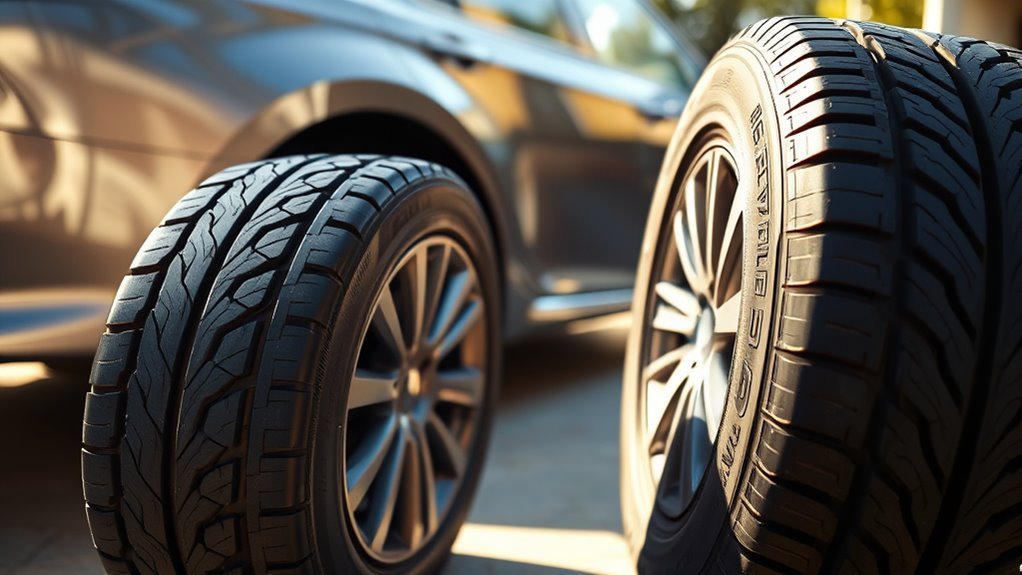
For most Camry owners, a touring all-season tire is the safest starting point. These tires are designed for daily comfort, predictable rain traction, and long mileage. The Michelin Primacy Tour A/S is one comfort-focused example, with Michelin listing a quiet ride focus and mileage warranty coverage up to 55,000 miles depending on the tire specification.
Other strong all-season categories for a Camry include grand touring all-season and standard touring all-season tires. Look for a tire that matches your climate, has good wet-braking reviews, includes a reasonable treadwear warranty, and fits your exact Camry size.
Choose all-season tires if you can answer “yes” to these questions:
- You want one set of tires for most of the year.
- You drive mostly in moderate weather, rain, and mild cold.
- You prefer comfort, quietness, and tread life over maximum cornering grip.
- You only see occasional light snow, not regular ice or heavy winter storms.
[Products Worth Considering]

Vigorder rubber cement glue delivers superior adhesion and cures quickly within about 30 seconds for seamless rubber bonding. Once cured, it helps provide a strong, durable, waterproof seal that holds up to vehicle weight, pressure, and heat. Suitable for cars, motorcycles, trucks, bicycles, and off-road tires, it’s designed for emergency patch and maintenance repairs.

The SAFELIFE dial tire tread depth gauge measures tread depth in 1/32 inch increments with clear, easy-to-read 2-inch dial face. Color zones using a traffic light system help you quickly judge whether tread is low, marginal, or ample for safer driving. Built with a durable zinc cast body and a metal detect probe for precise, comfortable use across cars, motorcycles, trucks, and buses.

TIRESHIELD PRO RV tire covers in a set of four deliver year-round protection against UV rays, cracking, fading, water, and snow. The StormLock-System helps keep the covers securely fastened through high wind, while heavy-duty, double-stitched construction supports long-lasting performance. Designed for universal fit, they’re intended for RV, camper, truck, car, and trailer tires within the 26–28.75 inch diameter range, with easy wipe-clean care and storage in the included bag.
Frequently Asked Questions
Which is better for a Toyota Camry, all-season tires or summer tires?
All-season tires are better for most Camry drivers because they work well for commuting, rain, mild cold, and longer tread life. Summer tires are better if you live in a warm climate and want stronger dry and wet grip.
What tires do Toyota Camrys use?
Toyota Camry tire sizes vary by model year and trim. Recent trims commonly use 16-, 18-, or 19-inch wheels, while some older trims use 17-inch wheels. Always confirm the exact size on the driver-side door placard, owner’s manual, or current tire sidewall.
When should you not use summer tires?
Do not use summer tires when temperatures consistently drop near or below 45°F, or when snow, ice, or freezing rain is possible. Summer tires are designed for warm-road grip, not winter traction.
What are the downsides of all-season tires?
All-season tires trade peak performance for versatility. They usually do not grip as hard as summer tires in warm dry cornering, and they do not match dedicated winter tires on ice or heavy snow.
Are all-weather tires the same as all-season tires?
No. Many all-weather tires are a more winter-capable type of all-season tire and carry the 3PMSF symbol. That symbol means the tire met a tested snow-traction threshold. Basic M+S all-season tires do not always have that certification.
Can I use a different tire size on my Camry?
Use the manufacturer-recommended size unless a qualified tire professional confirms a safe alternate size. Changing size can affect speedometer accuracy, clearance, ride quality, handling, and safety systems.
Conclusion
If you are choosing between summer and all-season tires for your Toyota Camry, the real tradeoff is grip versus versatility. Summer tires give you the best warm-weather feel, especially for braking, cornering, and steering response. All-season tires are the better everyday answer for most drivers because they are quieter, longer-lasting, and easier to use across changing weather.
For a warm-climate Camry driver who wants sporty handling, summer tires can be worth it. For a commuter who drives through rain, cool mornings, and mixed seasons, all-season tires are usually the smarter buy. If winter weather is common where you live, consider all-weather tires with the 3PMSF symbol or a separate winter tire set.
Sources
- Toyota Camry official specifications — current Camry trim and wheel-size context.
- NHTSA TireWise — tire pressure, cold inflation, and tire safety guidance.
- Michelin summer, winter, and all-season tire guide — seasonal temperature and tire-category guidance.
- Continental tires by season guide — summer, winter, and all-season usage by temperature and climate.
- Michelin Primacy Tour A/S — all-season tire features and warranty information.
- Bridgestone Potenza Sport — summer performance tire features and fitment reference.