
Why Is There a Bubble in My Tire? Causes, Risks & Solutions
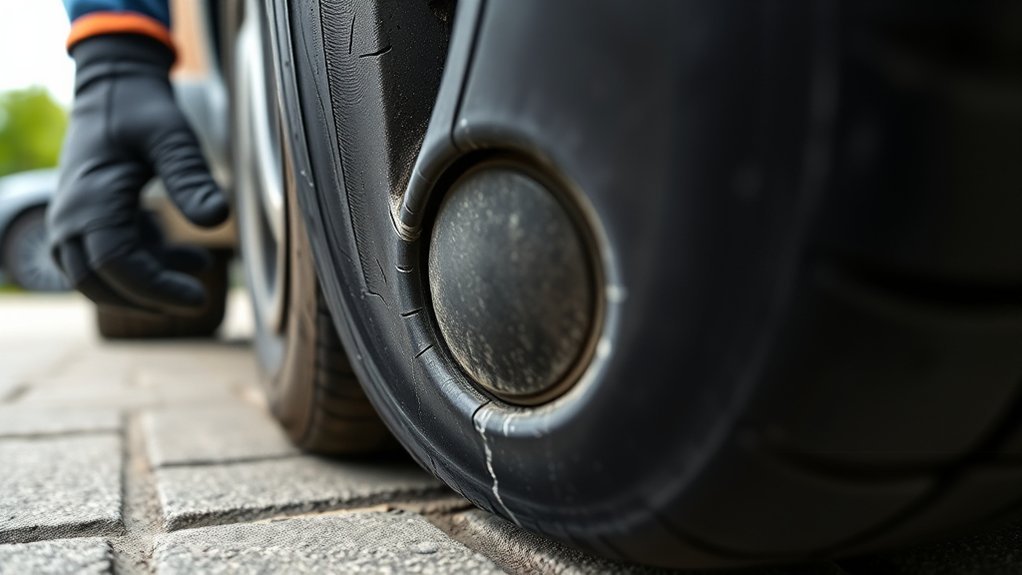
A bubble in your tire is a serious warning sign, not a cosmetic mark. It usually means the tire’s inner cords or sidewall plies have been damaged, allowing air pressure to push the weakened area outward. Because that damaged section can rupture without warning, you should stop driving on the tire, use a spare if it is safe to do so, or have the vehicle towed for inspection and replacement.
Quick Answer
A tire bubble means the tire’s internal structure has likely failed. Do not keep driving on it. A bubbled sidewall cannot be safely patched or plugged, so the tire usually needs replacement after a qualified technician confirms the damage and checks whether warranty coverage applies.
Key Takeaways
- A tire bubble usually means internal cord, ply, or sidewall damage.
- There is no safe speed for driving on a bubbled tire because it can blow out suddenly.
- Sidewall bubbles cannot be safely repaired with a patch, plug, or sealant.
- Common causes include potholes, curb impacts, underinflation, overloading, and occasional manufacturing defects.
- Use a spare or tow the vehicle, then have the tire inspected and replaced.
At a Glance
| Time Required | Stop immediately; inspection and replacement time depends on the shop and tire availability. |
| Difficulty | Urgent safety issue; do not treat it as a DIY repair. |
| Tools Needed | Tire pressure gauge, spare tire kit if safe to use, and professional tire inspection equipment. |
| Cost | Usually the cost of a replacement tire, mounting, balancing, and any needed valve or wheel service; warranty or road-hazard coverage may reduce the cost. |
Warning: Do not drive normally on a tire with a bubble. Even a small sidewall bulge can fail at low speed, and the risk becomes more dangerous with heat, load, and highway speed.
Is a Tire Bubble Safe to Drive On?
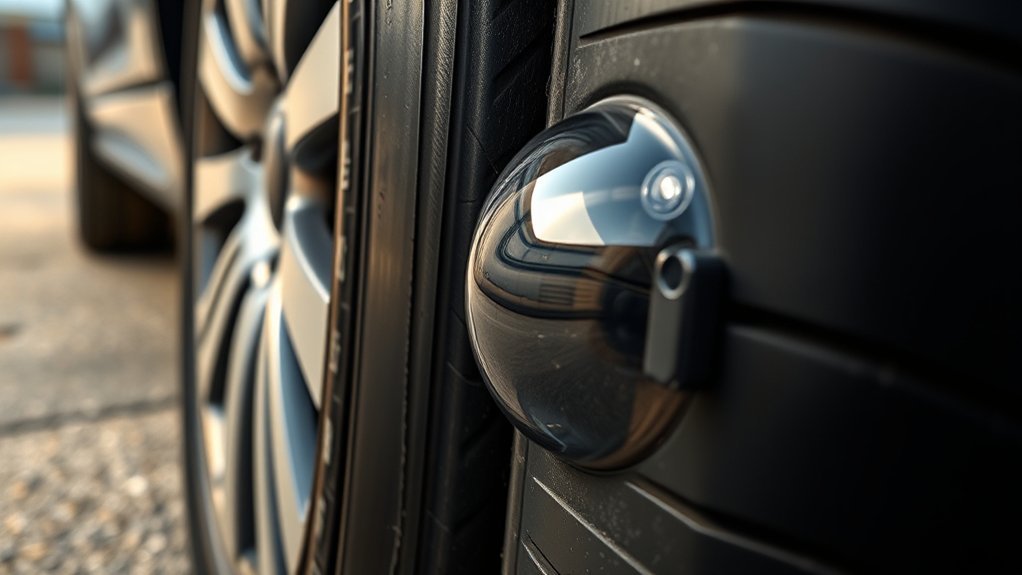
No. A tire bubble is not safe to drive on because it usually means the tire’s internal cords have been damaged. Michelin’s tire-damage guidance states that a tire with a bulge or bubble cannot be repaired and should be replaced with the spare before proper inspection.
That bubble is a weak spot in the tire casing. As the tire rolls, it flexes, heats up, and carries the weight of the vehicle. A weakened sidewall may not hold that pressure for long. If it ruptures, the tire can lose air suddenly and cause a blowout.
NHTSA’s TireWise program reports 511 total motor vehicle traffic fatalities in tire-related crashes in 2024, which is why visible tire damage should be treated as a safety issue.
The safest move is simple: stop using the damaged tire. If the vehicle has a properly inflated spare and you can install it safely away from traffic, use the spare. If not, call roadside assistance or have the vehicle towed to a tire shop.
[Products Worth Considering]

EVOULTES heavy duty tire inflator with an integrated gauge delivers accurate pressure readings from 10–120 PSI, helping you inflate, deflate, and check tires in one tool. The 16.5-inch extended dual-head air chuck with swivel base reaches hard-to-access dual wheel valves on trucks and RVs. A brass trigger core and side-mounted air release valve make operation smooth, with standard 1/4" NPT threading and quick-connect compatibility for easy setup.

This portable cordless tire inflator delivers up to 160 PSI with fast 17 L/min airflow to help you quickly top up tires and get back on the road. It features dual power mode, running on a 21V rechargeable battery or a 12V DC adapter for convenient roadside use. An automatic shut-off with digital pressure gauge helps prevent overinflation, and a built-in LED light improves visibility in low-light conditions.

The JACO FlowPro Tire Inflator measures, inflates, and airs down tires up to 100 PSI with battery-free operation and ±2% accuracy after calibration. It features a glowing pressure dial for night visibility, a heavy-duty steel build with a hybrid hose, and a precision push-to-inflate thumb trigger. The patented Lightning Air Chuck locks on for a secure seal, and the kit includes quick-connect hardware for easy inline use with your air compressor.
What Causes Tire Bubbles?
Tire bubbles form when air pressure pushes into an area where the tire’s internal structure has weakened or separated. The outside may show only a round bulge, but the real problem is inside the tire casing.
Impact Damage Causes
The most common cause is impact damage. Hitting a pothole, curb, road debris, railroad crossing, or speed bump too hard can pinch the sidewall between the wheel and the road. That force can break or separate internal cords even if the outer rubber does not look badly cut.
Impact bubbles often appear after a hard hit, but they may not show up immediately. A tire can look normal after the impact and then develop a bulge later as pressure works into the damaged area.
Low Pressure Risk
Underinflation also raises the risk. When pressure is too low, the sidewall flexes more than it should. That extra flex creates heat and stress inside the tire, which can weaken the casing over time.
The NHTSA tire-safety checklist recommends checking tire pressure at least once a month, including the spare. It also says to use the vehicle’s tire information placard or owner’s manual and to check pressure when tires are cold.
Defect-Related Bubbles
Less often, a bubble can come from a manufacturing defect. In that case, the tire may develop a bulge even without an obvious curb strike, pothole hit, cut, or puncture. A defect-related claim usually requires inspection by an authorized tire dealer or the tire manufacturer’s representative.
If you suspect a defect, take clear photos of the bubble, tire size, DOT code, tread condition, and the full sidewall. Keep the tire until the dealer or manufacturer tells you what documentation they need.
Why Tire Bubbles Form on Sidewalls
Sidewalls are built to flex, but they are not designed to be repaired after structural damage. When the internal cords or plies fail, air can move between tire layers and push the rubber outward. That outward push creates the visible bubble.
A sidewall bubble is different from a normal surface scuff. It signals a weak area in the tire’s pressure-holding structure. The tread may still look deep, and the tire may still hold air, but the sidewall no longer has its original strength.
Low-profile tires can be more vulnerable to this kind of impact damage because there is less sidewall height to absorb a pothole or curb strike. Heavy loads and underinflation make the problem worse because they increase sidewall stress.
Note: A bubble pushes outward. A shallow inward sidewall indentation can be normal on radial tires where internal cords overlap. If you are not sure whether you are seeing an indentation or a bulge, do not guess—have the tire inspected.
Tire Bubble vs. Sidewall Indentation
A tire bubble is a raised area that protrudes outward from the sidewall or, less commonly, the tread. It is dangerous because it can indicate damaged cords or separated plies.
A sidewall indentation is a slight inward dip or flat-looking spot. According to Michelin’s sidewall indentation guidance, indentations can be normal on radial tires and do not usually affect performance.
Use this simple rule: if the area is pushing outward like a lump, treat it as unsafe. If it is dipping inward, it may be normal, but a technician should still check it if you are unsure or if the tire recently hit a pothole or curb.
What To Do When You Spot One
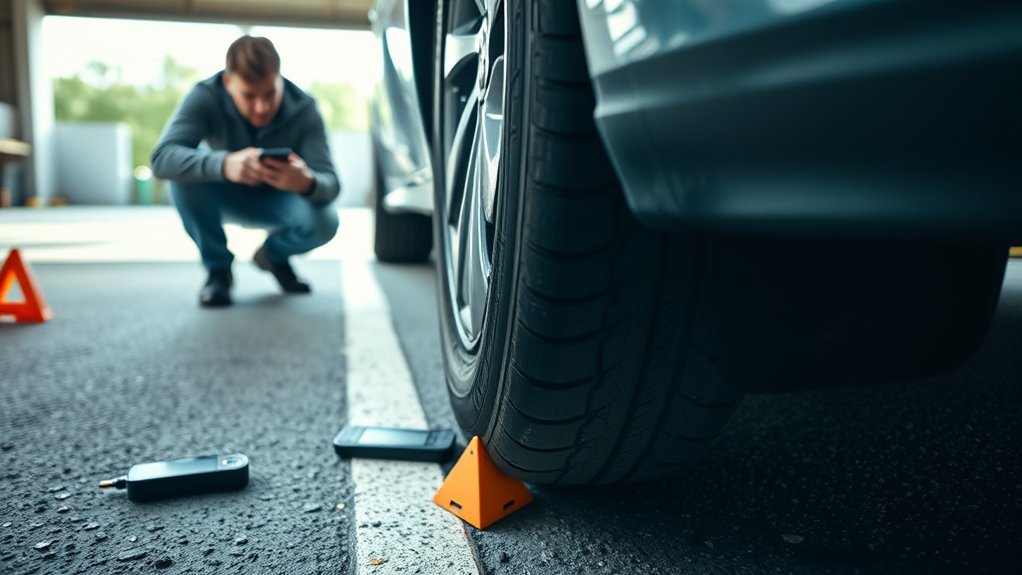
If you spot a tire bubble, act as though the tire could fail. Do not keep driving to “see if it gets worse.” It is already a structural warning sign.
Stop Driving Immediately
Pull over as soon as you can do so safely. Avoid sudden braking or sharp steering if you are already moving. Park away from traffic, turn on your hazard lights, and inspect the tire from a safe position.
| Action | Why It Matters |
|---|---|
| Pull over safely | Reduces heat, load, and flex on the damaged section. |
| Use the spare if safe | Keeps the damaged tire off the road. |
| Tow if unsure | Avoids risking a blowout on the way to the shop. |
| Have it inspected | Confirms the cause and whether warranty coverage may apply. |
Inspect And Replace
A qualified tire technician should inspect the bubbled tire, the wheel, and the nearby suspension area if the damage followed a hard impact. The technician will look for sidewall separation, inner-liner damage, rim bends, cuts, punctures, unusual tread wear, and signs that the tire was driven while underinflated.
In most cases, the bubbled tire must be replaced. If the tire is one of a matching set, the shop may also check tread depth and drivetrain requirements before deciding whether one tire or more than one tire should be replaced.
Check Warranty Coverage
A tire bubble may be covered if an authorized inspection finds a manufacturing defect and there is no evidence of impact damage, misuse, overloading, or underinflation. However, many bubbles are caused by road hazards, so warranty coverage is not guaranteed.
| Step | What To Do |
|---|---|
| 1 | Photograph the bubble, full tire, DOT code, tread, and wheel. |
| 2 | Ask the dealer whether the tire has manufacturer warranty or road-hazard coverage. |
| 3 | Keep the damaged tire until the claim is accepted or denied. |
Can a Tire Bubble Be Repaired?
No. A sidewall bubble cannot be safely repaired because the damaged area is structural. A patch or plug may cover rubber, but it cannot restore broken cords, separated plies, or lost sidewall strength.
The Tire Industry Association explains that proper puncture repairs are limited to the center tread area and that shoulder or sidewall damage is not repairable. The U.S. Tire Manufacturers Association repair handout also limits repairs to the repairable tread area and requires complete inspection after removing the tire from the wheel.
- A bubble means the tire casing has lost strength.
- Internal damage can exist even when the tread looks usable.
- A patch, plug, or sealant cannot restore sidewall load capacity.
- The safe fix is replacement, followed by inspection of the wheel and nearby components.
What Not To Do With a Tire Bubble
When you see a bubble, avoid shortcuts. They can make the tire more dangerous and may also hurt a warranty claim.
- Do not patch or plug it. Sidewall structural damage is not a repairable puncture.
- Do not use tire sealant as a fix. Sealant may help some temporary tread punctures, but it does not repair broken sidewall cords.
- Do not deflate the tire to shrink the bubble. Lower pressure can increase sidewall flex and heat.
- Do not drive highway speeds. Heat and load increase the chance of sudden failure.
- Do not ignore a small bubble. Small bulges can grow or fail without warning.
Pro Tip: After any hard pothole or curb hit, inspect both sidewalls of the tire, not just the outer side you can easily see. Inner-sidewall bubbles can be easy to miss.
[Products Worth Considering]

This AUTOWN flat tire repair kit is designed for quick, reliable puncture repairs using a plug kit and spiral probe tool to simplify installation. Built for durability and safe handling, it offers strong adhesion and flexibility to help maintain tire air tightness. With a portable storage case and a multi-vehicle approach, it’s suitable for cars, motorcycles, ATVs, tractors, lawn mowers, RVs, jeeps, and trucks.

Wykodra tire plugs provide quick vulcanizing repairs for tubeless tires, helping you seal punctures and get back on the road. The industrial-strength rubber creates a long-lasting, leak-resistant bond and is designed for emergency fixes without removing the tire. Choose between two standard plug sizes with color-matched options for small to larger damage across many vehicles and off-road uses.
How Mechanics Inspect Tire Bulges
When a mechanic inspects a tire bulge, they start with a visual check of the sidewall, tread, bead area, and wheel. They look for cuts, scuffs, rim dents, impact marks, cracks, punctures, and uneven wear.
Next, they check tire pressure against the vehicle placard, inspect the tread depth, and look at the other tires for matching damage or signs of underinflation. If the tire needs closer examination, the technician may remove it from the wheel to inspect the inner liner and casing.
The goal is not to “approve” the bubble for continued use. The goal is to confirm the cause, identify any related damage, document the condition, and replace the unsafe tire with the correct size, load rating, and speed rating for the vehicle.
When a Bubble May Be Covered
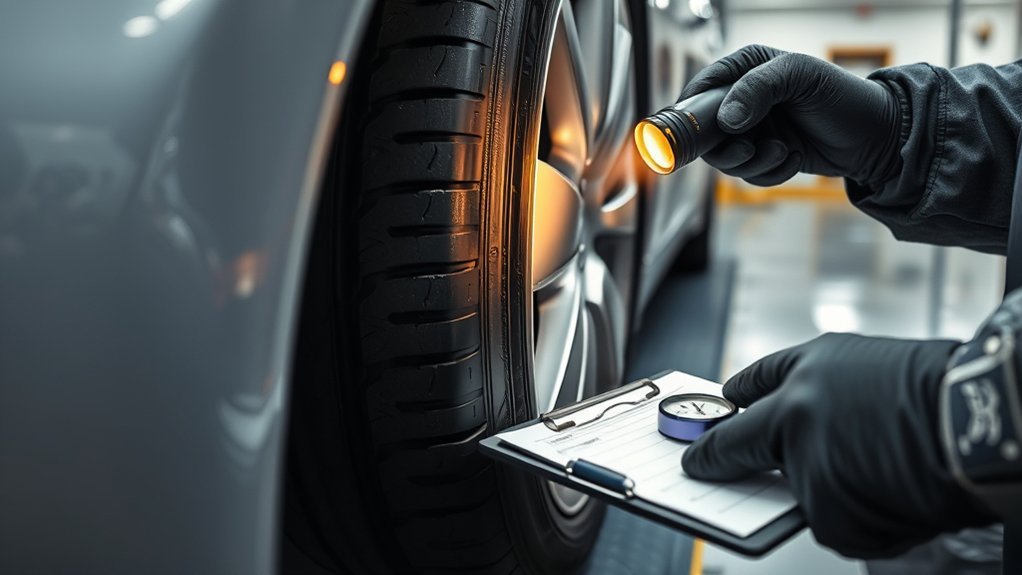
A tire bubble may be covered if it is traced to a manufacturing defect. That usually means the tire shows no signs of impact damage, puncture, overload, underinflation, or misuse. The decision depends on the tire brand’s warranty terms and the inspection findings.
Road-hazard protection is different from a manufacturer defect warranty. A manufacturer warranty may cover defects in materials or workmanship. A road-hazard plan, if you purchased one, may cover certain pothole or impact damage. Standard tire warranties often do not cover curb strikes, potholes, or driving on a flat tire.
- Check the tire brand, model, size, DOT code, and mileage.
- Look for visible scuffs, cuts, wheel dents, or impact marks.
- Ask for a written inspection result from the tire dealer.
- Do not discard the tire until the claim process is finished.
How to Prevent Tire Bubbles
You cannot prevent every road hazard, but good tire care lowers the risk of bubbles and other tire failures. Focus on pressure, impact avoidance, load limits, and regular inspections.
| Hazard | What It Can Do | Best Prevention |
|---|---|---|
| Low pressure | Creates excess sidewall flex and heat. | Check cold pressure monthly and before long trips. |
| Potholes and curbs | Can pinch or break internal sidewall cords. | Slow down, avoid impacts, and inspect after a hard hit. |
| Overloading | Adds stress to the tire casing and sidewall. | Follow the vehicle load limit on the placard or owner’s manual. |
| Uneven wear | Can hide alignment, pressure, or suspension problems. | Rotate, align, and inspect tires at regular service intervals. |
Use the pressure listed on the vehicle placard or in the owner’s manual, not the maximum pressure molded on the tire sidewall. Check pressure when the tires are cold, meaning the vehicle has been parked for at least three hours or driven only a short distance at low speed.
Why Regular Tire Inspections Matter
Regular inspections help catch tire bubbles, cuts, cracks, punctures, exposed cords, uneven wear, and low pressure before they become emergencies. NHTSA recommends checking tire pressure monthly, inspecting tires for wear or trauma, avoiding curbs, slowing down for potholes, and not overloading the vehicle.
A good inspection includes all four tires and the spare. Check the inner and outer sidewalls, not just the tread. If one tire has a bubble after an impact, the wheel and other tires on the same side of the vehicle may also need attention.
Routine checks also protect your budget. Finding damage early may prevent wheel damage, roadside towing, or replacing more tires than necessary.
Frequently Asked Questions
Is it safe to drive with a bubble in your tire?
No. A bubble in your tire usually means structural damage inside the tire. The tire can fail suddenly, so you should stop driving on it, use a spare if it is safe, or tow the vehicle to a tire shop.
What should I do if a bubble is in my tire?
Pull over safely, avoid further driving, and inspect the tire from a safe place. Install a properly inflated spare if you can do it safely. If not, call roadside assistance or have the vehicle towed. The damaged tire should be inspected and replaced.
Can a tire bubble go away on its own?
No. A tire bubble will not heal or disappear safely. It usually means the tire’s internal cords or plies are damaged. Even if the bubble looks smaller after pressure changes, the structure is still compromised.
How fast can I drive with a tire bulge?
There is no safe driving speed for a tire bulge. If you must move the vehicle, move only as far as needed to reach a safe stopping place. Do not drive normally or at highway speed on a bubbled tire.
Can I patch or plug a tire bubble?
No. A patch or plug is for certain tread punctures, not sidewall structural damage. A bubble means the tire casing has weakened, so the safe solution is replacement.
Will a warranty cover a tire bubble?
Sometimes, but only if the bubble is linked to a manufacturing defect and the warranty terms apply. If the bubble came from a pothole, curb strike, overload, underinflation, or driving on a flat tire, it may not be covered unless you have separate road-hazard protection.
Conclusion
A tire bubble should be treated as structural damage. It usually means the tire’s inner cords, plies, or sidewall have failed from impact, underinflation, overload, or a defect. Because a bubbled tire can rupture without warning, do not keep driving on it. Use a safe spare or tow the vehicle, have the tire inspected, and replace it before returning to normal driving.
Sources
- NHTSA TireWise — tire-safety overview and tire-related crash fatality context.
- NHTSA Tire Safety: Everything Rides On It — monthly pressure checks, cold inflation guidance, load limits, pothole and curb safety tips.
- Michelin USA: Symptom Bulge or Bubble — bulge diagnosis, repair limits, and replacement guidance.
- Michelin USA: Symptom Indentation — difference between normal sidewall indentations and unsafe bulges.
- U.S. Tire Manufacturers Association: Puncture Repair Area — industry repair-area limits and inspection requirements.
- Tire Industry Association: Tire Repair — why sidewall/shoulder damage is not repairable and why proper inspection matters.

Related Articles
Why Put a Plastic Bottle on Your Tire? The Viral Trick Explained
Mysterious plastic bottle on your tire? Discover the viral trick’s surprising truth and what it really means before you assume it’s protecting your car.
Read More
What Happens When a Tire Blows Out at Highway Speed? Full Guide
Buckle up to discover what really happens when a tire blows out at highway speed, and why your next move could change everything.
Read More
What Does V Mean on a Tire? Load, Speed & Rating Guide
Need to know what “V” means on a tire and how load and speed ratings affect safety?
Read More