
Do Tire Sensors Have Batteries? TPMS Battery Life Guide
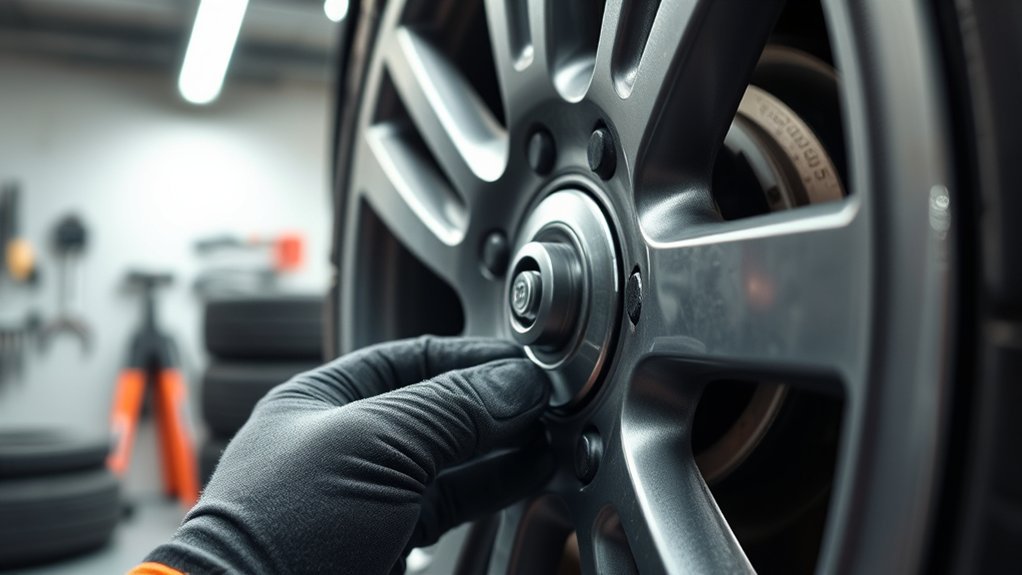
Yes, most direct tire pressure monitoring system sensors have built-in batteries, but the full answer depends on the type of TPMS your vehicle uses. Direct TPMS sensors sit inside the wheel and send pressure data wirelessly. Indirect TPMS systems use wheel-speed data instead, so they usually do not have separate battery-powered pressure sensors in each wheel.
Quick Answer
Most direct TPMS sensors have sealed, non-replaceable batteries. They often last about 5 to 10 years, and many last longer under easy conditions. When the battery dies, the normal repair is to replace the entire sensor, then program or relearn it to the vehicle.
Key Takeaways
- Direct TPMS sensors usually have sealed internal batteries; indirect TPMS systems usually do not use in-wheel pressure-sensor batteries.
- A typical direct TPMS sensor battery often lasts 5 to 10 years, with lifespan affected by heat, moisture, corrosion, driving patterns, and sensor quality.
- When the internal battery fails, the entire sensor is normally replaced instead of opening the sensor and changing the cell.
- A TPMS scan tool can often check sensor ID, pressure, temperature, signal strength, and battery status, depending on the vehicle and tool.
- Replacing sensors during tire service can reduce repeated labor because the tire is already being removed from the wheel.
Do TPMS Sensors Have Batteries?
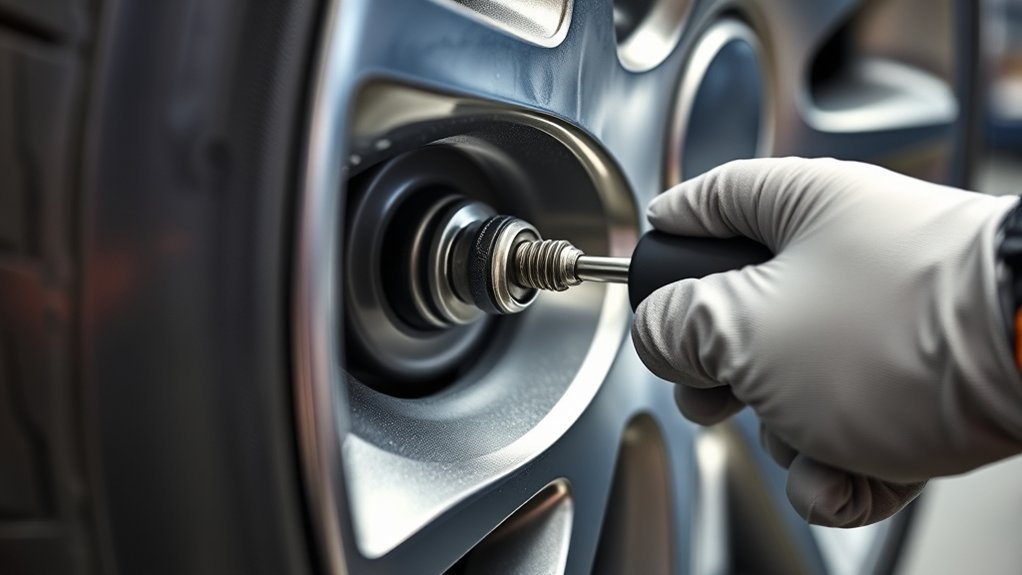
Most direct TPMS sensors do have built-in batteries. These sensors are mounted inside the wheel, usually as part of the valve stem or attached to the wheel barrel. They measure tire pressure, send a wireless signal to the vehicle, and help trigger the dashboard warning when pressure drops too far below the recommended level.
The important detail is that the battery is usually sealed inside the sensor housing. You cannot normally open the sensor, swap the cell, reseal it, and expect factory-level reliability. When the battery is depleted, the standard repair is to replace the complete TPMS sensor.
Some vehicles use indirect TPMS instead. Those systems do not measure tire pressure with a battery-powered sensor in each wheel. They estimate pressure changes by comparing wheel-speed data from the ABS system. That is why the answer is “yes” for most direct TPMS sensors, but not for every TPMS design.
In the United States, Federal Motor Vehicle Safety Standard No. 138 sets TPMS performance requirements for covered passenger vehicles. The system is designed to warn drivers about significant tire underinflation, which can affect handling, braking, tire wear, and heat buildup. Good tread life and correct inflation both matter, but they are not the same thing: tread condition tells you about tire wear, while TPMS helps warn you about pressure problems.
[Products Worth Considering]
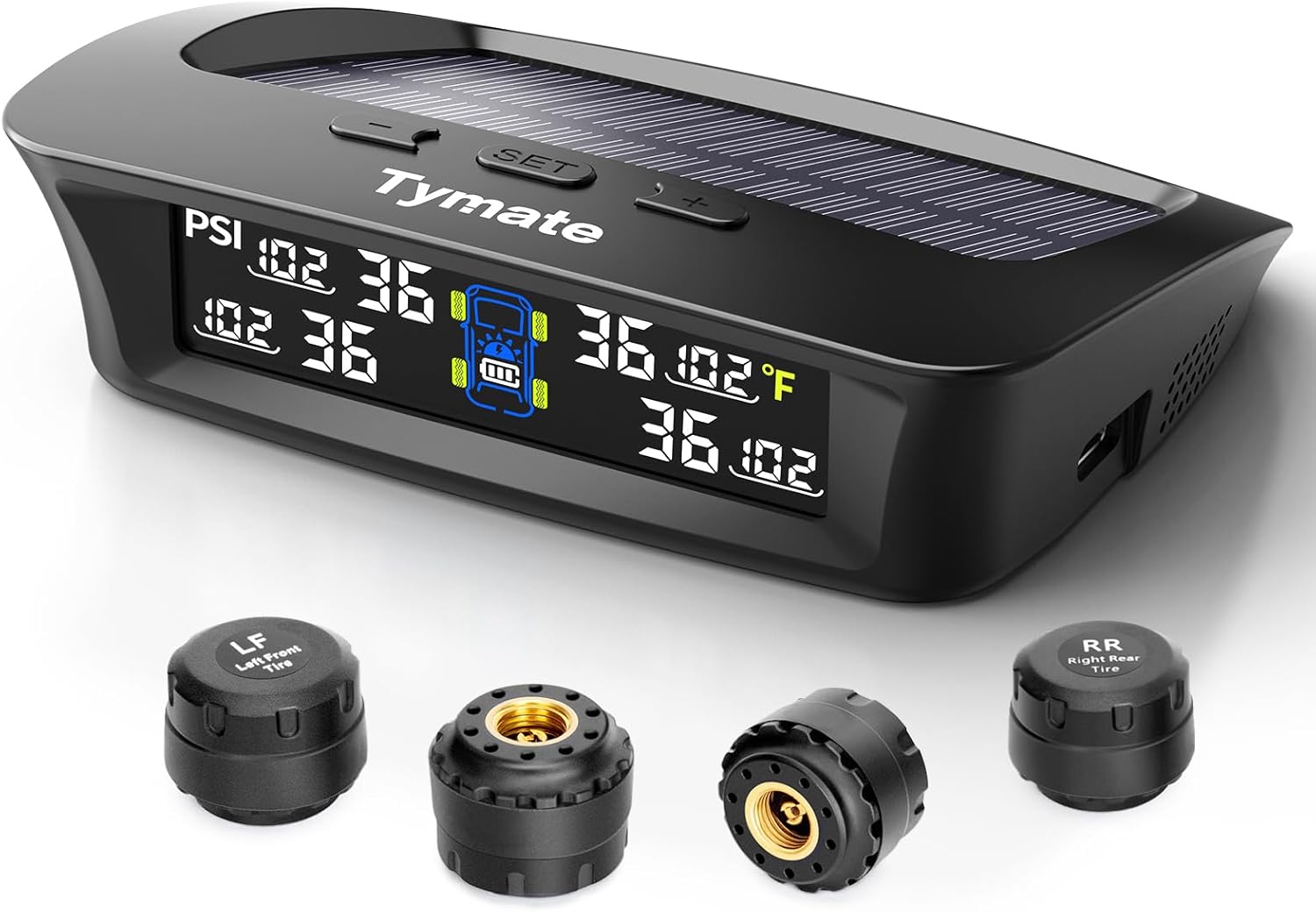
The Tymate TM3 RV TPMS delivers real-time tire pressure monitoring from 0 to 144 PSI with accurate readings and dependable wireless communication. It includes four external sensors with pre-pairing, six alarm modes for rapid leak, pressure extremes, temperature, and signal loss, plus an easy-reference setup for alert thresholds. Solar and USB-C charging help keep the display powered, while the color LCD and adaptive backlight improve visibility for safer driving and towing.
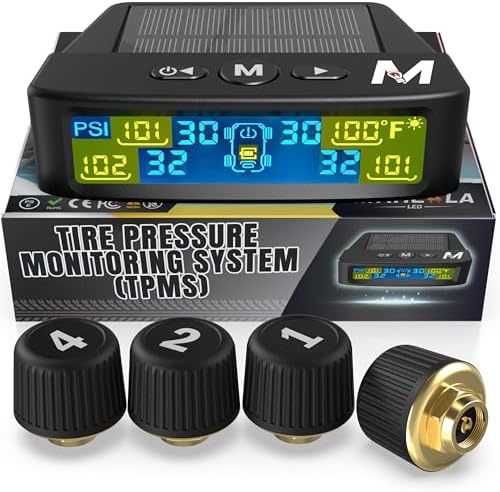
Marcala’s TPMS set of four sensors helps you monitor tire pressure and temperature in real time while driving, with updates every second. The bright color LCD uses auto-dimming for easy viewing, powered by dual solar and USB charging, and offers six alarm modes. Built for trailers, RVs, campers, trucks, and towing setups, the sensors support monitoring 1-4 wheels up to 98 PSI with IP67 waterproof protection.
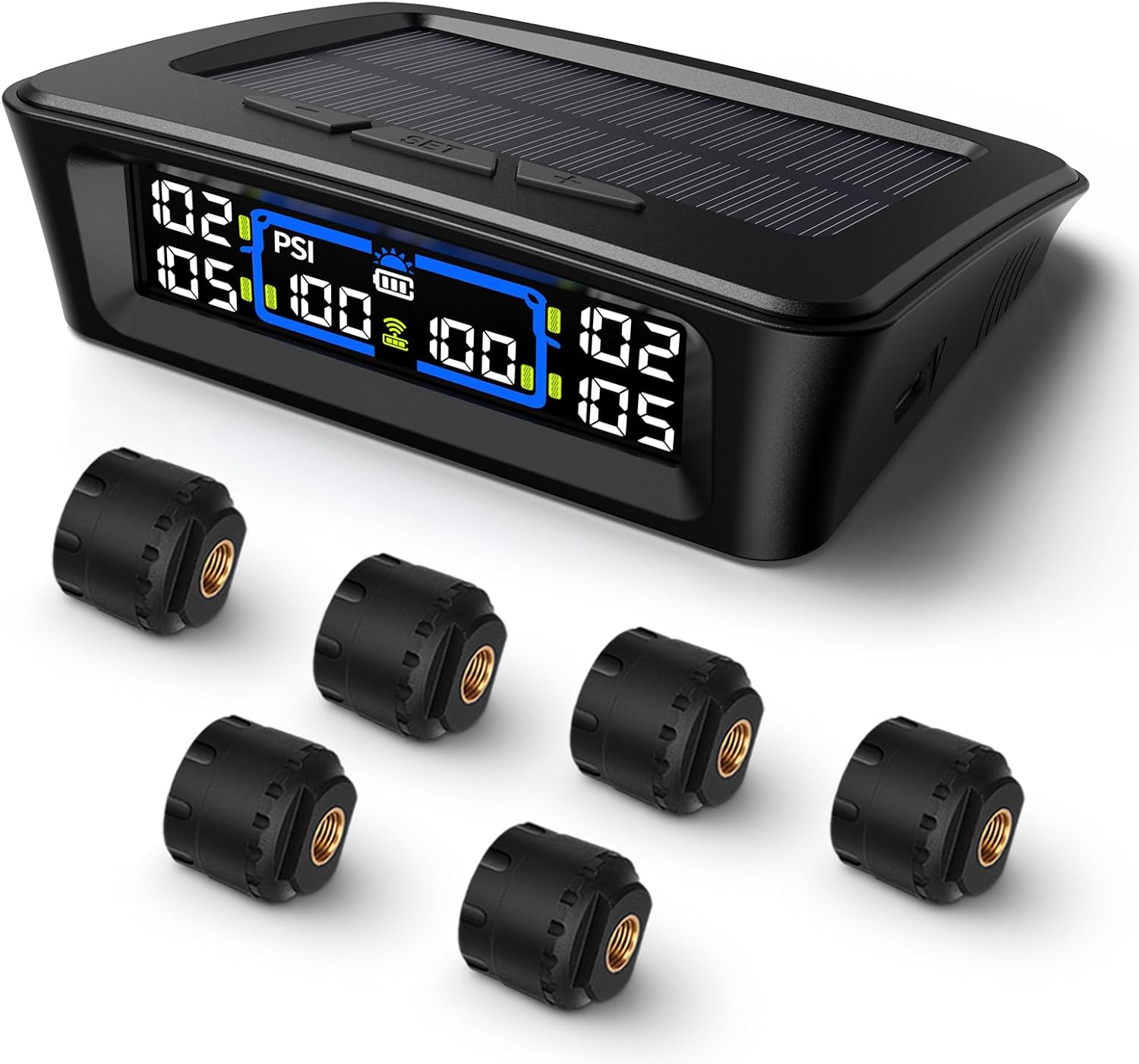
The Tymate TM12 RV TPMS delivers real-time tire pressure and temperature monitoring with a stable 433Hz display for safer long-distance driving. It supports simultaneous monitoring across vehicle and trailer zones, includes six alarm modes for pressure, temperature, leakage, battery, and signal loss, and features easy DIY installation with auto calibration. Power is supplied via USB-C charging or solar recharging, with a wide 0–144 PSI range and up to 50 ft signal coverage for RVs and towable trailers.
How TPMS Sensor Batteries Work
A direct TPMS sensor needs power because it has to measure pressure and transmit data wirelessly. Depending on the vehicle and sensor, a diagnostic tool may read information such as sensor ID, tire pressure, temperature, and battery status. The sensor does not transmit constantly like a phone; it wakes and sends data based on driving conditions, pressure changes, and the vehicle’s TPMS strategy.
The battery is designed for long service life, not for regular replacement. Many sensors are built as sealed units to protect the electronics from water, salt, vibration, road debris, and tire-mounting stress. That sealed design is good for durability, but it also means the battery is not meant to be serviced separately.
Note: A TPMS warning light does not replace a tire pressure gauge. Check tire pressure with a reliable gauge when tires are cold, especially before long trips, towing, heavy loads, or major temperature changes.
Why Do TPMS Sensor Batteries Fail?
TPMS sensor batteries fail mainly because sealed cells age over time. Even if the tire looks fine, the sensor still lives in a harsh place: inside a wheel that faces heat, cold, moisture, vibration, road salt, tire changes, and repeated pressure cycles. That environment slowly wears on the battery, electronics, seals, and valve hardware.
Common factors that shorten TPMS sensor longevity include high heat, corrosion around the valve stem, moisture intrusion, poor installation, damaged seals, harsh road impacts, and repeated tire service without replacing worn service parts. A sensor can also fail for reasons that are not strictly battery-related, such as cracked housings, broken stems, signal problems, or incorrect programming. This is why diagnosis matters before replacing parts.
Under typical conditions, many direct TPMS sensors last around 5 to 10 years. Some last longer, especially in mild climates with careful tire service. Others fail earlier if they face heat, corrosion, rough roads, or improper mounting. That is why a vehicle that is seven or more years old and still has original sensors is a good candidate for a TPMS health check during tire service.
This is especially critical for TPMS sensor longevity, because a healthy sensor helps the vehicle detect pressure problems before they turn into tire damage or unsafe driving conditions.
Warning: Do not ignore a TPMS light. A steady light often points to low tire pressure, while a blinking light that later stays on can indicate a TPMS malfunction on many vehicles. Check tire pressure first, then have the system scanned if the light does not clear.
Can You Replace a TPMS Sensor Battery?
No, not in the normal service sense. Most TPMS sensor batteries are sealed inside the sensor. Cutting open the housing, soldering in a cell, and resealing the unit is not a reliable repair for a road vehicle. The sensor must survive centrifugal force, tire heat, pressure changes, moisture, and future tire service. A patched housing can leak or fail.
When the battery is weak or dead, the standard solution is to replace the entire TPMS sensor. Regular maintenance, like tire rotation, helps you catch tire wear and pressure issues, but it will not recharge or restore a sealed TPMS battery.
| Check | Best Method | What It Tells You |
|---|---|---|
| Battery status | TPMS scan tool | Whether the sensor reports a weak or failed internal battery, if supported |
| Sensor signal | TPMS trigger tool or diagnostic scan | Whether the sensor is transmitting |
| Valve hardware | Visual inspection during tire service | Corrosion, cracked rubber, missing cap, or damaged seal |
| Replacement need | Confirmed fault plus vehicle fitment lookup | Whether one sensor or a full set makes more sense |
| Relearn status | Vehicle-specific relearn procedure | Whether the vehicle recognizes the new sensor ID |
Signs the TPMS Sensor Battery Is Weak or Dead
A weak TPMS battery may not announce itself with a simple “battery low” message. Many vehicles only show a general TPMS warning or malfunction light. The exact behavior depends on the vehicle, but these are common signs:
- A TPMS light blinks for a short time after startup, then stays on.
- One tire pressure reading is missing from the dashboard display.
- A shop’s TPMS tool cannot trigger or read one sensor.
- The warning returns even after all tires are set to the correct cold pressure.
- The problem appears after tire replacement, wheel swaps, or rotation because the sensor was already weak or was not relearned correctly.
- Multiple original sensors begin failing on an older vehicle within the same year or two.
Before replacing a sensor, always confirm the basics: set all tires to the pressure listed on the door placard, inspect for leaks or damage, and check whether the spare tire has a sensor if your vehicle monitors it. Some TPMS alerts are caused by actual low pressure, not a bad sensor.
When Should You Replace TPMS Sensors?
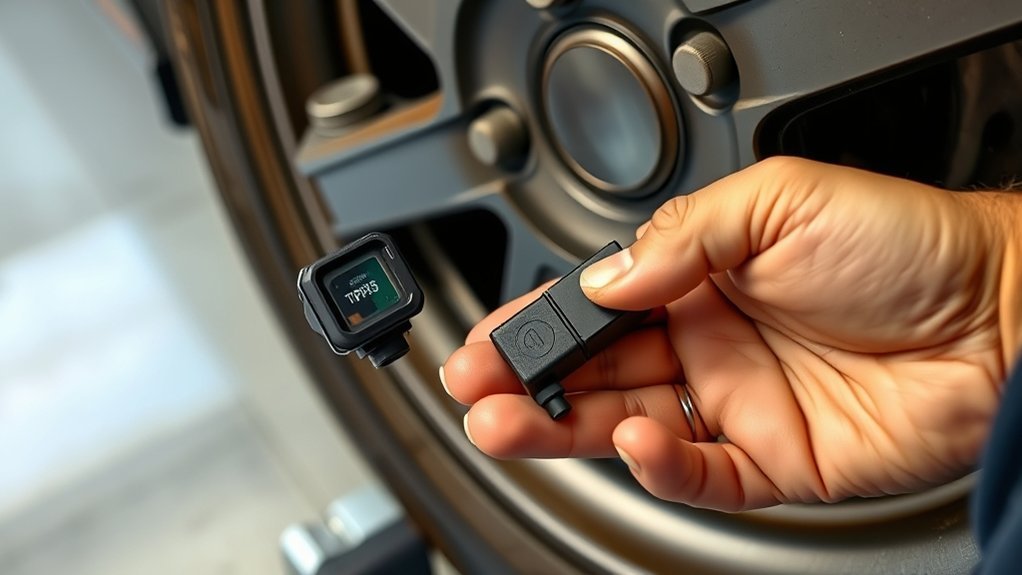
Replace a TPMS sensor when diagnostics show a dead battery, no signal, damaged hardware, corrosion, or a sensor fault that does not clear after proper pressure correction and relearn. You do not have to replace all four sensors every time one fails, but it can be practical on an older vehicle if all sensors are original and near the same age.
For example, if one original sensor fails after eight or nine years, the others may be close behind. Replacing the full set during tire service can prevent repeated visits and extra tire dismounting labor. If the vehicle is newer and only one sensor was damaged during a tire repair, replacing just that sensor may be enough.
Schedule replacement during tire changes whenever possible. The tire already has to be removed from the wheel, so the technician can replace the sensor, install fresh valve hardware, program the sensor if needed, relearn it to the vehicle, and verify the warning light clears. Keeping a usable spare tire kit also helps if a pressure issue turns into a roadside tire problem.
Pro Tip: Ask the tire shop whether the quote includes the sensor, valve service kit, installation, balancing, programming, and relearn. A low sensor price can become a higher invoice if programming or service parts are separate.
[Products Worth Considering]
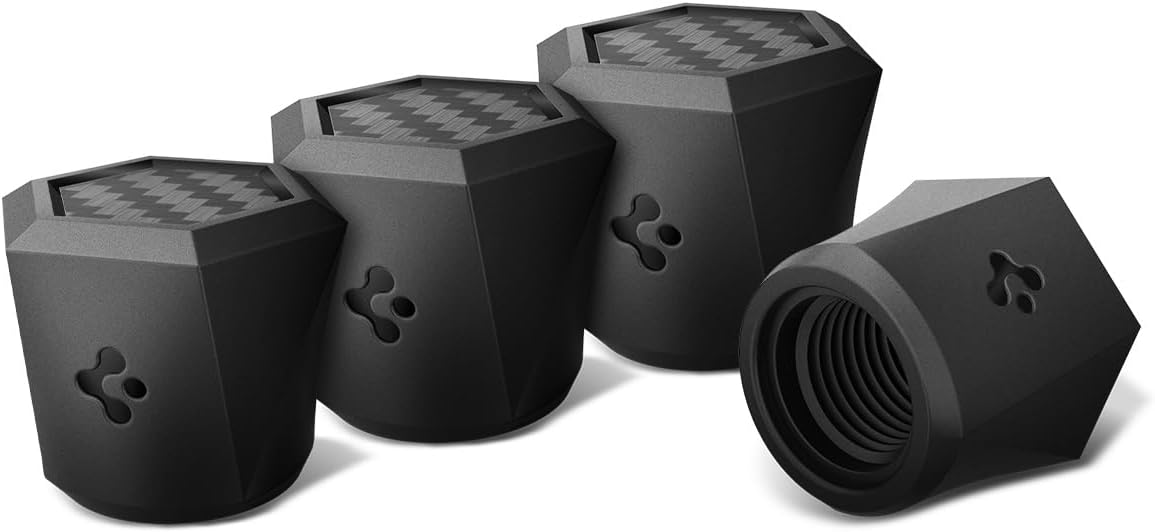
Spigen magnetic tire valve caps attach securely to metal surfaces so you never have to search for lost caps. Designed for Schrader valve stems, they install quickly, help...
What Happens After a TPMS Sensor Is Replaced?
Replacing a direct TPMS sensor is more involved than simply screwing on a new valve cap. A correct repair usually includes these steps:
- Confirm the fault. The shop checks tire pressure, scans the TPMS system, and identifies the failed or missing sensor.
- Match the sensor. The replacement must fit the wheel, valve style, radio frequency, and vehicle protocol.
- Dismount the tire bead. The technician removes the tire from the wheel far enough to access the sensor safely.
- Replace valve hardware. Service parts such as seals, grommets, valve cores, nuts, caps, or stems may be replaced depending on sensor style.
- Install the new sensor. The sensor is torqued and positioned correctly so it does not leak or hit the tire during mounting.
- Program or relearn the sensor. Some vehicles auto-learn after driving; others require a TPMS tool, OBD connection, or a specific relearn sequence.
- Verify the repair. The shop confirms pressure readings, clears faults, and checks that the TPMS warning does not return.
If you install sensors yourself, you still need safe tire-mounting equipment and the correct relearn process. A wrong sensor, missed relearn, damaged valve stem, or poor seal can leave the light on or cause an air leak.
How to Extend TPMS Sensor Battery Life
You cannot recharge a sealed TPMS sensor battery, but you can reduce avoidable stress on the sensor and valve hardware. Start by keeping tires inflated to the vehicle’s recommended cold pressure. Underinflated tires create heat, and heat is hard on tires, sensors, and batteries.
Inspect the valve area during tire checks. Look for cracked rubber stems, corrosion around metal stems, missing caps, or slow leaks. Replace worn service-kit parts when the tire is removed from the wheel. These small parts help protect the sensor and keep moisture out.
Avoid unnecessary relearn attempts and repeated sensor triggering unless you are diagnosing the system. If you change wheels for winter or off-road use, make sure the second wheel set has compatible TPMS sensors and is programmed correctly. Also, choose competent tire service: incorrect mounting can break a sensor even if the battery is still healthy.
Finally, maintain the tires themselves. Proper rotation, balanced wheels, correct inflation, and high-quality all-season tires help reduce heat, vibration, and uneven wear. They will not stop battery aging, but they can reduce the conditions that contribute to sensor damage.
How Much Does TPMS Sensor Replacement Cost?
TPMS replacement cost depends on the vehicle, sensor type, wheel style, labor rate, programming requirement, and whether you replace one sensor or a full set. The part alone may be affordable, but the installed price can rise once tire dismounting, balancing, valve hardware, programming, and relearn labor are included.
Public repair estimates vary widely. RepairPal and Kelley Blue Book both publish vehicle-service cost estimates that are higher than the cost of a loose sensor alone. For a real quote, ask the shop for the installed price per wheel and whether the estimate includes programming and relearn.
Frequently Asked Questions
Can you replace a battery in a TPMS sensor?
Usually, no. Most direct TPMS sensors use sealed internal batteries. When the battery dies, the normal repair is to replace the complete sensor, install any needed valve service parts, and relearn or program the new sensor to the vehicle.
How much does it cost to replace the tire sensor battery?
You normally do not replace only the battery. You replace the TPMS sensor. The total cost depends on the sensor, labor, programming, tire dismounting, balancing, and vehicle type. Always ask whether the quote includes the sensor, service kit, installation, programming, and relearn.
Can I replace my TPMS sensors myself?
You can replace TPMS sensors yourself only if you have the right sensor, safe tire equipment, torque specs, and the correct relearn or programming method. Because the sensor sits inside the wheel, most owners use a tire shop to avoid leaks, sensor damage, and balancing problems.
How long do batteries in tire pressure sensors last?
Many direct TPMS sensor batteries last about 5 to 10 years. Some last longer under mild conditions, while heat, moisture, corrosion, rough roads, and poor tire service can shorten lifespan. If your vehicle is older and still has original sensors, have them scanned during tire service.
Do indirect TPMS systems have sensor batteries?
Usually, no. Indirect TPMS systems estimate tire pressure changes by using wheel-speed information from the ABS system. They do not normally use a separate pressure sensor and battery inside each wheel.
Should I replace one TPMS sensor or all four?
If one newer sensor is damaged, replacing one may be fine. If one original sensor fails on an older vehicle, replacing all four may save labor because the remaining sensors may be near the same age and battery condition.
Can I drive with a bad TPMS sensor?
You may be able to drive, but you lose the system’s warning for that tire or sensor position. Check pressure manually with a gauge and schedule repair soon. Do not assume the tires are safe just because they look normal.
Conclusion
So, yes—most direct TPMS sensors do have batteries, and those batteries eventually wear out. Because the battery is sealed inside the sensor, the practical repair is to replace the full sensor, service the valve hardware, and relearn or program the new sensor to the vehicle. If you catch warning lights early, check pressure with a gauge, and inspect sensors during tire service, you reduce surprises and keep your tire pressure monitoring system reliable.
Sources
- eCFR 49 CFR § 571.138, Standard No. 138 — federal TPMS performance requirements and purpose.
- Federal Register TPMS final rule — TPMS warning threshold tied to significant underinflation.
- Bartec USA TPMS Sensors — sensor lifespan factors and typical service-life guidance.
- Bartec USA TPMS Service Kits — TPMS valve/service-kit components and service recommendations.
- ATEQ TPMS FAQ — TPMS tool data such as pressure, temperature, sensor ID, and battery status.
- Kelley Blue Book TPMS Sensor Replacement Cost — replacement-cost context for installed TPMS sensor service.

Related Articles

Tire Squeal When Turning: Causes, Fixes, and Prevention
Lingering tire squeal while turning can signal pressure, wear, alignment, or brake issues—discover the simple fixes before costly damage gets worse.
Read More
Does Flex Seal Fix a Flat Tire? What Actually Works
I tested whether Flex Seal can fix a flat tire—and the answer may surprise you if you want a repair that actually lasts.
Read More
How to Recycle Old Tires: Where to Take Them and Costs
Learn where to recycle old tires, what it costs, and which free options might save you money before you decide where to take them.
Read More