
What Is Tire Silica Compound? Benefits for Your RAV4

Tire silica compound can make a real difference on a Toyota RAV4 because it helps the tread stay flexible, grip wet pavement more consistently, and waste less energy as the tire rolls. The result is usually better rain confidence, lower rolling resistance, steadier handling, and longer-lasting tread when the tire is matched correctly to your RAV4, driving climate, and load needs.
Quick Answer
A tire silica compound replaces part of the traditional carbon black filler with engineered silica. For a RAV4, that can improve wet grip, reduce rolling resistance, help the tread stay flexible in cooler weather, and support longer tread life. The exact benefit depends on the tire model, tread design, driving habits, and maintenance.
Key Takeaways
- Silica is used in modern tire tread compounds to improve the balance between wet braking, rolling resistance, and wear.
- For RAV4 drivers, the biggest practical gains are rain traction, more predictable steering, and better fuel or EV efficiency.
- Silica does not make every tire better by itself; tread pattern, tire category, load rating, speed rating, and maintenance still matter.
- Always choose tires that match your RAV4’s size, load rating, climate, and cold inflation pressure listed on the driver’s door placard.
What a Tire Silica Compound Is and Why It Matters for Your RAV4
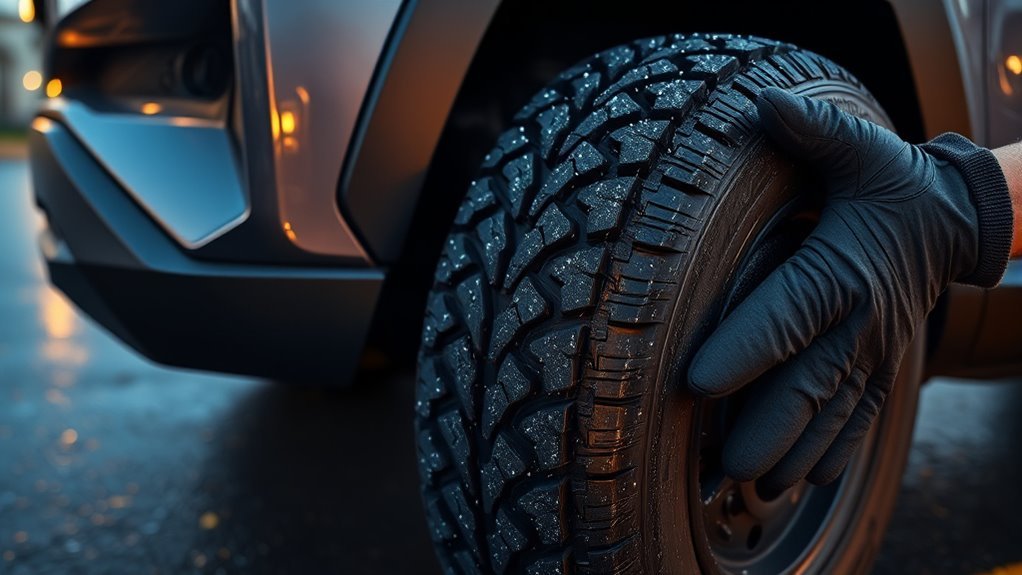
A tire silica compound is a rubber blend that uses engineered silica as part of the reinforcing filler system in the tread. Older tire compounds relied heavily on carbon black, which is still important for strength and wear. Modern silica-and-silane systems help tire engineers improve wet grip and rolling resistance at the same time, which is why silica is common in many all-season, touring, performance, and winter tires.
For a Toyota RAV4, that matters because this SUV asks a lot from its tires. It carries more weight than a small sedan, often sees rain, highway commuting, family loads, rough pavement, light towing, and sometimes winter weather. A well-designed silica-enhanced tire can help the tread stay more flexible, press into the road surface more consistently, and reduce wasted energy as the tire rolls.
Continental notes that the first road tests with silica tire compounds in the 1990s showed major improvements in wet braking and rolling resistance compared with carbon-black-only compounds, and silica has since become a major tire technology for safety and efficiency. Continental’s overview of silica tire technology also explains how rice husk ash can be used as a more sustainable silica source.
[Products Worth Considering]

Keep your tires properly inflated with this analog VONDIOR tire pressure gauge, designed for fast, easy readings without batteries. The swiveling, two-axis hose and large glow dial help you measure at any tire angle with instant visibility. Built with a protective rubber shield, it supports durable, low-maintenance use for cars and trucks.

Measure tire tread depth quickly and accurately with this LUMITECO dial gauge that reads in 1/32" increments up to 14/32". The color-coded green/yellow/red zones make it easy to judge tire wear and know when replacement is needed. A rugged, compact design with a protective pouch helps keep the gauge ready for use on cars, trucks, motorcycles, and more.

Accurately measure tire tread depth with a calibrated gauge marked from 0 to 1 inch in 1/32 inch increments. The color-coded bar helps you quickly identify tread condition ranges, supporting safe driving for trucks, motorcycles, automobiles, and passenger vehicles.
How Silica Differs From Carbon Black in Tire Treads
Silica and carbon black both strengthen tire rubber, but they influence tread behavior differently. Carbon black is excellent for reinforcement, durability, and heat resistance. Silica, when properly paired with silane coupling agents, helps reduce energy loss inside the rubber and improves grip on wet surfaces.
Silica is not magic dust. It works best when the tire maker uses the right rubber chemistry, silane bonding system, tread design, and curing process.
Here is the practical difference for RAV4 owners:
- Silica-focused tread compounds usually target lower rolling resistance, better wet grip, and flexibility in cool or wet conditions.
- Carbon black-heavy compounds are still valued for durability, reinforcement, and heat management.
- Modern premium tires often use both fillers in carefully controlled blends rather than choosing only one.
- The final tire design matters more than one ingredient alone, so compare full tire test results and warranty terms, not just the word “silica.”
Why Silica Improves Wet Grip and Shortens Braking Distances
Silica helps wet traction because it supports a tread compound that can stay flexible and maintain better contact with pavement when the road is damp, cool, or rainy. That flexibility helps the tread blocks conform to tiny road-surface textures instead of skimming over them.
Wet grip is not only about the rubber compound. The tire also needs grooves and sipes that move water away from the contact patch. When silica chemistry and tread pattern work together, the tire can maintain a stronger effective contact patch and reduce the risk of hydroplaning in normal wet-road driving.
Warning: Silica-enhanced tires can improve wet-road performance, but they cannot overcome worn tread, excessive speed, standing water, poor alignment, or incorrect tire pressure. Replace tires before they become unsafe, and slow down in heavy rain.
For RAV4 drivers, the biggest benefit is more predictable braking and steering in rain. That can matter during everyday moments: stopping for traffic, changing lanes on a wet highway, turning into a driveway, or braking while carrying passengers and cargo.
How Silica Boosts Handling and Steering Response on a RAV4

When you turn the wheel, the tire’s contact patch has to convert steering input into lateral grip. A well-engineered silica-reinforced tread can help the tire keep a more stable contact patch, especially on damp pavement or cooler mornings when a harder compound may feel less responsive.
On a RAV4, this can show up as:
- Crisper steering feedback during lane changes and curved ramps.
- More consistent grip as pavement changes from dry to damp.
- Better stability under load when carrying passengers, groceries, luggage, or light cargo.
- More confident cornering when the tire is properly inflated and not worn unevenly.
That said, silica does not turn an economy tire into a performance tire. Sidewall construction, tread block stiffness, tire size, and the RAV4’s suspension condition all affect steering response. If your RAV4 feels vague or wanders, check tire pressure, alignment, tread wear, and suspension components before blaming the compound.
How Silica Cuts Rolling Resistance and Saves Fuel or Charge
Rolling resistance is the energy your RAV4 spends deforming the tires as they roll. Lower rolling resistance means less wasted energy, which can improve fuel economy in gas and hybrid RAV4 models and help preserve electric range in plug-in hybrid driving.
Silica helps by reducing internal friction in the rubber compound. As the tire flexes, less energy is lost as heat. That does not mean every silica tire saves the same amount of fuel, but silica is one of the reasons many low-rolling-resistance tires can deliver efficiency without giving up as much wet grip as older compound designs.
Lower Rolling Resistance
Lower rolling resistance is especially useful for daily RAV4 commuting because small efficiency gains repeat every mile. You may not feel it from the driver’s seat immediately, but over thousands of miles, reduced energy loss can help lower fuel or charging costs.
- Less internal heat buildup helps the tire maintain its shape under load.
- Better compound flexibility helps the tread roll over surface texture with less wasted energy.
- Lower drag at the tire-road interface can support better mpg or EV efficiency.
- Cooler operation can also support more consistent tread wear when the tire is properly maintained.
Improved Energy Efficiency
Energy-efficient tires are most valuable when they also stay safe in rain. That is where silica technology earns its place: it helps tire makers reduce rolling resistance while still protecting wet grip. A 2024 review in the Journal of Polymer Research describes silica-filled natural rubber composites as a key approach for tire treads because they can support low rolling resistance, wet skid resistance, abrasion resistance, and noise reduction. The review is available from Springer Nature.
Pro Tip: If fuel economy is your priority, look for tires advertised as low rolling resistance, but also compare wet braking, treadwear warranty, customer testing, and snow rating if you drive in winter.
Why Silica Extends Tread Life and Mileage Warranties
Silica can support longer tread life when it improves wear resistance and reduces heat buildup. Heat and uneven deformation are two enemies of tire life. A compound that rolls cooler and wears more evenly can keep its tread profile closer to the intended shape for more miles.
That is why many silica-enhanced touring and all-season tires come with strong mileage warranties. For example, Nokian lists the Nokian Tyres Surpass AS01 with a 55,000-mile / 90,000-km limited treadwear warranty, and Nokian’s limited warranty page explains that treadwear coverage depends on eligibility, even wear, maintenance, driving habits, and road conditions.
You still have to do your part. Tire life depends on:
- Correct cold tire pressure.
- Regular tire rotations.
- Proper wheel alignment.
- Balanced wheels.
- Driving style, road surface, and climate.
- Choosing the right tire category for your RAV4.
Real-World RAV4 Use Cases: Commuting, Towing, and Winter Driving
Silica-enhanced tires are not just a lab idea. They solve practical problems RAV4 drivers face every week: wet commutes, highway trips, changing seasons, cargo weight, and occasional towing.
Daily Commuter Fuel Efficiency
For daily commuting, silica tires can help in two ways: better wet confidence and lower rolling resistance. In stop-and-go driving, tire choice is only one part of fuel economy, but low-rolling-resistance compounds can reduce the energy your RAV4 spends just keeping the tires turning.
They can also make rainy commutes feel more controlled. If your route includes painted lines, slick intersections, concrete bridges, or highway spray, wet-grip performance should be a priority.
Towing Traction and Durability
When towing with a RAV4, traction and stability matter more than marketing claims. A silica-enhanced tire may help wet braking and rolling efficiency, but you still need the correct load index, proper inflation, and a tire that matches your towing conditions.
Before towing, check your RAV4 owner’s manual for tow limits, tongue weight guidance, and tire pressure instructions. Do not exceed the vehicle’s rated towing capacity, and remember that trailer tongue weight adds load to the vehicle’s tires.
Winter Grip and Control
Silica is especially useful in winter and all-weather tires because it helps the rubber remain more flexible in cold conditions. Flexibility helps the tread bite into cold pavement, slush, and light snow.
However, a silica-enhanced all-season tire is not the same as a dedicated winter tire. If you regularly drive through snow, ice, or long freezing seasons, choose tires with the Three-Peak Mountain Snowflake symbol or a dedicated winter tire set.
Note: For severe winter driving, tire category matters more than silica alone. A proper winter tire with silica-rich cold-weather rubber and winter tread design will outperform a normal all-season tire on snow and ice.
Where Tire Silica Comes From and Is It Safe and Sustainable?
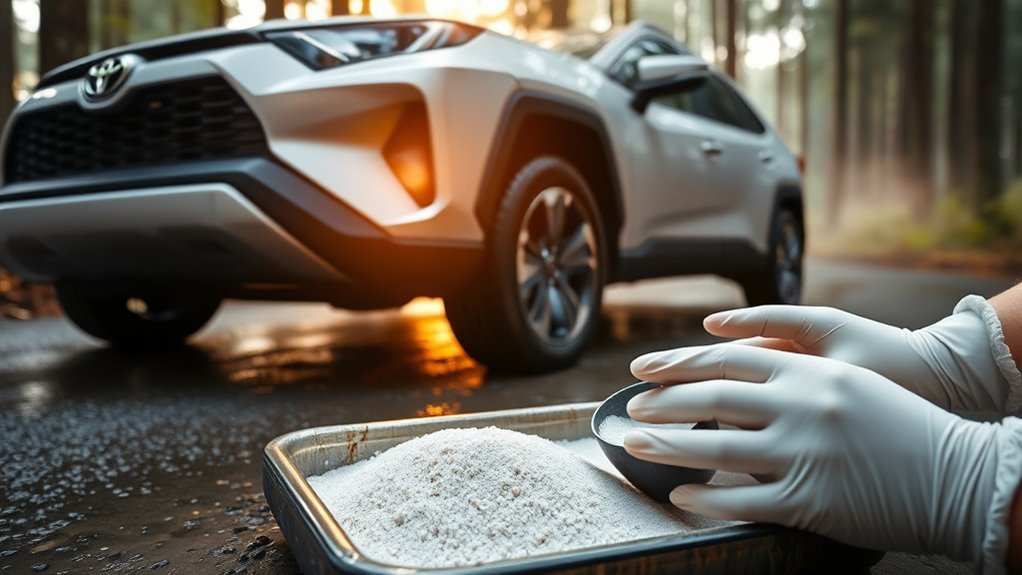
Tire-grade silica is commonly produced from mineral sources such as quartz sand, but some manufacturers are also using rice husk ash as a more sustainable feedstock. Rice husks are an agricultural by-product, so using their ash can reduce waste and lower the need for some conventional raw-material processing.
From a driver’s perspective, the safety benefit is not about the raw silica itself; it is about how the finished tire compound performs. A properly engineered silica tire can improve wet braking, maintain flexibility, and reduce rolling resistance. From an environmental perspective, the potential benefits include lower vehicle energy use and more sustainable silica sourcing where manufacturers document it clearly.
When comparing brands, look for manufacturers that clearly discuss:
- Where their silica comes from.
- Whether rice husk ash or other lower-impact feedstocks are used.
- Rolling-resistance testing.
- Treadwear warranty terms.
- Independent safety or performance testing.
[Products Worth Considering]

The SAFELIFE dial tire tread depth gauge measures tread depth in 1/32 inch increments with clear, easy-to-read 2-inch dial face. Color zones using a traffic light system help you quickly judge whether tread is low, marginal, or ample for safer driving. Built with a durable zinc cast body and a metal detect probe for precise, comfortable use across cars, motorcycles, trucks, and buses.
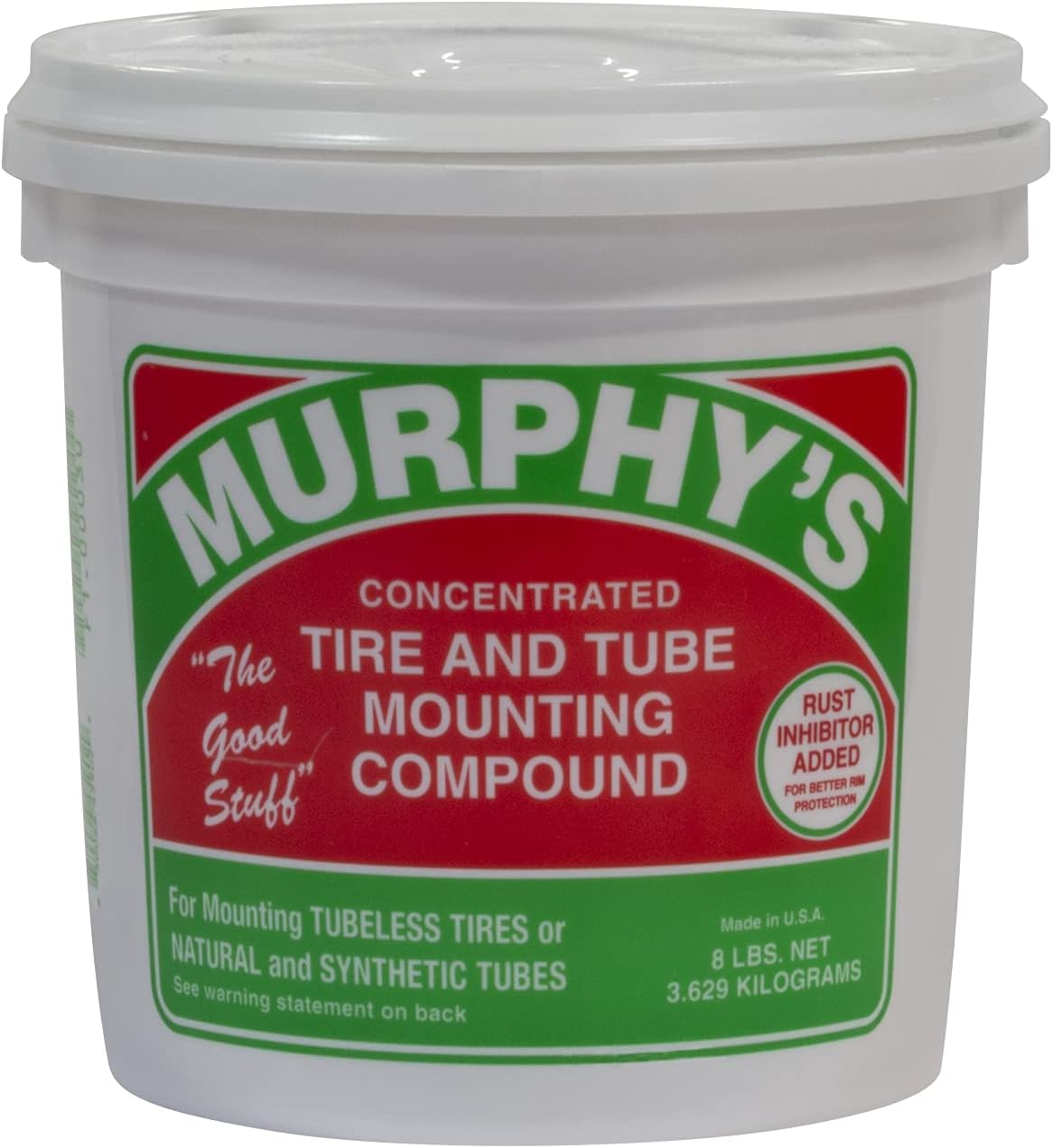
A concentrated tire and tube mounting compound designed to help simplify mounting rubber tires and tubes on passenger, semi truck, construction, and OTR applications. Its ultra-thick formula packs beads effectively and includes rust inhibitors to help protect against corrosion during use.

Vigorder rubber cement glue delivers superior adhesion and cures quickly within about 30 seconds for seamless rubber bonding. Once cured, it helps provide a strong, durable, waterproof seal that holds up to vehicle weight, pressure, and heat. Suitable for cars, motorcycles, trucks, bicycles, and off-road tires, it’s designed for emergency patch and maintenance repairs.
What to Look For When Choosing Silica-Enhanced Tires for a RAV4
Do not buy a tire only because the description says “silica.” Use silica as one positive signal, then check the full tire specification. The right tire for a RAV4 must match your size, load rating, climate, budget, and driving use.
| What to Check | Why It Matters for a RAV4 |
|---|---|
| Correct tire size | Protects speedometer accuracy, clearance, handling, and AWD system behavior. |
| Load index | Ensures the tire can safely carry the vehicle, passengers, cargo, and towing load. |
| Wet braking rating or test results | Shows whether the silica compound and tread pattern actually perform well in rain. |
| Rolling resistance or efficiency claims | Helps gas, hybrid, and plug-in hybrid RAV4 models reduce wasted energy. |
| Treadwear warranty | Gives a clue about expected service life, though maintenance and driving style still matter. |
| Winter rating | Important if you drive through snow, ice, or long periods below freezing. |
Treadwear and Warranty
A strong treadwear warranty can make silica-enhanced tires a better value, but read the conditions. Many mileage warranties require regular rotations, even wear, proper inflation, and proof of maintenance. If you skip rotations or drive on misaligned wheels, the warranty may not help.
- Verify the stated mileage warranty.
- Check whether the warranty is prorated.
- Confirm rotation and inspection requirements.
- Keep receipts and service records.
- Inspect for uneven wear every month.
Wet Grip and Traction
Wet grip should be a top priority for a RAV4 because SUVs have more mass to stop than smaller cars. Look for tire tests that compare wet braking, wet cornering, and hydroplaning resistance. Silica is helpful, but independent performance results are stronger evidence than a product description alone.
For the safest choice, balance wet traction with treadwear, noise, ride comfort, and winter needs. A tire that is excellent in rain but poor in snow may be wrong for a cold-climate RAV4. A tire that lasts a long time but stops poorly in rain may not be worth the savings.
Correct Tire Pressure and Maintenance for RAV4 Silica Tires
Even the best silica compound will underperform if the tire is underinflated, overinflated, misaligned, or worn unevenly. The correct cold tire pressure for your RAV4 is listed on the Tire and Loading Information placard on the driver’s door jamb and in the owner’s manual. Toyota’s digital RAV4 owner’s manual includes a tire inflation pressure section, and NHTSA also tells drivers to use the vehicle placard and owner’s manual for recommended pressure.
Use these maintenance basics:
- Check tire pressure at least once a month and before long trips.
- Check pressure when tires are cold, before driving far.
- Do not use the maximum pressure printed on the tire sidewall as your normal setting.
- Rotate tires on the schedule recommended by Toyota or the tire maker.
- Check tread depth and look for cupping, feathering, cracking, or sidewall damage.
- Have alignment checked if the RAV4 pulls, vibrates, or wears tires unevenly.
Note: Many recent RAV4 trims list cold pressures around the low-30 PSI range, but the only correct number for your exact vehicle is the placard on your driver’s door jamb.
Cost vs. Value: Long-Term Savings and Trade-Offs of Silica Tires
Silica-enhanced tires often cost more up front, especially from premium brands. The value comes from what they may save or improve over time: wet-road safety, fuel or charge efficiency, longer tread life, and more consistent performance across temperatures.
The trade-off is that not every driver will recover the cost in fuel savings alone. If you drive very few miles, live in a dry climate, or sell the vehicle soon, the financial payback may be smaller. But if you keep your RAV4 for years, commute daily, drive in rain, or want a quieter and more efficient tire, a good silica-enhanced model can be worth the higher purchase price.
Think of the value in four buckets:
- Safety value: Better wet braking and control can matter in real emergencies.
- Efficiency value: Lower rolling resistance can reduce fuel or charging costs.
- Durability value: Strong treadwear can reduce replacement frequency.
- Comfort value: Many modern silica compounds help balance grip, noise, and ride quality.
Common Mistakes When Buying Silica Tires for a RAV4
Silica is useful, but it is easy to overbuy, underbuy, or choose the wrong tire category. Avoid these common mistakes:
- Choosing by compound alone: A silica compound is only one part of tire performance.
- Ignoring load rating: Your RAV4 needs tires that can safely carry the vehicle and cargo.
- Buying performance tires for winter roads: Summer or performance all-season tires may struggle in snow and ice.
- Mixing mismatched tires: Keep tire type, size, and tread depth closely matched, especially on AWD models.
- Skipping rotations: Uneven wear can erase the tread-life benefit of a premium tire.
- Running worn tread in rain: Silica cannot replace tread depth needed for water evacuation.
Frequently Asked Questions
What are the benefits of silica tires?
Silica tires can improve wet grip, reduce rolling resistance, support better fuel or EV efficiency, and help the tread stay flexible in cool weather. In a RAV4, those benefits can mean more confident rain braking, steadier handling, and potentially longer tread life.
What does tire compound do?
Tire compound is the rubber recipe used in the tread. It affects grip, rolling resistance, heat buildup, treadwear, noise, and temperature flexibility. Silica, carbon black, polymers, oils, and curing chemistry all influence how the tire behaves on the road.
What is the correct tire pressure for a Toyota RAV4?
Use the cold tire pressure printed on your RAV4’s driver-side door placard or in the owner’s manual. Many recent RAV4 models are in the low-30 PSI range, but tire size, model year, trim, and load can vary. Do not use the maximum sidewall pressure as the normal setting.
What is the 3% tire rule?
The 3% tire rule is a common guideline that says replacement tire diameter should stay within about 3% of the original tire diameter. Staying close helps protect speedometer accuracy, clearance, stability systems, and drivetrain behavior. For AWD vehicles, also keep tread depth closely matched across all four tires.
Are silica tires worth it for a RAV4?
Yes, silica-enhanced tires are often worth it if you drive in rain, want better efficiency, or keep your tires for many miles. They are most valuable when the whole tire is well designed, properly sized, correctly inflated, and maintained with regular rotations.
Conclusion
For your RAV4, a well-designed silica-enhanced tire can deliver a better balance of wet grip, rolling efficiency, steering confidence, and tread life than older compound designs. You may pay more up front, but the payoff can come through safer rain performance, lower energy use, fewer replacements, and more consistent handling.
The smartest move is to compare the whole tire, not just the ingredient list. Choose the correct size and load rating, check wet-braking and treadwear data, match the tire to your climate, and maintain the pressure shown on your RAV4’s door placard. Silica works best when the tire is properly chosen and properly cared for.
Sources
- Continental: Silica in Tires — supports the history, wet-braking, rolling-resistance, and sustainability discussion.
- Journal of Polymer Research: Recent Advancements in Silica-Filled Natural Rubber Composite — supports claims about silica-filled rubber, rolling resistance, wet skid resistance, abrasion resistance, and tire tread applications.
- Nokian Tyres Surpass AS01 Product Page — supports the example of a silica-era all-season tire with low-rolling-resistance positioning and a 55,000-mile / 90,000-km limited treadwear warranty.
- Nokian Tyres Limited Warranty — supports treadwear warranty conditions and maintenance-dependent coverage.
- NHTSA Tire Safety — supports tire maintenance, tire safety awareness, and the importance of proper tire care.
- Toyota RAV4 Digital Owner’s Manual: Tire Inflation Pressure — supports checking the vehicle-specific RAV4 tire pressure guidance.
[Products Worth Considering]

Monitor tire tread wear with a smart, color-coded depth gauge that shows clear condition ranges at a glance. The bar is range marked for fast, easy readings, helping you maintain safer traction and performance. Each gauge is portable with a pocket clip, and the set includes 20 units for daily use and sharing.

Black Magic Tire Wet delivers a deep wet-look shine that makes tires appear dark, rich, and freshly detailed. Its long-lasting formula helps resist rain, dust, and road grime for weeks of glossy protection, not days. Apply by spraying onto clean, dry tires—no buffing or wiping required—with a low-sling design to reduce splatter on paint and wheels.

TIRESHIELD PRO RV tire covers in a set of four deliver year-round protection against UV rays, cracking, fading, water, and snow. The StormLock-System helps keep the covers securely fastened through high wind, while heavy-duty, double-stitched construction supports long-lasting performance. Designed for universal fit, they’re intended for RV, camper, truck, car, and trailer tires within the 26–28.75 inch diameter range, with easy wipe-clean care and storage in the included bag.

Related Articles

Toyota RAV4 TPMS Reset: Easy Steps That Work
Unlock the secrets to resetting your Toyota RAV4's TPMS effortlessly—discover the essential steps to ensure your tires are always safe.
Read More
Toyota RAV4 Tire Rotation: DIY Steps & Pattern
Take control of your Toyota RAV4's tire maintenance with our simple DIY rotation guide—discover the best steps for optimal performance and longevity!
Read More
Mix Tire Brands on a Toyota RAV4? Expert Guide
Keeping your RAV4 safe? Learn when mixing tire brands risks traction, ABS/TCS and AWD damage — and what exact matches you must insist on.
Read More