
How to Use a Tire Changer: Step-by-Step Guide for Beginners
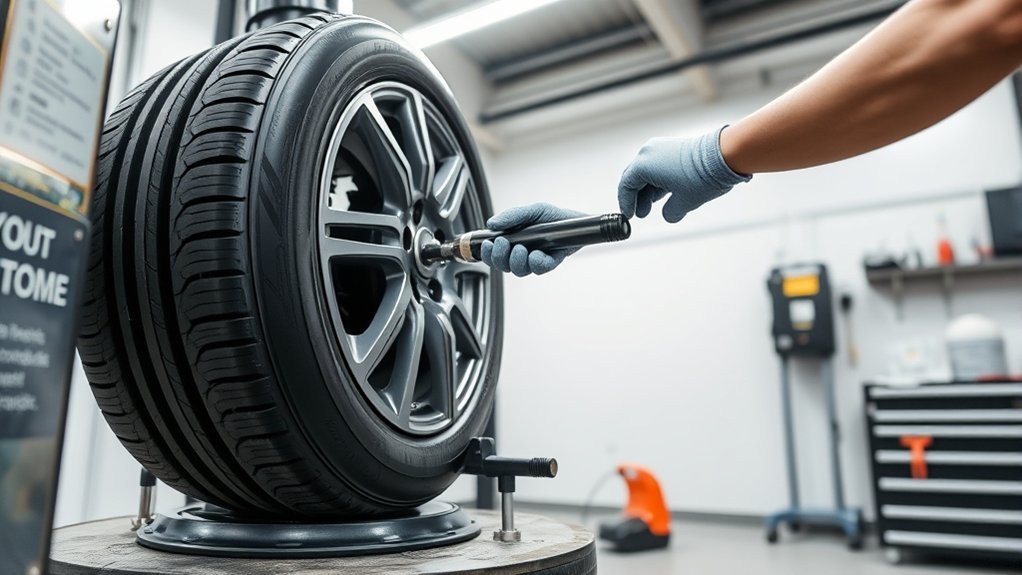
Using a tire changer safely starts before the wheel ever touches the turntable. You need the right machine for the wheel size, proper eye and hand protection, a fully deflated tire, clean bead seats, approved tire lubricant, and a slow, controlled mounting process. This guide covers the standard workflow for conventional passenger and light-truck tire changing machines, plus the safety checks that prevent rim damage, bead damage, leaks, and dangerous overinflation.
Quick Answer
To use a tire changer, remove the valve core and fully deflate the tire, break both beads, clamp the wheel securely, lubricate the beads, use the mount/demount head to remove the old tire, mount the new tire, then inflate slowly while inspecting both bead seats. Never exceed the tire maker’s bead-seating limit; if none is given, do not exceed 40 psi.
Key Takeaways
- Wear safety glasses and gloves, inspect the machine, and remove the valve core before any bead-breaking or demounting work.
- Use a tire changer that matches the wheel diameter, wheel width, tire type, and rim style you are servicing.
- Clean the rim, inspect for cracks or corrosion, and use only approved tire mounting lubricant on the beads.
- Keep hands, knees, and face away from pinch points, bead breaker arms, rollers, clamps, and the inflation path.
- Seat beads with controlled air pressure, inspect both sides visually, and never use flammable sprays or shortcuts to seat a bead.
At a Glance
| Time Required | About 15–30 minutes per tire for a trained user, depending on wheel type, tire stiffness, and machine style. |
| Difficulty | Moderate to advanced. Low-profile, run-flat, motorcycle, heavy-duty, and custom wheels may require special equipment. |
| Tools Needed | Tire changer, valve core tool, approved tire lubricant, tire pressure gauge, leak-check solution, wheel weights/balancer if balancing, PPE, and the machine manual. |
| Cost | No added cost if you already own the machine and supplies; shop service is safer for unfamiliar wheels, split rims, or stiff specialty tires. |
Warning: Tire changing can be dangerous. Tire changers are designed for trained operators who understand wheel types, tire pressure hazards, and the machine’s controls. Do not service multi-piece rims, heavy truck wheels, damaged rims, or unfamiliar specialty wheels unless you have the correct training, restraining equipment, and manufacturer procedures.
Tire Changer Basics
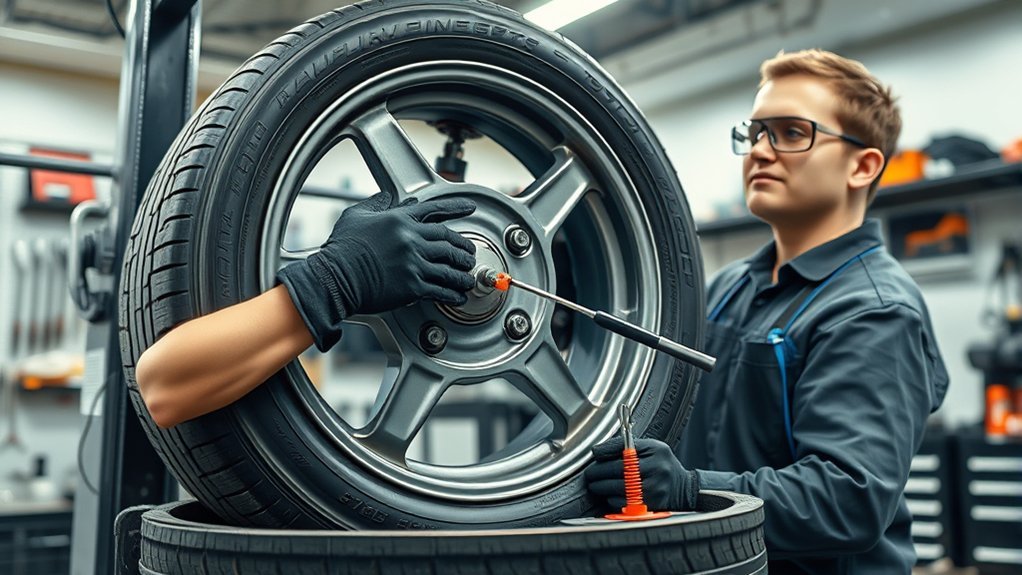
A tire changer is a machine that removes and installs a tire by holding the wheel steady while tools guide the tire bead over the rim. The main parts are the bead breaker, turntable or center clamp, mount/demount head, clamps or cones, inflation system, foot pedals, and assist arms on more advanced machines.
The bead breaker pushes the tire bead out of the rim’s bead seat. The turntable or center clamp holds the wheel. The mount/demount head guides the tire bead over the rim lip during removal and installation. A lever bar or assist arm helps control stiff sidewalls without prying directly against the wheel face.
Before using any tire changer, read the machine manual and check that the air supply, clamps, pedal controls, bead breaker pads, duckhead protectors, and inflation hose are in good working condition. Manufacturer manuals, including tire changer manuals from Snap-on Equipment, stress that the operator must understand the tires, wheels, machine controls, and safe service procedures before starting.
[Products Worth Considering]

This VEVOR tire bead breaker uses a slide-hammer impact and wedge tip to separate tire beads from rims quickly and efficiently without damaging hub surfaces. The long handle and sturdy steel construction help reduce user strain while providing reliable, portable tire changing for cars, trucks, and more. Ideal for home mechanics and repair shops handling multiple vehicle tire sizes.

This 4-in-1 tire valve core removal tool helps you deflate, unblock, and remove or install valve cores quickly for easier tire repair. The multifunction design also supports re-taping damaged threads and reaming inside the valve stem for smoother service. Included as a 2-pack, it’s compact for convenient carry and works for cars, bicycles, and motorcycles.

This multi-function tire valve stem removal tool set makes it fast to remove, install, bleed, and clean valve cores for easier tire maintenance. It includes valve core removers, a 4-way spool tool, replacement valve caps, and spare cores to handle replacements and repairs with confidence. Universal compatibility suits cars, trucks, motorcycles, bicycles, and more for roadside convenience.
Choose the Right Tire Changer
Choose a tire changer that matches the vehicles and wheel assemblies you service. A small manual machine may work for lawn, ATV, or simple steel wheels, but it is not the right tool for stiff low-profile tires, run-flats, expensive alloy wheels, or heavy-duty applications.
For regular passenger and light-truck work, check these points before you start:
- Wheel diameter and width: confirm the machine’s published capacity covers the wheel.
- Clamp style: use inside or outside clamping based on the rim design and machine instructions.
- Rim protection: use plastic protectors, coated tools, and correct clamp pads on alloy or painted wheels.
- Tire type: low-profile, run-flat, and stiff performance tires often need assist arms or leverless equipment.
- Workspace: leave room around the bead breaker, turntable, and inflation area so you are not leaning over the assembly.
Note: Do not assume every wheel can be handled the same way. Custom wheels, reverse-drop-center wheels, no-drop-center wheels, split rims, and motorcycle wheels can require different procedures or different equipment.
Prep the Tire and Wheel
Good prep prevents most tire changer problems. Start by cleaning the tire and rim so dirt, brake dust, old bead sealer, and corrosion do not interfere with clamping or bead sealing.
- Inspect the rim. Look for cracks, bends, severe corrosion, damaged bead seats, sharp edges, or previous repairs. Do not mount a tire on a damaged rim.
- Check tire and wheel size. Confirm that the tire size matches the rim diameter and the vehicle’s required size, load rating, and speed rating.
- Remove the valve cap and valve core. Use a valve core tool and let all air escape.
- Confirm full deflation. Never break a bead or demount a tire that still contains air pressure.
- Remove old wheel weights if needed. Clip-on weights can interfere with the mount/demount head or scratch the rim.
- Set tools within reach. Keep lubricant, lever bar, valve service parts, pressure gauge, and leak-check solution nearby.
Pro Tip: Replace rubber snap-in valve stems when mounting new tires unless the vehicle uses a serviceable TPMS valve stem that is being inspected and reused according to the vehicle or sensor manufacturer’s procedure.
Break the Bead Safely
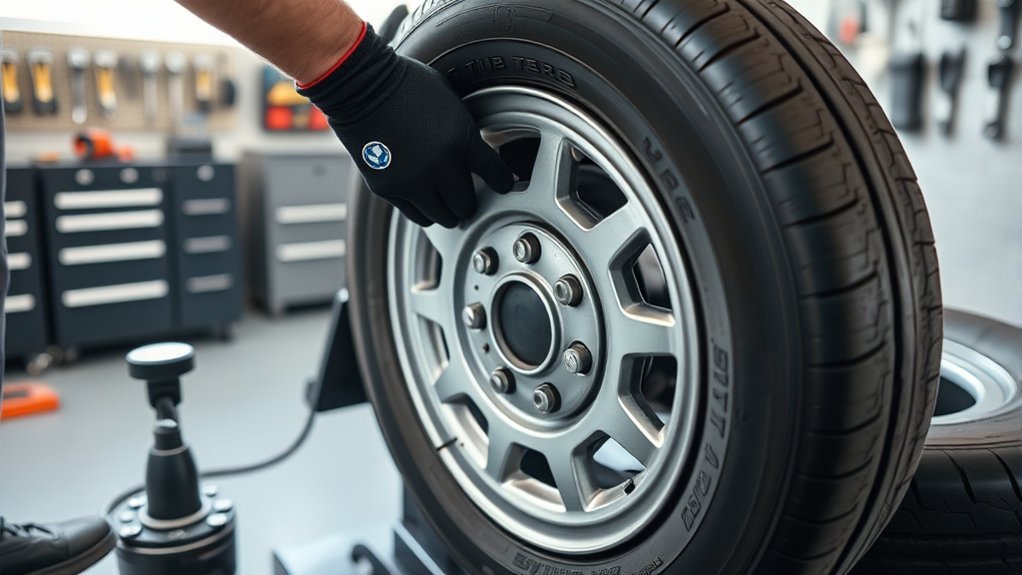
With the valve core removed and the tire fully deflated, position the wheel at the bead breaker. Keep your hands, knees, and face away from the bead breaker shoe and sidewall path.
- Place the tire upright against the bead breaker pad.
- Position the bead breaker shoe close to the rim lip without contacting or gouging the wheel.
- Apply steady pressure until the bead separates from the bead seat.
- Rotate the wheel and repeat until the bead is loose all the way around.
- Turn the wheel over and repeat the process on the opposite bead.
If the wheel has a tire pressure monitoring system, protect it. Many TPMS sensors sit near the valve stem, while some performance wheels place a sensor elsewhere on the rim. BendPak Ranger’s tire changer guidance recommends keeping the sensor away from the bead-breaking force and positioning it carefully during demounting and mounting. When in doubt, stop and check the vehicle or sensor service information.
Clamp the Wheel Securely
After both beads are broken, center the wheel on the turntable or center-clamp system. A crooked or loose setup can scratch the rim, bind the tire bead, damage the bead, or let the wheel shift under load.
Proper Clamp Placement
Use the clamping method recommended by the machine manual and appropriate for the wheel. Inside clamping may protect the outer face of some rims, while outside clamping may be better for others. Clamp only where the machine is designed to grip.
| Check | Action | Why It Matters |
|---|---|---|
| Centering | Align the wheel squarely on the turntable. | Reduces wobble and bead binding. |
| Clamp type | Match inside or outside clamping to the wheel design. | Protects the rim and improves grip. |
| Clamp force | Tighten firmly, but do not overdrive the jaws. | Prevents slipping without deforming or marking the rim. |
| Jaw condition | Inspect pads and protectors for wear. | Worn hardware can scratch wheels or lose grip. |
Set the Mount/Demount Head
Move the mount/demount head into position and lock it with a small clearance from the rim. The tool should guide the bead, not grind against the wheel. On many machines, plastic protectors or coated heads help protect alloy wheels.
Before rotating the turntable, pull gently on the tire and wheel to confirm the assembly is secure. If the wheel shifts, stop and reclamp it.
Remove the Tire Without Damage
Once the wheel is clamped and both beads are loose, lubricate the upper bead and rim edge with approved tire mounting lubricant. Do not use petroleum grease, silicone, antifreeze, flammable aerosols, or starter fluid. The U.S. Tire Manufacturers Association warns against petroleum-based lubricants and flammable or volatile bead-seating aids.
Lift the Upper Bead
- Place the bead over the mount/demount head using the lever bar or assist arm.
- Keep the opposite side of the bead down in the wheel’s drop center so the bead has room to move.
- Rotate the turntable slowly and let the machine guide the bead over the rim lip.
- Stop immediately if the bead binds, the tire stretches excessively, or the tool contacts the rim.
Remove the Lower Bead
After the upper bead is off, repeat the process for the lower bead. Lubricate as needed, keep the bead in the drop center, and rotate the machine slowly. Do not pry aggressively against the rim; controlled positioning works better than force.
Inspect Before Mounting the New Tire
With the old tire removed, inspect the rim again. Clean the bead seat area, check for corrosion or cracks, and remove old rubber, dirt, and bead sealer. If the rim is bent, cracked, badly corroded, or mismatched to the tire, stop and replace or repair the wheel before mounting a tire.
Mount the New Tire
Before mounting, confirm the new tire is the correct size and direction. Directional tires have arrows showing rotation direction. Asymmetric tires usually have “outside” and “inside” sidewall markings. Match these markings before the first bead goes on the rim.
- Lubricate both beads. Use approved tire mounting lubricant on the tire beads and rim bead seats.
- Position the tire at an angle. Set the lower bead under the mount head and into the drop center.
- Rotate slowly. Let the turntable roll the lower bead onto the rim.
- Mount the upper bead. Keep the bead opposite the tool pressed into the drop center to reduce stress.
- Watch the TPMS sensor. Keep the sensor away from the highest stress point near the tool and follow vehicle-specific guidance.
If the tire becomes tight, stop. Add lubricant, reposition the bead in the drop center, and use assist arms if the machine has them. Forcing a stiff bead can tear the bead bundle or damage the rim.
[Products Worth Considering]

Camco Trailer Aid Plus tandem tire ramp lifts your trailer for quick, safe tire changes with ample clearance from its 5 1/2-inch lift. It helps you change a flat tire without unloading cargo, making roadside and routine maintenance more efficient. The heavy-duty, waterproof and rustproof polymer design supports up to 15,000 lb and is built for easy portability and storage.

Universal magnetic jack pad with aluminum grooved design to protect vehicle pinch welds during lifting. Durable nylon pad inserts are upgraded and secured with screws to resist damage and keep in place. Designed to fit most single vehicle pinpoint welds for safer, stable jacking when changing tires, repairs, or performing oil changes.
Inflate and Seat the Bead
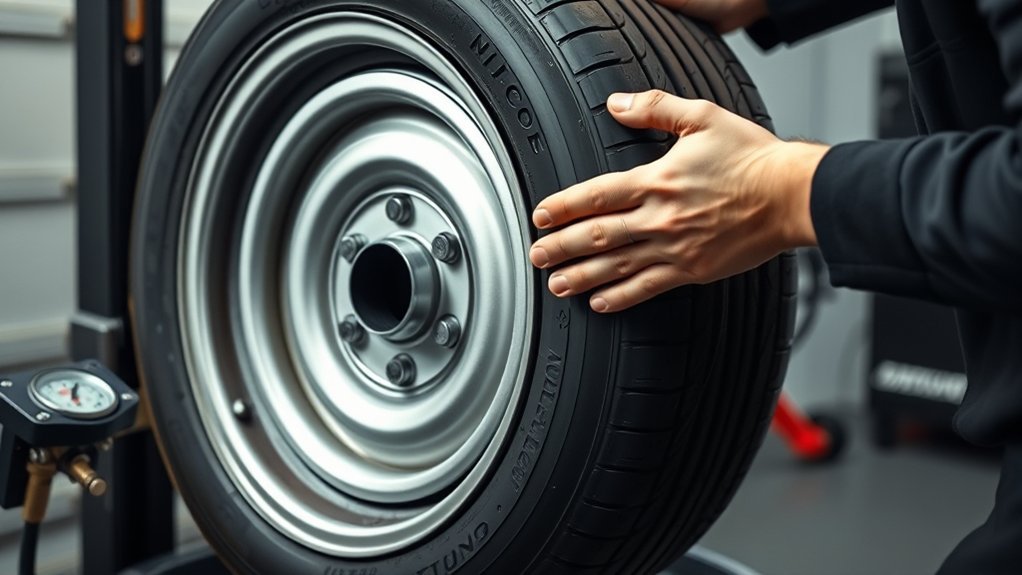
Inflation is the highest-risk part of the job because an inflated tire and wheel assembly stores a large amount of energy. Keep your body out of the trajectory path and never lean over the tire while adding air.
Seat the Bead
Attach the inflation hose to the valve stem and add air slowly. Watch both beads as they move toward the rim flanges. You may hear a pop as a bead seats, but do not rely on sound alone. The USTMA warns that technicians should inspect both sides of the tire to confirm the beads are evenly seated.
Warning: Follow the tire manufacturer’s maximum bead-seating pressure. If no lower limit is given, do not exceed 40 psi to seat the beads. If both beads are not seated by that point, completely deflate the tire, reposition it, relubricate the beads, and try again. Do not keep adding pressure.
Inflate Safely
Once both beads are fully seated and visually even, adjust the tire to the vehicle manufacturer’s recommended cold inflation pressure. Use the tire information placard or owner’s manual, not a generic pressure range and not the maximum pressure molded on the tire sidewall. NHTSA’s TireWise tire safety guidance explains that the vehicle placard or certification label gives the recommended cold inflation pressure.
Install the valve core if it was removed for seating, inflate to the correct pressure, install the valve cap, and check the bead and valve area for leaks with leak-check solution. If bubbles form, deflate and correct the problem before the wheel goes back on the vehicle.
A bead-seating pop is only a clue, not proof. Always inspect both bead seats and verify pressure with a gauge before releasing the wheel.
Safety Tips for Tire Changer Use
- Wear PPE. Use safety glasses and mechanic’s gloves before handling the wheel or machine.
- Deflate first. Remove the valve core and personally confirm all air is out before bead breaking or demounting.
- Stay clear of pinch points. Keep hands away from rollers, bead breaker arms, clamps, turntables, and the mount head.
- Use the right lubricant. Use approved tire mounting lubricant only; never use flammable sprays, starter fluid, gasoline, petroleum grease, or silicone products.
- Respect wheel limits. Do not attempt split rims, damaged wheels, no-drop-center wheels, or heavy-duty assemblies without the correct training and restraining equipment.
- Inspect after mounting. Check bead seating, valve leaks, final pressure, TPMS function, and balance before the vehicle is driven.
Troubleshooting Tire Changer Problems
| Problem | Likely Cause | Safe Fix |
|---|---|---|
| Bead will not break | Stuck bead, corrosion, wrong bead breaker position, or air still in tire | Confirm full deflation, reposition the shoe, rotate the wheel, and apply steady pressure. |
| Wheel slips on turntable | Wrong clamp setting, dirty rim, worn jaws, or poor centering | Stop, reclamp, clean contact points, and inspect clamp pads before continuing. |
| Bead tears or stretches | Too little lubricant, bead not in drop center, or excessive force | Deflate, relubricate, reposition the bead, and use assist arms or the correct machine. |
| Bead will not seat | Dry beads, off-center tire, dirty rim, or stiff sidewall | Deflate completely, clean, relubricate, reposition, and reinflate without exceeding the bead-seating limit. |
| Slow leak after mounting | Dirty bead seat, damaged valve stem, bent rim, or uneven bead seating | Use leak-check solution, deflate, correct the leak source, and remount if needed. |
| TPMS warning after service | Sensor damage, low pressure, missing relearn, or valve service issue | Check tire pressure, inspect the sensor/valve, and perform the vehicle’s TPMS relearn procedure. |
Common Tire Changer Mistakes
Most tire changer mistakes come from rushing setup or using force instead of positioning. Avoid these errors:
- Breaking the bead before full deflation. Always remove the valve core first.
- Clamping the wheel crooked. A crooked wheel can bind the bead and scratch the rim.
- Using the wrong lubricant. Use tire mounting lubricant, not grease or flammable aids.
- Letting the bead ride outside the drop center. This makes the tire feel too tight and can damage the bead.
- Ignoring TPMS sensors. A careless bead breaker or tool position can break the sensor.
- Overinflating to force the bead to seat. If the bead will not seat by the safe limit, deflate, reposition, relubricate, and retry.
- Skipping the leak check. A tire can look mounted correctly and still leak at the bead or valve.
- Skipping balancing. After mounting a tire, balance the wheel assembly before driving at road speed.
Frequently Asked Questions
What is the 3 rule for tires?
There is no single official “3 rule” that applies to every tire service job. For everyday tire safety, a useful three-part check is pressure, tread, and condition. Use the vehicle placard for cold inflation pressure, check tread depth and wear patterns, and inspect for cuts, bulges, cracking, punctures, or rim damage before mounting or driving.
What is the procedure for changing a tire on a tire changer?
Remove the valve core and fully deflate the tire, break both beads, clamp the wheel securely, lubricate the beads, use the mount/demount head to remove the old tire, inspect and clean the rim, mount the new tire, seat both beads with controlled air pressure, check for leaks, set final pressure, and balance the wheel.
What are the most common problems with tire changers?
Common problems include poor clamping, bead damage, bead seating failure, rim scratches, TPMS damage, air leaks, and worn machine parts. Most come from dirty rims, wrong clamp settings, too little lubricant, rushing the bead into place, or exceeding safe inflation pressure.
Can I use a DIY tire changer at home?
Yes, but only for wheel and tire assemblies the tool is designed to handle. A basic manual tire changer may work for simple steel wheels, small tires, or lawn equipment, but it is not ideal for low-profile tires, expensive alloy wheels, run-flats, TPMS-equipped wheels, or heavy-duty rims. When the wheel is valuable, damaged, unusual, or difficult to seat, use a professional tire shop.
What pressure should I use after the bead seats?
After both beads are seated and inspected, set the tire to the vehicle manufacturer’s recommended cold inflation pressure. That pressure is listed on the tire information placard or in the owner’s manual. Do not use the sidewall maximum as the normal operating pressure unless the vehicle manufacturer specifically calls for it.
What should I do if the bead will not seat?
Stop adding air. Completely deflate the tire, reposition it on the rim, apply more approved tire lubricant, check that both beads are centered, and reinflate slowly. If the bead still will not seat by the tire manufacturer’s limit, or by 40 psi when no lower limit is provided, stop and get professional help.
Conclusion
A tire changer makes tire removal and installation faster, but it does not remove the need for careful setup. Match the machine to the wheel, fully deflate the tire, break both beads, clamp the wheel securely, lubricate correctly, keep the bead in the drop center, and inflate slowly while staying out of the danger path. If the bead will not seat safely, stop, deflate, reposition, relubricate, and try again rather than forcing it with more pressure. Do the job methodically, and you will protect the tire, the wheel, the machine, and yourself.
Sources
- U.S. Tire Manufacturers Association — Proper Tire Mounting of Low Aspect Ratio, High Performance Passenger and Light Truck Tires — bead seating pressure, visual bead inspection, and relubrication guidance.
- U.S. Tire Manufacturers Association — Demounting and Mounting Procedures for Motorcycle Tires — safe inflation principles, approved lubricant cautions, and bead seating warnings.
- OSHA 29 CFR 1910.177 — Servicing Multi-Piece and Single-Piece Rim Wheels — training, restraining device, and rim-wheel safety concepts for covered large-vehicle wheel service.
- BendPak Ranger R980 Tire Changer Manual — tire changer workflow, deflation sequence, bead breaking, clamping, and TPMS handling guidance.
- Snap-on Equipment Tire Changer Operation Manual — operator training and general tire changer safety responsibilities.
- NHTSA TireWise — vehicle placard guidance for recommended cold tire inflation pressure.

Related Articles
How to Use a Tire Spoon: Pro Technique for Mounting Tires
Careful technique makes tire mounting easier, but the real pro trick for using a tire spoon starts with one overlooked step.
Read More
How to Unmount a Tire: Tools, Steps & Pro Tips for Clean Removal
Start unmounting a tire with the right tools and pro tricks, then discover the cleanest way to avoid costly damage.
Read More
How to Tie a Tire Swing: Safe Knot & Hanging Guide
D**iscover the safest knot, rope, and branch choices for a tire swing, plus expert tips that could prevent a dangerous mistake.
Read More