
How to Read a Tire Sidewall on a Toyota RAV4: A Visual Guide
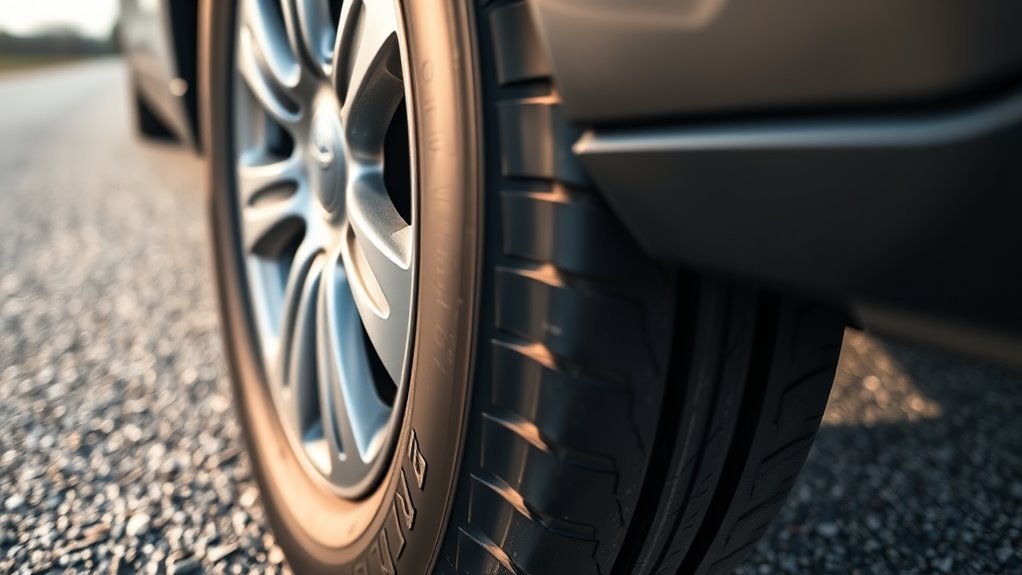
Understanding the tire sidewall on your Toyota RAV4 helps you choose the right replacement tires, spot aging issues, and keep the SUV driving safely. The numbers and symbols printed on the sidewall tell you the tire size, construction, load capacity, speed rating, weather capability, DOT Tire Identification Number, and more. Once you know how to read them, a code like 225/65R17 102H becomes a useful safety checklist instead of a confusing string of letters and numbers.
Quick Answer
To read a Toyota RAV4 tire sidewall, start with the tire size, such as 225/65R17. That means 225 mm wide, 65% aspect ratio, radial construction, and a 17-inch wheel. Then check the load index, speed rating, M+S or 3PMSF weather symbols, and the DOT date code.
Key Takeaways
- Always match the tire size and service description listed on your RAV4’s driver-side door-jamb Tire and Loading Information label.
- The load index tells you how much weight each tire can carry; the speed rating tells you the tire’s tested maximum speed capability under proper conditions.
- The DOT Tire Identification Number shows the tire’s manufacturing week and year, which matters because tires age even when tread depth looks good.
- M+S means mud and snow capability, but the three-peak mountain snowflake symbol is the stronger sign of severe-snow winter performance.
At a Glance
| Time Required | 5–10 minutes |
| Difficulty | Easy |
| Tools Needed | Flashlight, tire pressure gauge, and your RAV4’s door-jamb tire label |
| Cost | Free, unless you need a tire gauge |
Understanding Tire Size: What the Numbers Mean
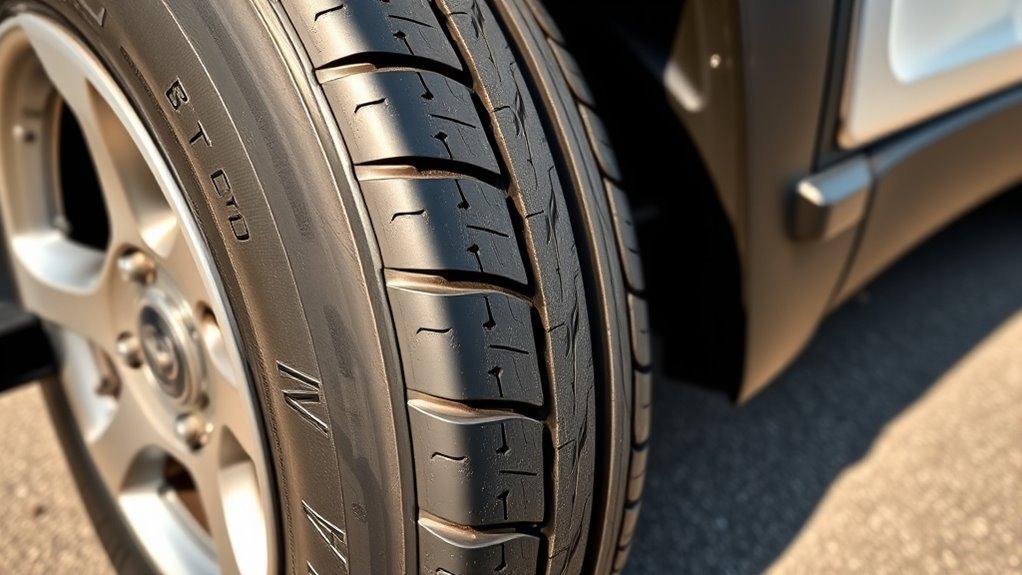
The tire size is usually the easiest sidewall marking to recognize. A common RAV4 tire size may look like 225/65R17, although the exact size depends on your model year and trim. Always confirm your exact size on the Tire and Loading Information label on the driver-side door jamb or in your owner’s manual.
- 225 is the tire’s section width in millimeters, measured from sidewall to sidewall.
- 65 is the aspect ratio. It means the sidewall height is 65% of the tire’s width.
- R means radial construction, the standard construction type for modern passenger vehicles.
- 17 is the wheel diameter in inches. This tire must be mounted on a 17-inch wheel.
Some RAV4 trims use 17-inch tires, while others use 18-inch or 19-inch tires. For example, late-model RAV4 trims commonly use sizes such as 225/65R17, 225/60R18, or 235/55R19. Do not guess based on another RAV4 you saw online, because wheel size, trim, hybrid configuration, and market can change the correct fit.
Warning: Do not replace your RAV4 tires with a different size unless the size is approved for your vehicle. A wrong tire diameter can affect handling, braking, clearance, AWD operation, odometer readings, and speedometer accuracy.
[Products Worth Considering]

The JACO FlowPro Tire Inflator measures, inflates, and airs down tires up to 100 PSI with battery-free operation and ±2% accuracy after calibration. It features a glowing pressure dial for night visibility, a heavy-duty steel build with a hybrid hose, and a precision push-to-inflate thumb trigger. The patented Lightning Air Chuck locks on for a secure seal, and the kit includes quick-connect hardware for easy inline use with your air compressor.

Upgrade your tires with a set of four aluminum valve stem covers designed to protect the valve from wear and help keep out moisture and debris. The hermetically sealed, screw-in caps are corrosion resistant and provide an attractive, long-lasting anodized finish. Suitable for many vehicle types and installs quickly for everyday convenience.

Blackline Blackout is a water-based trim and tire dressing that restores rubber, vinyl, and plastic with a rich satin, blackout look. Its no-sling formula dries quickly and helps prevent messy transfer onto paint. The coating repels water and offers UV protection to help prevent fading, cracking, and discoloration for a clean, long-lasting finish.
Decoding Load Index and Speed Rating for Safety
After the tire size, you will usually see a number and letter such as 102H. This is the tire’s service description. The number is the load index, and the letter is the speed rating.
| Sidewall Code | What It Means | Why It Matters |
|---|---|---|
| 102 | Load index | Shows the maximum load the tire can carry when properly inflated |
| H | Speed rating | Shows the tire’s tested speed capability under proper load and inflation |
A load index of 95, for example, equals about 1,521 pounds per tire. Many RAV4 tire sizes use higher load indexes, such as 100, 101, or 102, depending on the exact tire. The important rule is simple: choose replacement tires that match or exceed the load index recommended for your RAV4.
Speed ratings are shown as letters. Common passenger-vehicle examples include T for up to 118 mph and H for up to 130 mph under controlled test conditions. This does not mean you should drive at those speeds. It means the tire was designed and tested for that rating when properly inflated and loaded.
Note: When replacing tires, match the size, load index, and speed rating shown on your RAV4’s placard or owner’s manual. Going below the recommended load or speed rating can reduce safety margins.
How Tire Construction Affects Performance
Your tire’s construction affects ride comfort, steering response, traction, heat resistance, and tread life. Most Toyota RAV4 tires are radial tires, marked with the letter R in the size code. Radial tires use internal plies that run across the tire with stabilizing belts under the tread, which helps improve stability and tread wear for everyday driving.
| Feature | Where You See It | Performance Impact |
|---|---|---|
| Radial construction | The “R” in 225/65R17 | Stable highway ride, common modern construction |
| Aspect ratio | The “65” in 225/65R17 | Higher ratios usually add sidewall cushion; lower ratios can sharpen steering response |
| Wheel diameter | The “17” in 225/65R17 | Must match the wheel diameter exactly |
| Load and speed rating | Example: 102H | Helps ensure the tire can safely support the vehicle’s weight and intended performance |
For most RAV4 drivers, the best tire is not the sportiest or biggest option. It is the tire that matches Toyota’s required size and service description while fitting your climate, road conditions, and driving style.
Understanding Tire Symbols and Their Importance
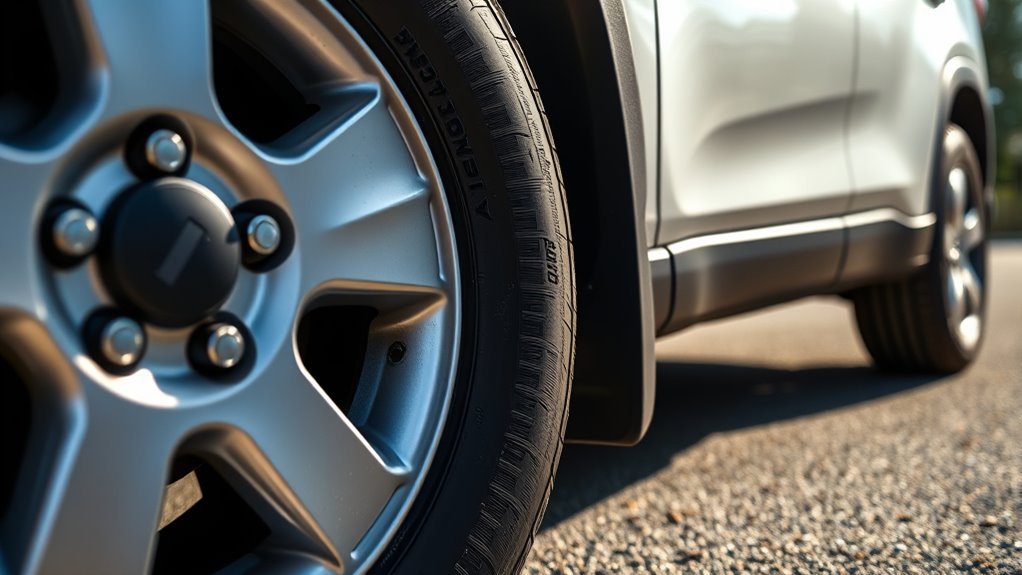
The sidewall includes more than size and speed information. It also shows weather symbols, tire type, manufacturing details, treadwear information, traction grade, temperature grade, and maximum inflation and load information.
Key Tire Symbols Explained
- M+S, M/S, or M&S: Means the tire is rated by the manufacturer for mud and snow use. This is common on many all-season tires.
- Three-peak mountain snowflake (3PMSF): Indicates the tire meets a severe-snow traction performance requirement. This is the symbol to look for if you regularly drive in snow or icy winter conditions.
- DOT: Marks the U.S. Department of Transportation Tire Identification Number, which includes the tire’s manufacturing date code.
- UTQG: Shows treadwear, traction, and temperature grades for many passenger tires sold in the United States.
- Max pressure: Shows the tire’s maximum inflation pressure, not the recommended pressure for your RAV4.
Pro Tip: Use the pressure on the RAV4’s door-jamb label, not the “max pressure” molded into the tire sidewall. The sidewall number is a tire limit; the door-jamb number is the vehicle recommendation.
Importance of Sidewall Markings
Sidewall markings help you avoid buying a tire that fits the wheel but does not meet the vehicle’s needs. Two tires can both say 225/65R17 and still have different load ratings, speed ratings, tread designs, weather performance, and warranties.
These markings also help with maintenance. The DOT date tells you the tire’s age. The treadwear indicators show when tread is worn to the legal minimum. The load and inflation markings remind you not to overload the vehicle or run tires underinflated.
NHTSA reports that tires were involved in 511 U.S. motor vehicle traffic fatalities in 2024, which is why tire size, pressure, tread, age, and condition should never be treated as small details.
Decoding the DOT Code for Tire Safety
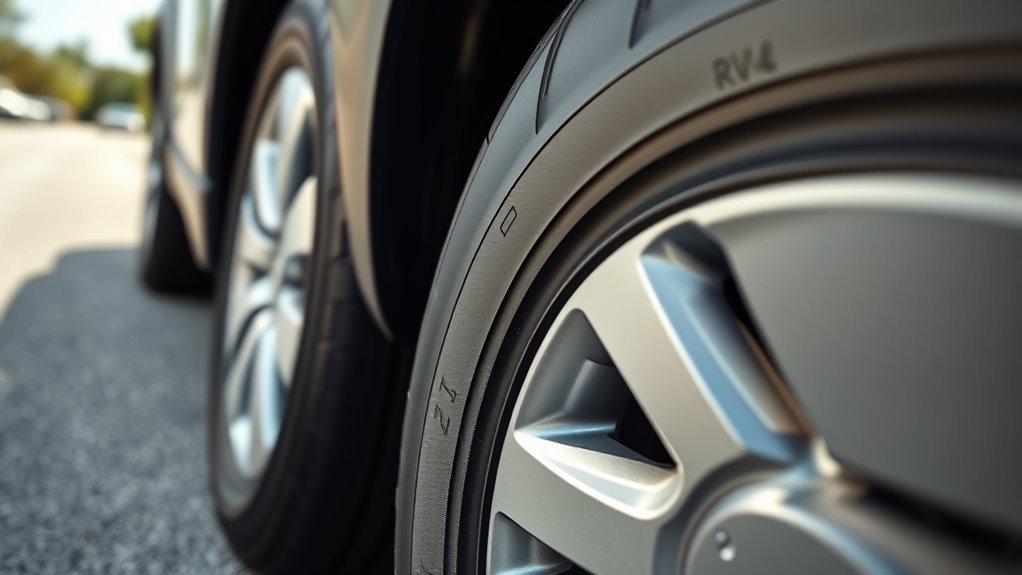
The DOT Tire Identification Number, often called the DOT code, is one of the most important markings on the tire. It may appear on only one sidewall, so you may need to check both sides of the tire.
[Products Worth Considering]

These universal tire valve stem caps help protect your valve core from dust, debris, moisture, and corrosion, supporting more stable tire pressure. The aluminum alloy design resists long-term wear, while the sealing construction helps help prevent air leakage. They twist on easily for quick installation and help safeguard driving safety across cars, SUVs, trucks, and motorcycles.

These universal aluminum tire valve stem caps help protect valve cores from corrosion caused by dirt, water, and snow while helping prevent air leaks to maintain steady tire pressure. They’re easy to install with a simple screw-on fit and are suitable for cars, SUVs, trucks, bicycles, motorcycles, and other vehicles. The stylish black caps add a clean, standout look to your wheels while supporting reliable long-term performance.
Understanding DOT Code Structure
The full DOT code begins with the letters DOT, followed by plant, size, and manufacturer information. The part most drivers need is the final four digits. For tires made in 2000 or later, those last four digits show the week and year the tire was manufactured.
- 1223 means the tire was made in the 12th week of 2023.
- 0324 means the tire was made in the 3rd week of 2024.
- 4519 means the tire was made in the 45th week of 2019.
If the tire is mounted so the full DOT code faces inward, ask a tire shop to check it during rotation or inspection. This is especially important when buying used tires or checking a spare that may look new but be old.
Importance of Tire Age
Tires age because rubber and other materials change over time due to heat, sunlight, storage conditions, inflation pressure, load, road impacts, and general use. A tire can age out before it wears out, especially on low-mileage vehicles and spare tires.
NHTSA says some vehicle and tire manufacturers recommend replacing tires that are six to 10 years old, regardless of treadwear. That does not mean every tire is automatically safe until year six or unsafe the day it turns six. It means age should be part of your inspection plan, along with cracks, bulges, tread depth, air loss, vibration, and uneven wear.
Warning: Replace any tire with sidewall cracks, bulges, exposed cords, repeated air loss, impact damage, or tread worn to 2/32 inch. Do not rely on tread depth alone when the tire is old or damaged.
Understanding Aspect Ratio and Its Impact on Performance
The aspect ratio is the second number in the tire size. In 225/65R17, the aspect ratio is 65, which means the sidewall height is 65% of the tire width. In 235/55R19, the sidewall is shorter because the aspect ratio is 55% of the tire width.
A taller sidewall can help absorb bumps and road imperfections, which often improves ride comfort. A shorter sidewall can feel more responsive in steering and cornering, but it may ride firmer and offer less cushion over potholes. That is why larger-wheel RAV4 trims can feel slightly different from smaller-wheel trims even when both use Toyota-approved tire sizes.
Changing aspect ratio without keeping the overall tire diameter close to the factory specification can create problems. It may affect wheel-well clearance, speedometer accuracy, ABS and stability-control behavior, and AWD system operation. If you want a different wheel or tire size, use a Toyota-approved option or ask a qualified tire professional to confirm fitment.
How to Pick the Perfect Tires for Your RAV4
Choosing the right Toyota RAV4 tires starts with the vehicle, not the tire rack. Open the driver’s door and read the Tire and Loading Information label. That label gives the original tire size and the recommended cold tire inflation pressure for your specific vehicle.
- Match the size first. Use the tire size shown on your RAV4’s door-jamb placard or owner’s manual.
- Match or exceed the load index. Never choose a tire with a lower load capacity than Toyota recommends.
- Match the speed rating. Choose a rating that meets or exceeds the original requirement unless Toyota or a tire professional approves a specific seasonal exception.
- Choose the right season type. All-season tires suit many drivers, but winter tires with the 3PMSF symbol are better for regular snow and ice.
- Consider your driving style. Highway commuters may prioritize quiet ride and long tread life; off-pavement drivers may need stronger all-terrain tread and sidewall protection.
- Replace in sets when possible. On AWD RAV4 models, matching tire size, type, brand, and tread depth helps protect drivetrain operation.
Common RAV4 Tire Types
| Tire Type | Best For | What to Know |
|---|---|---|
| Touring all-season | Daily commuting and highway comfort | Usually quiet, efficient, and long-lasting |
| All-weather | Drivers who want year-round use with better winter ability | Look for the 3PMSF symbol |
| Winter | Regular snow, ice, and cold-weather driving | Best used as a seasonal set |
| All-terrain | Gravel roads, light trails, and rugged use | May add road noise and reduce fuel economy |
Monthly Tire Maintenance Checklist
Reading the sidewall is only part of tire care. NHTSA recommends checking tire pressure monthly with an accurate gauge, even if your RAV4 has TPMS. TPMS is helpful, but it is not a substitute for routine maintenance.
- Check pressure when tires are cold, meaning the vehicle has been parked for at least three hours.
- Inspect all four tires and the spare, if equipped.
- Look for cuts, cracks, nails, bulges, bubbles, and uneven wear.
- Check tread depth and treadwear indicators.
- Rotate tires according to the maintenance schedule or sooner if uneven wear appears.
- Have vibration, pulling, repeated pressure loss, or irregular wear inspected promptly.
Frequently Asked Questions
Does Toyota RAV4 tell you which tire is low?
It depends on the model year, trim, market, and display features. Toyota’s TPMS will warn you when one or more tires are significantly underinflated. Some newer RAV4 models or connected-app features may show individual tire pressure readings, but a warning light alone does not always identify the exact tire. Check all tires with a gauge.
How do I read a RAV4 tire size?
Use the code on the sidewall. In 225/65R17, 225 is the width in millimeters, 65 is the aspect ratio, R means radial construction, and 17 means the tire fits a 17-inch wheel. The number and letter after the size, such as 102H, show load index and speed rating.
What is written on the sidewall of a tire?
A tire sidewall usually shows the tire size, load index, speed rating, DOT Tire Identification Number, manufacturing date code, maximum load, maximum inflation pressure, construction details, weather symbols, treadwear grade, traction grade, and temperature grade.
Where do I find the correct tire size for my Toyota RAV4?
The most reliable place is the Tire and Loading Information label on the driver-side door jamb. You can also check your Toyota owner’s manual. The tire currently mounted on the vehicle may not be correct if a previous owner installed the wrong size.
What does the DOT date code mean on a tire?
For tires made in 2000 or later, the last four digits of the DOT Tire Identification Number show the week and year of manufacture. For example, 1223 means the tire was made in the 12th week of 2023.
Is M+S the same as a winter tire rating?
No. M+S means mud and snow capability, but it does not always mean the tire is ideal for severe winter driving. For better snow performance, look for the three-peak mountain snowflake symbol, often shortened to 3PMSF.
Conclusion
Reading your Toyota RAV4 tire sidewall is a simple skill that protects your safety, comfort, and wallet. Start with the tire size, confirm the load index and speed rating, check weather symbols, and decode the DOT date code. Then compare everything with the driver-side door-jamb label before buying replacements. The right tire is not just one that fits the wheel; it is one that matches your RAV4’s required specifications and the roads you drive every day.
Sources
- NHTSA TireWise: Tires — tire pressure, tread depth, tire aging, DOT date code, TPMS, and replacement guidance.
- Toyota Support: How the Tire Pressure Monitor System Works — Toyota TPMS warning behavior and low-pressure guidance.
- Toyota Owners: 2024 RAV4 Hybrid Tire Information — Toyota tire sidewall symbols and Tire Identification Number reference.
- U.S. Tire Manufacturers Association: Tire Facts — tire service life, tire age, storage, maintenance, and DOT manufacturing date explanation.
- Michelin: Tire Load Rating and Speed Rating — load index and speed rating definitions for replacement tire selection.

Related Articles

Toyota RAV4 TPMS Reset: Easy Steps That Work
Unlock the secrets to resetting your Toyota RAV4's TPMS effortlessly—discover the essential steps to ensure your tires are always safe.
Read More
Toyota RAV4 Tire Rotation: DIY Steps & Pattern
Take control of your Toyota RAV4's tire maintenance with our simple DIY rotation guide—discover the best steps for optimal performance and longevity!
Read More
Mix Tire Brands on a Toyota RAV4? Expert Guide
Keeping your RAV4 safe? Learn when mixing tire brands risks traction, ABS/TCS and AWD damage — and what exact matches you must insist on.
Read More