
Tractor Inner Tube Size Guide: 5 Fitment Checks
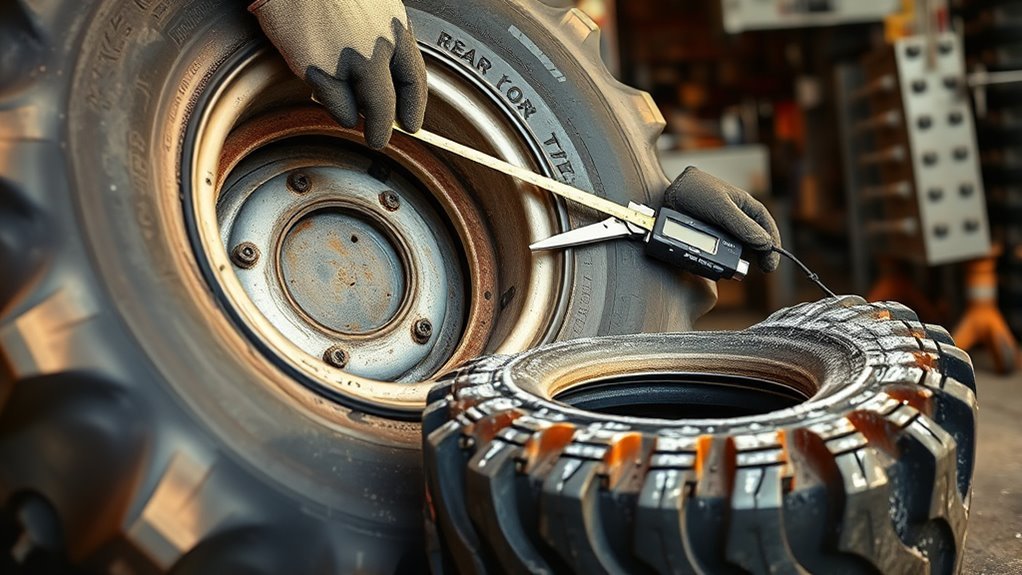
A tractor tube that almost fits can still fail under load, leak at the valve, or pinch during mounting. The safest choice starts with the tire sidewall, rim diameter, rim hole size, and the pressure range your equipment needs. Use this guide to match tube size, valve stem, and installation steps so your tractor tire seats well and holds air.
Quick Answer
Choose an inner tube by matching the tire’s rim diameter and width range first. Then match the valve stem to the rim hole and pressure needs. Before installation, inspect the rim, tire bead, valve area, and tube so you avoid leaks, pinches, and early failure.
Key Takeaways
- Match the tube to the tire’s rim diameter and approved width range.
- Choose a valve stem that fits the rim hole and supports the required pressure.
- Use a tube-type tire only with a correct inner tube.
- Preinflate the tube slightly before installation to reduce pinch risk.
- Check for leaks with soapy water before you return the tire to service.
Confirm Your Tire Diameter and Rim Profile
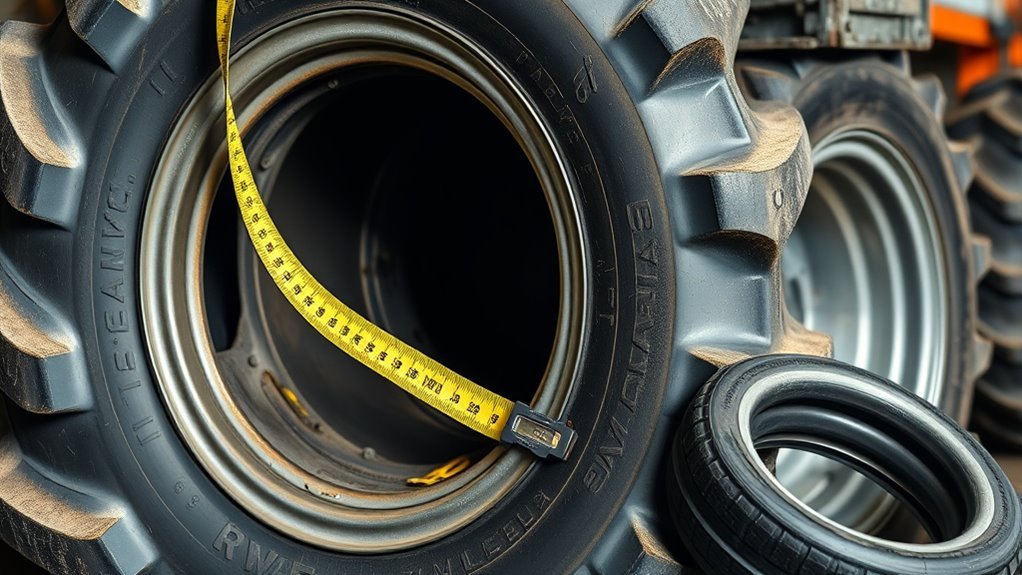
Start by confirming that the tire diameter matches the rim diameter printed on the tire sidewall. For example, a 540/65 R30 tire fits a 30-inch rim. A mismatched rim diameter can prevent safe seating and may damage the tire or tube.
Check the rim specifications next. For some 30-inch agricultural tires, the tire maker may recommend a W18L rim profile, but you should confirm the correct rim width and profile from the tire manufacturer’s chart. Measure or read rim dimensions such as interior width, flange height, and bead seat width before you buy a tube.
Inspect the rim seat, valve hole, and disc position before mounting. Dirt, rust, bends, or burrs can cut the tube or cause a slow leak. Don’t guess from tire size alone, because rim condition and rim profile both affect safe fitment.
Decide Between Tubeless and Tube-Type Tires
Your tire type affects fit, performance, and maintenance. A tubeless tractor tire can hold air without an inner tube when the rim and bead seal correctly. A tube-type tire needs an inner tube to hold air.
Choose tubeless when your tire and rim both support it and you want easier puncture repair, fewer pinch issues, and a simpler bead-seal setup. Some agricultural tubeless tires can also accept a tube when the rim condition, field use, or repair need calls for one.
Choose tube-type when the tire, rim profile, or equipment design requires a tube. This setup often helps with older wheels, worn bead seats, or specific field conditions. Match the tube and valve carefully, because the wrong parts can cause leaks or unsafe pressure loss.
Note: A tube can help some tubeless tires hold air, but it will not fix a damaged tire carcass or unsafe rim.
Match Inner Tube Size to Tire Width and Diameter
Match the inner tube size to the tire’s rim diameter and width range. The sidewall marking gives you the key numbers. A 540/65 R30 tire, for example, needs a tube rated for a 30-inch rim and a compatible tire width.
Check the tube maker’s listed size range before purchase. If the exact tube size is not available, a tube one size smaller may work in some cases, but only when the manufacturer’s size range allows it. Avoid oversizing, because loose tube folds can pinch or rub inside the tire.
Inflate the tube only enough to give it shape before installation. Many tractor tubes seat best after careful low-pressure shaping, followed by inflation to the tire and equipment specifications. Never use a general pressure range as a substitute for the tire maker’s load and inflation chart.
Tire Diameter Matching
Tire diameter matching keeps the tube aligned with the rim and valve hole. Read the tire sidewall first, then select a tube rated for the same rim diameter. A tube with the wrong diameter can stretch, fold, or fail under load.
Correct diameter matching helps maintain inflation pressure and load stability. It also reduces abnormal tire wear and steering problems during field work. Keep the tire, tube, and rim documentation together so you can verify fit before installation.
Width Compatibility Check
After you match diameter, check the tube width range against the tire’s marked width. For example, tire sizes such as 540/65 R30 or 15 x 6.00-6 include width and rim details that guide tube choice. Choose a tube that lists your tire size or covers that width range.
If the tube is too narrow, it may stretch too much and fail early. If it is too wide, it may fold and pinch during mounting. Check the tube material, valve type, and pressure rating before you install it.
Tube Sizing Tolerances
Tube sizing tolerances matter because a tube changes shape as it inflates. Match the tube to the tire exactly when you can. Use a smaller tube only when the tube maker’s chart permits it.
A smaller tube may stretch more, which can change wear patterns and stress points. A larger tube may crease inside the tire and rub through. Follow the tire maker’s inflation chart for the load, speed, and field conditions you use.
Choose the Correct Valve Stem for Your Rim Hole
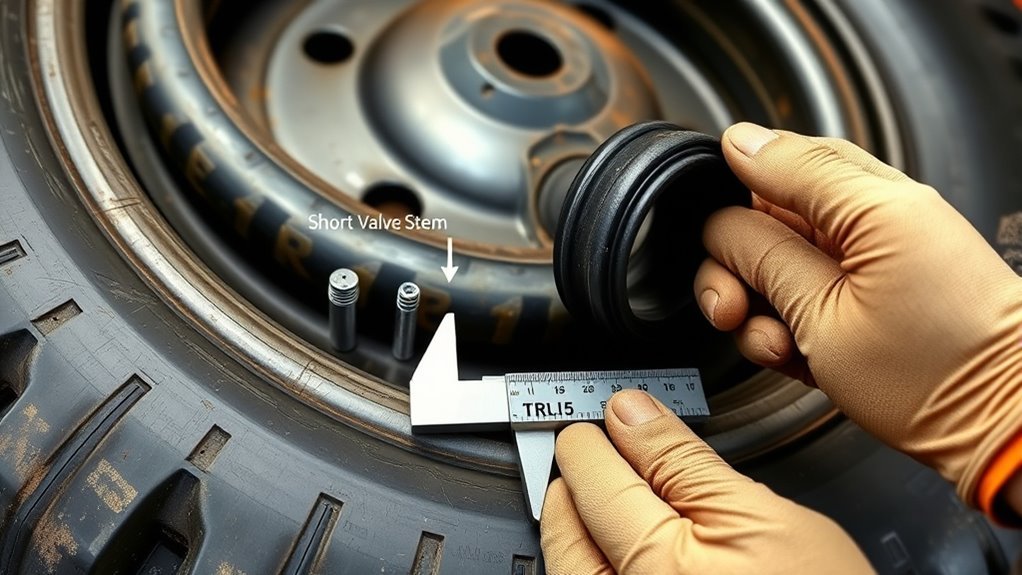
Pick a valve stem that matches the rim hole, valve base, and pressure rating. A valve that does not fit the rim hole can leak, tear the tube, or fail during inflation. Check the valve code before ordering.
Common valve options include TR13, TR15, TR300, TR218A, and TR220 styles. TR13 commonly fits smaller rim holes, while TR15 often fits larger agricultural rim holes. Some higher-pressure applications use valves such as TR300 or TR220, but you should verify the pressure rating from the tube or valve supplier.
- Measure the rim hole diameter before you choose the valve.
- Match the valve base to the rim seat and tube design.
- Choose a valve rated for the tire’s required inflation pressure.
- Confirm whether the valve needs a grommet, washer, nut, or clamp.
A correct valve stem helps the tube seal well and stay centered. It also makes inflation, pressure checks, and field repairs safer.
What You’ll Need Before Installation
Prepare the workspace before you remove the tire. A clean, level area helps you spot burrs, debris, cracks, and pinch points. Keep your tools close so you do not rush the job.
- Tire irons or tire levers sized for the wheel
- Valve stem tool and air-pressure gauge
- Low-pressure inflator or air source with control
- Soap solution for leak testing
- Clean cloth, brush, and rim-safe cleaner
- Cut-resistant gloves and eye protection
Plan enough time to work slowly. A rushed installation can pinch the tube, damage the bead, or miss a leak.
Install Inner Tubes Safely: Step-by-Step
Use a steady process to protect the tube and rim. The exact steps can vary by tire size and equipment, so follow the service manual when available. These steps cover the core process for safe tube installation.
- Clear the workspace. Place the wheel on a stable, level surface and remove debris from the work area.
- Deflate the tire fully. Remove the valve core and release all air before you break the bead.
- Break the bead carefully. Use proper tools and keep your hands clear of pinch points.
- Inspect the tire and rim. Remove rust flakes, sharp debris, stickers, thorns, or old tube fragments.
- Preinflate the tube slightly. Add just enough air to give the tube shape without stretching it.
- Position the tube inside the tire. Align the valve stem with the rim hole and keep the tube smooth.
- Reseat the bead evenly. Work around the rim in small sections and avoid sharp pry angles.
- Inflate in stages. Stop often to check bead position, valve alignment, and tube movement.
- Test for leaks. Apply soapy water around the valve, bead, rim, and any repaired areas.
Warning: Never inflate a damaged tire or unsafe rim, because stored air pressure can cause serious injury.
Prepare Tools And Workspace
Gather tire levers, a valve stem tool, an air pump, and protective gloves before you start. Use a clean, well-lit area with enough room to roll, lift, and turn the wheel safely. Good lighting helps you see bead position and tube alignment.
Lay tools on a mat or bench so you can reach them without stepping away from the wheel. Preinflate the tube to a low pressure and inspect it for cracks, defects, or valve damage. Move slowly, because one sharp tool angle can ruin a new tube.
Safe Tire Removal Techniques
Fully deflate the tire before you push down the bead. This reduces stored energy and makes the bead easier to loosen. Wear gloves and keep your hands away from pinch points.
Use tire levers with smooth edges and avoid sharp contact with the rim or tube. Remove the old tube carefully, then inspect the tire interior for cuts, bulges, thorns, wire, or debris. Clean the rim before reinstalling the tube so the new tube does not rub against rust or sharp edges.
Fix Leaks: Valve, Bead, O-Ring, and Common Issues
Check the valve, bead seating, O-rings, and tube in a clear order. Pressurize the tire to a safe test pressure, apply soapy water, and watch for steady bubbles. Bubbles show where air escapes.
- Valve leaks: Tighten or replace the valve core, then check for cracks around the stem.
- Bead leaks: Deflate, clean the rim and tire bead, then reseat the bead evenly.
- O-ring leaks: Replace worn O-rings on multi-part rims with the correct size and material.
- Tube punctures: Inspect the tube for holes, abrasions, seam failures, or valve-base damage.
Patch only minor tube damage when the patch kit and tube maker allow it. Replace the tube if damage sits near the valve, seam, or a stretched area. A new tube costs less than downtime from a repeat failure.
Common Mistakes That Cause Tube Failure
Most tube failures start with poor fit, rough rim surfaces, or rushed mounting. A tube can fail even when the tire size looks close. Check both the tire and rim before you blame the tube.
- Installing a tube that does not match the tire width or rim diameter
- Using a valve stem that does not fit the rim hole
- Mounting the tube with too little shape or too much air
- Leaving rust, burrs, thorns, or debris inside the tire
- Inflating without checking bead seating and valve alignment
Correct these issues before the tire goes back into service. Small mistakes often turn into slow leaks, pinch flats, or torn valve stems.
Where to Buy Tubes: Specs to Verify Before Purchase
Before you buy inner tubes, confirm the exact tube size, valve type, and maximum inflation pressure. Match the tube size to the tire size first. Then check whether the tire is tubeless or tube-type.
Review the valve code, rim hole size, and any sealing hardware before ordering. For example, some tubes use valves such as TR218A, while others use TR13, TR15, TR300, or similar stems. Never exceed the tube or tire pressure rating.
Buy from suppliers that show clear size charts, valve details, pressure ratings, stock condition, shipping terms, and return policies. Compare prices across reputable outlets, but do not choose a tube from price alone. A cheap tube that does not fit can damage the tire and cost more in downtime.
Frequently Asked Questions
What Is the Difference Between TR13 and TR15?
TR13 and TR15 valves differ mainly in stem size and rim-hole fit. TR13 commonly fits smaller rim holes, while TR15 commonly fits larger agricultural rim holes. Always confirm the rim hole size and pressure rating before you choose either valve.
What Does 18X8.50-8 Mean?
18×8.50-8 means the tire has about an 18-inch overall diameter, an 8.50-inch section width, and an 8-inch rim diameter. Use those numbers to choose a tube rated for the same rim diameter and width range. Check the tire sidewall and tube chart before purchase.
Can You Put a Tube in a Tubeless Tractor Tire?
You can put a tube in many tubeless tractor tires when the tire and rim condition allow it. This can help when a rim has minor bead-seal issues, but it will not make an unsafe tire safe. Inspect the tire interior first so hidden damage does not cut the tube.
Should a Tractor Tube Be the Exact Same Size as the Tire?
The tube should match the tire size or fall within the tube maker’s approved size range. An exact match gives the best fit when available. A smaller tube may work only when the manufacturer’s chart allows it.
Why Does My New Inner Tube Leak After Installation?
A new tube may leak because of a pinched section, sharp rim edge, wrong valve stem, loose valve core, or debris inside the tire. Use soapy water to find the leak location. Fix the cause before you install another tube.
Conclusion
The right tractor inner tube starts with a clear match between tire size, rim diameter, valve stem, and pressure rating. Before you install it, inspect the rim and tire so sharp edges or debris do not ruin the tube. Work in stages, test for leaks, and confirm the bead seats evenly. Careful matching and slow installation give you a safer tire, fewer field delays, and more reliable work time.

Related Articles
What Does THE P Stand For on a Tire? Full Meaning Explained
I’ll explain what the “P” on a tire really means and why it could change how you choose your next set.
Read More
How to Use a Tubeless Tire Repair Kit: Complete Field Guide
Learn how to fix tubeless tire punctures fast with the right kit, because one small mistake can leave you stranded on the trail.
Read More
How to Tell a Tire’s Diameter: Easy Guide to Reading Tire Size
Want to decode tire sidewall numbers and find the right diameter, but wonder what those hidden digits really mean?
Read More