
Best Toyota Tundra Tires for Road Trips 2026
Long highway miles can expose every weakness in a Toyota Tundra tire: road noise, vague steering, uneven wear, weak wet traction, and weak load support. The best tire for your Tundra road trips should match your exact size and load needs while giving you a comfortable ride on pavement and enough grip for gravel roads, campsites, work sites, and light snow.
This guide compares all-terrain tires that make sense for Tundra owners who split time between interstate driving and occasional rougher routes. Before buying, match the tire size, load index, speed rating, and load range to your door placard, owner’s manual, current wheel setup, and towing or payload needs.
This roundup is reader-supported. When you click through Amazon links, we may earn a referral commission on qualifying purchases.
Quick Verdict
Best overall starting point: Cooper Discoverer Road and Trail AT for a balanced mix of highway comfort, gravel grip, and everyday Tundra use.
Best value pick: Lexani Terrain Beast AT for buyers who want aggressive all-terrain styling and useful mixed-surface traction without stepping straight into a premium option.
Most rugged pick: Goodyear Wrangler Adventure Kevlar for drivers who care more about toughness, towing confidence, and rough-road durability.
Best OEM-style choice: Goodyear Wrangler Territory AT for a more familiar road feel and light all-terrain use.
Best comfort-focused option: Kumho Road Venture AT51 for road-trip buyers who want a smoother all-terrain personality.
Check Current Amazon Availability ➜
[Products Worth Considering]

These aluminum alloy tire valve stem caps with an O-ring seal help protect valve stems from corrosion while adding a clean, stylish look to your vehicle. The universal fit works across cars, trucks, motorcycles, bicycles, and more, making them an easy upgrade for everyday driving and off-road use. Installation is quick, and the included four-pack keeps all your tires dressed and protected.

The Airmoto portable tire inflator quickly and accurately fills car, truck, SUV, motorcycle, and bicycle tires up to 120 PSI with auto shut-off when your target pressure is reached. Its large LCD, multi-unit pressure display, and digital gauge make it easy to dial in settings and verify readings, while the built-in LED flashlight helps in low light. The included polyurethane hard carrying case and storage mesh pocket keep the inflator and accessories protected and organized.

These universal tire valve stem caps help protect valve cores from dust, debris, and moisture while helping maintain stable tire pressure. The corrosion-resistant metal construction and sealed design provide reliable protection in road grime, mud, and winter conditions. Twist-on installation makes them quick to fit on cars, SUVs, trucks, and motorcycles.
Top Picks
|
Category |
Product |
Best For |
Check Price |
|---|---|---|---|
|
🏆 Best Overall |
Cooper Discoverer |
Balanced highway comfort and mixed-terrain use |
|
|
💰 Best Value |
Lexani Terrain Beast |
Budget-minded all-terrain driving |
|
|
🚀 Most Rugged |
Goodyear Wrangler Kevlar |
Rougher roads, towing, and durability |
|
|
🎯 Best OEM Fit |
Goodyear Territory |
Factory-like steering feel and everyday use |
|
|
⭐ Best On-Road Comfort |
Kumho Road Venture |
Comfort-focused all-terrain road trips |
Selection Criteria
You want tires that keep long drives comfortable, predictable, and efficient while standing up to occasional off-road use and heavier truck duties. We focused on highway ride quality, noise control, wet-road confidence, all-terrain tread design, durability features, snow and gravel usefulness, value, and how well each option fits the way many Tundra owners actually drive.
Because tire specifications vary by size, always check the exact Amazon listing and your truck’s placard before ordering. A tire that works well in one size may have a different load index, load range, tread depth, winter rating, or warranty coverage in another size.
Before You Buy: Fitment Checks for a Toyota Tundra
- Match the tire size first: Use the size on your door placard or current tire sidewall unless a tire shop has confirmed a safe alternate size.
- Check load index and load range: This matters if you tow, carry tools, haul camping gear, or use your Tundra for work.
- Confirm wheel and suspension setup: Aftermarket wheels, leveling kits, lifts, and wider tires can affect rubbing, speedometer accuracy, steering feel, and ride quality.
- Choose the tread for your real route: Highway tires are usually quieter, while all-terrain tires add grip for gravel, dirt, wet grass, campsites, and light trails.
- Think about winter conditions: For regular heavy snow or ice, look for the correct winter rating or consider dedicated winter tires.
[Products Worth Considering]

Orange Seal regular formula tubeless sealant quickly seals punctures and forms a durable bond inside your tire to help reduce flats. Made with natural latex, it adheres effectively to rubber and seals from the inside out, including the critical bead-to-rim interface for a reliable ride. It seals punctures up to 1/4 inch, slices up to 3/4 inch, and performs in temperatures as low as 11°F across MTB, road, cyclocross, gravel, and e-bike applications.
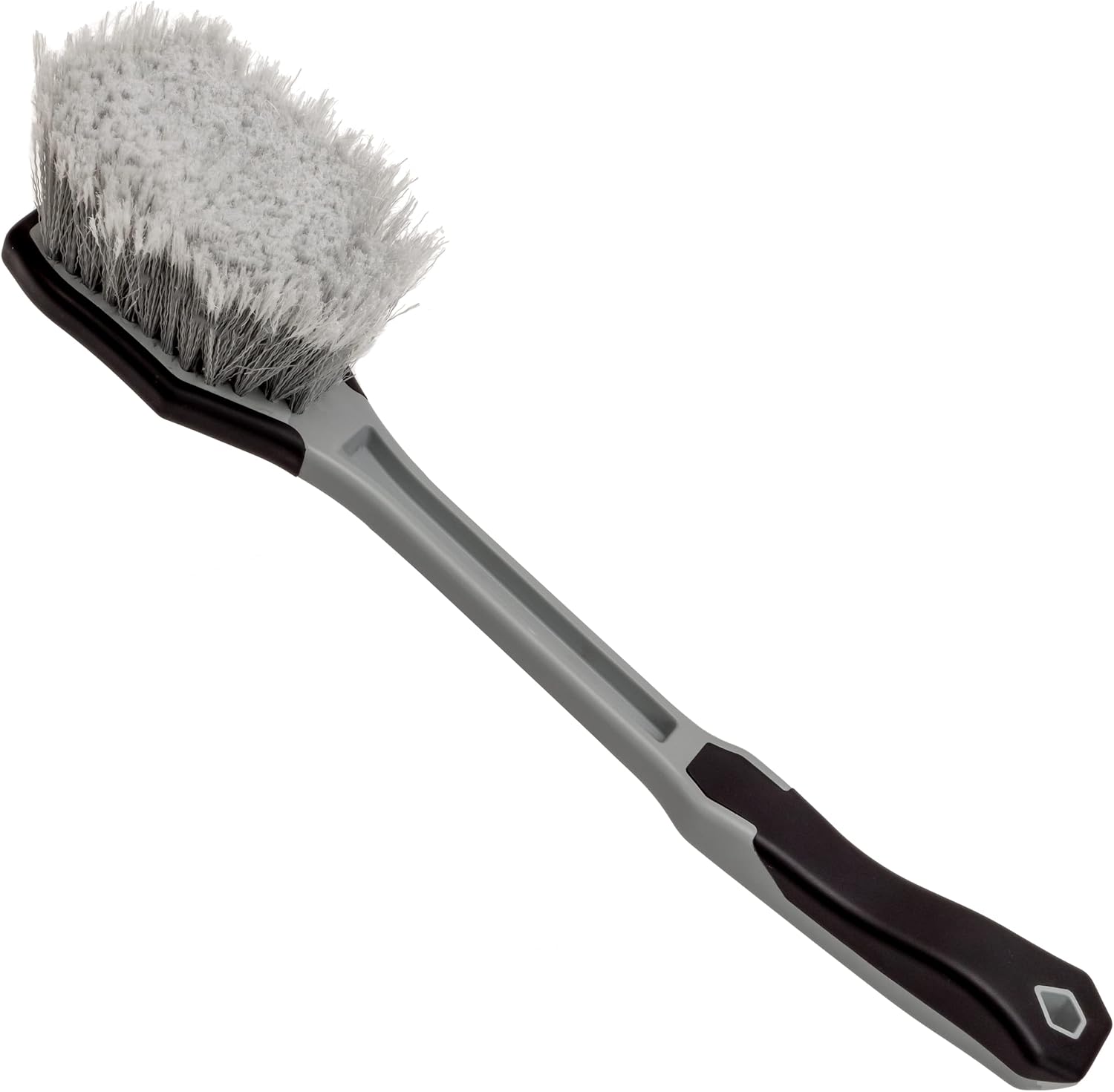
Clean grills, fenders, fender flares, bumpers, and wheel wells with a long-handled brush built for detailed car washing. The soft, triple-flagged bristles and dense scrub coverage help lift dirt gently while making coverage fast and easy. Use it with your favorite car wash soap for tires and exterior surfaces, and it also works for bike, motorcycle, boat, or RV cleaning.
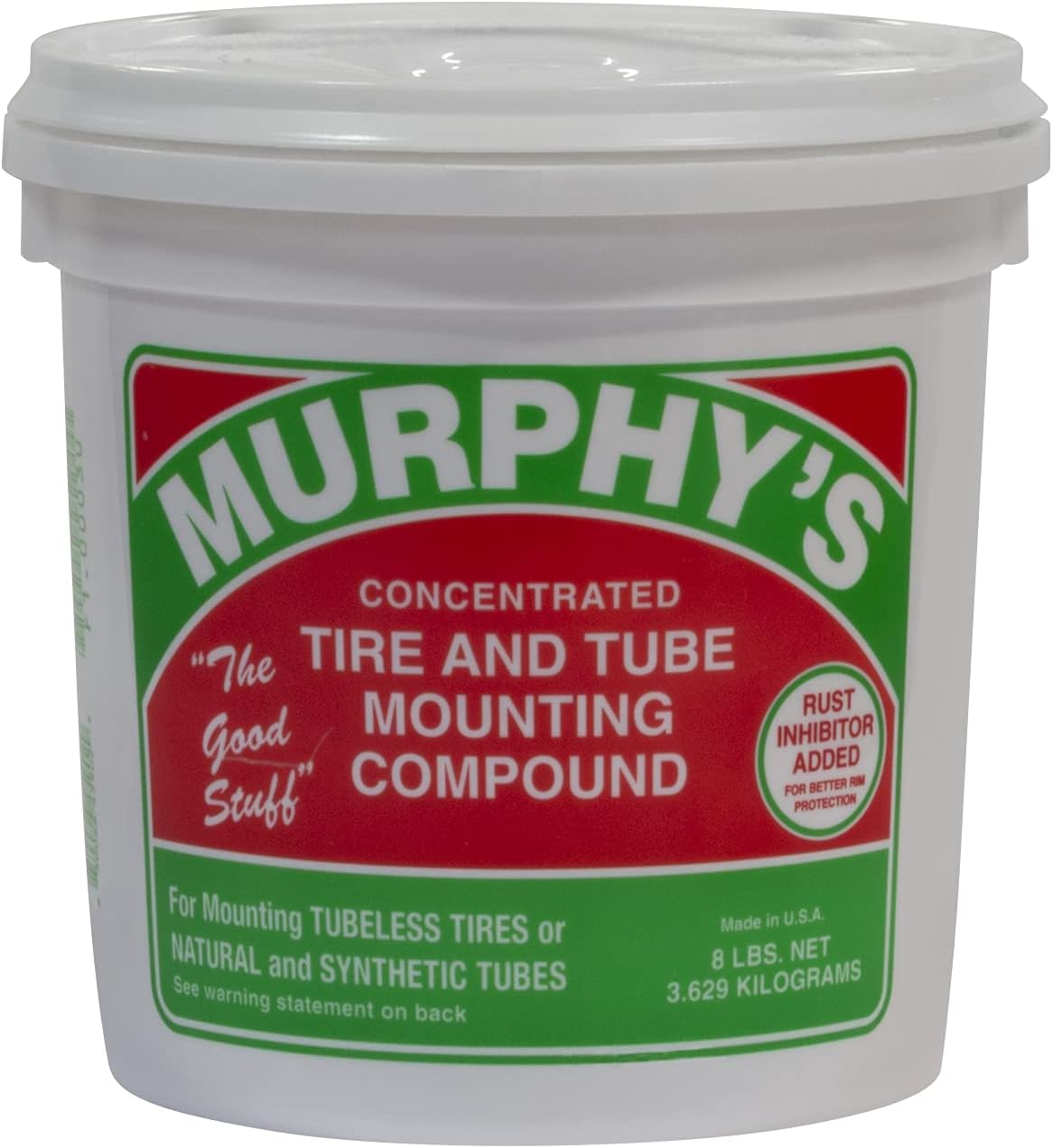
A concentrated tire and tube mounting compound designed to help simplify mounting rubber tires and tubes on passenger, semi truck, construction, and OTR applications. Its ultra-thick formula packs beads effectively and includes rust inhibitors to help protect against corrosion during use.
How to Choose the Right Tundra Road-Trip Tire
- Mostly highway driving: Choose the quietest all-terrain option here or compare against highway-terrain tires.
- Gravel roads and campsites: Look for stronger tread voids, shoulder blocks, and stone-ejecting tread design.
- Towing or payload: Prioritize the correct load index and load range over looks.
- Snowy routes: Check whether the exact tire size has the snow rating you need. Not every size in the same tire family carries the same rating.
- Modified trucks: Confirm clearance with your wheel offset, lift, level, and fender setup before ordering wider or taller tires.
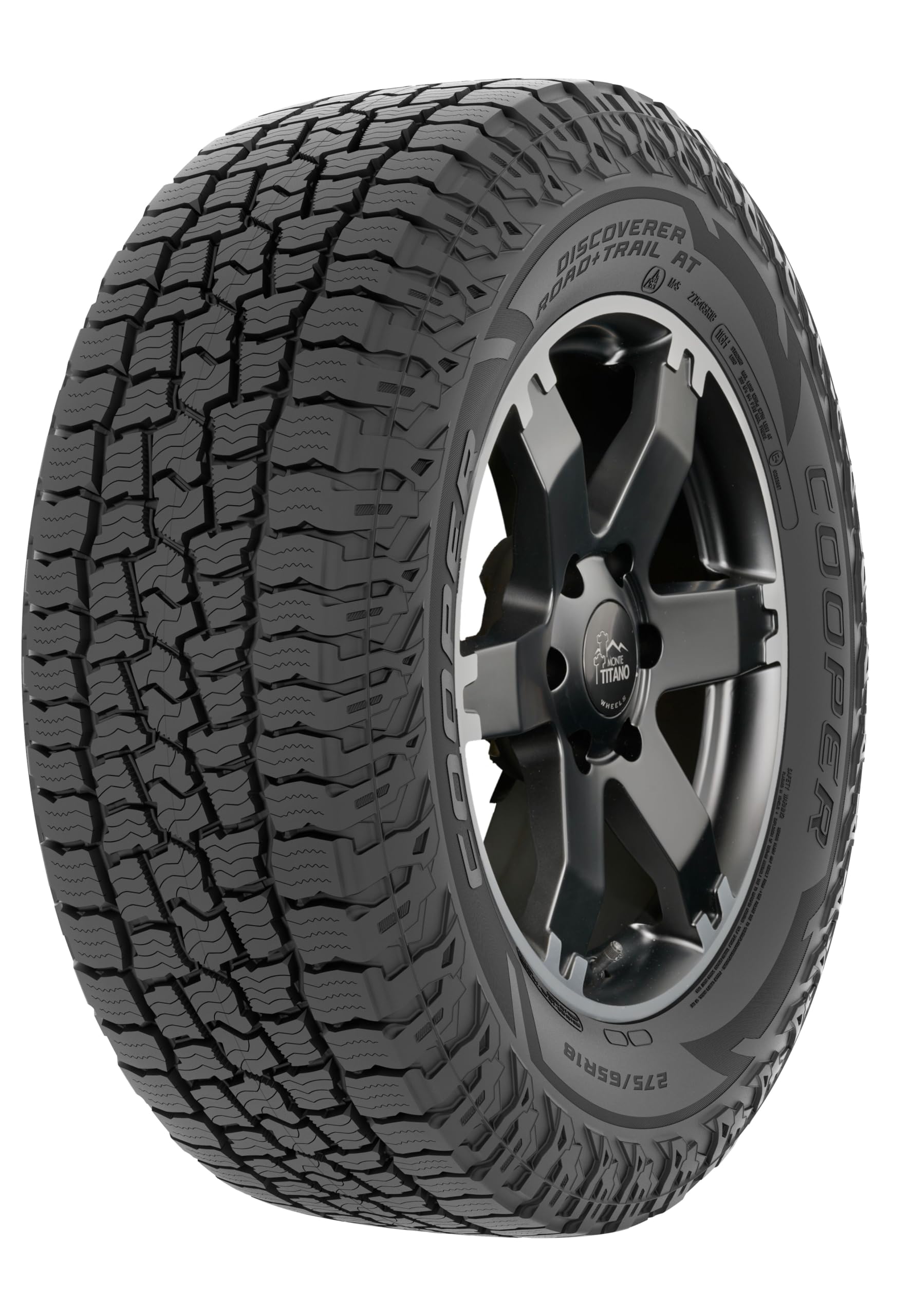
This is the easiest recommendation when you want one set for daily driving, road trips, gravel turnoffs, and weekend travel. It aims for the middle ground: enough tread bite for mixed surfaces, but not so aggressive that the Tundra feels tiring on long pavement stretches.
Best for: Tundra owners who want a single all-terrain tire for highway miles, camping routes, rain, gravel, and occasional light snow.
Skip it if: Your truck only sees smooth interstate miles and your top goal is the quietest possible ride. A highway-terrain tire may suit that use better.
What People Say
When checking buyer feedback, pay close attention to comments about road noise, wet grip, balance quality, and wear after regular rotations. This tire makes the most sense for drivers who value a balanced feel across daily and weekend use.

Versatility
You can use these for daily commuting, long interstate runs, weekend camping trips, and light to moderate off-road driving. They make the most sense when your Tundra sees mixed routes rather than pure pavement.
Practicality
Installation should be straightforward when you choose the correct size for your wheels. For best long-trip results, check pressure before highway drives, rotate on schedule, and confirm that the load rating fits your towing or payload needs.
Key Benefits
- Comfort-focused all-terrain behavior for long drives
- Useful tread design for gravel, wet roads, and light trail use
- Good single-set choice for mixed Tundra driving
- Strong balance of daily comfort and weekend capability
Check Current Amazon Availability
When you want an all-terrain tire with a tougher look at a value-minded price point, this one fits the role. The tread is more aggressive than a highway tire, which helps on wet grass, muddy job sites, gravel roads, and rougher weekend routes.
Best for: Drivers who want all-terrain traction and bold truck styling without moving straight to a premium tire.
Skip it if: You want the quietest possible Tundra tire for mostly highway-only commuting.
What People Say
When scanning reviews, focus on wet-road traction, noise after break-in, balancing, and wear in your exact tire size. The stronger tread look is a key reason buyers consider this model, but comfort can vary by wheel setup and pavement type.

Versatility
These are a practical choice for daily driving, weekend overland routes, and work tasks where you sometimes encounter mud or wet roads. They can handle mixed conditions, but drivers in severe winter climates should compare them against dedicated winter tires.
Practicality
Fitment follows common light-truck sizing patterns, but the exact size and load rating must still be checked against your Tundra. Rotate regularly and monitor tread wear if you tow, haul, or drive rough surfaces often.
Key Benefits
- Aggressive tread design for mixed-surface traction
- Value-focused option for all-terrain buyers
- Center rib design supports stable road manners
- Good fit for work, weekend, and everyday use
Check Current Amazon Availability
You get a tire aimed at tougher Tundra use: towing, carrying gear, driving dirt roads, and dealing with rougher shoulders or job-site surfaces. The Kevlar and sidewall-protection positioning make it the rugged pick here, especially when durability matters more than the softest possible ride.
Best for: Tundra owners who regularly tow, haul, camp, hunt, work off pavement, or drive rough gravel roads.
Skip it if: Your truck spends nearly all its time on smooth pavement and you prioritize low noise above extra toughness.
What People Say
When checking reviews, look for comments about toughness, highway stability, sidewall durability, and wet-weather behavior in your exact size. This model is most appealing when you want one tire for both pavement and dirt.

Versatility
These tires are well suited to daily commuting, long highway drives, weekend trail runs, and towing duties. They bridge the gap between road-focused comfort and the ruggedness you want for occasional off-road work.
Practicality
Check the exact size, load range, and speed rating before ordering. This is especially important if your Tundra carries heavy gear or if you plan to tow on long highway trips.
Key Benefits
- Kevlar-reinforced design for added toughness
- Sidewall protection focus for rougher routes
- Useful balance of road comfort and off-road readiness
- Good match for towing, hauling, and mixed use
Check Current Amazon Availability
You get a tire that suits drivers who want their Tundra to feel familiar and predictable on long highway drives. It is the least dramatic pick here: steady steering, all-terrain usefulness, and a factory-like personality rather than a very aggressive trail look.
Best for: Tundra owners who want an OE-style all-terrain tire for daily driving, road trips, light gravel, and towing.
Skip it if: You want the most aggressive tread in this list for frequent off-road driving.
What People Say
When reading buyer comments, focus on predictable handling, consistent road feel, tire noise, and comfort over long drives. This is the option for buyers who want capability without making the truck feel overly aggressive.

Versatility
This tire is suited to daily commuting, long highway trips, light off-road work, and towing. It’s a practical option when you want a single set that covers most driving scenarios without being overly aggressive off-road.
Practicality
Fitment may align with common truck sizes, but you still need to confirm the exact Amazon size against your Tundra’s placard. Routine rotation and alignment help preserve even wear on long trips.
Key Benefits
- OEM-style handling and stability
- Predictable traction for everyday driving
- Good fit for long road trips and light off-pavement use
- Sensible option for towing and daily truck duties
Check Current Amazon Availability
You get a tire that doesn’t force you to choose completely between comfort and capability. On long interstate runs it is positioned as the comfort pick in this roundup, while still giving you all-terrain usefulness for wet roads, gravel, dirt, and occasional rough surfaces.
Best for: Tundra owners who want a smoother road-trip tire but still need more bite than a basic highway tire.
Skip it if: You regularly drive sharp rocks, deep mud, or difficult trails where a more rugged all-terrain or mud-terrain tire would make more sense.
What People Say
When checking reviews, look for feedback about comfort during long drives, road noise, wet-road grip, and wear after regular rotations. This is a natural fit for drivers who want one tire for commuting and weekend routes.

Versatility
This tire suits daily commuting, long road trips, light to moderate off-roading, and work tasks where you hit muddy or snowy patches. It’s a good single-set choice when you want one tire to do most jobs without frequent swapping.
Practicality
Installation is straightforward when the size matches your Tundra. Keep the tires rotated, inspect them after rough roads, and check inflation before long highway runs to support even wear and fuel economy.
Key Benefits
- Comfort-focused all-terrain road manners
- Useful grip for wet roads, gravel, and light snow
- Good fit for daily driving and road trips
- Balanced on/off-road performance
Check Current Amazon Availability
FAQ
Will These Fit My Tundra?
You need to match the tire size, load index, load range, and speed rating to the numbers on your truck’s placard, owner’s manual, or current approved setup. Many Tundra trims use common truck tire sizes, but wheel diameter, trim, model year, lift kits, aftermarket wheels, towing needs, and payload can change what is safe and comfortable. When in doubt, have a tire shop confirm fitment before ordering.
Are All-Terrain Tires Good For Long Road Trips?
All-terrain tires can be a strong compromise for long trips when you split time between highway miles and rougher surfaces. They usually add more traction for gravel, dirt, grass, rain, and light snow than a highway tire, while still aiming to keep road noise and ride harshness reasonable. For almost all-smooth interstate driving, a highway-terrain or touring-style truck tire may be quieter and more fuel efficient.
What Tire Size Should I Buy For A Toyota Tundra?
Start with the tire size printed on your driver-side door placard or the size currently installed if your truck is already set up correctly. Do not choose a different size only because it looks better. Wider or taller tires can rub, affect gearing, change speedometer accuracy, and require wheel or suspension changes.
Do I Need Load Range E Tires?
Load Range E tires can make sense for some Tundra owners who tow heavy trailers, carry frequent payload, or use the truck for work. They can also ride firmer than lighter-duty tires. Choose the load range that matches your actual truck use and the ratings Toyota requires for your setup.
Are LT Tires Better Than P-Metric Tires For A Tundra?
LT tires are often built for heavier truck use, towing, rough surfaces, and stronger load support. P-metric tires may ride softer and quieter for everyday driving. The better choice depends on your truck’s required size, load rating, towing habits, and how often you drive rough roads.
Do These Tires Work In Snow?
Some all-terrain tires perform well in light snow, but winter performance depends on the exact tread design, rubber compound, tire size, and rating. Check whether the exact size you plan to buy has the winter rating you need. For regular ice, deep snow, or mountain winter travel, dedicated winter tires are usually the safer choice.
How Do I Maintain Them For Maximum Mileage?
Keep tire pressure at your truck’s recommended level and check it before long runs, since correct inflation is one of the easiest ways to reduce uneven wear and improve economy. Rotate regularly, keep the wheels aligned and balanced, inspect the sidewalls after rough trips, and repair punctures promptly.
When Should I Choose A Highway Tire Instead?
Choose a highway-terrain tire if your Tundra rarely leaves pavement, you want the quietest ride possible, and fuel economy matters more than off-road traction. Choose an all-terrain tire if you regularly drive gravel roads, campsites, snow-covered roads, muddy job sites, or rough shoulders.
Wrapping Up
For one tire that balances highway manners, long-trip comfort, and all-terrain usefulness, the Cooper Discoverer is the safest starting point. For cost control without giving up mixed-surface traction, the Lexani Terrain Beast is the value pick. Choose the Goodyear Wrangler Kevlar when ruggedness matters most, and pick the Goodyear Territory for a more factory-like road feel.
For the smoothest highway personality with useful all-terrain grip, the Kumho Road Venture is the comfort-focused choice. Match your final pick to your exact Tundra size, load needs, road conditions, and towing habits, and you’ll get a tire that feels better mile after mile.
Check Current Amazon Availability ➜
| Product Name | Image | Best For | Long-Trip Strength | Check Price |
|---|---|---|---|---|
| Cooper Discoverer Road and Trail AT |
 |
Best overall mixed-use Tundra tire | Comfort, gravel grip, and everyday versatility | Check Price on Amazon ➜ |
| Lexani Terrain Beast AT |
 |
Best value all-terrain option | Aggressive tread feel at a value-minded price point | Check Price on Amazon ➜ |
| Goodyear Wrangler Adventure Kevlar |
 |
Most rugged pick | Durability focus for towing, hauling, and rough roads | Check Price on Amazon ➜ |
| Goodyear Wrangler Territory AT |
 |
Best OEM-style fit | Predictable daily driving and light all-terrain use | Check Price on Amazon ➜ |
| Kumho Road Venture AT51 |
 |
Best on-road comfort | Smoother highway feel with useful all-terrain grip | Check Price on Amazon ➜ |
This roundup is reader-supported. When you click through links we may earn a referral commission on qualifying purchases.
[Products Worth Considering]

The ETENWOLF T600 digital tire pressure gauge delivers precise, manually calibrated readings to ANSI B40.7 Grade 2A standards with ±0.5% PSI accuracy. Its 360° rotating nozzle and display hold make it easy to check pressures from any angle, while a bleed button helps dial tires to the perfect level. With a 0–250 PSI range and support for PSI, BAR, and KPA, it’s a convenient tool for maintaining tire performance across many vehicles and seasons.
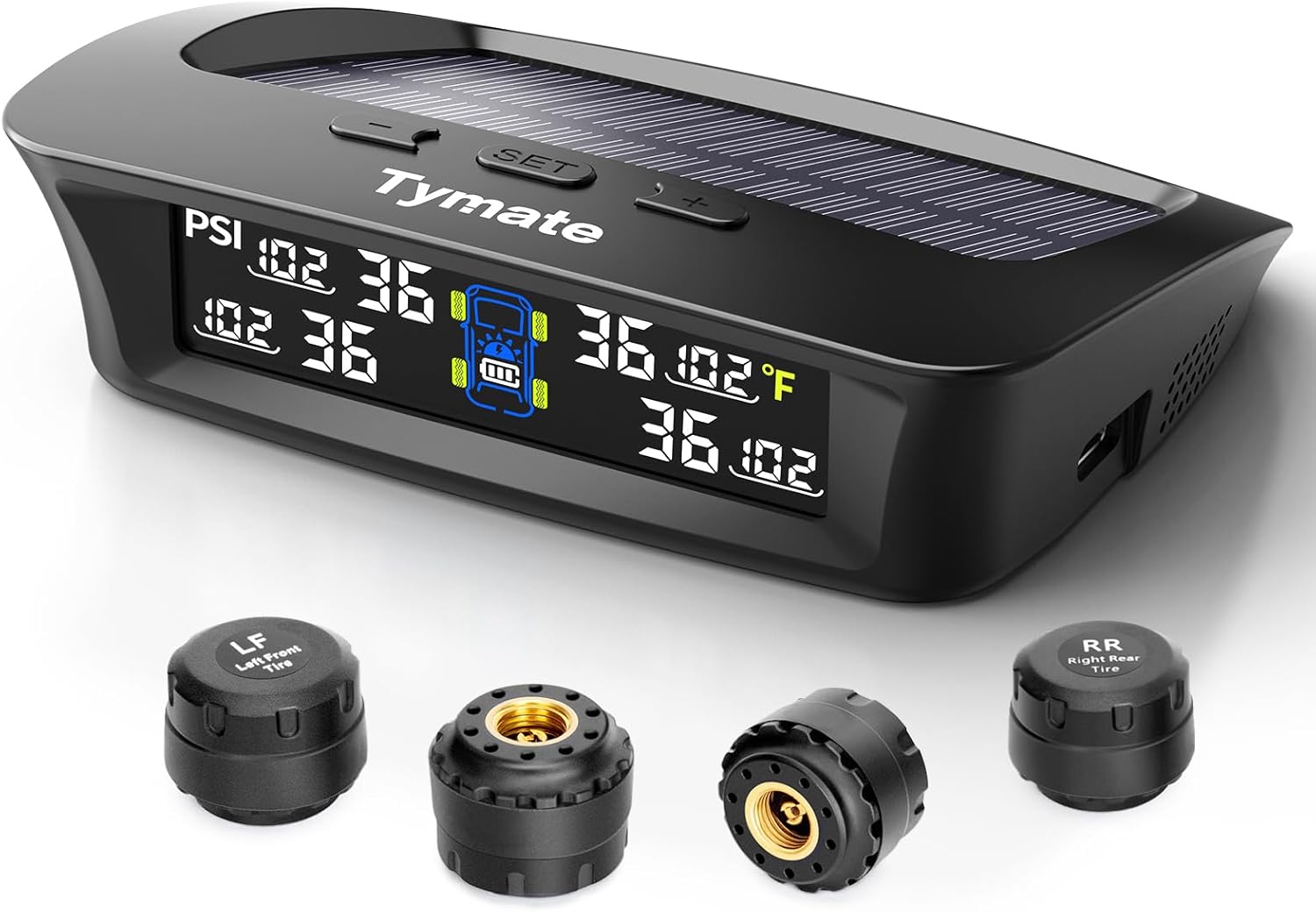
The Tymate TM3 RV TPMS delivers real-time tire pressure monitoring from 0 to 144 PSI with accurate readings and dependable wireless communication. It includes four external sensors with pre-pairing, six alarm modes for rapid leak, pressure extremes, temperature, and signal loss, plus an easy-reference setup for alert thresholds. Solar and USB-C charging help keep the display powered, while the color LCD and adaptive backlight improve visibility for safer driving and towing.

Upgrade your Toyota’s wheels with durable aluminum alloy valve stem caps that help protect valve cores from corrosion and direct exposure to road grime, clay, water, and snow. Rubber rings improve sealing to help prevent air leakage and maintain stable tire pressure for safer driving. These caps are easy to install or remove without tools and add a unique, stylish look to your car.

Related Articles
Best Toyota Tundra Tires for Long Tread Life in 2026
Last updated: July 4, 2026 Choosing long-lasting tires for your Toyota Tundra starts with fitment. The right tire needs to match your wheel size,…
Read More
Best Toyota Tundra Tires for 2026: Top 3 Picks
Last updated: July 4, 2026 Affiliate disclosure: This roundup is reader-supported. When you click through Amazon links, we may earn a referral commission on…
Read More
33 Inch Tires for Toyota Tundra: 2026 Top Picks
Last updated: June 24, 2026 Reader note: This roundup is reader-supported. When you click through Amazon links, we may earn a referral commission on…
Read More