
Tire Sealant vs Spare Tire: 2026 Flat Fix Guide
What’s in This Article
- Quick Verdict: When to Use Sealant vs a Spare
- How Sealants Work: What They Actually Fix
- How Sealant Affects Repair Shops and TPMS
- What a Spare Tire Lets You Do That Sealant Can’t
- Costs, Weight and Space: Sealant vs Spare Compared
- Choose by Scenario: City, Rural, Long Trips and Winter
- Emergency Kit Checklist: Sealants, Plug Kits and Spare Options
- Final Decision Checklist: Pick the Smarter Backup
- Frequently Asked Questions
- Conclusion
A flat tire can turn a short drive into a long delay. The right backup depends on the damage, where you drive, and how far you need to go. This guide compares tire sealant and spare tires so you can choose the safer, cleaner, and more useful option for your normal driving.
Quick Answer
Choose a full spare for long trips, rural roads, winter driving, or serious tire damage. Use a trusted tire sealant or plug kit only for quick, small tread punctures, usually about 1/4 inch or less. Sealant helps you move fast, but it can create cleanup, repair, and tire pressure monitoring system issues.
Key Takeaways
- Use tire sealant only for small tread punctures, not sidewall cuts, large gashes, or blowouts.
- Choose a spare tire when you need reliable range, cleaner repairs, or support in remote areas.
- Tell the repair shop if you used sealant, since residue can affect repair work and tire pressure sensors.
- Keep a jack, lug wrench, pressure gauge, and clear emergency plan with your tire backup.
- Match your choice to your driving pattern, not just to cost or trunk space.
Quick Verdict: When to Use Sealant vs a Spare
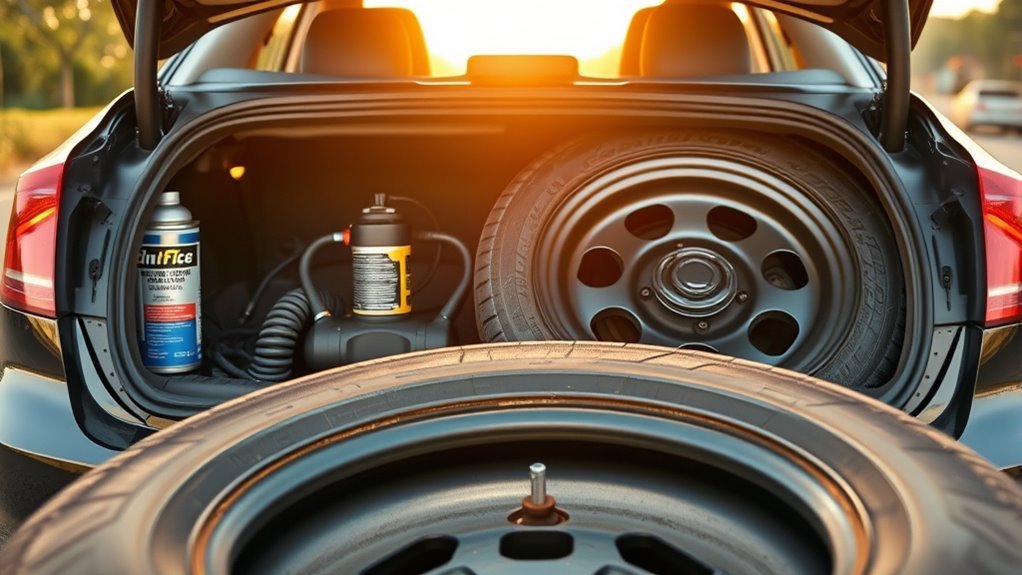
If you get a small tread puncture, use a tire sealant as a temporary fix to reach a repair shop. If the hole looks larger than about 1/4 inch, the tire has sidewall damage, or you need to drive far, fit a spare instead. Sealant can help with tiny holes, but it cannot replace a proper tire repair.
A spare gives you more control on longer trips. A compact spare saves space and works for short, careful driving, while a full-size spare gives stronger backup for rural routes and long-distance travel. Dealer spare kits can cost much more than sealant kits, and some aftermarket spare options may cost less, but prices vary by vehicle and market.
How Sealants Work: What They Actually Fix
You inject a liquid sealant into the tire, where it coats the inside surface and plugs small tread punctures. Many sealants target holes about 1/4 inch or smaller, but you should always follow the product label. Sealant won’t reliably fix sidewall damage, large cuts, cracked tires, or blowouts.
Tell your technician if you’ve used sealant. The liquid can make inspection and patching harder, and it may affect tire pressure monitoring system (TPMS) sensors.
How Sealant Seals
Sealant works when tire pressure pushes liquid into a small puncture. The compound gathers in the hole and forms a temporary airtight plug. You usually inject the sealant, inflate the tire, rotate or drive the wheel briefly, and then head to a shop.
This fix gives you quick mobility, but it doesn’t restore full tire strength. Check the sealant maker’s instructions for speed limits, distance limits, and cleanup rules.
| Benefit | Note |
|---|---|
| Quick mobility | Temporary |
| Easy use | Messy for shops |
Limitations On Damage
Sealants work best on small holes in the tread area. They don’t bond well to sidewalls because sidewalls flex, carry heavy loads, and move more than the tread. They also can’t close large cuts or repair internal tire damage.
Cold weather can also reduce some sealants’ performance. Treat sealant as a way to get off the road safely, then arrange a professional tire inspection.
Warning: Do not use sealant for sidewall damage, a shredded tire, a blowout, or any tire that will not hold pressure.
Effects On Repairs
Sealants can restore mobility, but they often make proper repairs harder. The residue can coat the tire interior, hide damage, and interfere with patch materials. Some shops may add cleaning fees or refuse a sealed tire if they can’t inspect it safely.
Sealant can also reach TPMS sensors. If the sensor gets coated, it may give false pressure readings or need replacement. Use sealant only as a short-term fix when the tire damage fits the product limits.
How Sealant Affects Repair Shops and TPMS
If you bring a tire treated with sealant into a shop, tell the staff before they begin work. Sealant residue can slow inspection, contaminate tools, weaken patch adhesion, and make the job messier. The shop may need to remove residue before it can decide whether the tire can be repaired.
TPMS stands for tire pressure monitoring system. Sealant can coat a sensor and cause false readings or sensor failure. That risk can raise the final repair cost, especially when the shop must replace the sensor.
You can reduce problems by using the right sealant for your tire and by following the label. Still, a spare keeps the damaged tire cleaner and gives the shop a better chance to inspect it.
What a Spare Tire Lets You Do That Sealant Can’t
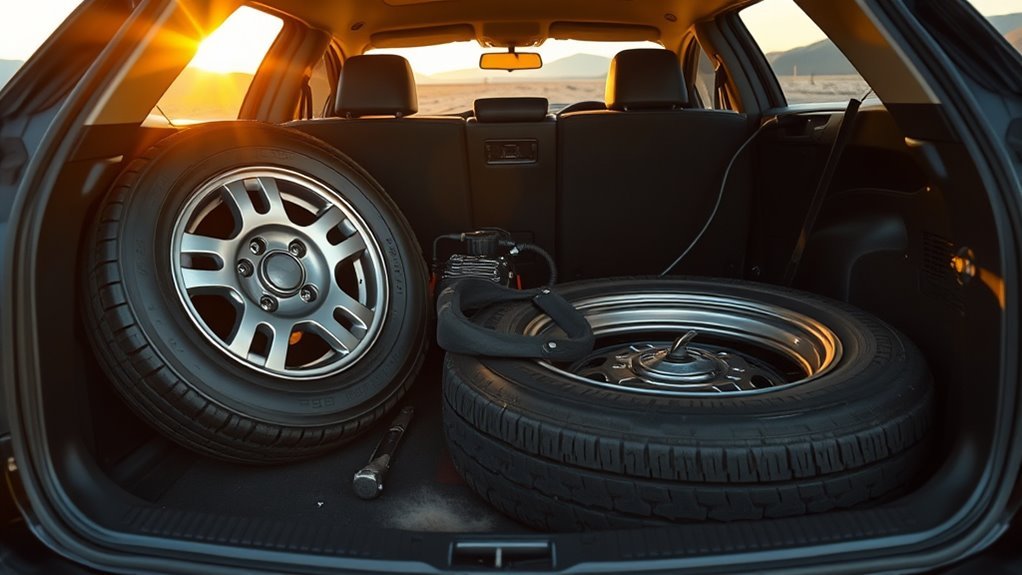
With a spare tire, you can replace the damaged wheel and drive carefully to a shop or safe location. You avoid sealant residue, protect repair options, and reduce the chance of TPMS contamination. A spare also handles more damage types than sealant can.
Immediate Normal Driving
A spare restores vehicle mobility right away, but you still need to follow the spare’s limits. Compact spares usually require lower speeds and shorter distances than normal tires. Full-size spares offer more flexibility when they match the vehicle’s tire size, load rating, and condition.
A spare helps most when you drive through remote areas or places with limited service. You can change the wheel, keep moving, and handle the damaged tire when you reach help.
No Mess Or Repairs
A spare keeps the damaged tire clean, which helps the shop inspect it. You avoid sealant’s sticky residue, and you may preserve the chance of a proper plug-patch repair. This matters when the puncture sits in a repairable tread area.
A spare also protects your schedule. You can drive directly to a shop instead of waiting for sealant to work or for roadside support. That choice can save time, especially outside cities.
Costs, Weight and Space: Sealant vs Spare Compared

Sealant kits usually cost less, weigh less, and take less storage space than spare tires. A spare costs more up front and adds weight, but you can reuse it and rely on it for more kinds of damage. Prices vary by vehicle, market, and whether you choose dealer or aftermarket parts.
Think beyond the first purchase. Sealant may lead to cleaning charges, sensor replacement, or tire replacement if residue prevents repair. A spare may cost more at first, but it can reduce surprises after a puncture.
| Metric | Sealant Kit | Compact Spare |
|---|---|---|
| Upfront cost | Low | Medium to high |
| Space and weight | Very efficient | Efficient when stored under the floor |
| Damage coverage | Small tread punctures only | More useful for major tire damage |
| Long-term expense risk | Higher if repairs get rejected | Lower because you can reuse it |
Choose Sealant If…
Choose sealant if you drive mostly in town, want to save space, and need a quick fix for a small tread puncture. Keep it for short emergency use only. Plan to visit a repair shop as soon as the tire holds enough air to drive safely.
Choose a Spare If…
Choose a spare if you take long trips, drive rural roads, carry family or cargo, or face winter conditions. A full-size spare gives the most confidence when space and budget allow it. A compact spare still gives better backup than sealant for many serious flats.
Choose by Scenario: City, Rural, Long Trips and Winter
Match your tire backup to your driving pattern. City drivers can often reach a repair shop quickly, so sealant may cover small nail punctures. Rural drivers and long-distance travelers should favor a spare because help may sit far away.
Winter driving also changes the choice. Cold weather, potholes, wet roads, and road debris can raise the chance of tire damage. A spare gives you a more dependable option when sealant performs poorly or the damage exceeds its limits.
- City driving: Carry sealant or a plug kit for small tread punctures, plus roadside support details.
- Rural driving: Carry a spare, jack, lug wrench, and enough tire pressure to use the spare safely.
- Long trips: Choose a full-size spare when possible, and check it before you leave.
- Winter driving: Use a spare as your main backup, since cold and rough roads can make sealant less reliable.
Emergency Kit Checklist: Sealants, Plug Kits and Spare Options
A good compact emergency kit gives you more than one way to handle a puncture. Combine a trusted sealant, a quality plug kit, and a spare or clear roadside plan. Choose sealants that clearly state tread-only use and list speed and distance limits.
Your kit should include:
- Tire sealant: Pick a product that fits your tire type and TPMS setup.
- Plug kit: Carry plugs, a reamer, an insertion tool, and clear instructions.
- Spare tire: Use a compact spare for short trips or a full-size spare for stronger backup.
- Tools: Pack a jack, lug wrench, gloves, flashlight, and tire pressure gauge.
- Safety plan: Keep roadside assistance details and know where to pull over safely.
Pro tip: Check your spare’s pressure every month, because an underinflated spare may fail when you need it most.
Final Decision Checklist: Pick the Smarter Backup
Use this checklist before you decide. Start with where you drive, then look at the damage you can handle. A sealant kit offers speed and low weight, while a spare offers range and control.
- Pick sealant if you need a short-term fix for a small tread puncture.
- Pick a compact spare if you want cleaner backup but need to save space.
- Pick a full-size spare if you drive far from repair shops or travel in winter.
- Avoid sealant for sidewall cuts, large gashes, blowouts, or tires that won’t hold pressure.
- Keep the spare inflated, and practice using your jack before an emergency.
If you value low weight and trunk space, carry sealant with a clear backup plan. If you value predictable mobility, choose a spare and maintain it like the rest of your tires.
Frequently Asked Questions
Is Tire Sealant Better Than a Spare Tire?
No, tire sealant isn’t better than a spare tire for most serious flats. Sealant can help with small tread punctures, but a spare gives more reliable mobility when the damage looks worse or help sits far away.
What Are the Disadvantages of Tire Sealant?
Sealant only works on limited damage, and it can create a mess inside the tire. It may also affect TPMS sensors, raise repair costs, or lead a shop to reject a repair if it can’t inspect the tire safely.
Can You Use Tire Sealant on a Sidewall Puncture?
No, you should not rely on tire sealant for sidewall punctures. Sidewalls flex too much for most sealants to hold a safe seal, and sidewall damage often requires tire replacement.
How Far Can You Drive After Using Tire Sealant?
Check the sealant label for the exact distance and speed limit. Treat sealant as a short trip to safety or to a repair shop, not as a repair for normal driving.
Do New Cars Still Come With Spare Tires?
Some new cars include a spare, while others come with sealant, an inflator kit, run-flat tires, or roadside assistance. Check your vehicle’s storage area and owner’s manual before you need help on the road.
Conclusion
The smartest backup depends on the kind of flat you expect and the roads you drive. Use sealant for small, quick tread punctures in city driving, but choose a spare for long trips, rural routes, winter roads, and serious tire damage. Before your next drive, check your tire repair kit, spare pressure, jack, and roadside plan. A few minutes of prep can turn a flat tire from a crisis into a manageable stop.
References
- Tires — National Highway Traffic Safety Administration
- Tire Safety Ratings and Maintenance — National Highway Traffic Safety Administration
- Tire Repair — Tire Industry Association

Related Articles
Why Put a Plastic Bottle on Your Tire? The Viral Trick Explained
Mysterious plastic bottle on your tire? Discover the viral trick’s surprising truth and what it really means before you assume it’s protecting your car.
Read More
What Happens When a Tire Blows Out at Highway Speed? Full Guide
Buckle up to discover what really happens when a tire blows out at highway speed, and why your next move could change everything.
Read More
What Does V Mean on a Tire? Load, Speed & Rating Guide
Need to know what “V” means on a tire and how load and speed ratings affect safety?
Read More