
Honda Accord Tire Noise: 7 Ways to Reduce Road Roar

Highway tire roar can make your Honda Accord feel louder than it should. The sound often comes from tire tread design, uneven wear, tire pressure, and rough pavement, not from one single cause. This guide shows you how to reduce tire noise with better tire care, smart tire choices, and simple cabin soundproofing steps.
Quick Answer
To reduce tire noise in your Honda Accord, keep your tires at the pressure listed on the driver-side door placard, rotate them on schedule, and inspect them for uneven wear. If the noise stays, choose touring or grand touring tires with strong comfort and low-noise reviews. Worn door seals, rough roads, and missing sound insulation can also make tire noise sound worse inside the cabin.
Key Takeaways
- Check the tire pressure listed on your Accord’s door placard before you adjust anything else.
- Rotate your tires on schedule so the tread wears evenly and stays quieter for longer.
- Inspect the tread for cupping, feathering, or uneven wear if the noise changes after rotation.
- Choose comfort-focused touring tires if road noise matters more than sporty handling.
- Check door seals and add sound-deadening material if tire noise still enters the cabin.
How to Reduce Tire Noise in Honda Accords

Start with basic tire care before you replace anything. Check the tire pressure when the tires are cold, and use the pressure listed on your Honda Accord’s driver-side door placard. Proper pressure helps the tire contact the road evenly, which can reduce vibration and noise.
Rotate your tires every 5,000 to 6,000 miles, or follow the schedule in your owner’s manual. Regular rotation helps prevent uneven wear, which can cause humming, roaring, or a thumping sound at highway speeds.
If your tires still sound loud, compare comfort-focused touring tires from brands such as Michelin, Continental, Pirelli, Bridgestone, and Goodyear. Look for tire reviews that mention low road noise on sedans, not just wet grip or tread life. An important factor in tire noise is the tread design, which can affect how much sound reaches your cabin.
Understanding the Sources of Tire Noise in Honda Accords
Tire noise in your Honda Accord can come from the tire, the road, or the cabin. Aggressive tread blocks, worn tread, and uneven wear can all raise the sound level. Coarse asphalt can also make even a good tire sound louder.
Cabin condition matters, too. Worn door seals, loose weatherstripping, or missing trunk plugs can let more road sound enter the car. If the noise gets louder after a tire rotation, the tire that moved to the front may have uneven wear or a tread pattern that your ears notice more.
Tire pressure also affects ride noise. Use the pressure listed on your specific Accord’s door placard because trim, tire size, and load can change the correct number. Regular tire maintenance practices can reduce tire noise and improve ride comfort.
How Tire Quality Influences Road Noise
Choosing the right tires can lower road noise in your Honda Accord. Tire quality, rubber compound, and tread pattern all shape the sound you hear at highway speed. Softer compounds and comfort-focused tread designs can absorb some vibration, but they still need proper inflation and alignment.
A well-designed tread can reduce vibration as the tire rolls over the road. Touring and grand touring tires often focus more on comfort than sporty steering response. Performance tires may grip well, but some can sound louder on rough pavement.
Keep your tire pressure correct and rotate the tires on schedule. Even a quiet tire can get noisy if it develops cupping, feathering, or uneven shoulder wear. Investing in quiet tire options can help create a smoother ride.
[Products Worth Considering]

EVOULTES heavy duty tire inflator with an integrated gauge delivers accurate pressure readings from 10–120 PSI, helping you inflate, deflate, and check tires in one tool. The 16.5-inch extended dual-head air chuck with swivel base reaches hard-to-access dual wheel valves on trucks and RVs. A brass trigger core and side-mounted air release valve make operation smooth, with standard 1/4" NPT threading and quick-connect compatibility for easy setup.

This portable cordless tire inflator delivers up to 160 PSI with fast 17 L/min airflow to help you quickly top up tires and get back on the road. It features dual power mode, running on a 21V rechargeable battery or a 12V DC adapter for convenient roadside use. An automatic shut-off with digital pressure gauge helps prevent overinflation, and a built-in LED light improves visibility in low-light conditions.

The JACO FlowPro Tire Inflator measures, inflates, and airs down tires up to 100 PSI with battery-free operation and ±2% accuracy after calibration. It features a glowing pressure dial for night visibility, a heavy-duty steel build with a hybrid hose, and a precision push-to-inflate thumb trigger. The patented Lightning Air Chuck locks on for a secure seal, and the kit includes quick-connect hardware for easy inline use with your air compressor.
Common Tire Brands and Their Noise Profiles
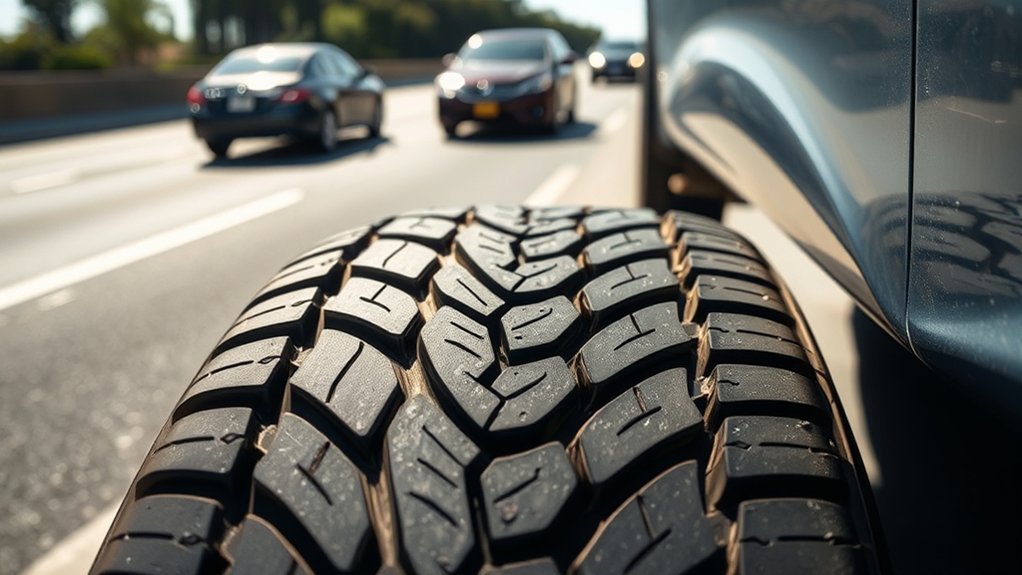
Different tire brands and models can have very different noise profiles. Even within one brand, a touring tire may ride quietly while a performance tire may sound firmer and louder. Compare the exact tire model, not only the brand name.
Some Honda Accord owners prefer Michelin, Continental, or Pirelli touring tires for a calmer highway ride. Other drivers may like Goodyear or Bridgestone models that balance comfort, price, and handling. Your best choice depends on your tire size, climate, road surfaces, and driving style.
Read long-term owner reviews before you buy. A tire that sounds quiet when new may grow louder after uneven wear starts. Selecting tires with even tread wear can support a quieter ride and longer tire life.
[Products Worth Considering]
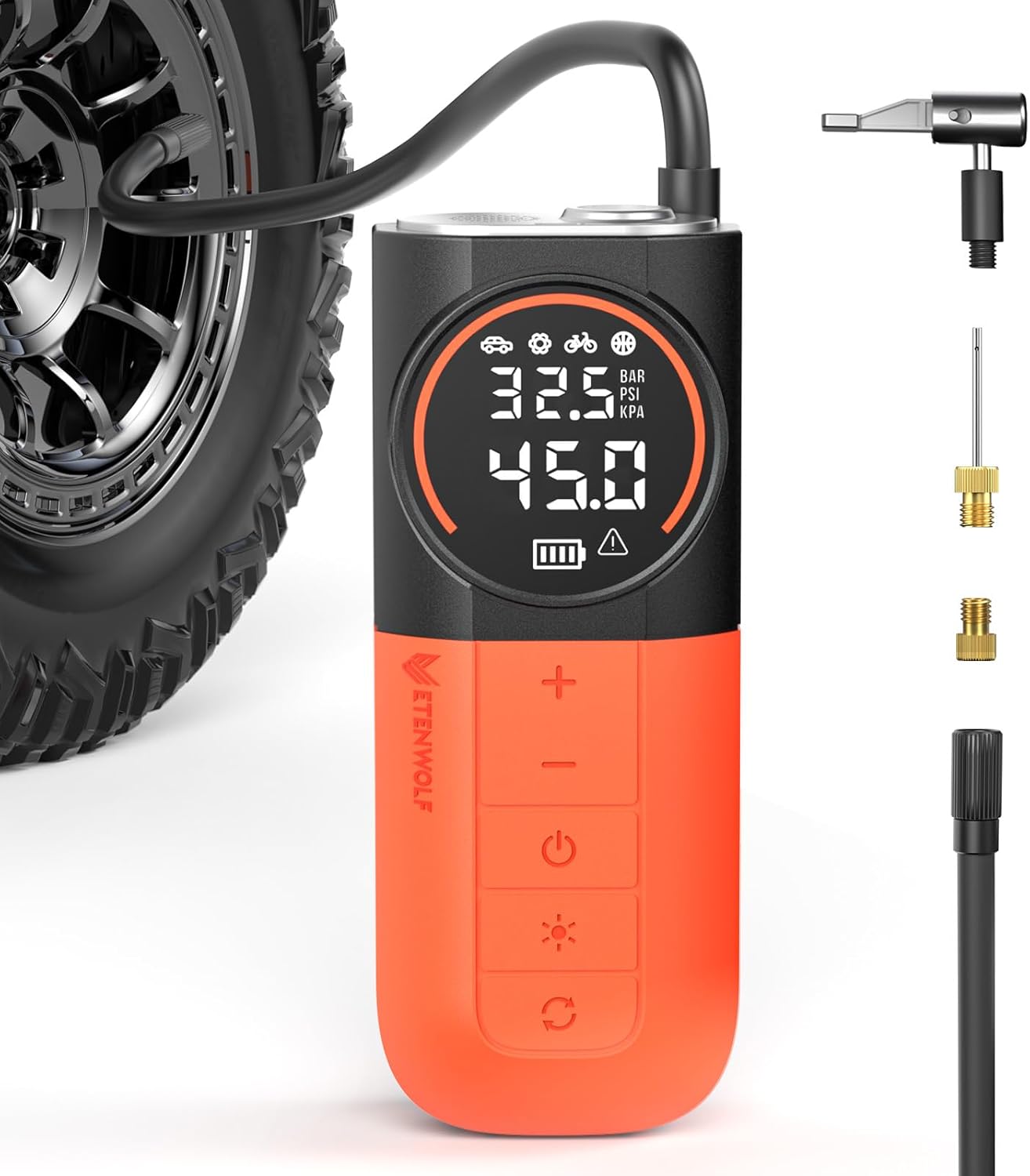
The ETENWOLF S1 cordless tire inflator delivers ultra-fast inflation with up to 160 PSI and a 20 L/min airflow for quicker tire top-offs. Its 5200mAh battery and cooling system support inflating many tires and sports balls on a single charge, while the digital pressure gauge and multi-unit display help you reach the right pressure accurately. With preset modes, pressure memory, an auto-stop feature, and an LED flashlight, it’s built for easy roadside and everyday use.

This portable cordless tire inflator delivers fast, efficient inflation for cars, motorcycles, bikes, and sports balls with a digital pressure gauge. Use the one-click PSI preset with auto shut-off for accurate, hands-free topping to your target pressure up to 150 PSI. It’s compact and rechargeable with a built-in emergency LED light plus valve adapters and accessories for quick, ready-to-go use.
The Impact of Tire Pressure on Noise Reduction
Maintaining the right tire pressure gives your Honda Accord a smoother and quieter ride. Check the driver-side door placard for the correct pressure for your exact model and tire size. Avoid relying only on numbers from another Accord because tire sizes and trims can vary.
- Improve contact: Correct pressure helps the tread meet the road evenly.
- Reduce vibration: Proper inflation can limit vibration that travels into the cabin.
- Prevent uneven wear: Correct pressure helps reduce wear patterns that create hum or roar.
Check pressure when the tires are cold for the most useful reading. Small pressure changes can affect ride comfort, handling, and noise. Proper tire inflation also supports stable handling and longer tire life.
Pro tip: Check tire pressure before your first drive of the day because heat from driving raises the reading.
How Do Tire Rotations Affect Noise Levels?
Regular tire rotations can lower noise levels by helping all four tires wear evenly. Follow the recommended rotation frequency in your owner’s manual, or use a 5,000 to 6,000 mile interval as a common guide. Uneven tread wear can create a hum, growl, or roar that gets louder with speed.
You may notice the noise move from the rear to the front after a rotation. That shift often means one tire already had a wear pattern that became easier to hear near the front seats. Mark each tire before rotation if you want to track which tire makes the noise.
Rotation cannot fix a damaged tire, bent wheel, or bad wheel bearing. If the sound stays loud, ask a tire shop to inspect the tread, alignment, balance, and suspension. Regular rotations also help maintain vehicle performance as all tires wear more evenly over time.
When Tire Noise Points to a Mechanical Problem
Not every highway roar comes from the tire tread. A bad wheel bearing can create a growl that changes when you steer left or right. Poor alignment can also cause feathered tread, which often sounds like a steady hum.
Ask a technician to inspect the car if the sound starts suddenly, gets louder fast, or comes with vibration. You should also get help if one tire shows odd wear while the others look normal. A quick inspection can prevent tire damage from becoming a larger repair.
Benefits of Noise-Reducing Tires for Honda Accords

Noise-reducing tires can make your Honda Accord feel calmer on long drives. Many comfort-focused tires use tread patterns and rubber compounds that aim to limit vibration. Some models also use foam or internal features to reduce cavity noise inside the tire.
- Lower cabin noise: Quiet tire designs can reduce the roar you hear on highways.
- Smoother ride feel: Comfort-focused tires often absorb small road impacts better.
- Less driver fatigue: A calmer cabin can make long trips feel easier.
Balance quietness with wet grip, tread life, price, and warranty. A tire with low noise features can improve comfort, but it still needs correct pressure and routine care.
[Products Worth Considering]

Designed for use on sport and performance-oriented coupes and sedans
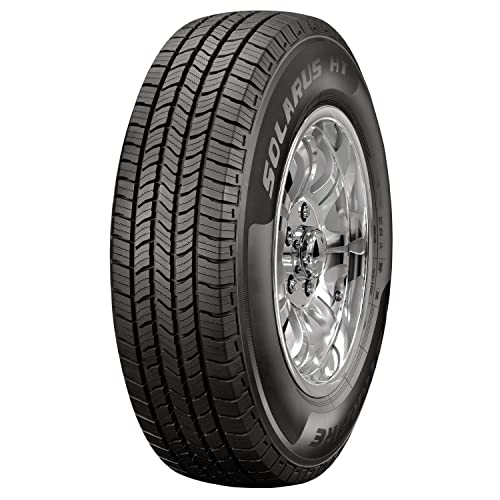
50,000 mile warranty

Patented tread pattern: Provides a comfortable and quiet ride
Easy Ways to Soundproof Your Honda Accord
If tire care does not solve the noise, improve the cabin’s sound control. Install soundproof materials such as Dynamat or similar mats in the trunk, floor, and door areas. These materials can reduce vibration from the road and tires.
Seal small gaps that let road noise enter the cabin. Check tie-down hook holes, trunk seals, door seals, and weatherstripping. Replace cracked or flattened rubber so the cabin blocks sound better.
You can also ask a shop about undercoating if road noise comes through the floor. Undercoating may help dampen sound, but it will not fix noisy tires or uneven wear. Regularly checking your tire pressure can still reduce road noise and improve handling.
Note: Sound-deadening material works best after you fix tire wear, pressure, balance, and alignment issues.
Frequently Asked Questions
Why Do My Tires Make Noise on the Freeway?
Your tires make noise on the freeway because tread blocks, tire wear, and road texture create vibration. Worn tread and coarse pavement can make the sound much louder inside your Accord.
Are Honda Accords Noisy?
Some Honda Accords can sound noisy on rough highways, especially with worn or loud tires. Tire maintenance, quieter tire choices, healthy door seals, and sound-deadening material can make the cabin feel calmer.
How to Stop Roaring Noise From Tires?
Start by checking tire pressure, tread wear, balance, alignment, and rotation history. If the tires look worn or cupped, replace them with comfort-focused touring tires and inspect the suspension.
Can a Wheel Bearing Sound Like Tire Noise?
Yes, a worn wheel bearing can sound like tire roar or a steady growl. The sound may change when you steer, so ask a technician to inspect it if the noise gets louder with speed.
Do Quieter Tires Affect Fuel Economy?
Quiet tires do not automatically reduce fuel economy. Check the tire’s rolling resistance, size, speed rating, and load rating before you buy because those details can affect efficiency.
Conclusion
A quieter Honda Accord starts with healthy tires, correct pressure, and even tread wear. Check the basics first, then compare comfort-focused tires if the roar stays. If the cabin still feels loud, inspect seals and add sound-deadening material where road noise enters most. With the right mix of tire care and sound control, your Accord can feel smoother, calmer, and easier to enjoy on every highway drive.

Related Articles
How Tall Is a 305 70 R17 Tire? Exact Height, Width & Dimensions
Curious how tall a 305 70 R17 tire really is—and whether it fits your truck?
Read More
Can-Am Defender Tire Size Guide: Stock Specs & Upgrade Options
Just how big can you go on a Can-Am Defender before mods become necessary?
Read More
How Tall Is a 275 65 20 Tire? Exact Height, Width & Dimensions
Check the exact height, width, and hidden fitment effects of a 275/65R20 tire before you buy or upgrade.
Read More