
Honda Accord Tires Wearing Unevenly: Causes and Fixes
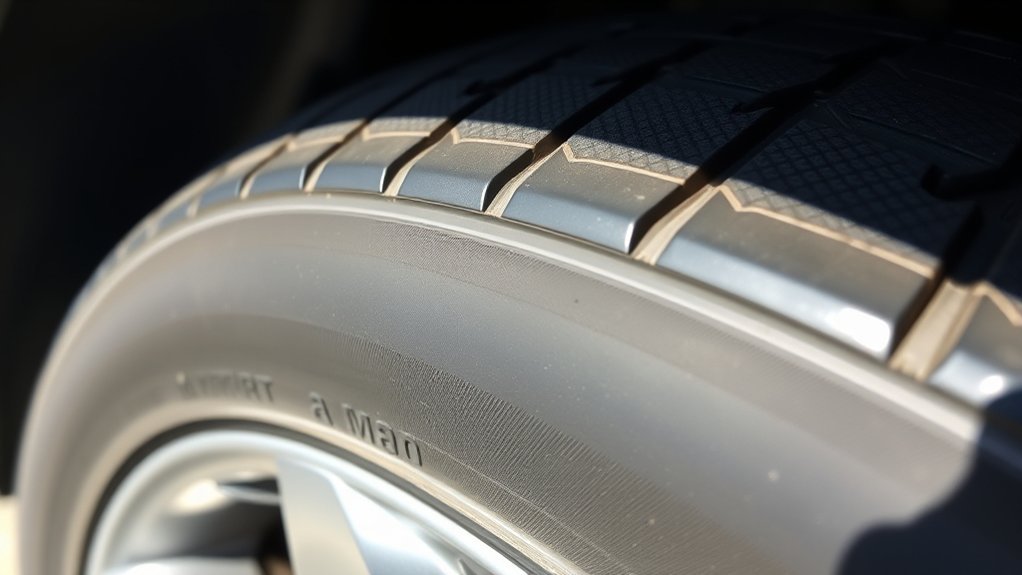
If your Honda Accord tires are wearing unevenly, start with the basics: tire pressure, rotation history, wheel alignment, tire balance, and suspension condition. Most uneven wear patterns point to one of those areas. A quick tread inspection can tell you whether you need a simple pressure correction, a rotation, an alignment, or a professional suspension check.
Quick Answer
Honda Accord tires usually wear unevenly because of incorrect cold tire pressure, missed rotations, wheel misalignment, unbalanced tires, worn shocks or struts, or damaged steering and suspension parts. Check pressure from the driver-door placard, inspect tread across the inner, center, and outer grooves, then schedule alignment or suspension service if wear keeps returning.
Key Takeaways
- Use the tire pressure listed on your Accord’s Tire and Loading Information Label, not the maximum PSI molded on the tire sidewall.
- Center wear often points to overinflation, both-edge wear often points to underinflation, and one-edge or feathered wear often points to alignment issues.
- Honda Maintenance Minder code 1 means tire rotation, and many tire-maintenance guides use 5,000 to 8,000 miles as a general rotation range when rotation is recommended.
- Replace tires when tread reaches 2/32 inch, and get help sooner if you see cords, bulges, cracks, vibration, or rapid air loss.
At a Glance
| Time Required | 10 to 20 minutes for a home inspection; longer if a shop checks alignment or suspension. |
| Difficulty | Easy for pressure and tread checks; moderate to professional for alignment, balance, and suspension diagnosis. |
| Tools Needed | Tire pressure gauge, tread depth gauge or penny, flashlight, and your Accord’s driver-door tire placard. |
| Cost | Home checks are usually low cost; alignment, balancing, suspension repair, or tire replacement depends on your shop and tire size. |
NHTSA reports 511 motor vehicle traffic fatalities in tire-related crashes in 2024, so uneven tire wear is not just a maintenance issue. It can become a safety issue if you ignore it.
Effective Maintenance Practices to Prevent Tire Wear
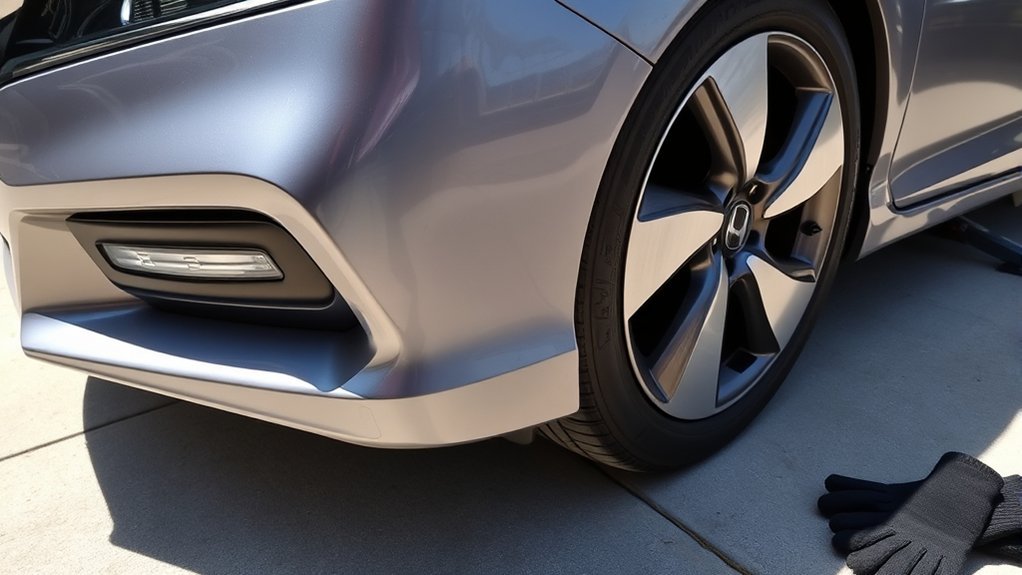
To prevent uneven tire wear on your Honda Accord, build a simple routine around pressure checks, tire rotation, alignment, and tread inspection. Check tire pressure at least once a month when the tires are cold. A cold tire means the car has been parked for about three hours or has only been driven a short distance.
Use the PSI shown on the Tire and Loading Information Label on the driver’s side door edge or doorjamb. Do not use the maximum PSI printed on the tire sidewall as your normal setting. Honda Accord pressure recommendations can vary by model year, trim, wheel size, and load.
Rotate your tires when your Honda Maintenance Minder shows service code 1, or follow your owner’s manual and tire manufacturer guidance. As a general rule, NHTSA says that if the manufacturer recommends rotation, many vehicles use a 5,000 to 8,000 mile range, or sooner if uneven wear appears. Honda’s Maintenance Minder system also uses service codes for items such as tires, brakes, filters, fluids, and inspections.
Use a tread depth gauge to measure the inner, center, and outer tread grooves on each tire. Replace tires when tread reaches 2/32 inch. If one area is much lower than the others, treat that pattern as a clue instead of just replacing the tire and hoping the problem goes away.
Pro Tip: Write down each tire’s tread depth in three spots: inner edge, center, and outer edge. That small log helps you catch alignment or pressure problems before a tire becomes unsafe.
Seasonal weather also matters. Temperature swings can change tire pressure, so check more often when the weather turns hot or cold. Proper inflation helps safety, tire life, and fuel economy. FuelEconomy.gov says proper tire inflation can improve gas mileage by 0.6% on average and up to 3% in some cases.
[Products Worth Considering]

This portable cordless tire inflator delivers up to 160 PSI with fast 17 L/min airflow to help you quickly top up tires and get back on the road. It features dual power mode, running on a 21V rechargeable battery or a 12V DC adapter for convenient roadside use. An automatic shut-off with digital pressure gauge helps prevent overinflation, and a built-in LED light improves visibility in low-light conditions.

The JACO FlowPro Tire Inflator measures, inflates, and airs down tires up to 100 PSI with battery-free operation and ±2% accuracy after calibration. It features a glowing pressure dial for night visibility, a heavy-duty steel build with a hybrid hose, and a precision push-to-inflate thumb trigger. The patented Lightning Air Chuck locks on for a secure seal, and the kit includes quick-connect hardware for easy inline use with your air compressor.

Blackline Blackout is a water-based trim and tire dressing that restores rubber, vinyl, and plastic with a rich satin, blackout look. Its no-sling formula dries quickly and helps prevent messy transfer onto paint. The coating repels water and offers UV protection to help prevent fading, cracking, and discoloration for a clean, long-lasting finish.
Common Causes of Uneven Tire Wear in Honda Accords
When your Honda Accord has uneven tire wear, the most common causes are incorrect tire pressure, missed rotation, misalignment, tire imbalance, worn suspension parts, or aggressive driving. Front-wheel-drive Accords can wear front tires faster because the front tires handle steering, braking, and much of the drive load.
Incorrect tire pressure changes how the tire meets the road. Too much air can increase wear near the center of the tread. Too little air can increase wear near both shoulders. Low pressure can also create extra heat, which increases the risk of tire damage during highway driving.
Wheel misalignment means the tires meet the road at the wrong angle. Toe, camber, or caster problems can cause one-sided wear, feathered tread edges, steering pull, or an off-center steering wheel. A hard pothole hit or curb strike can knock alignment out even if the car still feels mostly normal.
Worn suspension or steering components can also cause irregular wear. Bad shocks, struts, tie rod ends, control arm bushings, or ball joints can let the tire bounce, lean, or scrub instead of rolling cleanly. Honda maintenance schedules include inspection of tie rod ends, steering gear, and suspension components during service inspections.
Driving habits matter too. Fast cornering, hard braking, repeated pothole impacts, and carrying heavy loads can speed up tread wear. Additionally, regular balancing can help reduce vibration-related wear and improve tire life.
How to Spot Different Types of Tire Wear
To spot different types of tire wear on your Honda Accord, park on level ground, turn the steering wheel slightly for front-tire visibility, and inspect each tire under good light. Look across the full tread width, not just the outside shoulder you can see while standing beside the car. Additionally, regular alignment checks can help prevent excessive wear patterns and improve overall tire longevity.
Types of Wear Patterns
Identifying the wear pattern helps you decide what to check first. Use this table as a starting point, then confirm the cause with pressure readings, tread measurements, and a professional inspection if needed.
| Wear Pattern | What It Often Means | What To Do Next |
|---|---|---|
| Center wear | Possible overinflation or long highway use at excessive pressure. | Set cold PSI to the door placard and recheck tread monthly. |
| Both-edge shoulder wear | Possible underinflation, hard cornering, or overloading. | Correct pressure, check load, and inspect for sidewall damage. |
| One-sided inner or outer wear | Possible camber, toe, or worn suspension issue. | Schedule alignment and suspension inspection. |
| Feathered tread edges | Often linked to toe misalignment. | Have alignment checked, especially after a curb or pothole hit. |
| Cupping or scalloping | Possible worn shocks, struts, imbalance, or loose suspension parts. | Get tire balance, shocks, struts, and suspension checked. |
| Random patches or vibration wear | Possible tire imbalance, bent wheel, tire damage, or road-impact damage. | Have the tire and wheel inspected before longer trips. |
Causes of Uneven Wear
Uneven tire wear can come from more than one issue at the same time. For example, an underinflated tire can develop shoulder wear, while a misaligned wheel can also scrub one edge faster than the rest of the tread. That is why you should check pressure first, then compare tread depth across each tire.
One-sided wear usually points toward alignment or suspension geometry. Feathering often points toward toe settings. Cupping or scalloping can appear when a tire bounces against the road because of worn shocks, struts, imbalance, or loose parts. If the same wear pattern returns after new tires, the root cause is still on the car.
Identifying Tread Damage
Recognizing tire wear early helps protect your Honda Accord’s handling, braking, and ride quality. Start with a visual tread inspection, then use a tread depth gauge. Measure at several points around the tire because one section can be worse than the rest.
Look for cracks, bulges, exposed cords, embedded objects, sidewall bubbles, or tread separation. Also pay attention to new vibration, thumping, steering pull, or a tire that keeps losing air. Those symptoms may point to damage that a pressure adjustment cannot fix.
Warning: Do not keep driving on a tire with exposed cords, a sidewall bulge, rapid air loss, severe vibration, or visible tread separation. Install the spare if safe to do so and have the tire inspected or replaced.
Why Tire Pressure Checks Are Crucial
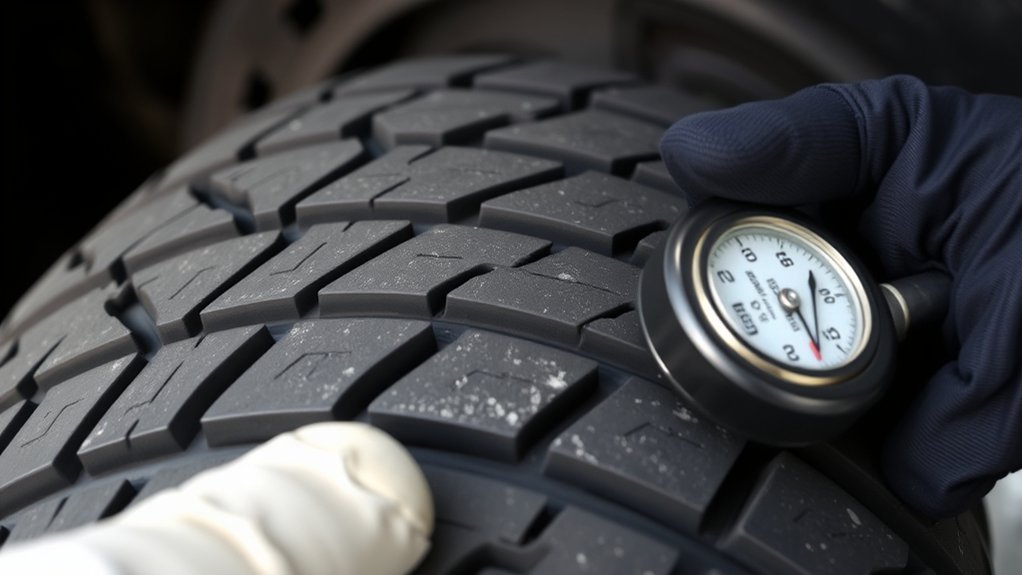
When you regularly check tire pressure, you help your Accord keep proper road contact. That affects handling, braking, tire temperature, tread life, and fuel use. Incorrect pressure can create uneven wear patterns and may increase the chance of tire failure. Additionally, proper tire pressure helps prevent excess heat buildup, which can further reduce tire life.
| Tire Pressure Issue | Likely Impact |
|---|---|
| Overinflation | Possible center wear, harsher ride, and reduced impact cushioning. |
| Underinflation | Possible shoulder wear, extra heat, lower fuel economy, and higher failure risk. |
| Monthly cold checks | Helps maintain the pressure Honda lists for your tire size and load. |
| Seasonal temperature swings | Can change pressure enough to trigger TPMS or uneven wear over time. |
| Correct placard pressure | Supports safer handling, better tire life, and better fuel efficiency. |
Do not rely only on the TPMS light. NHTSA explains that TPMS is not a substitute for regular tire maintenance because the warning usually appears only after a tire becomes significantly underinflated. Keep a tire pressure gauge in the car and check all four tires, plus the spare if your Accord has one.
How Misalignment Affects Tire Longevity
Maintaining proper tire pressure is only the first step. When your wheels are misaligned, the tires can scrub against the road instead of rolling straight. That scrubbing can create one-sided wear, feathered edges, steering pull, or a steering wheel that sits off-center while driving straight.
Schedule an alignment check after a hard pothole hit, curb strike, suspension repair, or tire replacement if your old tires showed uneven wear. You should also check alignment if your Accord pulls to one side, the steering wheel shakes, or the tread depth differs sharply from the inner edge to the outer edge. Additionally, paying attention to tire maintenance and service intervals can help extend tire life.
Note: Alignment does not repair worn tires. It corrects the angle problem that caused the wear. If a tire is already below safe tread depth or has damage, you may still need replacement.
[Products Worth Considering]

These universal aluminum tire valve stem caps help protect valve cores from corrosion caused by dirt, water, and snow while helping prevent air leaks to maintain steady tire pressure. They’re easy to install with a simple screw-on fit and are suitable for cars, SUVs, trucks, bicycles, motorcycles, and other vehicles. The stylish black caps add a clean, standout look to your wheels while supporting reliable long-term performance.

Keep RV, trailer, or truck dual-axle tires protected with waterproof, UV-resistant covers that help guard against sunlight, snow, rust, and dirt. The dual tire covers are easy to install with a rope/bungee fastener for a stable fit that won’t easily slip. Designed for 27–30 inch diameter wheels, they help maintain tire condition through harsh weather.
Recognizing Suspension Issues That Cause Uneven Tire Wear
If you notice uneven tire wear on your Honda Accord, inspect for possible suspension issues. Worn shocks, struts, springs, tie rods, ball joints, or control arm bushings can disrupt wheel control and tire contact. Regular inspections and alignments can help identify these problems before they damage another set of tires. Additionally, maintaining proper tire pressure management helps prevent further wear and supports better handling.
Common Suspension Problems
Uneven tire wear often signals an underlying issue that should not be ignored. Watch for these common suspension and steering problems:
- Misalignment: Pulling, an off-center steering wheel, or feathered tread can point to alignment trouble.
- Worn shocks or struts: Cupping, bouncing, nose-diving, or poor ride control can suggest worn dampers.
- Loose steering or suspension parts: Worn tie rod ends, ball joints, or bushings can let the wheel move out of its intended angle.
- Road-impact damage: Bent wheels, damaged tires, or shifted alignment can happen after potholes or curb hits.
Timely attention to these issues can reduce tire noise, improve ride stability, and protect your next set of tires.
Impact on Tire Wear
When suspension issues go unaddressed, they can cause tires to bounce, lean, drag, or scrub. That can shorten tire life and make the Accord feel less stable, especially during braking, lane changes, and wet-road driving.
| Issue | Effect on Tire Wear | Recommended Action |
|---|---|---|
| Misalignment | One-sided or feathered wear | Align wheels and inspect steering parts. |
| Worn shocks or struts | Cupping, scalloping, or patchy wear | Inspect and replace worn dampers as needed. |
| Overloading | Excess shoulder wear and heat buildup | Follow the load limit on the driver-door label. |
| Tire imbalance or bent wheel | Vibration, patchy wear, or noise | Balance tires and inspect wheels for damage. |
When Should You Consult a Professional for Tire Issues?
Noticing unusual tire wear patterns can signal problems that require professional attention. Get help if the issue returns after correcting pressure or rotating the tires. A shop can check alignment angles, road-force balance, wheel damage, and worn suspension parts.
- Uneven wear: Shoulder, one-sided, feathered, or cupped wear needs diagnosis if it appears quickly or keeps coming back.
- Steering issues: Pulling, shaking, wandering, or an off-center steering wheel can point to alignment, balance, or suspension trouble.
- Visible damage: Cracks, bulges, exposed cords, or tread separation can lead to tire failure.
- Pressure loss: A tire that repeatedly loses air may have a puncture, valve problem, bead leak, or wheel damage.
- Reduced fuel economy or noisy ride: These symptoms can appear with low pressure, drag, imbalance, or uneven tread.
Additionally, addressing misalignment or suspension issues early can prevent further tire damage and improve safety. Regular tire maintenance and timely inspections can extend tire life and help your Accord drive smoothly.
Frequently Asked Questions
How often should I rotate my Honda Accord tires?
Rotate them when Honda Maintenance Minder shows code 1, or follow your owner’s manual and tire manufacturer guidance. If rotation is recommended and you do not have a specific interval handy, many general tire-maintenance guides use 5,000 to 8,000 miles, or sooner if uneven wear appears.
What tire brands are best for Honda Accords?
Michelin, Bridgestone, Goodyear, Continental, Pirelli, Yokohama, and other major brands make tires that can fit many Accord trims. The best choice depends on your tire size, climate, driving style, budget, and whether you want all-season, touring, performance, or winter tires.
Can driving habits affect tire wear significantly?
Yes. Hard acceleration, aggressive braking, fast cornering, pothole impacts, and carrying excess weight can all speed up tire wear. Smoother driving, regular pressure checks, tire rotation, and timely alignment checks help the tread wear more evenly.
Is it safe to drive on unevenly worn tires?
Mild uneven wear may be safe long enough to drive to a tire shop, but severe wear is risky. Do not keep driving on tires with exposed cords, bulges, deep cracks, tread separation, rapid air loss, or vibration that feels unsafe.
How do temperature changes impact tire pressure and wear?
Temperature changes can raise or lower tire pressure, which changes how the tread contacts the road. Check cold tire pressure monthly and during major seasonal temperature changes. Use the PSI on your Accord’s driver-door placard.
Why are only my front Accord tires wearing faster?
Many Honda Accords are front-wheel drive, so the front tires handle steering, braking, and drive forces. Some extra front wear can be normal, but heavy shoulder wear, feathering, vibration, or one-sided wear still needs pressure, rotation, alignment, and suspension checks.
Can a bad alignment ruin new tires?
Yes. If the alignment problem remains, new tires can start wearing unevenly quickly. If your old tires had one-sided, feathered, or cupped wear, get the alignment and suspension checked before or soon after installing new tires.
Conclusion
To keep your Honda Accord’s tires in good shape, check cold tire pressure monthly, rotate tires on schedule, inspect tread depth across the full tire width, and address alignment or suspension problems early. Uneven tire wear usually has a cause, so replacing tires without fixing the root problem can waste money.
If you see cords, bulges, cracks, rapid air loss, severe vibration, or tread depth at 2/32 inch, treat the tire as a safety concern. A timely alignment, balance, or suspension inspection can protect your next set of tires and help your Accord drive more safely.
Sources
- NHTSA TireWise — tire pressure, tread depth, rotation, TPMS, tire-related crash safety data, and maintenance guidance.
- FuelEconomy.gov: Keeping Your Vehicle in Shape — fuel economy impact of proper tire inflation.
- Honda Canada Maintenance Schedules — Honda Maintenance Minder overview and service-code context.
- Honda Maintenance Minder A/0 Schedule — code 1 tire rotation and inspection items.

Related Articles
How Tall Is a 305 70 R17 Tire? Exact Height, Width & Dimensions
Curious how tall a 305 70 R17 tire really is—and whether it fits your truck?
Read More
Can-Am Defender Tire Size Guide: Stock Specs & Upgrade Options
Just how big can you go on a Can-Am Defender before mods become necessary?
Read More
How Tall Is a 275 65 20 Tire? Exact Height, Width & Dimensions
Check the exact height, width, and hidden fitment effects of a 275/65R20 tire before you buy or upgrade.
Read More