
Honda Accord All-Weather Tires: Are They Worth It
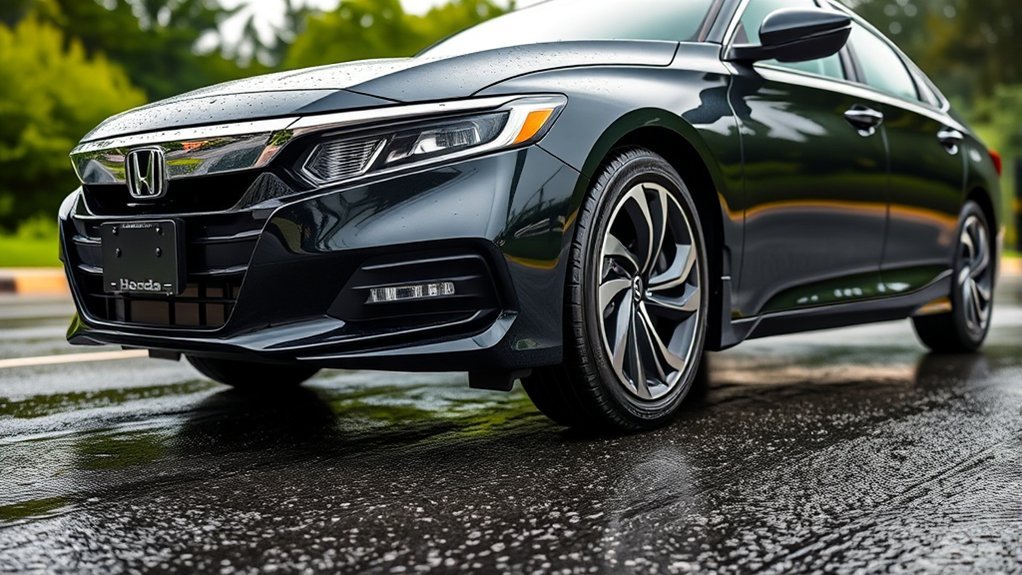
If you drive a Honda Accord and want one set of tires for most of the year, all-weather tires can be a smart choice. They are especially useful if you see rain, cold mornings, slush, or light to moderate snow but do not want to swap between summer or all-season tires and dedicated winter tires every season.
Quick Answer
All-weather tires are worth it for many Honda Accord drivers in mild to moderate winter climates. Choose them if you want year-round convenience, wet-road confidence, and better light-snow traction than standard all-season tires. Use dedicated winter tires instead if you often drive on ice, deep snow, or mountain roads.
Key Takeaways
- A true all-weather tire should carry the Three-Peak Mountain Snowflake (3PMSF) symbol, which means it meets severe-snow-service traction criteria.
- All-weather tires are more winter-capable than standard all-season tires, but dedicated winter tires are still better for frequent ice, deep snow, and long freezing periods.
- For a Honda Accord, always match the tire size, load index, speed rating, and pressure guidance shown on the driver-side door placard or owner information.
- Many popular all-weather touring tires carry 60,000- to 70,000-mile limited treadwear warranties, but real tire life depends on rotation, alignment, pressure, road conditions, and driving style.
Why Choose All-Weather Tires for Your Honda Accord?
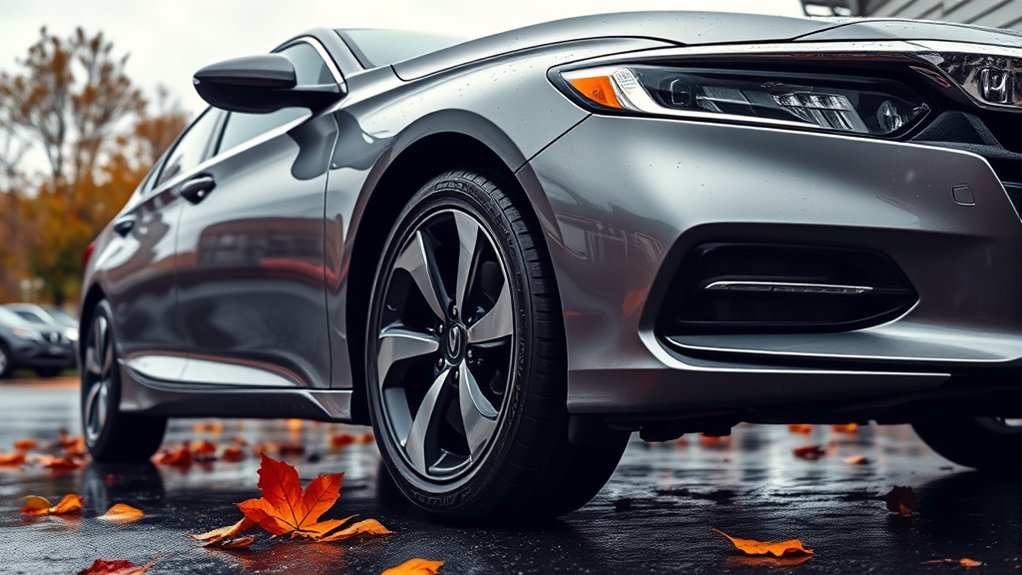
All-weather tires make the most sense when your Accord sees changing conditions: dry pavement one day, heavy rain the next, and occasional snow or slush in winter. They use tread patterns and rubber compounds designed to stay useful across a wider temperature range than many standard all-season tires.
The biggest difference is the snow rating. Look for the Three-Peak Mountain Snowflake (3PMSF) symbol on the tire sidewall. This marking shows that the tire meets industry performance criteria for severe snow conditions. Do not rely on the product name alone; verify the symbol on the exact tire model and size you plan to buy.
Note: “All-weather” and “all-season” are not always used consistently in marketing. For winter confidence, the sidewall symbol matters more than the label on the sales page. If it does not have 3PMSF, treat it like a normal all-season tire.
For many Accord owners, the main benefit is convenience. You can avoid seasonal tire changes while still getting better cold-weather and light-snow traction than a basic all-season tire. That said, all-weather tires are a compromise. They are not as specialized as winter tires on glare ice, packed snow, or steep mountain roads.
[Products Worth Considering]

The Big Rig Defense Tire Thumper is a truck tire pressure checker that lets you quickly check multiple tires by giving them a firm whack. Listen for a reassuring thump and feel the stick bounce when a tire is fully inflated, helping you get back on the road safely. It features a comfortable, glove-friendly handle and a secure wrist strap for confident use on busy routes.

Measure tire tread depth quickly and accurately with this LUMITECO dial gauge that reads in 1/32" increments up to 14/32". The color-coded green/yellow/red zones make it easy to judge tire wear and know when replacement is needed. A rugged, compact design with a protective pouch helps keep the gauge ready for use on cars, trucks, motorcycles, and more.

The UYYE TPMS relearn tool helps activate and relearn tire pressure monitor sensors quickly, typically in minutes. It supports TPMS learn mode resetting using a simple three-step process: enter learn mode, position the tool near the valve stem, and press the learn button. Designed for specific GM models, it streamlines sensor programming and reduces trips to dealers or tire shops.
Performance Benefits of All-Weather Tires
All-weather tires are built for drivers who need balanced performance. On a Honda Accord, that usually means stable wet-road handling, predictable braking, decent ride comfort, and enough snow traction for occasional winter storms.
Compared with many standard all-season tires, all-weather tires usually offer better winter traction because they have more siping, snow-focused tread features, and a compound that stays more flexible in cold weather. Compared with dedicated winter tires, however, they usually give up some grip in the harshest winter conditions in exchange for better year-round use.
Your tires are the only parts of your Accord that touch the road, so traction, tread depth, air pressure, and correct fitment matter as much as the tire category you choose.
Here is the practical way to compare the three main choices:
| Tire Type | Best For | Main Tradeoff |
| All-weather tires | Year-round driving, rain, cold roads, slush, and light to moderate snow | Not as strong as dedicated winter tires on ice or deep snow |
| All-season tires | Dry roads, wet roads, warm weather, and places with little or no snow | Usually weaker in snow and freezing conditions unless 3PMSF-rated |
| Winter tires | Frequent snow, ice, freezing temperatures, mountain passes, and rural winter roads | Need seasonal swapping and wear faster if driven in warm weather |
How to Decide Between All-Weather, All-Season, and Winter Tires
Start with your local weather, not the tire name. If winter usually means cold rain, occasional slush, and a few snow days, all-weather tires are often the most practical one-set solution for a Honda Accord. If winter means regular ice, unplowed roads, steep hills, or long stretches below freezing, dedicated winter tires are the safer choice.
Choose all-weather tires if you want:
- One set of tires for the whole year
- Better snow traction than typical all-season tires
- Good wet-road performance for commuting
- A practical balance of comfort, tread life, and winter capability
- Less hassle than storing and swapping two sets of tires
Choose winter tires if you want maximum cold-weather and snow performance. Winter tires use more aggressive tread patterns and compounds built specifically for snow, ice, and freezing temperatures. They are the best option if winter driving is a regular part of your routine.
Choose all-season tires if you live where snow is rare and most of your driving happens on dry or wet pavement in moderate temperatures. All-season tires can be quieter, more efficient, or longer-wearing in some cases, but many do not match a 3PMSF-rated all-weather tire in snow.
Warning: All-weather tires are not a free pass to drive normally in ice storms, deep snow, or whiteout conditions. Slow down, increase following distance, and use dedicated winter tires if your Accord regularly faces severe winter roads.
Key Considerations for Buying All-Weather Tires
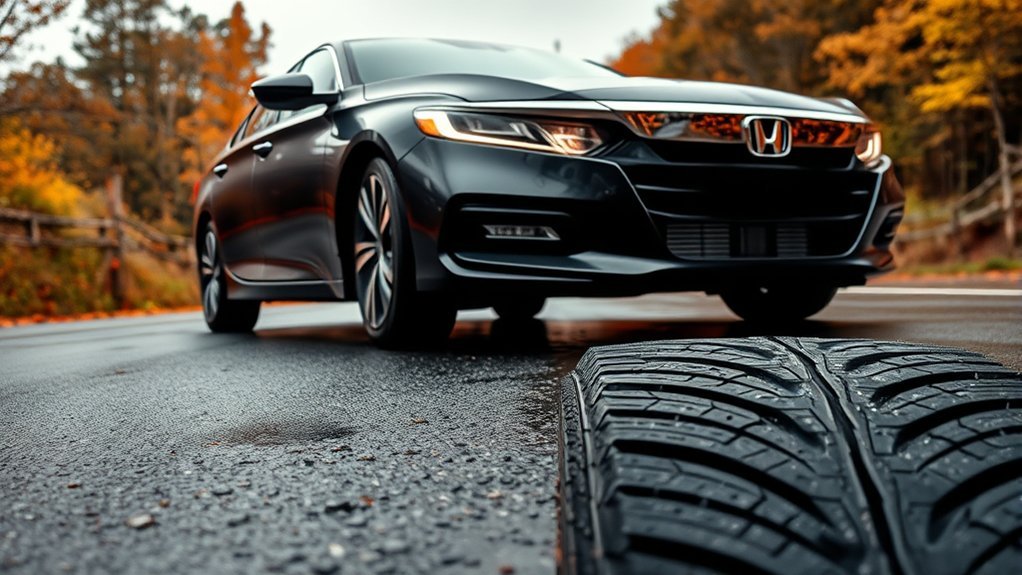
Before buying all-weather tires for your Honda Accord, check the details that affect safety, ride quality, and tire life. Honda’s owner information says tires must be the proper type and size, in good condition, with adequate tread and correct inflation. That means the best tire is not just the one with the strongest marketing claim; it is the one that properly fits your Accord.
Use this checklist before you buy:
- Tire size: Match the size on the driver-side door placard or your current approved tire size.
- Load index and speed rating: Choose a tire that meets or exceeds the rating required for your Accord.
- 3PMSF symbol: Confirm the tire carries the three-peak mountain snowflake symbol if winter traction is a priority.
- Treadwear warranty: Compare model-specific warranties. For example, Michelin lists a 60,000-mile limited mileage warranty for the CrossClimate2, while Bridgestone lists a 70,000-mile limited warranty for the WeatherPeak.
- Ride and noise: Read current test results and owner reviews for the exact tire model and size, because tread pattern can affect road noise.
- Wet braking: Prioritize wet braking if your area gets heavy rain. Wet-road stopping distance matters for daily commuting.
- Full set replacement: Avoid mixing different tire types, tread patterns, or wear levels, especially across the same axle.
Pro Tip: Take a photo of your driver-side door tire placard before shopping. It helps you confirm size, pressure, and ratings quickly when comparing all-weather tire options online or at a tire shop.
How Long Do All-Weather Tires Last on a Honda Accord?
Many popular all-weather touring tires advertise limited treadwear warranties in the 60,000- to 70,000-mile range, but that is not the same as a guaranteed real-world lifespan. Your Accord’s alignment, tire pressure, rotation schedule, road surface, driving style, and climate all affect how long the tread lasts.
For the best tire life:
- Check tire pressure when the tires are cold, at least monthly and before long trips.
- Rotate the tires on schedule according to your owner information or tire-shop recommendation.
- Inspect tread depth and sidewalls for uneven wear, cracks, bulges, or cuts.
- Have the alignment checked if the Accord pulls, vibrates, or wears one tire edge faster than the others.
- Check for tire recalls through NHTSA TireWise if you notice unusual wear or receive a tire notice.
Do not wait until the tread is completely worn. A tire can still look “usable” but lose wet-road and snow performance as tread depth drops. If winter traction matters to you, replacing the tires before they reach the legal minimum can make a noticeable difference.
[Products Worth Considering]
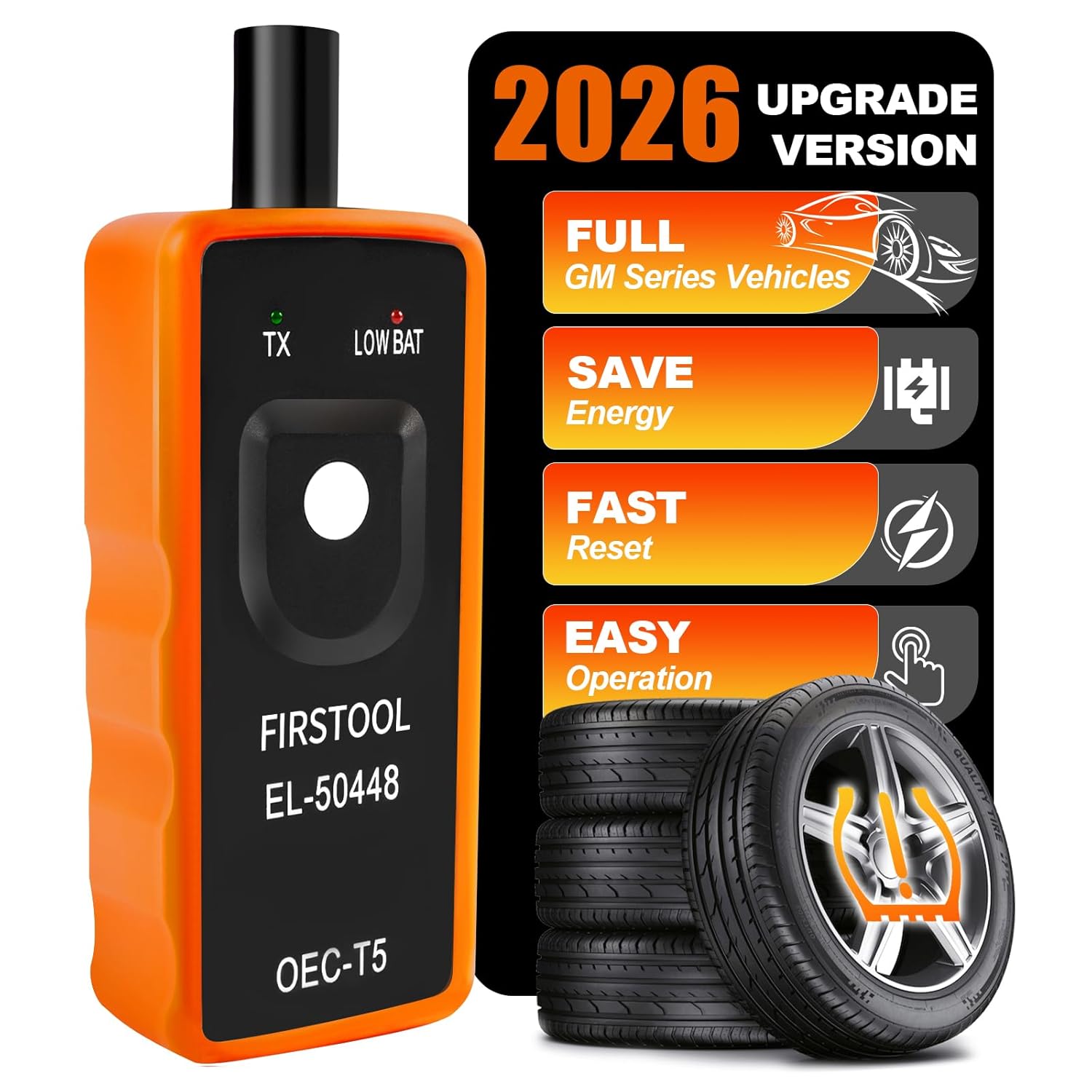
This TPMS relearn tool helps you quickly activate, match, and reset GM tire pressure sensors to keep the vehicle monitoring system working properly. It clears tire pressure alarms and dashboard warning lights after sensor replacement or tire rotation, and supports learning for common 315/433 MHz TPMS sensors. Designed for simple one-button operation, it can help you avoid unnecessary trips to repair shops.

Milton S-921 pencil tire pressure gauge helps you maintain optimal tire pressure for passenger cars with accurate readings in PSI and kPa. It features a built-in deflator valve for convenient pressure adjustments, plus a single chuck head and nylon indicator bar for easy use on the go. Built from durable plated brass and designed for reliable performance, it’s a practical road trip and cold-weather maintenance tool.

The SAFELIFE dial tire tread depth gauge measures tread depth in 1/32 inch increments with clear, easy-to-read 2-inch dial face. Color zones using a traffic light system help you quickly judge whether tread is low, marginal, or ample for safer driving. Built with a durable zinc cast body and a metal detect probe for precise, comfortable use across cars, motorcycles, trucks, and buses.
When All-Weather Tires Are Not Worth It
All-weather tires are versatile, but they are not always the best choice. You may be happier with another tire type if your driving needs are more specific.
Skip all-weather tires and consider dedicated winter tires if you:
- Drive through regular lake-effect snow, mountain passes, or rural roads that stay snow-covered
- Need the shortest possible stopping distance on packed snow or ice
- Have a long winter commute before roads are plowed
- Frequently drive in freezing rain or icy conditions
Skip all-weather tires and consider performance all-season or summer tires if you:
- Live in a warm climate with almost no winter weather
- Prioritize sharp handling, sporty steering response, or maximum dry grip
- Want the quietest possible highway ride and do not need snow traction
For most daily-driven Honda Accords, though, all-weather tires sit in a useful middle ground. They give you more winter confidence than many basic all-season tires while avoiding the storage, appointment, and swap costs that come with a separate winter set.
Community Honda Cedar Falls: A Local Tire Support Option
If you are near Cedar Falls, Iowa, Community Honda Cedar Falls is one local Honda dealer option at 4617 University Ave., Cedar Falls, IA 50613. A Honda dealer or trusted tire shop can help confirm the correct Accord tire size, inspect tread wear, reset or calibrate TPMS if needed, and install a matched set of all-weather tires.
Before booking, call ahead to confirm current tire inventory, installation pricing, road-hazard coverage, alignment availability, and whether the tire model you want is available in your Accord’s exact size. This is especially important before winter, when popular 3PMSF tire sizes can sell out quickly.
Frequently Asked Questions
Are all-weather tires worth it for a Honda Accord?
Yes, all-weather tires are worth it if your Honda Accord sees rain, cold roads, slush, and occasional snow, and you want one set of tires for the full year. They are less ideal if you regularly drive on ice, deep snow, or mountain roads.
Are all-weather tires the same as all-season tires?
No. Standard all-season tires are mainly built for dry and wet roads in moderate weather. All-weather tires are usually designed with more winter capability and should carry the 3PMSF symbol for severe-snow-service traction.
Do all-weather tires replace winter tires?
They can replace winter tires for some drivers in mild to moderate winter climates. They do not fully replace dedicated winter tires for frequent ice, deep snow, steep hills, or long periods of freezing weather.
How long do all-weather tires last on a Honda Accord?
Many popular all-weather touring tires have limited treadwear warranties around 60,000 to 70,000 miles. Real-life tread life depends on pressure, rotation, alignment, road conditions, tire model, and driving style.
What billionaire drives a Honda Accord?
Jeff Bezos is the billionaire most often associated with driving a Honda Accord, especially a 1997 Honda Accord from Amazon’s early years. Warren Buffett is better known for his modest car choices too, but he is more commonly reported as driving a Cadillac, not a Honda Accord.
Conclusion
All-weather tires can be a smart choice for your Honda Accord if you want one dependable set of tires for rain, cold roads, and occasional snow. They offer more winter confidence than many standard all-season tires and remove the hassle of seasonal tire swaps. However, they are not the best answer for every driver. If your winters include frequent ice, deep snow, or mountain travel, dedicated winter tires are still the stronger safety choice.
The best move is simple: match the tire to your climate, driving habits, and Accord’s required size and ratings. Look for the 3PMSF symbol, compare wet and snow performance, maintain proper tire pressure, and rotate the tires regularly. Do that, and all-weather tires can give your Honda Accord a safe, convenient, year-round setup.
Sources
- U.S. Tire Manufacturers Association: TISB 37 Severe Snow Conditions — backs up the 3PMSF severe-snow-service explanation.
- NHTSA TireWise — backs up tire safety, inflation, tread, recalls, and maintenance guidance.
- Honda 2025 Accord Owner Information: Checking Tires — backs up Honda-specific tire size, condition, tread, and inflation guidance.
- Tire Rack: All-Weather vs. Winter Tires Test — backs up performance differences between all-weather and dedicated winter tires.
- Michelin CrossClimate2 — backs up an example of a 3PMSF tire with a 60,000-mile limited mileage warranty.
- Bridgestone WeatherPeak — backs up an example of a 3PMSF tire with a 70,000-mile limited warranty.
[Products Worth Considering]

These aluminum alloy tire valve stem caps protect the valve core from corrosion and help prevent air leakage for more stable tire pressure. The rubber ring design helps support a secure, safe seal while adding a stylish look to your Honda wheels. Easy to install by hand, these caps are ideal for everyday driving and weather exposure.

Vigorder rubber cement glue delivers superior adhesion and cures quickly within about 30 seconds for seamless rubber bonding. Once cured, it helps provide a strong, durable, waterproof seal that holds up to vehicle weight, pressure, and heat. Suitable for cars, motorcycles, trucks, bicycles, and off-road tires, it’s designed for emergency patch and maintenance repairs.

Monitor tire tread wear with a smart, color-coded depth gauge that shows clear condition ranges at a glance. The bar is range marked for fast, easy readings, helping you maintain safer traction and performance. Each gauge is portable with a pocket clip, and the set includes 20 units for daily use and sharing.

Related Articles
How Tall Is a 305 70 R17 Tire? Exact Height, Width & Dimensions
Curious how tall a 305 70 R17 tire really is—and whether it fits your truck?
Read More
Can-Am Defender Tire Size Guide: Stock Specs & Upgrade Options
Just how big can you go on a Can-Am Defender before mods become necessary?
Read More
How Tall Is a 275 65 20 Tire? Exact Height, Width & Dimensions
Check the exact height, width, and hidden fitment effects of a 275/65R20 tire before you buy or upgrade.
Read More