
Why Honda Accord Tires Wear Out on the Outside Edge
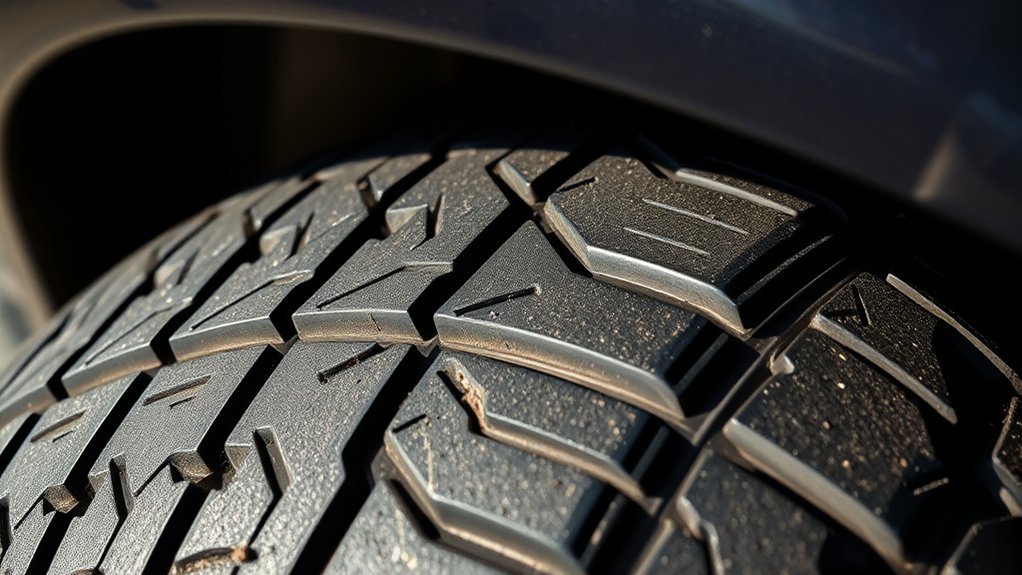
If your Honda Accord tires are wearing out on the outside edge, it’s likely due to misalignment, improper tire pressure, or aggressive driving habits. Misalignment can occur from hitting potholes, resulting in uneven tire degradation. Overinflation and underinflation can both cause excess wear. Aggressive driving stresses the outer edges of your tires, further accelerating wear. Being aware of these factors can help you maintain your tires better. You’ll discover more tips to prevent this issue.
Understanding Uneven Tire Wear on Honda Accords
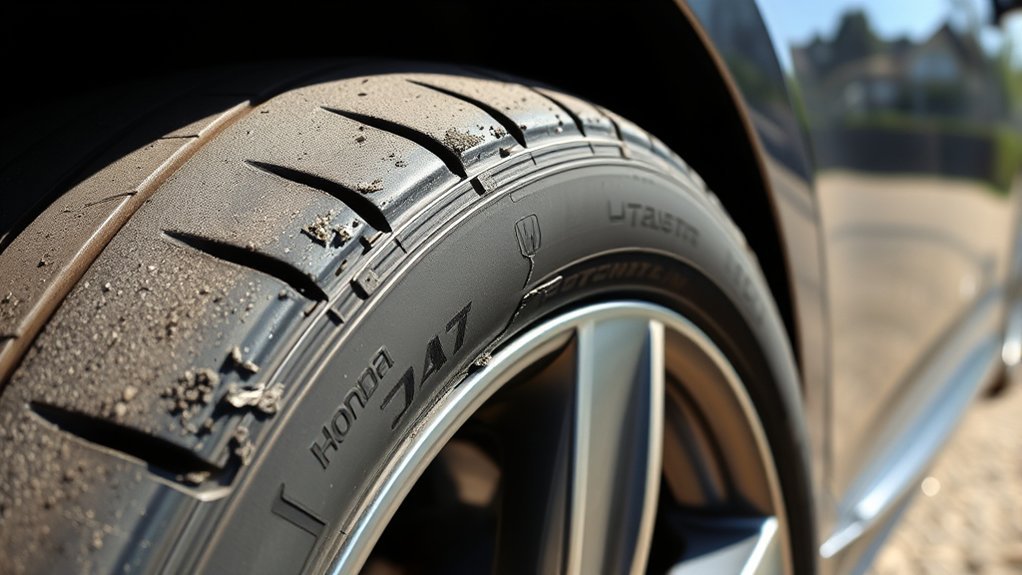
When you notice uneven tire wear on your Honda Accord, it’s important to understand the underlying causes to prevent further issues. Regular tire rotation is essential; neglecting it can lead to accelerated outside edge wear, especially on front tires. To maintain peak performance, you should also keep an eye on your tire pressure. Both overinflation and underinflation can create uneven contact with the road, worsening wear indicators. Additionally, regular tire pressure checks are crucial to ensuring safety and vehicle performance.
A thorough suspension inspection is critical, too. Worn components like struts and control arms can alter camber angles, causing the outside edges to wear more quickly. Additionally, your driving techniques play a significant role; aggressive driving and hard cornering can stress those outer tire edges, leading to premature wear. By understanding these factors, you can take proactive steps to guarantee your tires wear evenly, enhancing both safety and performance on the road.
Common Causes of Uneven Tire Wear
Uneven tire wear on your Honda Accord can often stem from a variety of common issues that, if left unaddressed, may compromise your vehicle’s performance. Misalignment is a primary culprit, often caused by hitting potholes or worn suspension components. This misalignment can lead to excessive wear on the outer edges of your tires. Similarly, incorrect tire pressure—whether overinflated or underinflated—creates increased friction, accelerating tire wear.
Regular tire rotations are essential; neglecting them can cause uneven wear across the tire surface. If you drive aggressively, making sharp turns or sudden stops, you’re also placing excessive stress on those outer edges, contributing to premature wear. Finally, worn suspension components like struts or control arm bushings can disrupt alignment, exacerbating the problem. To keep your tires healthy, prioritize alignment checks and maintain a consistent tire rotation schedule. Additionally, regular alignment checks can prevent excessive negative camber and further tire degradation.
How Wheel Alignment Affects Tire Wear
Misalignment directly impacts tire wear patterns on your Honda Accord, causing specific areas of the tires to degrade faster than others. When your wheels are misaligned, the following issues can arise:
Misalignment affects tire wear on your Honda Accord, leading to uneven degradation and potential performance issues.
- Excessive Toe-In: This can lead to rapid outer edge wear.
- Worn Suspension Components: These can alter tire contact angles with the road.
- Pothole Impacts: Even minor hits can disrupt your alignment.
- Neglected Alignment Checks: Regular checks every 6,000 to 12,000 miles are essential.
Ignoring alignment issues can accelerate tire wear, shortening your tire lifespan and leading to unpredictable handling. To maintain peak performance and prolong tire life, verify your wheels are aligned correctly and keep tires properly inflated. By staying proactive about wheel alignment, you can liberate your driving experience, avoiding costly replacements and enhancing safety on the road. Additionally, ensuring matched tire performance can further prevent uneven wear and improve overall drivability.
How Tire Pressure Influences Outer Edge Wear
Tire pressure plays an essential role in how your Honda Accord’s tires wear, particularly on the outer edges. Overinflation leads to reduced contact with the road, while underinflation creates excessive friction, both contributing to uneven wear. Regularly checking and maintaining your tire pressure according to manufacturer specifications helps guarantee balanced wear and enhances overall performance. Proper tire maintenance practices can help prevent uneven tire wear and extend the lifespan of your tires.
Tire Pressure Effects
While you might not think about tire pressure often, it plays an essential role in how your Honda Accord wears its tires, particularly on the outer edges. Here’s how proper inflation levels impact your tires:
- Overinflation reduces the contact patch, causing outer edge wear due to diminished grip.
- Underinflation enlarges the contact area, leading to excessive friction and heat, which accelerates outer edge wear and increases blowout risks.
- Regular checks, ideally monthly, guarantee you maintain the manufacturer’s recommended tire pressure.
- Consistent monitoring: A 1 psi drop can increase tire wear by 10%, emphasizing the need for vigilance.
Overinflation Risks Explained
Maintaining the right tire pressure is essential not just for safety but also for the longevity of your Honda Accord’s tires. Overinflation effects can be significant; when your tires are inflated beyond manufacturer recommendations, they lose contact area with the road. This causes increased wear on the outer edges, as higher pressure concentrates in a smaller area. Additionally, overinflated tires become rigid, which decreases flexibility and heightens friction during turns. Studies show that for every 1 psi increase above the recommended level, outer edge wear can spike by up to 10%. Regularly checking tire pressure—ideally monthly—can help mitigate these issues, promoting even tread wear and ensuring better handling and traction on the road.
Underinflation Consequences Highlighted
When your Honda Accord’s tires are underinflated, you’re not just compromising safety; you’re also setting the stage for uneven wear, particularly on the outer edges. Here’s how tire pressure affects wear patterns:
- Increased Contact Patch: Underinflation enlarges the tire’s contact area with the road, causing excessive friction.
- Accelerated Heat Build-Up: More friction generates additional heat, leading to faster wear on the outer edges.
- Uneven Tread Wear: With lower pressure, the outer edges wear out quicker than the center.
- Higher Blowout Risk: Underinflated tires are prone to blowouts in severe conditions due to uneven wear.
Regularly checking tire pressure guarantees even weight distribution, prolonging tire life. Stay vigilant to avoid costly replacements and enhance safety!
The Impact of Suspension Issues on Tire Health
Suspension issues can considerably impact your tires’ health, leading to uneven wear that shortens their lifespan. Worn struts or sagging springs can cause misalignment, resulting in excessive wear on the outside edge of your tires. If you notice irregular wear patterns, it’s time to evaluate suspension diagnostics. A bent axle beam or faulty camber alters how your tires contact the road, worsening the problem.
Regularly inspecting suspension components is essential; worn control arm bushings can misplace your wheels, further contributing to uneven tire wear. You can perform a simple bounce test: if your vehicle levels off within 1.5 bounces, your struts are likely in good shape. Addressing these suspension problems promptly not only enhances tire longevity but also guarantees a safer driving experience. Additionally, misaligned wheels can exacerbate uneven tire wear, making it crucial to address any alignment issues. Don’t let overlooked suspension issues lead to costly tire replacements—stay proactive and keep your vehicle in top condition.
How Driving Habits Lead to Uneven Tire Wear
Driving habits play an essential role in determining how your tires wear over time. Your driving techniques directly influence tire performance, leading to uneven wear if not managed correctly. Here are some key factors to take into account:
- Aggressive Acceleration and Braking: Rapid starts and stops stress the outer edges of your tires.
- Sharp Turns: Frequent sharp turns increase friction, worsening outside edge wear.
- Poor Road Conditions: Maneuvering around potholes and uneven surfaces can cause misalignment, exacerbating wear.
- Smooth Driving Style: Gradual acceleration and deceleration help distribute wear evenly across the tread. Regular monitoring of tire pressure management can also play a crucial role in preventing uneven wear.
Why Regular Tire Maintenance Matters

Regular tire maintenance is essential for ensuring safety and extending the lifespan of your tires. By checking tire pressure monthly, you can prevent uneven wear and maintain optimal road contact. Tire rotation every 6,000 to 7,000 miles is critical; it helps distribute wear evenly across all tires, greatly reducing the risk of premature outer edge wear. Additionally, an alignment check every 3,000 to 4,000 miles or after a major impact can keep your tires aligned, preventing further uneven wear. Regular inspections of suspension components, like struts and bushings, are essential too. By prioritizing these maintenance practices, you’ll not only enhance your driving experience but also liberate yourself from the stress of unexpected tire issues. Moreover, proper inflation can improve fuel economy by up to 3%.
Signs of Uneven Tire Wear and When to Check?
As you keep an eye on your tires, recognizing the signs of uneven wear can save you from costly replacements and safety issues down the road. Look out for these key indicators:
- Visible tread patterns: Notice if one side wears more than the other.
- Feathering or scalloping: These patterns suggest misalignment that needs addressing.
- Tread depth: If the outer edge falls below 2/32 of an inch, it’s time for a replacement.
- Tire pressure: Check monthly to verify it aligns with manufacturer recommendations.
Regular tire rotation and thorough tread inspection can help you spot these issues early. Additionally, balancing tires is essential for maintaining even wear, so schedule alignment checks every 6,000 to 12,000 miles or after any significant impact. Staying vigilant about these signs not only enhances your vehicle’s performance but also guarantees your safety on the road.
Solutions to Fix and Prevent Uneven Tire Wear
To keep your Honda Accord’s tires in top shape, regular maintenance is key. By ensuring proper wheel alignment and monitoring your driving habits, you can greatly reduce the chances of uneven tire wear. Let’s explore some effective solutions to keep your tires performing at their best. Additionally, consider rotating your tires every 5,000 to 7,000 miles to minimize uneven wear and enhance handling.
Regular Tire Maintenance
Maintaining your Honda Accord’s tires is essential for ensuring ideal performance and longevity. To prevent uneven wear, follow these key maintenance tips:
- Check tire pressure regularly according to manufacturer specifications to avoid underinflation or overinflation.
- Schedule tire rotation every 6,000-7,000 miles or with each oil change to promote even tread wear.
- Inspect tread depth consistently; replace tires when they reach the minimum legal limit.
- Monitor driving habits and adopt smoother techniques to reduce stress on tire edges.
Proper Wheel Alignment
Proper wheel alignment is vital for maximizing tire life and guaranteeing your Honda Accord handles smoothly. Misalignment can lead to uneven wear, especially on the outside edges, so it’s important to address this issue. Regular alignment service can help you spot camber or toe-in problems before they escalate. It’s recommended to check your alignment every 6,000 to 12,000 miles or after hitting a pothole or curb. This proactive approach allows you to reap the wheel alignment benefits, extending tire life and enhancing performance. Additionally, regular tire rotation every 6,000 to 7,000 miles guarantees even weight distribution, further supporting your alignment efforts. Prioritize these practices to keep your ride smooth and your tires in top shape.
Monitor Driving Habits
Monitoring your driving habits can make a significant difference in preventing uneven tire wear on your Honda Accord. Adopting a smooth driving style not only enhances comfort but also promotes stress reduction for your tires. Here are some key practices to reflect on:
- Gradual Stops: Avoid hard braking; come to a stop smoothly.
- Steady Acceleration: Accelerate gently to reduce stress on outer edges.
- Check Tire Pressure: Maintain proper inflation to prevent uneven wear.
- Routine Rotations: Rotate tires every 6,000-7,000 miles for even wear.
Frequently Asked Questions
What Condition Causes Excessive Wear on the Outside Edge of a Tire?
Excessive wear on the outside edge of a tire often results from improper tire alignment and underinflation. These conditions increase contact with the road, leading to uneven wear and potentially compromising your tire’s performance.
Why Are the Outsides of My Tires Bald?
If your tires are bald on the outsides, it’s likely due to alignment issues or low tire pressure. Both lead to uneven wear, turning your tires into tired warriors, struggling against the road’s demands.
What Will Most Likely Cause a Tire to Wear Excessively on Both Outside Edges?
Improper tire alignment and suspension issues often cause your tires to wear excessively on both outside edges. Regularly checking your alignment and addressing any suspension problems can help extend tire life and enhance driving performance.
Conclusion
In the grand symphony of driving, your tires are the unsung heroes, and uneven wear is a discordant note. By keeping a close eye on alignment, pressure, and maintenance, you can guarantee your tires dance smoothly along the road. Don’t let the outer edges bear the brunt of the journey; treat them with care and your Honda Accord will glide gracefully, mile after mile. Remember, a little attention now can save you from a flat-out disaster later!

Related Articles
What Causes Inner Tire Wear on a Honda Accord
Prevent inner tire wear on your Honda Accord by understanding its causes—discover the surprising factors that could be affecting your tires today.
Read More
Honda Accord Tire Cupping: What It Is and How to Stop It
Get the lowdown on Honda Accord tire cupping and uncover essential tips to prevent it before it impacts your safety on the road.
Read More
Tire Feathering on the Honda Accord: Causes and Fixes
Discover the causes of tire feathering on your Honda Accord and learn essential fixes to enhance performance—don’t let uneven wear compromise your ride.
Read More