UTQG Ratings Meaning: A Guide for Toyota RAV4 Owners
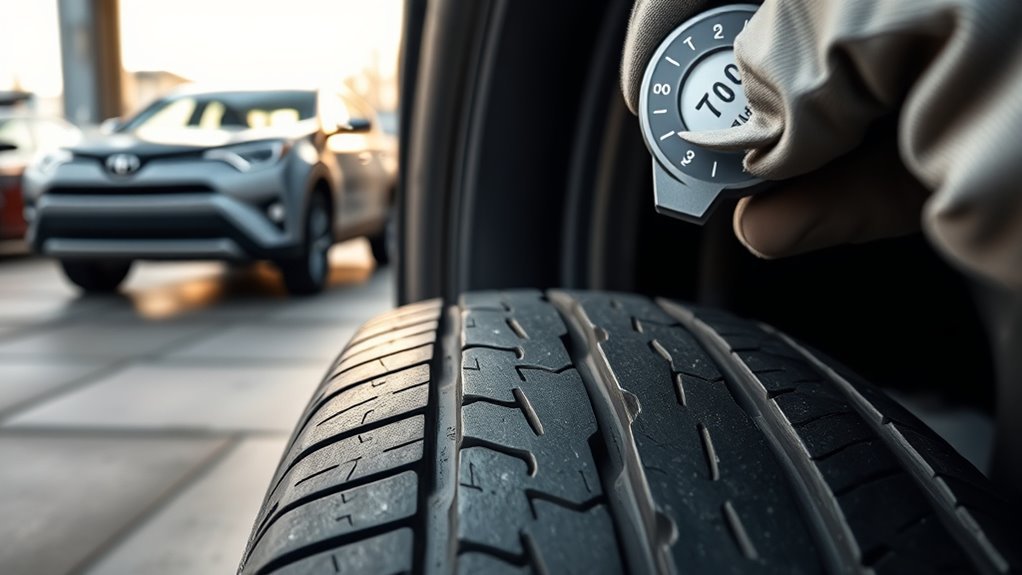
UTQG ratings help you choose the right tires for your Toyota RAV4 by evaluating treadwear, traction, and temperature performance. Treadwear grades indicate how long a tire might last, while traction ratings show wet performance, which is essential for safety. Temperature grades reveal how well a tire withstands heat. Understanding these ratings not only enhances your driving experience but also guarantees safety on the road. Want to know how to pick the best tires based on these ratings?
Why Understanding UTQG Ratings Is Crucial for Your RAV4
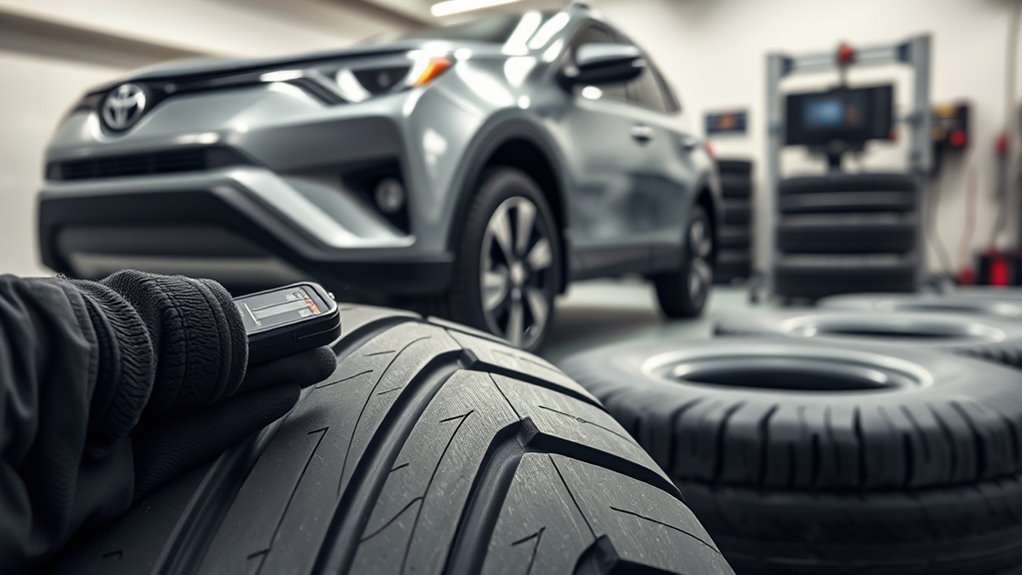
When it comes to choosing the right tires for your Toyota RAV4, understanding UTQG ratings is fundamental. These ratings help you make informed tire selections based on key performance factors like treadwear, traction, and temperature resistance. The treadwear grade indicates how long your tires are likely to last, allowing you to pick options that offer durability compared to a control tire rated at 100.
A high traction grade, such as AA or A, enhances your RAV4’s wet braking performance, critical for safety during rainy conditions. Additionally, the temperature grade reflects how well the tire dissipates heat, which is essential for those driving in hot climates or at high speeds. By reviewing UTQG ratings, you can align your tire choices with your driving habits and conditions, ensuring peak performance and safety on the road.
Breaking Down the UTQG Ratings: Treadwear, Traction, and Temperature
Understanding UTQG ratings is essential as they provide a clear snapshot of a tire’s performance characteristics, particularly for your Toyota RAV4. The treadwear grade reflects tire longevity, comparing durability against a reference tire rated at 100. For example, a tire rated at 400 should last four times longer under similar conditions.
Next, traction grades range from AA to C, with AA indicating superior wet-braking performance—crucial for your safety in rainy weather. Only about 15% of tires achieve this top rating, so it’s worth considering.
Lastly, the temperature grade assesses a tire’s ability to resist heat buildup at high speeds. An A rating signifies the best performance, helping maintain tire integrity during long trips. Remember, these ratings come from controlled testing, so real-world performance can vary. Always consider consumer reviews and proper maintenance to maximize your RAV4’s safety features and tire longevity.
The Impact of Treadwear Ratings on Your Driving Experience
Treadwear ratings play a significant role in shaping your driving experience with the Toyota RAV4. These ratings help you gauge how long your tires might last based on your driving habits and conditions. Here’s how treadwear impact can change your journey:
- Longevity: A tire rated at 500 could offer around 50,000 miles, giving you peace of mind during long trips.
- Maintenance Awareness: Regularly checking your tire pressure and alignment can enhance treadwear, maximizing your investment.
- Driving Style: Aggressive acceleration or frequent harsh braking can wear tires faster, regardless of their rating.
Understanding treadwear ratings helps you make informed choices, ensuring you enjoy the freedom of the open road while minimizing unexpected tire issues. Remember, while ratings provide guidelines, your unique driving habits and road conditions ultimately shape your tire performance. Prioritize both for a smoother, safer ride.
Understanding Traction Ratings: How They Impact Safety in Wet Conditions?

Traction ratings are vital for guaranteeing your safety while driving your Toyota RAV4 in wet conditions. These ratings, part of the UTQG system, assess how well your tires perform on slick surfaces, ranging from AA to C. Tires with an AA rating offer superior wet traction, essential for preventing hydroplaning and guaranteeing shorter stopping distances. Only about 15% of tires achieve this top grade, making it a smart choice for boosting your driving confidence.
While an A grade also provides excellent traction, a B grade may suffice but increases your risk in severe weather. The NHTSA’s standardized tests guarantee consistency in these ratings, measuring wet braking performance from 40 mph. By understanding traction ratings and selecting tires with higher grades, you can considerably enhance your safety, allowing you to navigate rainy roads with greater assurance and peace of mind.
UTQG Temperature Ratings: Ensuring Tire Durability
When you’re driving your Toyota RAV4, knowing how well your tires handle heat is essential for ensuring durability and safety. The UTQG temperature rating helps you assess this critical aspect, graded as A, B, or C. Here’s why it matters:
- A Rated Tires: Designed for high-performance, they resist heat buildup, ensuring safer long drives.
- Heat Resistance: Excessive heat can lead to tire failure, so understanding temperature effects can prevent roadside emergencies.
- All-Season Assurance: Most all-season tires achieve an A rating, reflecting their durability across varied conditions.
How to Read and Interpret UTQG Ratings on Tires
When you look at UTQG ratings on your tires, you’ll notice three key components: treadwear, traction, and temperature. Understanding the treadwear grade helps you gauge how long your tires will last, while traction ratings indicate their performance on wet surfaces. By checking these values on the tire sidewall, you can make informed decisions that enhance your safety and driving experience.
Understanding Treadwear Grades
- A rating of 200 means your tire will last twice as long as one rated at 100.
- Treadwear grades aren’t mileage guarantees; they serve as a comparison tool.
- Real-world factors, like driving habits and proper tire maintenance, can impact actual tire life.
Keep an eye on treadwear indicators for timely replacements, ensuring safety and peak performance. By understanding these treadwear factors, you can make informed choices that enhance your driving experience.
Interpreting Traction Ratings
Understanding traction ratings is vital for choosing the right tires for your Toyota RAV4, especially if you often drive in wet conditions. The UTQG system classifies traction as AA, A, B, or C, with AA representing superior performance in wet conditions. Only about 15% of tires earn this top grade, while A ratings dominate the market at around 75%. Higher grades indicate shorter stopping distances during standardized wet braking tests, important for safety. A C rating, the minimum acceptable, suggests marginal traction, which can lead to safety issues. When selecting tires, prioritize those with higher traction ratings to enhance your RAV4’s performance and guarantee a safer driving experience in adverse weather.
How to Choose Tires Based on UTQG Ratings
Choosing the right tires for your Toyota RAV4 can greatly enhance your driving experience, especially when you focus on UTQG ratings. To help you make an informed choice, consider these key factors:
- Treadwear Grade: Opt for tires with a rating of 400+ for better longevity. This means fewer trips to the tire shop and more time on the road.
- Traction Grade: Look for a minimum grade of A. This guarantees peak performance in wet conditions, keeping you safe during rain.
- Temperature Grade: A or B is essential, particularly if you often drive at high speeds or in warmer climates.
Explore various tire brands and don’t forget to assess seasonal tires based on your driving habits. Regular maintenance—like checking inflation and alignment—will further enhance your tire performance, giving you the freedom to drive with confidence.
Common Myths About UTQG Ratings Debunked
You might think that higher UTQG treadwear ratings automatically mean longer tire life, but that’s not always the case. Similarly, while better traction grades suggest improved safety, real-world performance can vary greatly. Let’s break down these common myths to help you make informed decisions for your RAV4.
Ratings Guarantee Tire Longevity
While many drivers assume that UTQG ratings guarantee tire longevity, this common misconception can lead to disappointment. Understanding the nuances of these ratings can help align your consumer expectations with reality.
- Treadwear ratings are comparative; a tire rated 200 wears twice as long as one rated 100, but that doesn’t promise specific mileage.
- Manufacturer warranties often provide a better indication of longevity, holding brands accountable for their products.
- Driving habits and maintenance greatly impact tire lifespan, meaning real-world performance matters more than ratings alone.
Don’t let treadwear misconceptions steer you in the wrong direction. Focus on a holistic view of tire performance, including consumer reviews and your own driving style, for a more informed decision.
2. Higher Grades Ensure Safety
When it comes to tire safety, many believe that higher UTQG grades automatically translate to better performance. While it’s true that higher traction grades, like AA and A, indicate superior wet braking performance—crucial for your RAV4 in adverse weather—this isn’t the whole picture. A treadwear grade of 200 means your tires will last longer than those rated at 100, helping you budget effectively. Plus, temperature grades (A, B, C) assess heat resistance, important for long trips. However, don’t be misled: these grades don’t guarantee real-world longevity. Always check manufacturer warranties and stay on top of maintenance. Understanding UTQG ratings empowers you to choose tires that enhance safety and meet your driving needs.
Tips for Maintaining Your RAV4 Tires for Optimal Performance
Maintaining your RAV4’s tires is vital for peak performance and safety on the road. By focusing on tire maintenance, you can enhance tire longevity and guarantee a smooth drive. Here are three tips to keep your tires in top shape:
- Check Tire Pressure Regularly: Aim for the recommended PSI of 30-35. Proper inflation boosts fuel efficiency and extends lifespan.
- Rotate Your Tires: Every 5,000 to 7,500 miles, rotating your tires promotes even tread wear, essential for ideal traction and handling.
- Inspect Tread Depth: Regularly check that your tread depth is above 2/32 inches. If it’s not, it’s time for replacements to maintain safety.
Additionally, align your wheels as needed and keep your tires clean to prevent debris from causing damage. Following these tips will help you enjoy a liberating driving experience while maximizing the performance of your RAV4.
Frequently Asked Questions
What Is a Good UTQG Treadwear Rating?
A good UTQG treadwear rating is around 400-500, ensuring tire longevity and tread durability. Higher ratings mean better performance, especially if you drive long distances or in varied conditions. Choose wisely for your RAV4!
What Does 480 AA Mean on UTQG Tires?
A 480 AA rating means your tires offer excellent treadwear longevity and superior wet traction. This combination enhances tire performance, ensuring you stay safe and confident on the road, especially in challenging weather conditions.
How Many Miles Is a 700 Treadwear Tire Good For?
A 700 treadwear tire can last about 70,000 miles, showcasing impressive treadwear longevity. However, your actual tire performance depends on driving habits and maintenance, so keep those factors in mind for best results.
Conclusion
In the end, understanding UTQG ratings can feel like discovering a secret map to better driving. By choosing the right tires for your RAV4, you’re not just enhancing safety; you’re also boosting performance and longevity. It’s amazing how a little knowledge can lead to smoother rides and safer journeys. So, next time you shop for tires, remember those ratings—they’re your trusty guide on the road ahead. Happy driving!

Related Articles

Upsizing Wheels on a Toyota RAV4: Pros, Cons, and Considerations
Boost your Toyota RAV4's performance with larger wheels, but discover the hidden trade-offs that could impact your ride before you decide.
Read More
Can I Change Tire Size on My Toyota RAV4? Rules and Recommendations
Are you considering changing the tire size on your Toyota RAV4? Discover the essential rules and recommendations before making a decision.
Read More
What to Do If the TPMS Light Comes On in Your RAV4
Understand the steps to take when the TPMS light illuminates in your RAV4, as overlooking it could lead to serious tire problems.
Read More