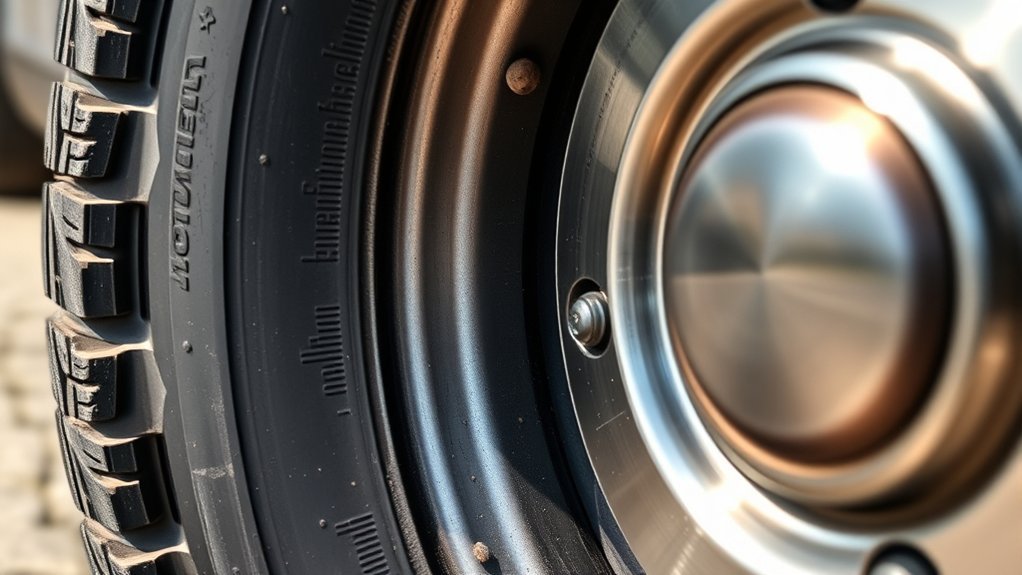
Wheel bearing noise and tire noise can sound almost identical in a Toyota Tacoma, especially at highway speed. The fastest way to separate them is to watch how the sound reacts to speed, steering, road surface, tire pressure, and tread wear. Use the checks below to narrow the source before you replace parts.
Quick Answer
Wheel bearing noise usually sounds like a steady hum, growl, or rumble that rises with road speed and may change when you steer left or right. Tire noise often changes with pavement type and is usually tied to cupping, feathering, underinflation, flat spots, or uneven tread wear.
Last updated July 6, 2026. This guide is for general diagnosis only. Use your Tacoma owner’s manual, door-jamb tire label, and a qualified technician when safety is in doubt.
Key Takeaways
- A bad wheel bearing often makes a steady hum, growl, roar, or rumble that follows vehicle speed more than engine rpm.
- Tire noise often changes on different pavement and may come from cupping, scalloping, feathering, flat spots, low pressure, or worn tread.
- If the noise changes during gentle left-right steering, a wheel bearing moves higher on the suspect list.
- If the sound moves after tire rotation, the tires are more likely the cause than the bearing.
- Grinding, wheel wobble, strong vibration, pulling, or heat near one wheel needs prompt professional inspection.
At a Glance
| Time Required | 15 to 30 minutes for basic checks; longer if a shop lifts the truck and inspects each wheel. |
| Difficulty | Easy for tire checks and road observations; moderate to advanced for lift inspection. |
| Tools Needed | Tire pressure gauge, flashlight, tread depth gauge, safe test route, and a service jack with jack stands if you perform any lifted inspection. |
| Cost | Basic checks are free if you already have a gauge. Repair cost depends on the failed part, model year, drivetrain, parts quality, and local labor rate. |
Understanding Wheel Bearing Noise in Your Toyota Tacoma
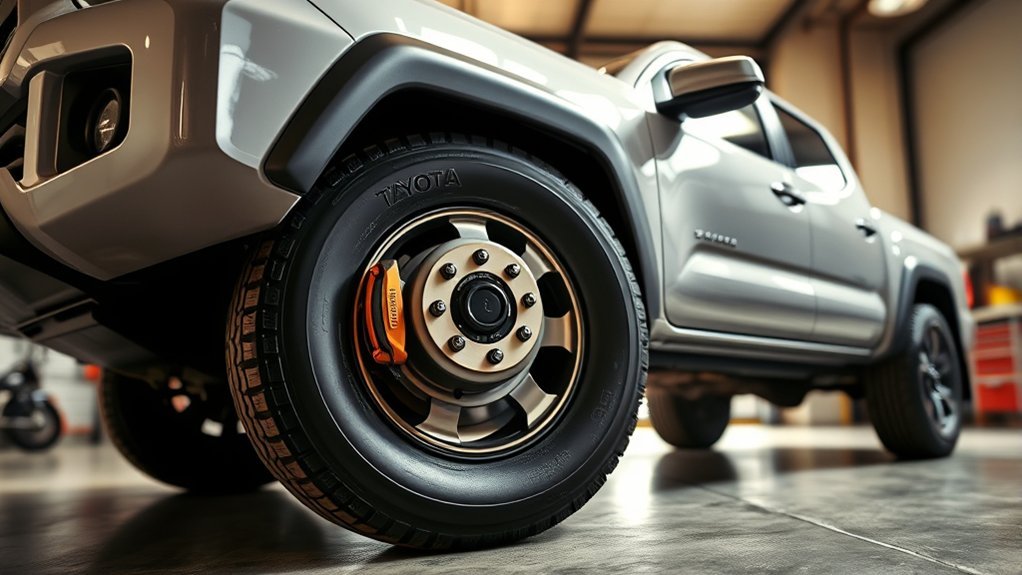
Wheel bearings let the wheel and hub rotate smoothly while carrying vehicle load. When a bearing wears, pits, dries out, or develops play, it may create a hum, growl, roar, or rumble from one corner of the truck.
The sound often gets louder as road speed increases. It usually follows wheel speed, not engine rpm. That means the noise may stay present when you coast in gear or maintain speed, even if the engine is not working hard.
A turning test can help. In a safe open area, a light steering input may shift weight from one side of the Tacoma to the other. If the noise changes pitch or volume during a gentle lane change, the loaded bearing may be suspect. This is only a clue, not a final diagnosis.
Warning: Do not ignore grinding, clunking, wheel wobble, strong vibration, pulling, a hot smell near one wheel, or a loose steering feel. Avoid highway driving and get the Tacoma inspected promptly. Never crawl under a truck supported only by a jack.
[Products Worth Considering]

The VEHLIVE SU-50448 II TPMS relearn tool provides a fast activation reset to restore accurate tire pressure monitoring after sensor replacement or tire rotation. It supports 315 MHz and 433 MHz GM series sensors and helps clear dashboard pressure warnings. With simple two-button operation and horn-confirmed relearning order, you can reprogram sensors conveniently at home.

Monitor tire tread wear with a smart, color-coded depth gauge that shows clear condition ranges at a glance. The bar is range marked for fast, easy readings, helping you maintain safer traction and performance. Each gauge is portable with a pocket clip, and the set includes 20 units for daily use and sharing.

Measure tire tread depth quickly and accurately with this LUMITECO dial gauge that reads in 1/32" increments up to 14/32". The color-coded green/yellow/red zones make it easy to judge tire wear and know when replacement is needed. A rugged, compact design with a protective pouch helps keep the gauge ready for use on cars, trucks, motorcycles, and more.
Common Symptoms of Wheel Bearing and Tire Problems
A failing wheel bearing and a noisy tire can both create a low droning sound. The difference is how the noise behaves.
| Symptom | More Likely Wheel Bearing | More Likely Tire Noise |
| Sound type | Steady hum, growl, roar, rumble, or grinding. | Rhythmic roar, slap, whir, or “wub-wub” tied to tread pattern. |
| Speed behavior | Usually gets louder as vehicle speed rises. | May rise with speed, but often has a repeated tread rhythm. |
| Steering behavior | May change during gentle left-right steering as load shifts. | Often stays similar during light steering, unless tread or alignment issues are severe. |
| Road-surface behavior | Often stays present on smooth and rough pavement. | Often gets louder on coarse asphalt and quieter on smooth pavement. |
| Visual clue | Wheel play, roughness when spun by hand, leaking hub area, or abnormal heat. | Cupping, scalloping, feathering, one-sided wear, flat spots, low pressure, or damaged tread. |
Do not rely on sound alone. A cupped tire can mimic a bad bearing, and a failing bearing can sound like aggressive all-terrain tread. Combine the road test with a tire inspection and, when needed, a lift inspection.
How to Tell Wheel Bearing Noise From Tire Noise
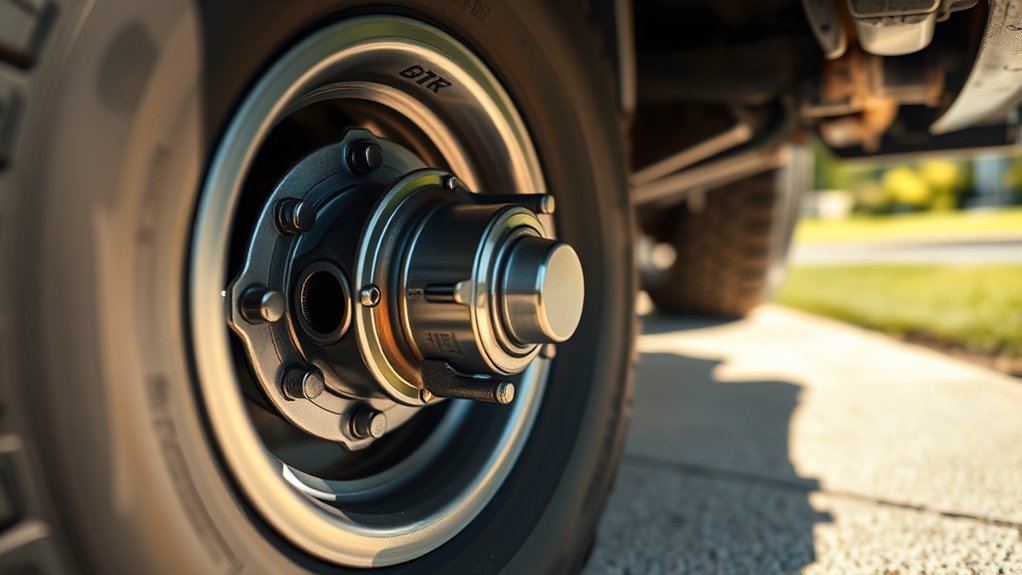
Start with the easiest and safest checks. You do not need to remove parts to learn a lot from the tires, road surface, and steering response.
[Products Worth Considering]

The SAFELIFE dial tire tread depth gauge measures tread depth in 1/32 inch increments with clear, easy-to-read 2-inch dial face. Color zones using a traffic light system help you quickly judge whether tread is low, marginal, or ample for safer driving. Built with a durable zinc cast body and a metal detect probe for precise, comfortable use across cars, motorcycles, trucks, and buses.

Accurately measure tire tread depth with a calibrated gauge marked from 0 to 1 inch in 1/32 inch increments. The color-coded bar helps you quickly identify tread condition ranges, supporting safe driving for trucks, motorcycles, automobiles, and passenger vehicles.

Steelman white tire marking crayons provide high-contrast, semi-permanent marks for repairing and inspecting tires and equipment. They write on wet or dry, smooth or coarse surfaces including rubber, metal, glass, and wood, making them ideal for puncture location and damage outlining. The lead- and zinc-free crayons resist weather and fading yet wipe away when you no longer need the marks.
Step 1: Check Tire Pressure First
Use a tire pressure gauge when the tires are cold. Set pressure according to the tire and loading label on the Tacoma’s driver-side door jamb or the owner’s manual, not the maximum pressure printed on the tire sidewall. Toyota’s Tacoma quick reference guide points owners to the door-jamb load label or owner’s manual for tire inflation specifications, and NHTSA TireWise says a TPMS light means at least one tire is significantly underinflated and should be checked as soon as possible.
Step 2: Inspect the Tread
Look across each tire, not just at the outer shoulder. Run your hand lightly over the tread blocks. A smooth one-direction feel and sharp opposite-direction feel can point to feathering. High-low patches can point to cupping or scalloping.
- Cupping or scalloping: scooped or wavy patches that often create a rhythmic growl.
- Feathering: angled tread edges that can make a tire sound louder as it rolls.
- One-sided wear: wear heavier on one shoulder, often tied to alignment or worn parts.
- Flat spots: thumping or rhythmic noise after long parking, hard braking, or tire damage.
- Low tread or damaged tread: more road noise and less wet-road grip.
Bridgestone notes that tire cupping can be a symptom of suspension problems, and Michelin links one-sided wear with alignment issues and worn-part inspection.
Step 3: Drive on Two Road Surfaces
Choose a safe route with both smooth pavement and coarse pavement. Tire noise often changes sharply when pavement texture changes. Bearing noise may get slightly masked by rough pavement, but the underlying hum or growl usually stays tied to vehicle speed.
Step 4: Use a Gentle Lane-Change Test
On a clear road at a steady speed, make a gentle lane change or mild steering input. Do not swerve. If the sound gets louder or changes pitch when the Tacoma’s weight shifts, a wheel bearing becomes more likely. If the sound stays the same but gets louder on rough pavement, tires remain a strong suspect.
Step 5: Rotate Tires if Safe
If the tread is not dangerously worn and the tires are safe to rotate, a rotation can be a useful clue. If the noise moves from the front to the rear, or from one side of the truck to another, tire wear is likely causing the sound. If the noise stays at the same wheel position, inspect the bearing, hub, brake, and suspension parts.
Pro Tip: Keep notes during the road test. Write down the speed, pavement type, steering direction, and whether the sound changes. Those notes help a technician avoid guessing.
Identifying Causes of Tire Noise vs. Wheel Bearing Noise
Once you know how the noise behaves, match it to the most likely causes. A Tacoma used for towing, rough roads, oversized tires, off-road driving, or heavy loads may develop tire and suspension wear faster than a lightly driven street truck.
Common Causes of Tire Noise
- Uneven tread wear: cupping, scalloping, feathering, or shoulder wear can create a roar that sounds mechanical.
- Incorrect pressure: underinflated tires can run hot, wear unevenly, and make more noise.
- Alignment problems: toe or camber issues can create feathered or one-sided tread wear.
- Worn shocks, struts, or suspension parts: poor tire control can let the tire bounce and wear in patches.
- Aggressive tread design: all-terrain or mud-terrain tires can be louder than highway tires, even when nothing is broken.
- Flat spots or damaged belts: these can create a repeating thump, slap, or vibration.
Common Causes of Wheel Bearing Noise
- Normal wear: mileage, load, heat, and contamination can wear the bearing over time.
- Impact damage: potholes, curb strikes, and off-road impacts can damage the bearing or hub.
- Water or dirt intrusion: mud, water crossings, and failed seals can shorten bearing life.
- Improper installation: wrong torque, poor-quality parts, or installation damage can cause early failure.
- Nearby issues: brakes, CV joints, axle parts, or suspension components can mimic bearing noise.
Note: A bad tire and a bad bearing can exist at the same time. Fixing only one problem may reduce the noise without removing it completely.
Road-Test Techniques to Diagnose Noise Sources
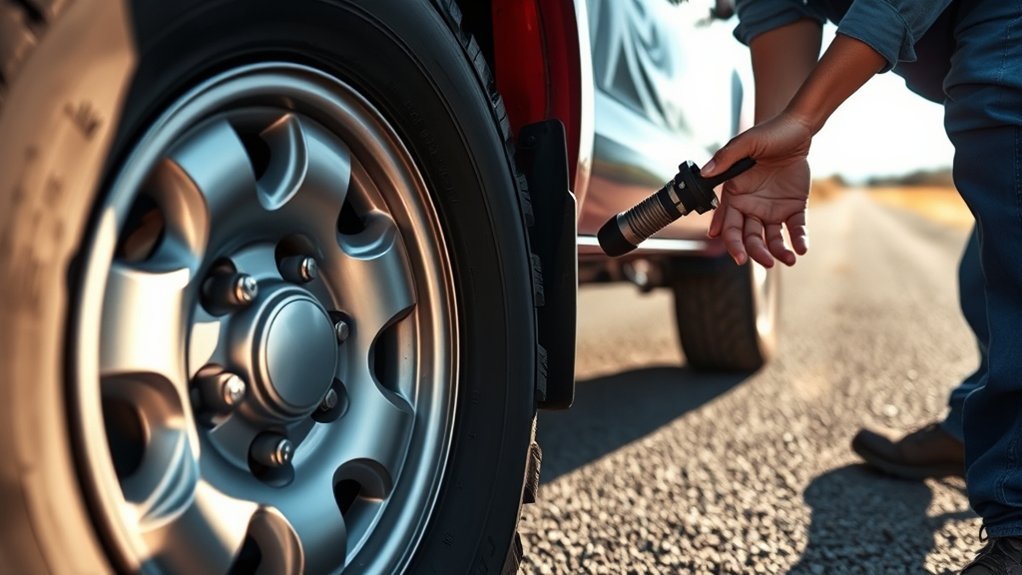
Road testing works best when you change only one condition at a time. Keep the radio off, close the windows, and drive with a passenger only if it is safe and legal. The passenger can listen from different seating positions while you focus on driving.
[Products Worth Considering]

These aluminum alloy tire valve stem caps with an O-ring seal help protect valve stems from corrosion while adding a clean, stylish look to your vehicle. The universal fit works across cars, trucks, motorcycles, bicycles, and more, making them an easy upgrade for everyday driving and off-road use. Installation is quick, and the included four-pack keeps all your tires dressed and protected.

ETENWOLF T300 is a calibrated digital tire pressure gauge for accurate readings from 3 to 200 PSI across light and heavy-duty vehicles. It includes thermal compensation for reliable performance in extreme cold or heat, with an auto shut-off to extend battery life and an LED for easier reading. The sturdy design supports rugged everyday use, making it ideal for pickups, RVs, and industrial applications.
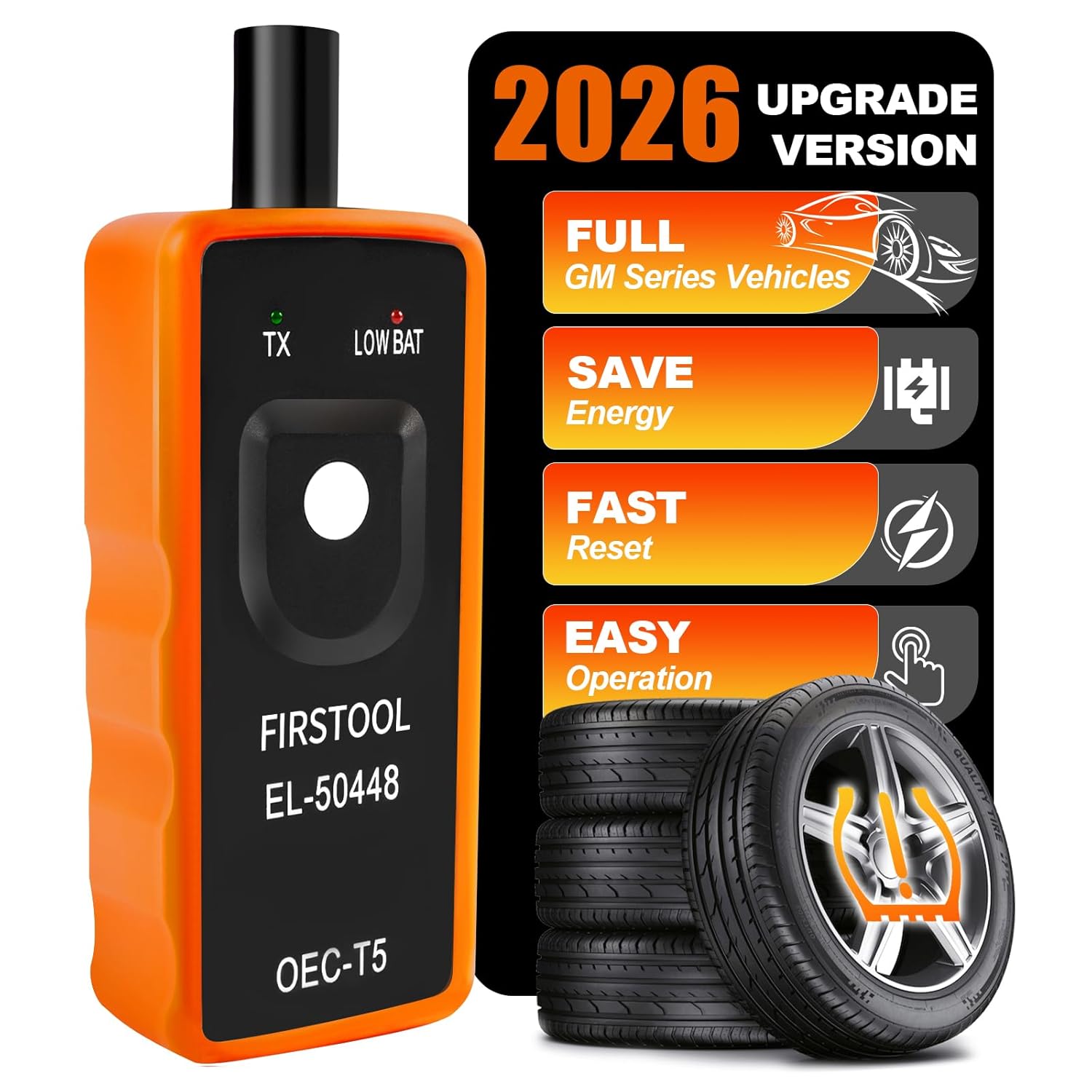
This TPMS relearn tool helps you quickly activate, match, and reset GM tire pressure sensors to keep the vehicle monitoring system working properly. It clears tire pressure alarms and dashboard warning lights after sensor replacement or tire rotation, and supports learning for common 315/433 MHz TPMS sensors. Designed for simple one-button operation, it can help you avoid unnecessary trips to repair shops.
Isolate Noise Location
Try to identify whether the sound comes from the front, rear, left, or right. Noise can echo through the Tacoma’s frame and cabin, so treat the location as a clue rather than proof.
| Observation Technique | What It May Suggest |
| Gentle lane changes | A sound that changes as load shifts may point toward a wheel bearing. |
| Steady speed on smooth pavement | A consistent hum or growl may point toward a bearing, hub, or drivetrain source. |
| Different road surfaces | Noise that changes strongly with pavement texture often points toward tires. |
| Tire rotation comparison | A sound that moves with the tire usually points toward tire wear or tire damage. |
| Lift inspection by a technician | Wheel play, rough rotation, abnormal heat, or brake drag can confirm the problem area. |
Inspect Tire Condition
After the road test, inspect all four tires again. Compare the inside shoulder, center tread, and outside shoulder. A Tacoma with cupped front tires may sound like it has a front bearing problem, while a rear tire with irregular wear can make the sound feel like it is coming from the bed or rear axle.
Also check the tire age, tread depth, visible cracks, sidewall bulges, puncture repairs, and missing chunks of tread. If you find a bulge, exposed cords, or a tire that will not hold pressure, replace the tire before further road testing.
Tacoma Maintenance That Helps Prevent Noise
Regular maintenance does not prevent every bearing failure, but it helps you catch tire and suspension problems before they turn into loud road noise. Toyota’s 2023 Tacoma maintenance guide includes tire rotation and visual brake inspections at regular service points, with extra inspections for dirt roads, dusty roads, towing, heavy loading, and other special operating conditions.
- Rotate tires on schedule: rotation helps even out wear patterns and can reveal whether a noise follows a tire.
- Check pressure monthly: use the door-jamb label or owner’s manual for the correct cold pressure.
- Inspect after off-road use: mud, water, rocks, and impacts can affect tires, brakes, hubs, and suspension parts.
- Address alignment problems early: pulling, crooked steering wheel, and feathered tread deserve attention.
- Do not ignore brake drag: a dragging brake can create heat and noise that may be confused with a bearing.
When to Seek Professional Help for Vehicle Noise Issues
Get professional help when the noise is loud, getting worse, or paired with vibration, steering changes, brake symptoms, or uneven tire wear. A shop can lift the Tacoma safely, check wheel play, spin each wheel, inspect brakes, look for heat marks, and use chassis ears if the source is hard to locate.
Signs of Serious Problems
- A growl, roar, or grinding noise that gets louder each week.
- Vibration through the steering wheel, floor, or seat.
- A wheel that feels loose, clunks, or has visible play when inspected safely.
- Pulling to one side, especially with heat or brake smell near one wheel.
- ABS, traction control, or stability warning lights appearing with the noise.
- A tire with a bulge, exposed cords, separated tread, or rapid pressure loss.
Importance of Timely Repairs
Timely repairs protect your Tacoma’s tires, brakes, suspension, and steering parts. A bad bearing can create extra heat and looseness, while a bad tire can reduce traction and make the truck harder to control. A correct diagnosis also keeps you from replacing good parts while the real problem remains.
If you are unsure whether the noise is tire-related or bearing-related, do the safe checks first: pressure, tread condition, road-surface comparison, and gentle steering response. Then let a technician confirm the problem before replacing the bearing, hub, tires, or suspension parts.
Frequently Asked Questions
What would happen or sound like on your tire if the wheel bearing is bad?
A bad wheel bearing usually does not damage the tire immediately, but it can create a hum, growl, roar, or grinding sound near that wheel. If the bearing has play, you may also feel vibration, looseness, or uneven braking. Tire wear may still be a separate problem, so inspect both the tire and hub area.
Can tire noise sound exactly like a bad wheel bearing?
Yes. Cupped, feathered, scalloped, flat-spotted, or heavily worn tires can sound like a bad wheel bearing. That is why you should inspect tread wear, compare road surfaces, and rotate tires if they are safe to rotate before replacing a bearing.
Does wheel bearing noise get louder when turning?
It can. When you steer, vehicle weight shifts and changes the load on each wheel bearing. If the sound changes pitch or volume during a gentle lane change, a wheel bearing becomes more likely. Still, a shop should confirm the failing corner before repair.
Will rotating tires help diagnose the noise?
Yes, if the tires are safe to rotate. If the noise moves after rotation, the tire is likely the source. If the noise stays at the same wheel position, inspect the wheel bearing, hub, brakes, and suspension parts at that corner.
Can I keep driving my Tacoma with a suspected bad wheel bearing?
Avoid long trips and highway driving if the noise is loud, grinding, or paired with vibration, wobble, pulling, or heat near one wheel. A mildly suspicious hum still deserves inspection soon because bearing failure can affect wheel stability.
Conclusion
Wheel bearing noise and tire noise overlap, but they do not behave the same way. Bearing noise usually stays steady with road speed and may change during gentle steering. Tire noise often changes with pavement and usually leaves visible clues in the tread.
Start with the simple checks: pressure, tread wear, road surface, steering response, and tire rotation. If the Tacoma has grinding, vibration, wheel play, pulling, or a noise that keeps getting worse, stop guessing and have the truck inspected by a qualified technician.
Sources
- NHTSA TireWise — tire pressure safety and TPMS warning guidance.
- Toyota 2023 Tacoma Quick Reference Guide — TPMS reset notes and door-jamb/owner’s manual tire inflation guidance.
- Toyota 2023 Tacoma Warranty & Maintenance Guide — tire rotation and inspection schedule context.
- Bridgestone Tire Cupping Guide — cupping causes and suspension/alignment context.
- Michelin Irregular Tire Wear 101 — irregular wear patterns and corrective actions.
- GMB Wheel Bearing Noise vs Tire Noise — comparison of bearing-noise and tire-noise symptoms.