
Toyota RAV4 Tire Rotation Pattern: Which One Is Correct?

For your Toyota RAV4, the correct tire rotation pattern typically involves moving front tires to the back while keeping their positions. If you’ve got directional tires, just rotate them front to back without switching sides. Following this pattern and the manufacturer’s guidelines helps guarantee even tire wear, boosting performance and extending lifespan. Check your owner’s manual for specific recommendations tailored to your model, and you’ll discover even more about maintaining your tires effectively.
Recommended Tire Rotation Patterns for Your Toyota RAV4
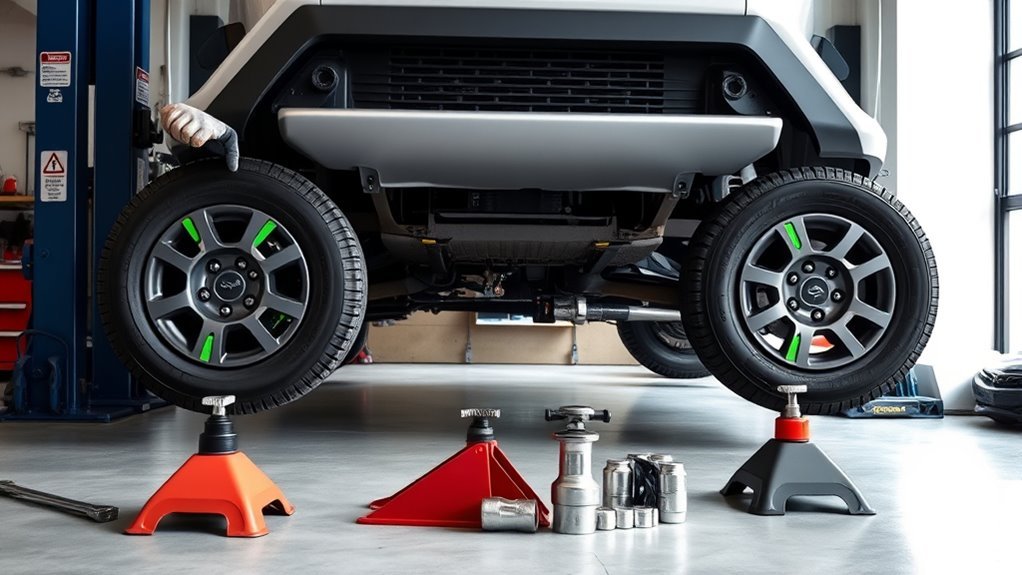
When it comes to maintaining your Toyota RAV4, understanding the recommended tire rotation patterns is essential for maximizing tire life and performance. For non-directional tires, you’ll typically follow a front-to-back rotation pattern: front tires move to the rear in the same position, while rear tires switch to the front, also retaining their original positions. If your RAV4 has directional tires, adhere to the manufacturer’s guidelines by rotating them front to rear without switching sides. To combat tire wear effectively, make sure to rotate your tires approximately every 6,000 miles. This routine helps promote even wear, prolonging tire lifespan and enhancing safety. Regularly check for signs of uneven wear, as they can indicate alignment issues that might compromise your vehicle’s performance. Always consult your owner’s manual for specific rotation patterns tailored to your model, ensuring you stay informed and empowered in your vehicle maintenance.
Understanding Tire Types: Directional vs. Non-Directional
When it comes to tire types, understanding the difference between directional and non-directional tires is essential for your RAV4’s performance. Directional tires are designed for maximum traction in one direction, while non-directional tires offer more flexibility in rotation. Knowing these characteristics helps you maintain even wear and enhance your driving experience.
Directional Tire Characteristics
How can understanding the characteristics of directional and non-directional tires enhance your driving experience? Directional tires are engineered to rotate in one specific direction, indicated by an arrow on the sidewall. This design optimizes tire performance, especially in wet conditions, as their tread patterns efficiently channel water away, providing enhanced grip. On the other hand, non-directional tires can be rotated in various patterns, making them more versatile but less specialized for certain conditions. If you rotate directional tires incorrectly, such as switching sides, you risk compromising their performance, potentially leading to unsafe driving. Knowing these differences helps you select the right rotation method, ensuring safety and extending the lifespan of your tires. Make informed decisions for a liberating driving experience!
Non-Directional Tire Benefits
Understanding the differences between directional and non-directional tires can greatly impact your driving experience, especially when it comes to maintenance. Non-directional tires offer flexibility in rotation patterns—front-to-back or crosswise—allowing you to keep up with regular maintenance easily. This flexibility not only enhances tread longevity but also guarantees traction stability across various conditions. With symmetrical tread patterns, these tires excel in performance and handling. Proper rotation minimizes issues like cupping and feathering, contributing to a smoother ride.
| Benefit | Description |
|---|---|
| Flexibility | Multiple rotation patterns available |
| Tread Longevity | Even wear improves lifespan |
| Traction Stability | Symmetrical designs enhance grip in various conditions |
Why You Should Follow Manufacturer Guidelines
Following manufacturer guidelines is essential for maximizing your RAV4’s performance and safety. These recommendations are based on expert knowledge of your vehicle’s unique characteristics, ensuring consistent tire wear and enhancing traction. By sticking to these guidelines, you not only extend the life of your tires but also safeguard your driving experience.
Manufacturer Expertise Matters
While it’s tempting to overlook the specifics of tire maintenance, adhering to the manufacturer’s guidelines is crucial for maximizing your Toyota RAV4’s performance. Following these recommendations guarantees peak tire lifespan and enhances your vehicle’s handling. Each model has unique rotation patterns designed to account for tire characteristics, like whether they’re directional or non-directional. Deviating from these guidelines can lead to uneven wear, compromising traction and safety. Regularly consulting the owner’s manual about maintenance frequency helps you stay informed about the best practices tailored to your specific tires and driving conditions. By respecting these expert recommendations, you’re not just prolonging tire life; you’re also investing in a smoother, safer driving experience.
Consistency Reduces Tire Wear
When you stick to the manufacturer’s tire rotation guidelines, you’re not just playing it safe; you’re actively prolonging the life of your tires. Consistent rotation guarantees even tread wear, extending tire lifespan by 20% or more. This practice minimizes the risk of uneven wear, which can compromise your vehicle’s traction and handling. By adhering to these specifications, you can prevent costly premature replacements, saving you $400 to $1,000 over your vehicle’s life. Regularly rotating your tires also helps maintain ideal tire pressure, contributing to balanced performance and improved fuel efficiency. Deviating from these guidelines can lead to issues like tread cupping and feathering, ultimately undermining both safety and performance.
Safety Enhancements Through Guidelines
Adhering to manufacturer guidelines for tire rotation is vital for maximizing your vehicle’s safety and performance. Following these guidelines minimizes the risk of uneven wear, which can greatly impact your vehicle’s handling and traction, especially in adverse conditions. Correct rotation patterns guarantee your tires maintain peak grip, enhancing safety features important for maneuvering wet or slippery roads. Sticking to the recommended rotation schedule—typically every 6,000 miles—can extend tire lifespan by up to 30%, saving you money on replacements. Additionally, respecting the unique characteristics of directional and non-directional tires maximizes their performance impact. By regularly consulting your owner’s manual, you not only enhance safety but also empower yourself to enjoy a liberating driving experience.
Debunking Common Tire Rotation Myths
Many drivers hold onto misconceptions about tire rotation that can lead to unnecessary wear and safety issues. For instance, while cross rotation may seem beneficial, it’s not suitable for vehicles with directional tires, which require front-to-rear patterns to maintain performance. Ignoring your owner’s manual in favor of traditional methods can also compromise safety and lead to uneven tire wear.
Another myth is that all vehicles should rotate tires at the same intervals. In reality, many manufacturers recommend rotations every 5,000 to 7,000 miles, depending on the vehicle type. Some believe that if tread wear appears even, rotation is unnecessary, but regular rotation helps reveal hidden issues and extends tire lifespan. Ultimately, tire rotation isn’t one-size-fits-all; proper methods differ for directional and non-directional tires, greatly influencing your vehicle’s performance. Don’t let these tire rotation misconceptions steer you off course!
Effective Tips for Tire Maintenance

To keep your Toyota RAV4 running smoothly, effective tire maintenance is essential. Regular upkeep not only guarantees safety but also enhances performance. Here are some tips to help you maintain your tires:
- Rotate your tires every 6,000 miles to promote even wear.
- Follow your owner’s manual for the correct rotation pattern: directional tires move front to rear, while non-directional tires can cross.
- Monitor tire pressure consistently; maintaining the right pressure boosts safety and fuel efficiency.
- Conduct visual inspections during rotations to spot wear, damage, or foreign objects that could affect tire integrity.
- Schedule professional alignment and balancing checks to avoid misalignment issues.
What to Do About Uneven Tire Wear?
Uneven tire wear can greatly impact your driving experience, and addressing it promptly is vital for safety and performance. First, check your tire pressure; maintaining the correct levels is essential, as both over-inflation and under-inflation can create uneven wear patterns. Next, consider scheduling a professional alignment and suspension inspection. Misalignment can cause tires to wear unevenly, affecting your vehicle’s handling.
Regular tire rotation, ideally every 6,000 miles, helps redistribute tire positions, promoting balanced tread life. Keep an eye out for signs of excessive wear, especially on one side of the tire; this may indicate the need for repairs to your suspension or steering components. Finally, monitor tread depth and replace tires when they show significant wear. By taking these steps, you guarantee a safer, more liberating driving experience while extending the life of your tires.
Frequently Asked Questions
What Is the Tire Rotation Pattern for a Toyota RAV4?
For your Toyota RAV4, rotate tires every 6,000 miles using a front-to-back and rear-to-front pattern for non-directional tires. This helps guarantee even tire wear and maximizes their lifespan for a safer driving experience.
What Does Toyota Recommend for Tire Rotation?
Toyota recommends rotating your tires every 6,000 miles for peak performance. Following these tire maintenance tips helps you maintain traction and extends tire life, ensuring a smoother, safer ride on every journey.
Conclusion
In summary, following the correct tire rotation pattern for your Toyota RAV4 is essential for peak performance and longevity. For instance, if you ignore the manufacturer’s guidelines, like a driver who neglected regular rotations and faced a costly tire replacement due to uneven wear, you’ll likely end up with a similar fate. Regular maintenance not only boosts safety but also saves you money in the long run. So, stay proactive and keep those tires in top shape!

Related Articles

Upsizing Wheels on a Toyota RAV4: Pros, Cons, and Considerations
Boost your Toyota RAV4's performance with larger wheels, but discover the hidden trade-offs that could impact your ride before you decide.
Read More
Can I Change Tire Size on My Toyota RAV4? Rules and Recommendations
Are you considering changing the tire size on your Toyota RAV4? Discover the essential rules and recommendations before making a decision.
Read More
What to Do If the TPMS Light Comes On in Your RAV4
Understand the steps to take when the TPMS light illuminates in your RAV4, as overlooking it could lead to serious tire problems.
Read More