
Tire Date Code Explained: How Old Are Your Toyota RAV4 Tires?
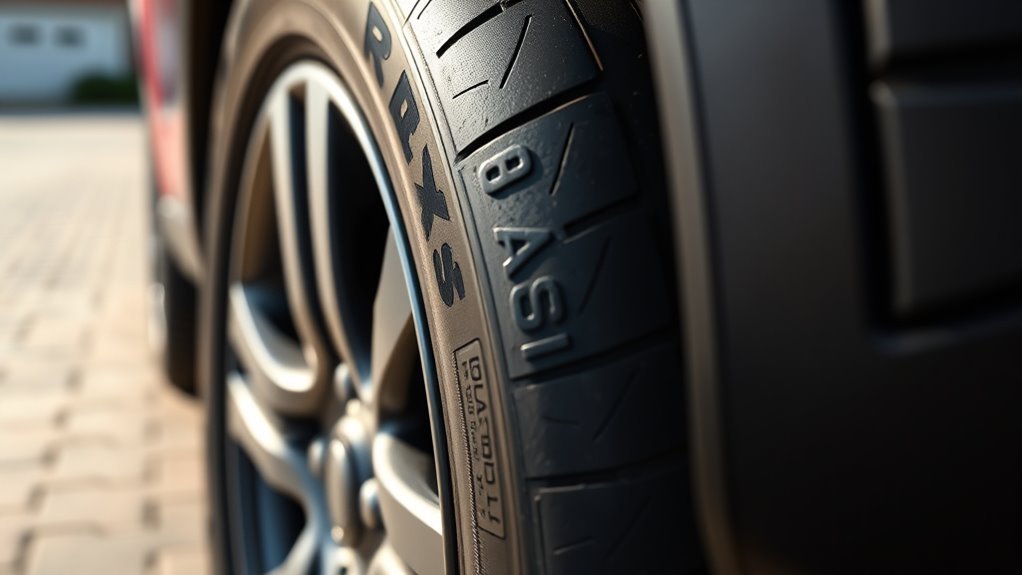
To find out how old your Toyota RAV4 tires are, check the sidewall for the DOT marking. The last four digits indicate the manufacturing date—like “4823,” which means the tire was made in the 48th week of 2023. Tires should be replaced every 6 to 10 years, regardless of tread wear. Older tires can compromise safety and performance. Discover more about tire maintenance and what signs to watch for regarding replacement to keep you safe on the road.
What’s the Deal With Tire Date Codes?
When it comes to maintaining your vehicle’s safety, understanding tire date codes is crucial. These codes, found on the sidewall of each tire, reveal the tire’s age and manufacturing history. For tires made after 2000, a four-digit code indicates the week and year of production, like “4823,” meaning the 48th week of 2023. Older tires, especially those over 6 to 10 years, should be replaced regardless of tread wear due to compound degradation.
Before 2000, three-digit codes were used, where the first two digits denote the week and the last digit indicates the year. Knowing these details helps you assess tire safety and guarantees you adhere to manufacturing standards. This knowledge is particularly important when buying used tires or vehicles. By staying informed about tire date codes, you empower yourself to make safer choices on the road.
How to Locate the Tire Date Code on Your RAV4
To guarantee your RAV4’s tires are safe and reliable, you’ll want to easily locate the tire date code printed on each tire’s sidewall. Start by checking the tire locations, focusing on the section marked “DOT.” This marking is followed by a series of numbers and letters. The last four digits are essential for the code breakdown, revealing the week and year your tire was manufactured. If you see a three-digit code instead, it indicates your tire was made before 2000, and it’s time for a replacement. Regularly inspecting this code is important for ensuring your RAV4’s tires are within the recommended lifespan of 6-10 years. By doing this, you’ll enhance your safety and performance on the road, allowing you to drive with confidence and peace of mind.
What the Tire Date Code Reveals
The tire date code is vital for understanding the safety and longevity of your tires. Located on the sidewall, this four-digit code reveals when your tires were manufactured. The first two digits represent the week, and the last two indicate the year. For instance, “4823” means your tire was made in the 48th week of 2023. Knowing this code is important; tires should typically be replaced after 6 to 10 years, regardless of tread wear, due to the degradation of rubber compounds over time.
Older tires can pose significant safety concerns, as they become more susceptible to failure. By checking the tire date code, you empower yourself to make informed decisions—whether you’re purchasing used tires or evaluating your own for safety. Prioritizing tire longevity not only enhances your driving experience but also guarantees your safety on the road.
How Tire Age Affects Safety and Performance
Understanding how tire age affects safety and performance is essential for every driver. Tire longevity impacts your vehicle’s ability to grip the road, especially in challenging conditions. The National Highway Traffic Safety Administration (NHTSA) recommends replacing tires every 6-10 years, regardless of tread wear. This is important because older tires may face rubber degradation, leading to reduced traction and longer stopping distances.
Inspecting your tires regularly for signs of aging, like cracks or bulges, is critical for maintaining ideal safety performance. Tires older than 10 years are deemed unsafe, posing risks of structural failures. By checking the tire date code on the sidewall, you can assess your tires’ age and make informed decisions. Prioritizing tire maintenance not only enhances your driving experience but also keeps you and your passengers safe on the road.
When to Replace Your Tires: Key Indicators?
Knowing when to replace your tires is essential for your safety on the road. Keep an eye on both the tread depth and the age of your tires; if they’re older than 6 to 10 years or the tread is too worn, it’s time for a change. Regular checks can prevent unexpected issues and keep you driving confidently.
Tread Wear Assessment
When evaluating tread wear, it’s important to stay attentive to key indicators that signal when tire replacement is necessary. Start with the penny test: insert a penny into the tread with Lincoln’s head facing down. If you see all of his head, it’s time for new tires. Keep an eye out for uneven tire wear, which can suggest alignment issues or improper inflation, accelerating the need for replacement. Also, look for visible damage like cracks or bulges; these can compromise tire health. If you notice changes in driving performance—like reduced traction or longer stopping distances—it’s critical to act. Remember, maintaining good tread wear is essential for your safety on the road.
Age of Tires
While evaluating tread wear is essential for tire maintenance, recognizing the age of your tires is just as important for your safety. Tires have a lifespan of 6 to 10 years, regardless of tread condition. Check the last four digits of the DOT code on the sidewall to find out when your tires were made. If they’re over 10 years old, don’t risk driving on them; aging effects can severely compromise performance due to degrading rubber compounds. Regularly inspect your tires for cracks or bulges, as these signs indicate it’s time for replacement. Stay proactive about your tire’s age to guarantee peak safety and performance on your journeys in your Toyota RAV4.
Tire Maintenance and the Importance of Date Codes
Understanding the importance of tire maintenance goes hand in hand with checking the tire date codes. Knowing when your tires were made can greatly impact your safety and vehicle performance. Here are three key reasons to prioritize this:
- Safety First: Aged tires can lead to failures, increasing accident risks.
- Tire Longevity Factors: Regularly monitoring date codes helps guarantee your tires live their full lifespan—ideally 6 to 10 years.
- Seasonal Tire Considerations: Different seasons demand different tire conditions. Aged tires may underperform, especially in adverse weather.
Frequently Asked Questions
How Often Should I Replace My RAV4 Tires?
You should replace your RAV4 tires every 6 to 10 years. Regularly check tread wear indicators and follow tire maintenance tips to guarantee safety and performance. Don’t wait until they’re visually worn; stay proactive!
What Is the Date Code 2421 on a Tire?
The date code 2421 means your tire was made in the 24th week of 2021. Understanding tire lifespan and manufacturing standards helps you guarantee safety and performance, so keep an eye on those tires!
How to Read Tire Date Code Before 2000?
Reading tire date codes before 2000’s is like deciphering an ancient scroll! Focus on that three-digit code: the first two digits show the week; the last reveals the decade. Proper code interpretation guarantees your tire longevity. Stay safe!
Conclusion
In summary, keeping an eye on your tire date codes can make all the difference in your safety and driving experience. When was the last time you checked the age of your tires? Remember, old tires can compromise performance, so stay proactive about maintenance and replacements. Regularly inspecting your tires not only guarantees your safety but also extends the life of your vehicle. Don’t wait—make tire health a priority for your RAV4 today!

Related Articles

Upsizing Wheels on a Toyota RAV4: Pros, Cons, and Considerations
Boost your Toyota RAV4's performance with larger wheels, but discover the hidden trade-offs that could impact your ride before you decide.
Read More
Can I Change Tire Size on My Toyota RAV4? Rules and Recommendations
Are you considering changing the tire size on your Toyota RAV4? Discover the essential rules and recommendations before making a decision.
Read More
What to Do If the TPMS Light Comes On in Your RAV4
Understand the steps to take when the TPMS light illuminates in your RAV4, as overlooking it could lead to serious tire problems.
Read More