Disclosure: As an Amazon Associate, we earn from qualifying purchases. If you click a link on this page and make a purchase, we may receive a small commission at no extra cost to you.
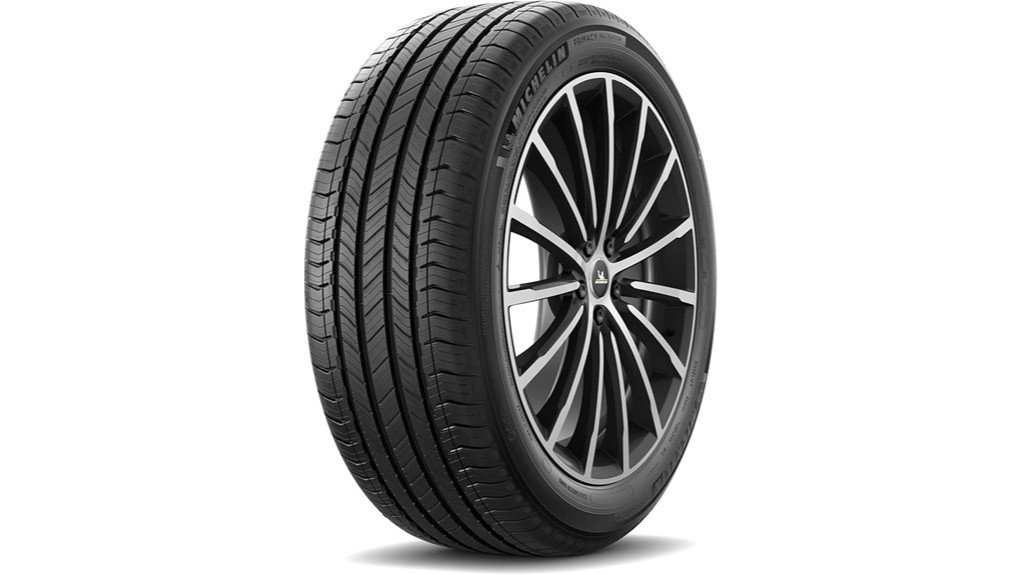
Choosing a replacement tire is not only about matching the numbers on the sidewall. You also need the right load rating, original-equipment designation, road manners, and winter capability for your vehicle. The MICHELIN Primacy A/S in 225/65R17 102H is a comfort-focused all-season touring tire that suits many crossovers and SUVs, but it is not the best choice for every climate or fitment. This review explains its verified specifications, everyday strengths, fitment checks, and main limitations before you order.
Quick Verdict
Rating: 7.8/10, Recommended with caveats
Best For: Drivers who prioritize a quiet ride, predictable all-season road manners, and fuel-conscious touring performance.
Bottom Line: The Primacy A/S is a sensible premium tire for commuting and highway use, with a comfort-led design and useful wet-road features. Its main tradeoff is winter capability, because an M+S all-season tire should not be treated as a dedicated severe-snow tire.
Key Specifications
| Specification | Detail |
|---|---|
| Brand | MICHELIN |
| Model | Primacy All Season, also listed as Primacy A/S |
| Manufacturer part number | 52670 |
| Product type | Passenger all-season touring tire |
| Size | 225/65R17 |
| Load and speed rating | 102H |
| Load index capacity | 1,874 pounds per tire at the rated conditions |
| New tread depth | 8.5/32 inch |
| Tread features | Circumferential grooves and zig-zag sipes |
| Season marking | All-season, M+S |
| Suggested rim-width range | 6 to 8 inches |
| Maximum pressure shown for this listing | 51 PSI, not the vehicle’s target inflation pressure |
| Warranty | Michelin Promise Plan and mileage coverage up to 55,000 miles, subject to eligibility and terms |
| Package | One tire; wheel or rim not included |
What Is the MICHELIN Primacy A/S?
The MICHELIN Primacy A/S is a grand-touring all-season tire developed for comfortable daily driving. This 225/65R17 102H version is commonly associated with crossovers, SUVs, and some passenger vehicles that use a 17-inch wheel and the same approved service description.
Michelin positions the Primacy All Season family around quiet operation, low rolling resistance, and dependable all-season control. The tread uses circumferential grooves to channel water away from the footprint, while zig-zag sipes create extra biting edges for wet roads and light snow.
Manufacturer fitment pages identify part number 52670 as a 225/65R17 102H variant with an original-equipment designation. That detail matters because two tires with the same basic size may use different OE markings, load specifications, or tuning.
Key Takeaways
- The 225/65R17 102H size must match your vehicle placard or an approved replacement specification.
- A 102 load index equals 1,874 pounds per tire, correcting the lower capacity stated in the original draft.
- Circumferential grooves and zig-zag sipes support wet drainage and light-snow traction.
- The Primacy A/S favors quiet, efficient touring rather than sporty steering or severe-winter grip.
- Michelin lists mileage coverage up to 55,000 miles for eligible replacement tires, with terms and OE exceptions.
Who Should Buy It?
Best For
- Daily commuters who want a quiet, settled ride.
- Crossover and SUV owners whose placard specifies 225/65R17 102H.
- Drivers in moderate climates who need wet, dry, and light-snow capability.
Skip If
- You regularly drive through deep snow, hard-packed snow, or ice.
- Your vehicle requires a different load index, speed rating, XL construction, or OE marking.
- You want sharp performance handling instead of comfort-focused touring manners.
Before You Buy: A matching 225/65R17 size does not guarantee correct fitment. Check the driver’s-door placard, load index, speed rating, OE marking, and your vehicle manufacturer’s approved tire list before ordering.
Fitment, Size, and Load Rating
The code 225/65R17 describes a tire that is 225 millimetres wide, has a sidewall height equal to 65 percent of its width, uses radial construction, and fits a 17-inch wheel. Those measurements are only the first part of fitment.
The 102H service description is equally important. Load index 102 corresponds to 1,874 pounds per tire, while the H speed symbol indicates a standardized maximum speed capability of 130 mph under controlled test conditions. The speed symbol is not a driving recommendation, and your vehicle’s stated requirements still control the correct choice.
Michelin lists several 225/65R17 102H Primacy All Season variants for different vehicle makers. Part number 52670 appears as a TOY-marked version on Michelin fitment pages, so buyers replacing factory tires should compare the full sidewall description, not only the large size numbers.
Pro Tip: Photograph the full sidewall and driver’s-door tire placard before shopping. Compare the size, load index, speed rating, and any OE code with the listing and the tire delivered to you.
Tread Design and Wet-Road Control
The Primacy A/S uses an all-season tread with circumferential channels that create paths for water to leave the contact patch. That design helps reduce water buildup under the tire during routine rain, although no tread can prevent hydroplaning when speed, standing water, pressure, or tread wear exceed safe limits.
Zig-zag sipes add small edges across the tread blocks. These edges can improve grip on damp pavement and light snow while allowing the tread blocks to remain stable enough for everyday steering. The 8.5/32-inch starting depth is adequate for a touring tire, but wet and snow performance will decline as the grooves wear down.
On dry roads, the tire’s main advantage is predictability rather than aggressive response. The broad touring footprint should feel composed during normal lane changes, braking, and highway cruising when the tire is correctly fitted, inflated, and aligned.
Ride Comfort, Noise, and Steering Feel
Comfort is the strongest reason to consider this model. Michelin describes the Primacy All Season as engineered to reduce noise disturbance, and the product family is aimed at drivers who want a smooth touring experience rather than a firm performance-tire feel.
The 65-series sidewall gives this size more cushioning than many low-profile alternatives. That extra sidewall can help soften sharp road joints and coarse pavement, although ride quality also depends on wheel design, suspension, pressure, vehicle weight, and road surface.
Steering should feel light and stable in normal use. Drivers who prefer immediate turn-in and a more connected sport-tire response may find it less engaging than an ultra-high-performance all-season tire.
Light Snow and Winter Limitations
The Primacy A/S carries an all-season M+S designation, and its siping can provide useful traction in occasional light snow. That makes it practical for mild winters, cleared urban roads, and drivers who rarely face prolonged snow or ice.
It should not be treated as a substitute for a dedicated winter tire in severe conditions. A winter tire with the three-peak mountain snowflake symbol is designed and tested for stronger snow traction, while specialized winter compounds remain more flexible in low temperatures.
If your region has frequent freezing rain, packed snow, mountain travel, or long periods below freezing, a dedicated winter set is the safer choice.
How It Performs in Real Use
For Daily Commuting
The tire’s comfort-led construction, moderate sidewall height, and noise-focused design make it well suited to stop-and-go driving and routine errands. You should get predictable steering without the harshness associated with stiffer performance tires.
For Highway Trips
The Primacy A/S makes sense for long drives where low noise, stable tracking, and rolling efficiency matter. Correct alignment is especially important because highway mileage can quickly expose uneven shoulder wear or feathering.
For Rainy Conditions
Circumferential grooves give water an exit path, and the sipes add edges for damp surfaces. You still need to slow down in standing water and replace worn tires before the grooves become too shallow to manage heavy rain effectively.
For Occasional Light Snow
The tread can handle brief light-snow use when temperatures and road conditions are moderate. It is less suitable for ice, deep snow, steep winter roads, or regions where severe-weather traction is a regular need.
Installation, Pressure, and Maintenance
Have the tire mounted and balanced by a qualified tire technician. The installer should confirm wheel width, bead condition, valve or TPMS service needs, rotation direction if applicable, and clearance around the suspension and bodywork.
Do not inflate the tire to the maximum sidewall or listing pressure simply because that number is available. Set cold pressure to the value on your vehicle’s tire placard or owner manual unless the vehicle manufacturer or a qualified professional specifies otherwise.
- Check pressure when the tires are cold, at least monthly and before long trips.
- Rotate the tires according to the vehicle and Michelin maintenance guidance.
- Check alignment if you see one-sided wear, feathering, or steering pull.
- Inspect tread and sidewalls after pothole impacts or curb contact.
- Replace tires based on condition, wear, damage, and age, not tread depth alone.
Pros and Cons
Pros
- Comfort-focused touring design for commuting and highway use.
- Circumferential grooves support wet-road water evacuation.
- Zig-zag sipes add edges for damp roads and light snow.
- 102H rating provides a 1,874-pound load-index capacity per tire.
- Eligible replacement tires may receive Michelin Promise Plan and mileage coverage.
Cons
- Not a dedicated severe-snow or ice tire.
- Multiple OE-specific variants make full sidewall verification necessary.
- Comfort-oriented steering may feel less responsive than a sport all-season tire.
Tread Life, Warranty, and Value
Michelin positions this as a premium touring tire, so its value depends on how much you prioritize comfort, efficiency, brand support, and predictable road manners. It can be a smart buy for everyday use when the exact variant matches your vehicle and you mainly drive on paved roads.
Michelin lists mileage coverage up to 55,000 miles for the Primacy All Season line, along with its Promise Plan benefits for eligible replacement tires. Coverage can vary by speed rating, original-equipment status, purchase channel, maintenance records, and other warranty terms, so review the current documentation before relying on a specific mileage figure.
The main value limitation is winter performance. Buyers who need true four-season capability in heavy snow may get more practical value from an all-weather tire or a separate winter set, even if the purchase cost is higher.
How It Compares to Alternatives
The MICHELIN Defender2 is worth comparing when tread life is your main priority, while the MICHELIN CrossClimate2 is a stronger candidate for drivers who want three-peak mountain snowflake traction in an all-weather design. The Primacy Tour A/S may suit buyers who want a more luxury-focused touring feel and can find the correct size and fitment.
The Primacy A/S makes the most sense when your vehicle originally used this tire or you want a quiet, efficient replacement with familiar touring manners. It is less compelling when maximum winter grip, sporty handling, or the longest available mileage warranty is your first priority.
Frequently Asked Questions
Will the 225/65R17 Primacy A/S fit my vehicle?
It fits only when your vehicle manufacturer approves the size and service description. Compare the driver’s-door placard, owner’s manual, load index, speed rating, wheel width, and any OE code before buying.
What does the 102H rating mean?
The 102 load index corresponds to 1,874 pounds per tire at rated conditions. The H speed symbol corresponds to 130 mph under standardized testing, but you must follow legal limits and your vehicle manufacturer’s requirements.
Should I inflate this tire to 51 PSI?
No, not automatically. The maximum pressure shown in a listing or on a sidewall is not the same as your target pressure, so use the recommended cold pressure on the vehicle placard or in the owner’s manual.
Is the MICHELIN Primacy A/S good in snow?
It can provide useful traction in occasional light snow, helped by its M+S tread and siping. It is not a substitute for a dedicated winter tire when you regularly face ice, deep snow, or severe cold.
Does it come with a wheel or rim?
No. The listing is for one tire, and the wheel, valve hardware, TPMS service, mounting, balancing, and installation are separate unless the seller clearly states otherwise.
What is the tread depth when new?
This 225/65R17 102H listing specifies 8.5/32 inch of new tread depth. Measure tread at several points because alignment, rotation habits, pressure, and suspension condition can cause uneven wear.
What warranty comes with the Primacy A/S?
Michelin lists its Promise Plan and mileage coverage up to 55,000 miles for eligible Primacy All Season replacement tires. Read the current warranty terms because OE tires, speed ratings, maintenance records, and purchase conditions can affect coverage.
Is this tire made in the United States?
Do not assume one country of origin for every tire sold under this model name. Check the actual sidewall and seller documentation for the tire you receive, because production location can vary by size, batch, and market.
The Bottom Line
The MICHELIN Primacy A/S 225/65R17 102H is a good fit for drivers who want quiet, comfortable, and predictable all-season touring performance in the correct approved fitment. Skip it if you need dedicated winter traction or a different OE specification, and verify the complete sidewall code before purchase.
Ready to Buy?
Check the latest product details and confirm the full fitment before you decide.