
Inner Edge Tire Wear: What It Means & How to Stop It
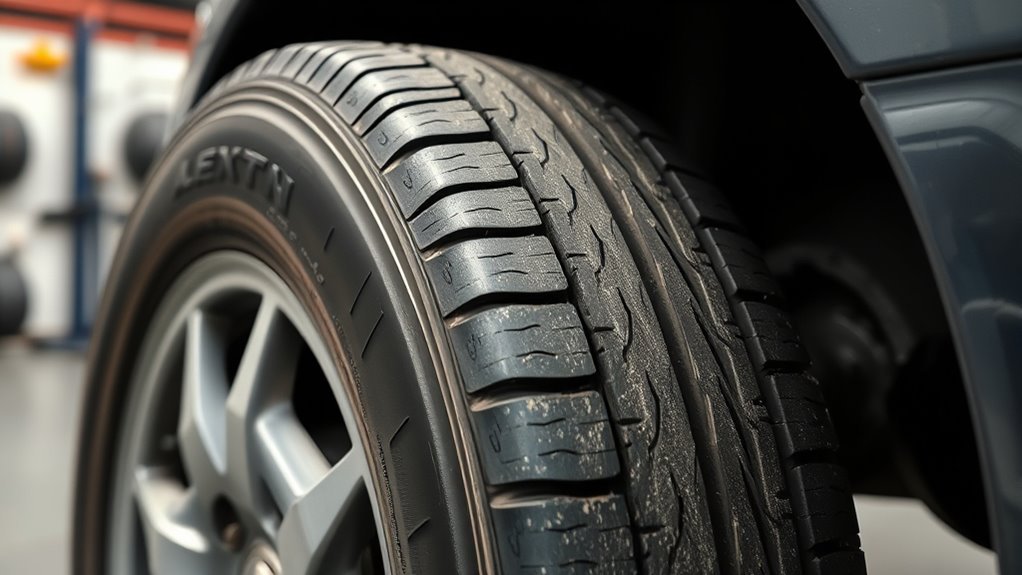
Inner-edge tire wear means your alignment or suspension is putting constant load on the inner shoulder—usually negative camber, incorrect toe, or worn components—reducing traction and raising blowout risk. Check tread depth across the width, monitor pressures, and rotate tires every 8,000–10,000 km; address pulling, harsh cornering, or overload. Minor unevenness may be managed short-term, but precise alignment, suspension repair, or replacement is the long-term fix; continue for step-by-step checks and fixes.
Quick Home Checks to Spot Inner-Edge Wear
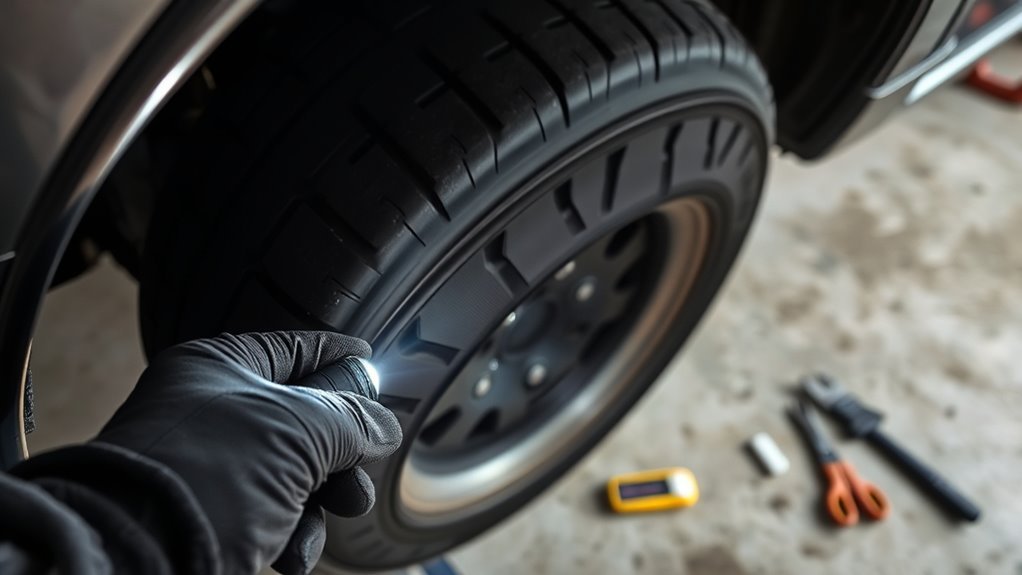
Want to catch inner-edge tire wear before it becomes a safety issue? You’ll start with a focused tire inspection each month: visually scan the inner edge for uneven tread depth, smooth patches, exposed cords or steel belts. Use a tread depth gauge to take precise tread measurements on the inner and outer edges; record differences and flag any significant gap. Check tire pressure against the manufacturer’s spec and correct under-inflation immediately, since low pressure accelerates inner-edge wear. While driving, note any consistent pulling to one side — that’s a cue to assess alignment at home and plan a shop visit. Keep a simple log with dates, pressures, tread readings, and observations; trends free you from surprises. If you see cord exposure, severe smoothness, or rapid change between checks, remove the tire from service and get professional evaluation. These quick, repeatable checks give you control and reduce risk without waiting for failure.
Identify Inner-Edge Wear and Safety Risks
How can you recognize inner-edge wear before it creates a serious hazard? Inspect tread depth across the width: if the inner shoulder is visibly shallower than the rest, you’ve got inner-edge wear. Run a penny or tread gauge perpendicular to the tread at multiple points. Look for feathering or scalloped edges; these indicate uneven contact. Check sidewall condition—excessive inner wear often precedes bulging or cuts that raise blowout risk.
Understand the safety implications: compromised tire health reduces traction, lengthens stopping distances, and increases blowout probability at speed. Note related causes without diving into alignment specifics: worn suspension parts or persistent overinflation change contact pressure and accelerate inner-edge loss. As safety measures, prioritize regular rotations every 8,000–10,000 km, monitor pressures, and schedule inspections. If you detect asymmetric wear, remove the tire from service and replace it—don’t gamble with control or freedom on the road.
Wheel Alignment: How It Causes Inner-Edge Wear
Now that you know how to spot inner-edge wear and its safety risks, look at how wheel alignment produces that wear pattern. When camber adjustments put the top of the tire inward (excessive negative camber), you concentrate load on the inner shoulder. That uneven pressure chews the inner tread, reducing grip and lifespan. Incorrect toe alignment, especially toe-out, compounds the problem by forcing lateral scrub as the wheel tracks, accelerating inner-edge degradation during turns and on straight runs.
You should schedule alignment checks every 20,000–30,000 km or whenever you fit new tires, and after impacts from potholes. Note that worn suspension parts can shift alignment; address them without delay. Keep tire pressure correct, since overinflation magnifies misalignment effects and speeds inner-edge wear. By monitoring camber adjustments and toe alignment and acting promptly when specs deviate, you free yourself from recurring premature wear and regain predictable handling and safety.
Suspension Problems That Wear the Inner Edge
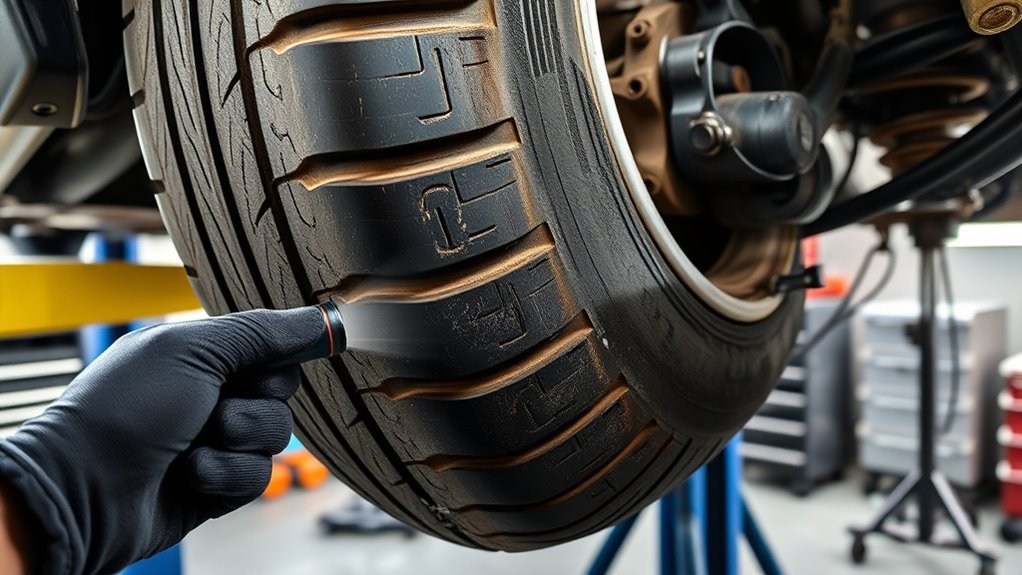
When worn suspension parts—like ball joints, control arms, shocks, or struts—let alignment drift, your tires pick up uneven load and the inner shoulder wears fastest; this negative-camber shift and loss of damping forces the tire to run on its inside edge, reducing grip and accelerating tread loss. You’ll notice the car pulling to one side or uneven inner wear patterns; those are clear signals to act. Perform routine suspension diagnostics every 20,000–30,000 km to catch degraded ball joints, bent arms, or failing struts before they warp camber. Replacing worn shocks or struts restores damping, keeps the tire planted, and stops progressive inner-edge degradation. After parts replacement, demand precise alignment adjustments to reset camber and toe to spec—don’t accept guesswork. Treat suspension maintenance as liberation: it frees you from premature tire costs and unsafe handling. Inspect, replace, and align promptly to preserve tread life and control.
How Overinflation and Loading Affect Inner-Edge Wear
If you overinflate tires, the contact patch shrinks and the tread crowns, shifting load off the shoulders and increasing wear toward the center and inner edge; this reduced footprint also makes the tire more sensitive to alignment errors, so even mild negative camber or uneven loading will concentrate wear on the inner shoulder. You should keep tire pressure within the manufacturer’s range to preserve contact area and limit inner-edge abrasion. Overinflation amplifies sensitivity to suspension and alignment variances; proper pressure is a basic act of control and liberation from premature replacement.
Excessive cargo or payload without attention to load management can induce static negative camber and uneven vertical load, focusing forces on the inner edge. Check pressures with a gauge after heavy loads and redistribute cargo to equalize axle loads. Regular monitoring and deliberate load management let you reclaim even wear and extend service life.
| Condition | Effect on Contact Patch | Preventive Action |
|---|---|---|
| Overinflation | Shrinks footprint | Adjust to spec |
| Overload | Induces negative camber | Redistribute/load limit |
| Uneven load | Local stress | Balance cargo |
Driving Habits That Speed Up Inner-Edge Wear
Pressure and load control are only part of the story; your everyday driving habits can accelerate inner-edge wear just as quickly. Aggressive cornering techniques and high driving speed amplify lateral forces that shift load across the tread, promoting inner-edge breakdown. Likewise, harsh braking habits force weight forward repeatedly, concentrating wear on the inner shoulders. Overloading the vehicle increases negative camber effects, making inner tread contact heavier; monitor vehicle load and adjust cargo to avoid persistent tilt. In tight parking strategies, you create scrub from lateral dragging—minimize sharp, repeated turns while maneuvering. Road conditions matter: rough, uneven surfaces and frequent curb strikes compound inner-edge abrasion. Keep tire pressure correct and consistent to guarantee even contact patch distribution. Finally, integrate disciplined tire maintenance—regular rotations and inspections—so emerging inner-edge wear is detected and dispersed before it becomes structural. Adopt these practical habits to reclaim control and extend tire life.
DIY vs Professional: When to Repair or Replace
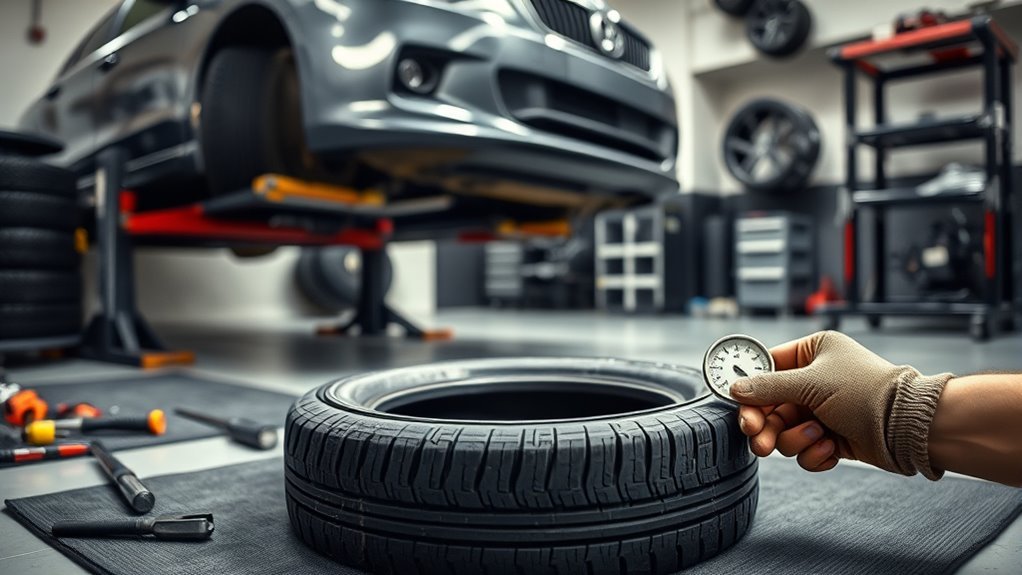
You can handle routine tasks like tire rotation and pressure checks at home every 5,000–7,500 miles to slow inner-edge wear and save money. If you see significant inner-edge loss, exposed cords, unusual handling, or suspect worn suspension, get a professional alignment and component inspection—typically every 20,000–30,000 km or annually. While DIY saves upfront, professional alignment and suspension repair reduce blowout risk and costly replacements, so weigh immediate cost against long-term safety.
When To DIY
One clear rule: handle routine checks and simple maintenance yourself—inspect tire pressure and tread depth regularly, rotate tires every 5,000–7,500 miles, and run basic suspension and alignment checks with a tape measure to catch early inner-edge wear. Use diy tools and prioritize tire maintenance to stay independent and safe. You can inspect ball joints, control arms, pressures, and tread; measure toe and camber indicators; and rotate tires on a lift or jack stands.
| Task | DIY scope |
|---|---|
| Pressure/tread | Fully DIY with gauge |
| Rotation | DIY with jack stands |
| Alignment check | DIY measurement; pro repair |
If wear persists or repairs exceed your skillset or toolset, seek a pro to restore safe control and preserve your freedom on the road.
Signs You Need Pro
When should you call a pro? If you see pronounced inner edge tire wear—uneven tread depth, smooth patches, exposed cords or steel belts—stop driving and get a professional inspection. Those are clear alignment indicators that DIY fixes won’t fully resolve. You can do routine rotation and pressure checks to slow progression, but severe wear implies suspension or angle faults requiring calibrated equipment and trained diagnosis. Professionals will run measurements, follow professional recommendations, and perform alignment or replacement to restore neutral handling. Schedule alignment checks every 20,000–30,000 km when inner-edge wear appears. Choosing a qualified technician lets you reclaim control of vehicle safety and mobility; don’t trade empowerment for temporary DIY patches when structural risks exist.
Cost And Safety Tradeoffs
Although DIY fixes can cut immediate costs, they often miss underlying alignment or suspension faults that cause inner-edge wear, creating safety risks and higher long-term expenses. You should perform a strict cost analysis: compare parts, tools, and your time against a pro’s bundled inspection, alignment, and balancing. Professionals detect root causes and follow industry cadence—alignment checks every 20,000–30,000 km—to prevent recurrence.
Consider safety implications: improper DIY repairs can permit progressive wear, blowouts, and accidents. If you lack alignment tools, suspension lifts, or diagnostic skill, you’re gambling with safety and vehicle value. Choose DIY only for straightforward tire swaps when you’ll follow a professional alignment immediately after. For persistent inner-edge wear, pay for a pro—liberate yourself from repeated fixes and unsafe shortcuts.
Maintenance Plan to Prevent Inner-Edge Wear (Rotation, Alignment, Inspection)
Because uneven wear often starts subtly at the inner edge, you should follow a clear maintenance plan that combines scheduled rotations, alignment checks, pressure monitoring, and suspension inspections to prevent premature tire failure. Rotate tires every 8,000–10,000 km to equalize load and tread life; log each tire rotation to spot trends and defend against premature replacement. Schedule wheel alignment checks every 20,000–30,000 km or annually to maintain camber and toe within spec—this is the primary control against inner-edge deterioration. Monitor tire pressure monthly and set it to the manufacturer’s recommended PSI to avoid loading the inner shoulder through under- or overinflation. Inspect suspension components—ball joints, struts, bushings—during service intervals; worn parts shift alignment and accelerate inner wear. Keep a concise maintenance record that ties rotations, alignments, pressures, and suspension findings together. That record lets you take informed action, preserve grip, and keep the freedom of reliable, predictable handling.
Pick Tires & Modifications That Reduce Inner-Edge Wear
If you want to cut inner-edge wear, pick tires and suspension modifications that match your vehicle’s loading and alignment needs. Choose tire selection based on manufacturer specs: correct tread pattern and sidewall stiffness distribute load and resist edge scalloping. Favor higher tread depth to boost grip and stability so you won’t need aggressive inputs that accelerate inner wear. Consider performance tires with reinforced sidewalls to handle cornering and braking forces without collapsing into negative camber stress.
For suspension upgrades, install adjustable systems that let you dial camber, caster, and toe to precise settings; that correction directly reduces inner-edge contact. Upgrade shocks or struts to units that maintain alignment under load and resist squat or dive—stable geometry preserves even wear. Consult tire professionals for matched recommendations so components and tires work as a system. Do this and you’ll reclaim predictable handling, longer tire life, and the freedom to drive without replacing tires prematurely.
Frequently Asked Questions
Why Are My Tires Wearing on the Inside Edge?
Because worn suspension, excessive negative camber or bad toe make you run inner-edge wear, you should prioritize alignment importance and tire maintenance tips: get alignments, replace bushings/struts, monitor pressure, and curb aggressive driving to regain control.
What Causes Inner and Outer Tire Wear at the Same Time?
Simultaneous scuffed sides signal serious spread: you’re facing bad tire alignment and suspension issues causing uneven contact. You’ll check alignment, replace worn components, avoid overloading, and maintain correct pressures to reclaim rolling freedom.
Can a Bad Wheel Bearing Cause Inner Tire Wear?
Yes — a failing wheel bearing can cause inner tire wear by creating play and tilt, producing wheel bearing symptoms like humming. You should address tire alignment issues promptly, replace worn bearings, and reclaim safe, reliable handling.
Conclusion
Spot inner-edge wear early, check alignment, check suspension, check pressures, and check load. Fix camber and toe problems, repair worn suspension parts, and correct overinflation or excessive loading. Rotate tires regularly, inspect frequently, and replace when tread or structure is compromised. Choose tires with stronger shoulders and proper size, and avoid aggressive cornering and hard curb impacts. Act promptly to restore geometry, preserve traction, and extend tire life.
Related Articles

When to Replace Tubeless Sealant: Timing & Signs
Be warned: tubeless sealant can fail in weeks or months—learn the signs, testing tips, and exact replacement timing to avoid flats.
Read More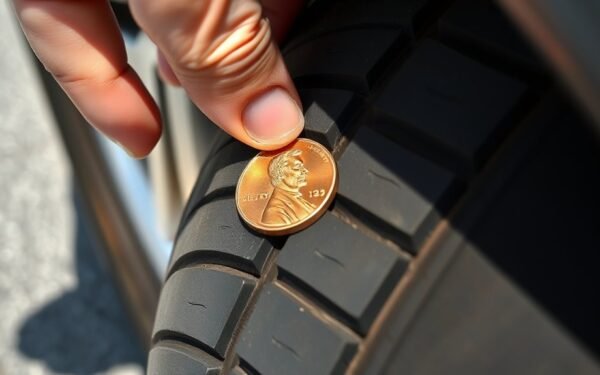
The Penny Test for Tread Depth: How to Do It Right
Better learn the penny test correctly—discover when Lincoln’s head reveals dangerous tread wear and what to do next.
Read More
Tire Rotation Schedule: How Often & Why It Matters
Optimizing tire life? Discover why rotating every 5,000–8,000 miles matters for safety and savings—read on to learn exact patterns and tips.
Read More