
Hyundai Sonata Vibration After New Tires Installed: 6 Causes
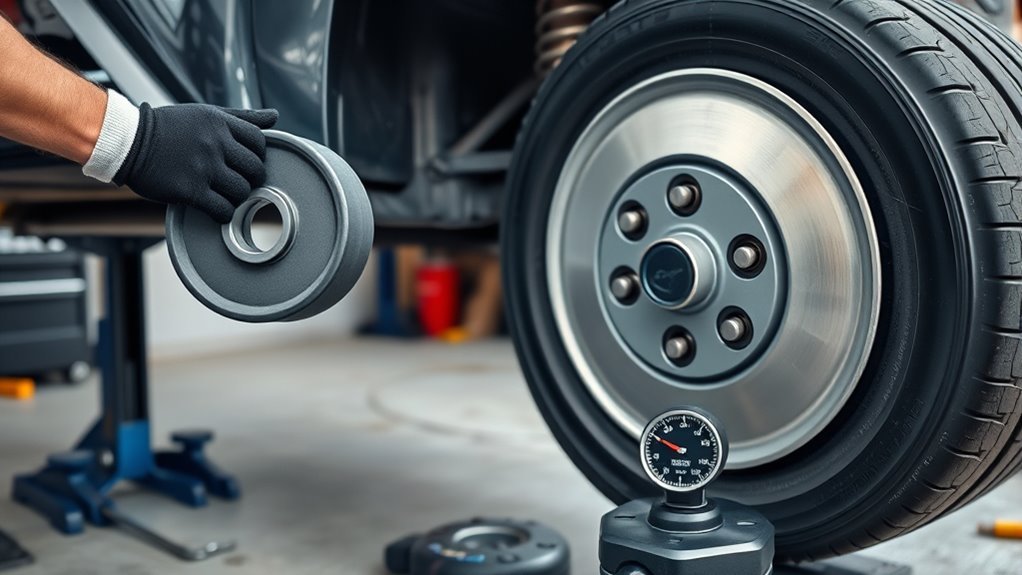
If you’re experiencing vibration in your Hyundai Sonata after new tire installation, several factors could be at play. Improper tire balancing often leads to noticeable steering wheel shake and vibration at higher speeds. Wheel misalignment can create directional instability and amplify vibrations. Check for tire pressure issues and inspect your suspension components for wear. Additionally, evaluate engine and transmission mounts as they can contribute to vibrations. Explore these aspects to pinpoint the exact cause and guarantee a smoother ride.
Identifying Common Causes of Vibration After New Tires on Your Hyundai Sonata
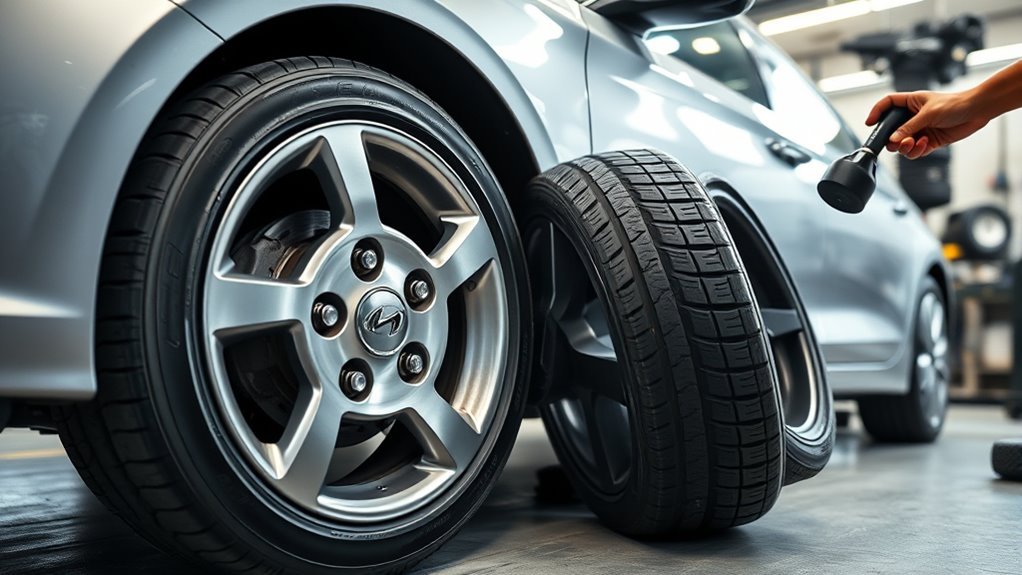
When you notice vibrations after installing new tires on your Hyundai Sonata, it’s crucial to identify the underlying causes quickly. First, check your tire pressure; improper inflation can greatly affect ride quality and lead to vibrations. Next, examine your driving habits—sharp turns and aggressive acceleration can wear tires unevenly, exacerbating issues.
Improper or incomplete tire balancing often leads to uneven weight distribution, causing noticeable shaking at certain speeds. Misalignment of the wheels can create directional instability, contributing to these vibrations. Additionally, inspect your suspension components, like wheel bearings and struts, as worn parts can amplify vibrations after a tire change.
Finally, verify your tires match in size and type, especially on all-wheel-drive models, to avoid major vibration issues. If problems persist, advanced balancing techniques, such as Hunter Road Force balancing, may be necessary to restore a smooth ride.
Understanding How Improper Tire Balancing Causes Steering Wheel Shake
Improper tire balancing can lead to uneven weight distribution, causing your steering wheel to shake, especially at speeds between 50-75 mph. You might notice vibrations that signal an imbalance, which requires your immediate attention. To resolve these issues, understanding common balancing problems and exploring advanced solutions is essential for maintaining a smooth driving experience.
Common Balancing Issues
Even slight tire imbalance can lead to noticeable vibrations, particularly in the steering wheel, which often occur at speeds between 50-75 mph. This imbalance stems from uneven weight distribution, causing tires to rotate non-uniformly. Larger and wider tires are especially vulnerable, amplifying these vibrations. If you’ve recently installed new tires, verify proper balancing; quick spin methods may not fully resolve vibration issues. Consider advanced solutions like Hunter Road Force balancing to simulate real driving conditions. Regularly check your tire pressure and follow maintenance tips to mitigate future imbalances. Remember, addressing these common balancing issues early can enhance your driving experience, guaranteeing a smoother, safer ride.
Symptoms of Imbalance
Vibrations from improperly balanced tires manifest as noticeable steering wheel shake, particularly at speeds between 50-75 mph. This shaking often indicates underlying issues that need addressing.
You might experience:
- Uneven weight distribution leading to vibration frequency fluctuations.
- Increased sensitivity in larger, wider tires, amplifying vibrations.
- Shakiness after new tire installation, signaling balance or centering issues.
- Tire pressure variations exacerbating the imbalance.
- Compromised vehicle safety and performance if left unchecked.
If you’re facing these symptoms, it’s essential to investigate and rectify the situation. Regular inspections and advanced balancing techniques can help guarantee a smoother ride, preserving both your comfort and safety on the road.
Solutions for Proper Balancing
When tires aren’t balanced correctly, you may notice a distinct shake in the steering wheel, particularly at highway speeds. This vibration often arises from uneven weight distribution, which can be addressed through effective balancing techniques. Consider advanced methods like Hunter Road Force balancing; they simulate real driving conditions to identify radial force variations that standard techniques might overlook. Additionally, guarantee proper centering with hub-centric rings and check the installation torque of lug nuts to eliminate sources of imbalance. Regularly inspect your suspension components and alignment, as worn parts can exacerbate vibration issues. By implementing these vibration solutions, you can achieve smoother rides and enhance your Hyundai Sonata’s performance.
The Impact of Wheel Alignment on Vibration Issues
Proper wheel alignment is essential for your Hyundai Sonata, as misalignment can cause uneven tire wear and noticeable vibrations, especially between 20-50 MPH. If you feel your steering wheel pulling or shaking, it’s likely a sign of alignment issues that need immediate attention. Regular checks after installing new tires not only enhance handling but also prevent further complications and improve overall vehicle performance.
Proper Alignment Importance
Ensuring accurate wheel alignment is essential for a smooth driving experience, as misalignment can lead to significant vibration issues. Here are the key alignment benefits:
- Even tire contact reduces uneven wear.
- Minimizes vibrations, especially at higher speeds.
- Prevents directional instability felt through the steering wheel.
- Enhances overall vehicle handling and ride comfort.
- Increases tire longevity with regular alignment frequency checks.
Symptoms of Misalignment
Misalignment can lead to noticeable symptoms that impact your driving experience, particularly through vibrations. You’ll often notice alignment indicators like an off-center steering wheel or a pull to one side, which contribute to a shaking sensation while driving. These vibrations typically become more pronounced at speeds between 20-50 MPH and can intensify during acceleration or deceleration. It’s vital to pay attention to your steering feedback; any irregularities signal an urgent need for a professional alignment check. Ignoring misalignment not only exacerbates vibration issues but can also result in uneven tire wear and potential suspension damage. Regular alignment checks, especially after new tire installations, are essential for maintaining peak vehicle performance and safety.
Identifying Signs of Worn Suspension Components
As you drive your Hyundai Sonata, you might notice vibrations, particularly between 20-50 MPH, which can signal worn suspension components. Addressing these issues early is essential for safety and ride comfort. Keep an eye out for these signs of component wear:
- Clunking noises during bumps
- Poor handling or drifting
- Uneven tire wear patterns
- Vibration felt in the steering wheel
- Loose or damaged parts like ball joints
Conducting regular suspension inspections can help identify these problems before they escalate. Inspect struts, shocks, and bushings for wear, as they play a key role in maintaining stability. Don’t ignore any unusual symptoms; they often indicate that it’s time for replacement or repair. By addressing worn suspension parts promptly, you not only enhance performance but also prevent further damage to related systems, ensuring a smoother and safer ride.
How Engine and Transmission Mounts Can Cause Vibration Issues
When engine and transmission mounts wear or become damaged, they can greatly impact how your Hyundai Sonata handles vibrations. Mount deterioration can lead to increased vibration felt in the cabin and steering wheel, especially during acceleration or when the A/C is running. Misaligned or failing mounts create excess engine movement, exacerbating these issues.
| Issue | Symptoms | Recommended Action |
|---|---|---|
| Mount Cracks | Increased cabin vibration | Inspect and replace |
| Loose Mounts | Excessive engine movement | Tighten or replace |
| Misalignment | Vibration during acceleration | Realign or replace |
Regular vibration diagnosis is essential. Inspecting mounts for visible wear or cracks guarantees you catch problems early, enhancing driving comfort and overall vehicle performance. Addressing mount issues promptly can prevent further mechanical problems, keeping your Sonata smooth and enjoyable to drive.
Effective Troubleshooting Tips for Tire Installation Vibration
To effectively troubleshoot vibrations after installing new tires, start by confirming each tire is properly balanced and aligned. Follow this installation checklist to identify potential issues:
To troubleshoot vibrations after new tire installation, ensure proper balancing and alignment before checking for other potential issues.
- Check tire pressure: Verify it’s within the manufacturer’s specifications.
- Inspect for damage: Look for any visible wear or damage on the tires.
- Verify lug nut torque: Confirm that you’ve used the correct torque specifications and installation pattern.
- Examine hub-centric rings: Make sure the wheels are centered on the hubs to prevent steering wheel shake.
- Inspect suspension and bearings: Look for worn or damaged components that may have become apparent after the new tires were installed.
Frequently Asked Questions
Why Is My Hyundai Sonata Vibrating?
Your Hyundai Sonata’s vibrating likely stems from improper tire balancing or wheel misalignment. These issues create uneven weight distribution, leading to noticeable shaking, especially at higher speeds. Regular checks can help prevent this problem.
How Long Does an Alignment Take After New Tires?
Getting your alignment done after new tires takes about 30 minutes to an hour. If you skip it, you risk tire imbalance and suspension issues, leaving you on a rocky road instead of gliding smoothly.
Conclusion
If you’re experiencing vibrations after installing new tires on your Hyundai Sonata, it’s essential to pinpoint the root cause. While you might think it’s just a minor inconvenience, ignoring these vibrations can lead to more serious issues down the line. Whether it’s improper tire balancing, misalignment, or worn components, addressing the problem early can save you time and money. Don’t let vibrations compromise your driving experience—take action to guarantee your Sonata runs smoothly and safely.

Related Articles

Run Flat vs Regular Tires for Hyundai Sonata: Pros & Cons
Get the lowdown on run-flat and regular tires for your Hyundai Sonata; discover which option suits your driving needs before making a final decision.
Read More
Does Hyundai Sonata Come With Complimentary Tire Rotation?
Find out if the Hyundai Sonata includes complimentary tire rotation services and discover how this benefit can enhance your driving experience.
Read More
Touring vs Performance Tires for Hyundai Sonata: Which to Choose
Discover the key differences between touring and performance tires for your Hyundai Sonata, and find out which option truly suits your driving style.
Read More