
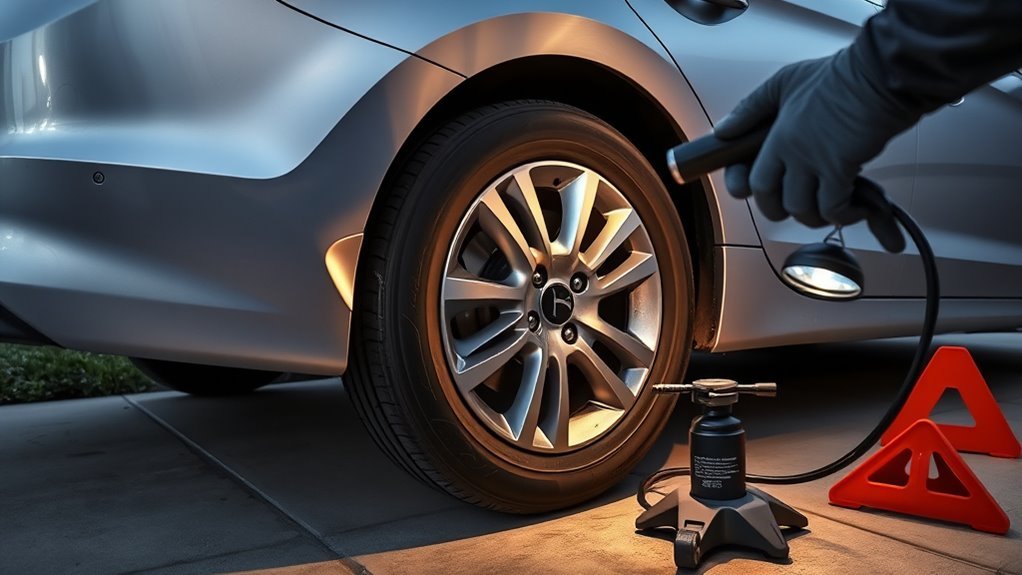
If you are worried that a Hyundai Sonata coil spring recall could lead to a punctured tire, the safest first step is to check your exact Vehicle Identification Number (VIN). This recall is not for every 2009-2011 Sonata. It applies to certain 2011 Hyundai Sonata vehicles, along with certain 2011 Hyundai Elantra vehicles, in salt-belt areas where road salt can corrode the front coil springs.
Quick Answer
Hyundai Recall Campaign 133, also listed by NHTSA as 15V629000, covers certain 2011 Sonata vehicles with front coil springs that may corrode, fracture, contact the tire, and increase crash risk. Check your VIN on the NHTSA or Hyundai recall lookup site, then schedule the approved dealer remedy if your vehicle has an open recall.
Key Takeaways
- The recall is for certain 2011 Hyundai Sonata vehicles, not every 2009-2011 Sonata.
- The safety concern is front coil spring corrosion that may lead to a fracture and tire contact.
- Use your 17-character VIN on the official NHTSA recall lookup or Hyundai recall lookup.
- If the recall is open, an authorized Hyundai dealer should complete the approved remedy free of charge.
- Do not keep driving if the car is sagging, making metal-on-metal noises, pulling hard, or if the spring appears to be touching the tire.
At a Glance
| Time Required | 5-10 minutes to check your VIN; dealer visit time varies by inspection, parts availability, and remedy needed |
| Difficulty | Easy for VIN lookup; dealer-only for the recall repair |
| Tools Needed | VIN, phone or computer, registration or insurance card, and any recall notice or service records |
| Cost | No charge for the approved safety recall remedy when your VIN is eligible and the recall is open |
Why the Hyundai Sonata Coil Spring Recall Is a Safety Concern

The Hyundai Sonata coil spring recall is a safety concern because road salt can speed up corrosion on the front coil springs. If a front coil spring fractures near the base, the broken spring can move into the tire area. That can puncture the tire and increase the risk of losing control or crashing.
The official recall is Hyundai Recall Campaign 133, also listed by the National Highway Traffic Safety Administration (NHTSA) as Campaign 15V629000. Hyundai’s recall information explains that affected vehicles should be verified by VIN before the repair is performed, because not every Sonata from the same general era is included.
Warning: If you hear scraping, see the front corner of the vehicle sitting low, notice tire damage, or suspect the spring is touching the tire, do not keep driving normally. Pull over when safe and call a Hyundai dealer, roadside assistance, or a qualified repair shop for towing advice.
Which Hyundai Sonata Vehicles Are Affected?
This recall is narrower than many summaries make it sound. It applies to certain 2011 Hyundai Sonata vehicles manufactured from December 11, 2009 through February 28, 2010, originally sold in or currently registered in salt-belt areas. The same campaign also covers certain 2011 Hyundai Elantra vehicles, but Sonata owners should focus on their own VIN instead of assuming eligibility by year alone.
The affected salt-belt jurisdictions listed in recall summaries include Connecticut, Delaware, Illinois, Indiana, Iowa, Maine, Maryland, Massachusetts, Michigan, Minnesota, Missouri, New Hampshire, New Jersey, New York, Ohio, Pennsylvania, Rhode Island, Vermont, West Virginia, Wisconsin, and the District of Columbia.
Note: A 2011 Sonata outside those dates or areas may not be included, while a vehicle that moved between states may still qualify. The only reliable answer is the VIN result from NHTSA, Hyundai, or an authorized Hyundai dealer.
How to Check If Your Hyundai Sonata Is Part of the Recall
Start by locating your 17-character VIN. You can usually find it at the lower driver-side corner of the windshield, on the driver-side door jamb label, on your registration, on your title, or on your insurance card.
- Go to the official NHTSA recall lookup.
- Enter your 17-character VIN exactly as shown on your vehicle or documents.
- Look for any open safety recall connected to Hyundai Campaign 133 or NHTSA Campaign 15V629000.
- Also check Hyundai’s official Safety Recalls and Service Campaigns page or the Hyundai Campaign 133 VIN validation page.
- If the recall appears open, call your local Hyundai dealer and ask to schedule the front coil spring recall remedy.
Pro Tip: Take a screenshot or printout of the VIN lookup result before calling the dealer. It makes the appointment easier and gives you a record of what you saw.
[Products Worth Considering]

Yieokei Tesla jack pads are molded rubber lifting pucks designed for 2016-2026 Model 3/Y/S/X, including Juniper, to fit securely in the jack hole. They cushion the underframe and help position the jack precisely at the factory jack points to reduce risk of battery, paint, or chassis damage. The set also includes a tire repair tool kit for emergency roadside fixes and comes with a portable storage case to keep everything organized.

This roadside assistance kit helps drivers and passengers in urgent situations after an accident or breakdown, providing practical support while waiting for help. It includes a lightweight, compact tire inflator for fast inflation of standard vehicle tires, plus reinforced jumper cable protection for safer handling. Ideal for winter weather, road trips, camping, and travel, with everything stowed neatly in a trunk bag.

Steelman white tire marking crayons provide high-contrast, semi-permanent marks for repairing and inspecting tires and equipment. They write on wet or dry, smooth or coarse surfaces including rubber, metal, glass, and wood, making them ideal for puncture location and damage outlining. The lead- and zinc-free crayons resist weather and fading yet wipe away when you no longer need the marks.
Steps to Take If Your Vehicle Has an Open Recall
If your Hyundai Sonata has an open coil spring recall, do not delay the repair. The recall exists because the failed part can create a tire-puncture hazard, especially in areas where road salt is common.
[Products Worth Considering]

Monitor tire tread wear with a smart, color-coded depth gauge that shows clear condition ranges at a glance. The bar is range marked for fast, easy readings, helping you maintain safer traction and performance. Each gauge is portable with a pocket clip, and the set includes 20 units for daily use and sharing.

This car emergency kit keeps essential roadside tools organized in a durable, portable bag so you can respond quickly during common driving emergencies. It includes battery jumper cables, a bright LED headlight, first aid supplies, a tire pressure gauge, and safety essentials like gloves and an emergency poncho. Designed for trunk or storage use, it helps you be prepared for dead batteries, minor malfunctions, and unexpected roadside issues.

The Big Rig Defense Tire Thumper is a truck tire pressure checker that lets you quickly check multiple tires by giving them a firm whack. Listen for a reassuring thump and feel the stick bounce when a tire is fully inflated, helping you get back on the road safely. It features a comfortable, glove-friendly handle and a secure wrist strap for confident use on busy routes.
Check Recall Status Online
Use both NHTSA and Hyundai if possible. NHTSA is the official federal recall lookup, while Hyundai’s lookup can also show Hyundai service campaigns and help route you to a dealer appointment.
| Step | Action | Why It Matters |
|---|---|---|
| 1 | Find your VIN | Recall eligibility is based on the exact vehicle, not just the model year. |
| 2 | Check NHTSA | Shows open safety recalls tied to your VIN. |
| 3 | Check Hyundai | Shows Hyundai recall and service campaign information. |
| 4 | Call the dealer | The dealer can confirm parts, remedy steps, and appointment timing. |
| 5 | Keep records | Receipts and repair orders help prove the recall was completed. |
Contact Local Dealership
When you call a Hyundai dealership, give them your VIN and ask specifically about Hyundai Recall Campaign 133 or NHTSA Campaign 15V629000. Ask whether the recall is open, whether parts are available, and how long the visit is expected to take.
Bring your registration, any recall notice, service records, and photos if the spring has already damaged a tire or caused visible suspension damage. If you previously paid for a repair that matches the recall condition, ask the dealer or Hyundai customer support about reimbursement review.
Schedule Necessary Repairs
Schedule the appointment as soon as the dealer confirms your VIN is affected. Hyundai campaign materials describe the remedy as inspecting and repairing or replacing the front coil springs as needed. In some remedy instructions, protection is installed to prevent tire puncture if spring failure occurs. The dealer will follow the approved procedure for your VIN.
- Ask whether both front coil springs will be inspected.
- Confirm whether the repair will be completed the same day.
- Ask whether the vehicle is safe to drive to the dealership or should be towed.
- Keep the final repair order after the work is complete.
Why Is It Dangerous to Drive With a Broken Coil Spring?
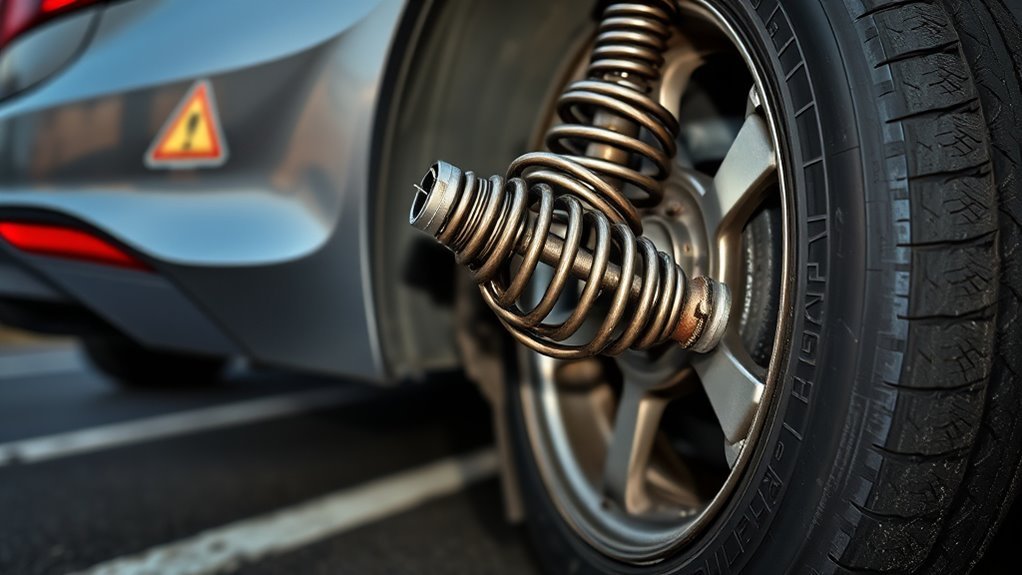
Driving with a broken front coil spring is dangerous because the spring supports vehicle weight and helps the suspension keep the tire planted on the road. When the spring breaks, that corner of the vehicle may sag, the tire may rub, steering may feel unstable, and braking or turning can become less predictable.
The special concern in this Hyundai recall is tire contact. A fractured spring can move toward the tire and puncture it. A sudden puncture or blowout can make the car harder to control, especially at highway speed or during a turn.
A front coil spring that breaks near the tire is not just a comfort issue. It can become a tire damage and crash-risk issue.
Warning Signs of a Bad or Broken Front Coil Spring
A coil spring can fail suddenly, but many drivers notice symptoms first. Watch for these warning signs:
- Front end sits lower on one side
- Clunking, scraping, popping, or metal-on-metal noise near the front wheel
- Uneven tire wear or fresh cuts on the inner sidewall
- Vehicle pulls, wanders, or feels unstable over bumps
- Steering wheel vibration after hitting a pothole
- Visible broken spring section near the lower spring seat
Warning: Do not try to remove a compressed coil spring at home unless you are trained and have proper equipment. Coil springs store a lot of energy and can cause serious injury if handled incorrectly.
How Can I Get My Coil Springs Replaced?
To get the recall handled, confirm your VIN first, then schedule the repair with an authorized Hyundai dealer. Do not rely on a general repair shop to “close” the recall unless Hyundai directs you there. The recall completion needs to be recorded through Hyundai’s dealer system.
- Check your VIN through NHTSA and Hyundai.
- Call a Hyundai dealer and ask for Recall Campaign 133 service.
- Ask whether the vehicle should be driven or towed if symptoms are present.
- Bring your VIN, registration, recall notice, and any repair records.
- Review the final repair order before leaving and confirm the recall shows completed.
If your tire was punctured or another part was damaged because of the spring failure, mention that when scheduling. The recall remedy addresses the safety defect, but any related damage may need separate inspection and documentation.
[Products Worth Considering]

ZEHXI’s 60 pack screw-in tire plug kit uses high-grade rubber plugs with sealing threads to help repair minor punctures quickly without removing the tire. The set includes two plug sizes, so you can match different puncture openings and keep repairs organized in a transparent case. A handy screwdriver is included for fast installation, helping drivers get more mileage from existing tires while being ready for flat-tire emergencies.

The Trivd Frol 1/2" air impact wrench delivers high performance torque up to 1500 ft-lbs with a twin hammer impact mechanism for strong, balanced blows. It features an ergonomic grip, compact lightweight design, and quick-stop control with 3 forward speeds up to 8000 RPM plus a reverse speed. Built for demanding automotive repair and tire shop work, the rear exhaust helps keep debris away from the surface.

Measure tire tread depth quickly and accurately with this LUMITECO dial gauge that reads in 1/32" increments up to 14/32". The color-coded green/yellow/red zones make it easy to judge tire wear and know when replacement is needed. A rugged, compact design with a protective pouch helps keep the gauge ready for use on cars, trucks, motorcycles, and more.
How Long Do Recall Repairs Take?
Recall visit time depends on the dealer’s schedule, inspection result, parts availability, and the specific remedy required for your VIN. A simple inspection may be faster than a spring replacement, but you should not assume the car will be finished in under an hour.
Repair Time Estimates
When you schedule, ask the service advisor for a realistic time estimate. Also ask whether the dealer has the needed parts in stock. If the spring is visibly broken or the tire is damaged, ask whether the car should be towed instead of driven to the appointment.
Factors Affecting Duration
The biggest timing factors are dealer workload, whether parts are on hand, whether one or both front springs need repair or replacement, and whether related tire or suspension damage is found. If the dealer needs to order parts, ask for the expected arrival date and whether the vehicle is safe to use while waiting.
Do I Need a Warranty to Claim Recall Repairs?
No. You do not need an active vehicle warranty to have an open safety recall remedied. Safety recalls are handled separately from the normal bumper-to-bumper or powertrain warranty. Hyundai’s recall portal states that preferred Hyundai dealers complete recall repairs free of charge, and NHTSA explains that manufacturers provide free remedies for safety recalls under federal rules.
The important step is VIN confirmation. If your VIN is included and the recall is open, the dealer should perform the approved recall remedy at no charge to you. If a dealer says the repair is not covered, ask them to recheck the VIN under Hyundai Campaign 133 and request the explanation in writing.
What Other Safety Recalls Should Hyundai Owners Be Aware Of?
Hyundai owners should check for all open recalls by VIN, not only the coil spring recall. A used vehicle may have old recalls that were never completed, and a newer Hyundai may have a separate safety campaign unrelated to suspension.
Make recall checks part of your routine maintenance. Check your VIN when you buy a used vehicle, before a long road trip, after moving to a new state, and any time you receive a recall notice in the mail. The NHTSA lookup and Hyundai recall portal are the best starting points because they identify open recalls tied to the exact vehicle.
Frequently Asked Questions
Can I delay a Hyundai recall repair?
You should not delay an open safety recall repair. For this recall, the concern is that a corroded front coil spring can fracture and contact the tire. Schedule the dealer appointment as soon as your VIN shows an open recall.
Can you drive with a bad front coil spring?
It depends on the condition, but you should not keep driving if the vehicle is sagging, scraping, pulling, making metal noises, or showing tire damage. If the spring may be touching the tire, stop driving when safe and ask about towing.
Is replacing a coil spring a big job?
Yes, front coil spring work is a serious suspension repair because the spring is compressed and can be dangerous if handled incorrectly. For an open Hyundai recall, let an authorized Hyundai dealer complete the approved remedy.
Does this recall cover every 2009-2011 Hyundai Sonata?
No. The official coil spring recall covers certain 2011 Sonata vehicles, not every 2009-2011 Sonata. The only reliable way to confirm eligibility is to check the exact VIN through NHTSA, Hyundai, or a Hyundai dealer.
What should I do if the broken spring already punctured my tire?
Do not keep driving on a damaged tire. Photograph the damage, keep receipts, and contact a Hyundai dealer with your VIN. Ask the dealer to inspect the vehicle under the recall and document any related tire or suspension damage.
Conclusion
The Hyundai Sonata coil spring recall is worth taking seriously because a fractured front spring can contact the tire and create a crash risk. The key is not to guess by model year. Find your VIN, check the official NHTSA and Hyundai recall tools, and schedule the dealer remedy if Recall Campaign 133 / NHTSA 15V629000 is open for your vehicle. If you already have spring failure symptoms, treat the car as unsafe until a professional confirms otherwise.
Sources
- NHTSA Recall Lookup — official VIN recall lookup for open safety recalls.
- Hyundai Safety Recalls and Service Campaigns — Hyundai VIN recall lookup and dealer repair information.
- Hyundai Campaign 133 VIN Validation — Hyundai page for the Elantra and Sonata front coil spring recall campaign.
- NHTSA Recall 15V629 Remedy Instructions — front coil spring corrosion, fracture, tire-contact risk, and remedy procedure.
- NHTSA Part 573 Safety Recall Report 15V629 — affected vehicle population and safety defect report.
- 49 U.S. Code § 30120 — federal remedy rules for safety defects and noncompliance.


1 thought on “Hyundai Sonata Coil Spring Recall Puncturing Tire: What to Do”