
Hyundai Sonata Coil Spring Recall Puncturing Tire: What to Do
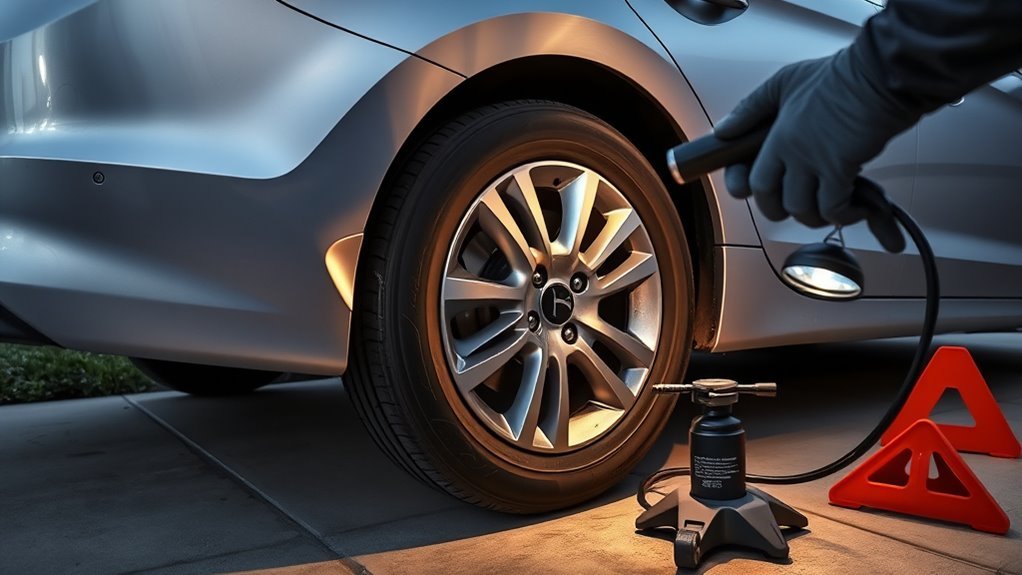
If you own a Hyundai Sonata from 2009-2011, check if you’re affected by the coil spring recall. Defective springs can corrode and fracture, potentially puncturing your tires and compromising vehicle control. To guarantee safety, find your Vehicle Identification Number (VIN) and use the NHTSA website to check your recall status. Schedule free repairs at your local Hyundai dealership—they’re free regardless of warranty status. Learn more about the risks and necessary actions for keeping your vehicle safe.
Why the Hyundai Sonata Coil Spring Recall Is a Safety Concern

The Hyundai Sonata coil spring recall raises significant safety concerns, especially if you live in a salt-belt state. The risk of coil spring failure due to corrosion from road salt is alarming. When these springs fracture, they can come into contact with your tires, increasing the chances of tire punctures. This not only jeopardizes tire safety but also compromises your vehicle’s control, potentially leading to accidents.
The National Highway Traffic Safety Administration (NHTSA) has underscored these risks, emphasizing that a broken coil spring can drastically affect your driving experience. Hyundai took action by notifying affected owners starting in November 2015, demonstrating a commitment to safety. Fortunately, dealers are required to replace these defective coil springs at no cost, ensuring you can drive confidently, free from the dangers posed by this issue. Prioritizing your safety is essential, so stay informed and proactive.
How to Check If Your Hyundai Sonata Is Part of the Recall
Wondering if your Hyundai Sonata is affected by the coil spring recall? Start by locating your Vehicle Identification Number (VIN), which you can find on the bottom edge of your windshield or your registration card. Once you have your VIN, visit the National Highway Traffic Safety Administration (NHTSA) website. Their Safety Recall Checker tool allows you to enter your VIN and check your recall status quickly.
Hyundai began notifying owners in November 2015 about the recall, which impacts certain models produced between 2009 and 2011. This recall addresses potential corrosion in front coil springs, posing safety risks such as spring fractures and tire punctures. If your Sonata is part of this recall history, don’t hesitate to contact a Hyundai dealership. They’ll schedule a free inspection and replace the coil springs, helping guarantee your safety on the road.
Steps to Take If Your Vehicle Has an Open Recall
If your Hyundai Sonata has an open recall, start by checking its status online using your Vehicle Identification Number (VIN). Next, contact your local Hyundai dealership to schedule a free inspection and necessary repairs. Addressing recalls promptly is essential for your safety and vehicle performance.
Check Recall Status Online
Curious about whether your Hyundai Sonata has an open recall? Checking is simple! Head over to the National Highway Traffic Safety Administration (NHTSA) website and use the Safety Recall Checker by entering your Vehicle Identification Number (VIN). This unique 17-digit code is usually located at the bottom edge of your windshield or on your vehicle registration card.
Here’s a quick overview:
| Step | Action | Notes |
|---|---|---|
| 1. Visit NHTSA | Go to the NHTSA website | [NHTSA.gov](https://www.nhtsa.gov) |
| 2. Enter VIN | Input your 17-digit VIN | Found on windshield or registration |
| 3. Check for recalls | Look for recall notifications | Especially for coil spring issues |
| 4. Contact dealership | Schedule a free repair | Repairs are free for up to 15 years |
| 5. Repeat regularly | Check for recalls every few months | Essential for safety |
Stay informed and drive safely!
Contact Local Dealership
To guarantee your Hyundai Sonata is safe, it’s essential to act promptly if you discover an open recall related to the coil springs. Start by locating your nearest Hyundai dealership using the dealer locator on the Hyundai website. When you contact them, have your Vehicle Identification Number (VIN) ready; this is vital for checking your recall status. Confirm the dealership is aware of the recall and ask about the availability of necessary parts. This dealership communication will streamline the recall process. Finally, schedule an appointment to have the front coil springs inspected and replaced at no cost to you. Don’t forget to keep a record of your communications and receipts for future reference or reimbursement claims.
Schedule Necessary Repairs
After contacting your local dealership about the coil spring recall, it’s time to schedule the necessary repairs. Take charge of your safety and well-being by following these steps:
- Check your Vehicle Identification Number (VIN) on the NHTSA website to confirm recall eligibility.
- Schedule an appointment with an authorized Hyundai dealer for free inspection and replacement of the front coil springs.
- Prepare your VIN and service records to streamline the repair scheduling process.
Don’t forget to stay in touch with your dealer for updates on parts availability, as delays can happen. Your proactive dealer communication guarantees you’re driving a safe vehicle, liberating you from worry and enhancing your peace of mind. Take action today!
Why Is It Dangerous to Drive With a Broken Coil Spring?
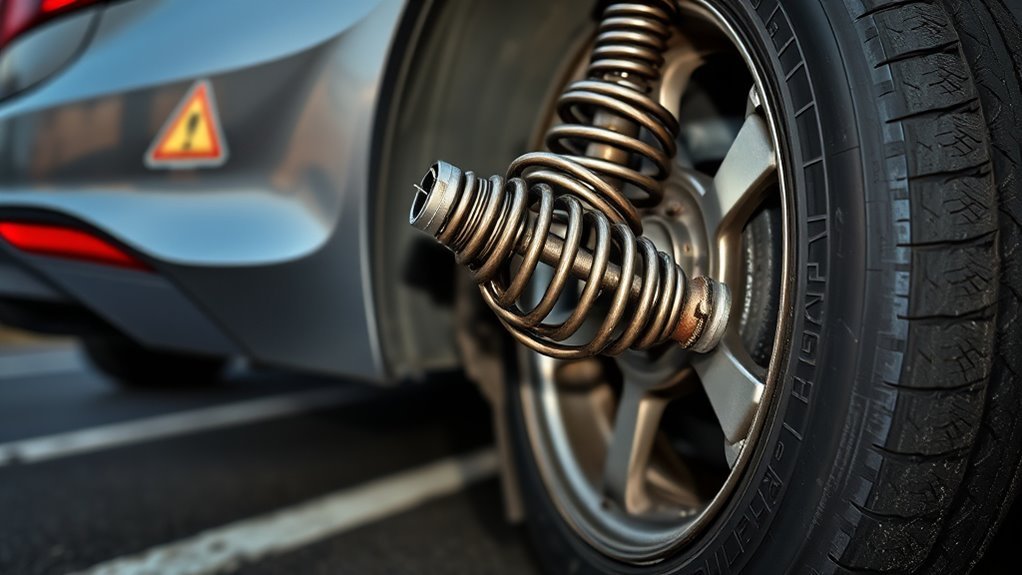
Driving with a broken coil spring poses serious safety risks that shouldn’t be ignored. A compromised coil spring can drastically reduce your suspension safety, leading to uneven tire wear and jeopardizing your vehicle stability. When a coil spring fractures, it can even make contact with your tires, increasing the risk of punctures or blowouts while you’re on the road.
Moreover, poor handling becomes a major concern. You’ll find it challenging to control your vehicle during turns or sudden maneuvers, heightening the chances of accidents. The impact on braking performance can further escalate risks, making timely stops difficult.
Ignoring a broken coil spring not only endangers your safety but can also cause further damage to other suspension components, resulting in pricey repairs down the line. Prioritizing your vehicle’s health is essential for your safety and peace of mind.
How Can I Get My Coil Springs Replaced?
Wondering how to get your coil springs replaced? Start by checking if your Hyundai Sonata is part of the recall. Simply enter your Vehicle Identification Number (VIN) on the Safety Recall Checker. Once confirmed, reach out to your local Hyundai dealership to schedule a free inspection and repair. They’re obligated to replace the front coil springs at no cost to you.
- Protect your investment and enjoy peace of mind.
- Guarantee your vehicle safety and avoid potential hazards.
- Experience the freedom of a smooth, worry-free ride.
Don’t forget to provide your VIN and any recall notices you’ve received to streamline the process. If your car’s registered in salt-belt states, act quickly! Road salt can worsen corrosion, increasing the risk of coil spring failure. Prioritize coil spring maintenance for your safety and enjoy the liberation that comes with a well-maintained vehicle.
How Long Do Recall Repairs Take?
When it comes to recall repairs for your Hyundai Sonata’s coil springs, you can expect them to take anywhere from 30 minutes to a few hours. Simple fixes often wrap up in under an hour, but complications or backordered parts can extend the time. To get the best estimate, it’s smart to schedule an appointment with your local Hyundai dealer.
Repair Time Estimates
If you’re facing a recall for your Hyundai Sonata’s coil springs, you might be curious about how long the repairs will take. The repair process typically ranges from 30 minutes to several hours, depending on the complexity and parts availability. Simple spring replacements can be quick, but additional inspections might extend your service timeline.
- You’ll feel reassured knowing repairs are free, regardless of warranty status.
- The anticipation of getting back on the road safely can be exciting.
- Scheduling in advance helps you avoid delays due to backordered parts.
Dealers provide a duration estimate when you schedule, so you won’t be left in the dark about what to expect.
Factors Affecting Duration
Several factors can influence how long your Hyundai Sonata’s recall repairs take. The repair complexity plays a significant role—simple fixes might only take a few minutes, while more complex repairs could stretch into several hours. Hyundai works to complete these repairs swiftly, but delays can arise if parts, like backordered coil springs, aren’t readily available. On average, you can expect most recall repairs to be done within a few hours, depending on the dealership’s workload and scheduling. Remember, safety recall repairs don’t expire, so you can address them at any time as long as the manufacturer is operational. For the best estimate, reach out to your local Hyundai dealership to discuss your specific situation and parts availability.
Do I Need a Warranty to Claim Recall Repairs?
Wondering whether you need a warranty to get recall repairs for your Hyundai Sonata? The good news is you don’t! Recall repairs for the coil spring issue are completely free, regardless of your warranty status or how long you’ve owned your car. It’s a common misconception that warranties are needed for such repairs, but that’s just one of many warranty myths.
Here’s why you can breathe easy:
- You can get repairs done at authorized dealerships without presenting a warranty.
- The National Highway Traffic Safety Administration (NHTSA) mandates these repairs at no cost.
- Open recalls must be fixed, even if your vehicle’s warranty has expired.
Don’t let recall misconceptions hold you back. Your safety matters, and you deserve the peace of mind that comes with knowing your vehicle’s issues will be addressed—no strings attached!
What Other Safety Recalls Should Hyundai Owners Be Aware Of?
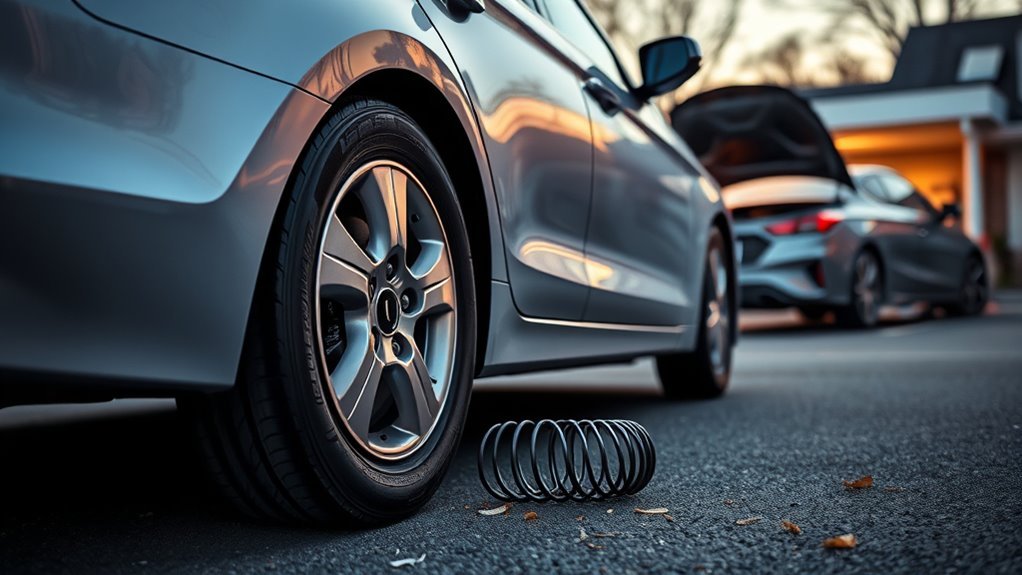
What other safety recalls should Hyundai owners keep an eye on? It’s vital to stay updated on potential risks that could affect your vehicle’s safety. Recently, Hyundai recalled over 27,700 vehicles, including the Elantra and Sonata, due to corrosion issues that can lead to front coil spring fractures. This is especially critical for those in Salt Belt states.
Additionally, be aware of Nissan recalls concerning SUVs that might lose motive power, which can be dangerous on the road. Don’t overlook Stellantis recalls for Jeep vehicles related to stability problems and inoperable trailer lights. BMW has also recalled around 88,000 vehicles due to fire risks, underscoring the importance of vigilance.
Regularly check for open recalls using your Vehicle Identification Number (VIN) to guarantee your vehicle remains safe and compliant. Your safety is paramount, so stay informed!
Frequently Asked Questions
Can I Delay a Hyundai Recall Repair?
You shouldn’t delay a Hyundai recall repair. Ignoring the recall process exposes you to safety concerns, increasing accident risks. Schedule your repair promptly at a dealership to guarantee your vehicle’s safety without any cost.
Can You Drive With a Bad Front Coil Spring?
You shouldn’t drive with a bad front coil spring. Symptoms like unusual noises and uneven tire wear can lead to tire damage and worsen suspension issues. Get it inspected immediately to guarantee your safety on the road.
Is Replacing a Coil Spring a Big Job?
Replacing a coil spring isn’t just a quick fix—it’s a big job. Expect repair costs between $200 and $800, and guarantee the technician handles it carefully to avoid injury. It’s worth the effort!
Conclusion
In the world of driving, safety and risk often collide. Ignoring the Hyundai Sonata coil spring recall could lead to a punctured tire and a dangerous situation. On the flip side, addressing the recall promptly guarantees your peace of mind and keeps your ride smooth. Don’t wait for trouble to find you—check your vehicle’s status today. It’s a small step that can make a big difference in keeping you and your passengers safe on the road.

Related Articles
Do All 4 Tires Need to Be Replaced at Once on a Hyundai Sonata?
Understanding when to replace tires on your Hyundai Sonata can enhance safety and performance—discover the key factors that influence your decision.
Read More
All-Season Vs Winter Tires for Hyundai Sonata: Which Is Better?
Find out which tire type ensures safety and performance for your Hyundai Sonata, especially when facing unpredictable winter conditions. Your decision could change everything.
Read More
Does a Hyundai Sonata Need Tire Alignment After a Pothole?
Grappling with a pothole can leave your Hyundai Sonata in need of alignment—discover the signs and solutions to ensure safe driving.
Read More