
How to Reset the TPMS Light on a Toyota RAV4: Quick and Easy

To reset the TPMS light on your Toyota RAV4, start by ensuring all tire pressures, including the spare, are correct. Turn the ignition to the ON position without starting the engine. Locate the TPMS reset button and press it until the light blinks three times. Then, drive at speeds of 19 mph or faster for about an hour to complete the reset. If issues persist, you might discover important tips for further troubleshooting ahead.
Understanding the TPMS System in Your Toyota RAV4
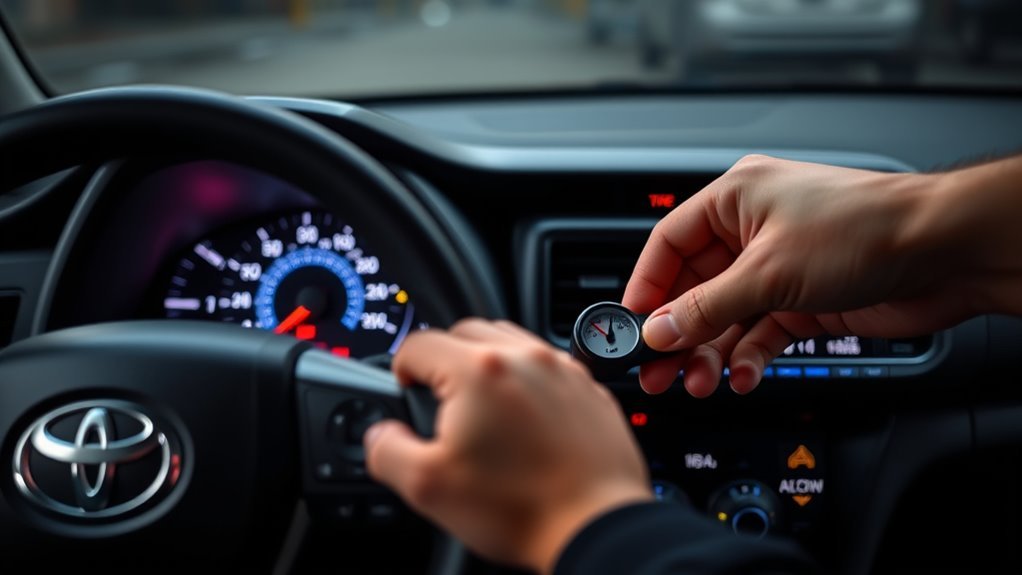
The Tire Pressure Monitoring System (TPMS) in your Toyota RAV4 is vital for maintaining tire safety and performance. Understanding the TPMS functionality basics is significant; it uses sensors to monitor tire pressure, temperature, wheel speed, and engine RPM. Your RAV4’s TPMS operates at a frequency of 315 MHz, requiring all five sensors—four tires and the spare—to function correctly.
There are two main sensor types: direct and indirect. Direct sensors measure tire pressure in real-time, while indirect sensors estimate pressure based on wheel speed. When the TPMS warning light activates, a blinking light may indicate a sensor failure or radio interference, while a solid light typically points to low tire pressure or a malfunctioning sensor. Recognizing these signals guarantees you maintain peak performance and safety on the road, empowering you to take control of your vehicle’s condition.
How to Identify When Your TPMS Light Needs Resetting?
How can you tell if your TPMS light needs resetting? Recognizing the TPMS warning signs can save you from potential issues. Here are some indicators to watch for:
- The TPMS light remains on after adjusting tire pressures, hinting at a sensor malfunction.
- A blinking TPMS light for a minute, followed by a solid light, suggests an unregistered sensor.
- Seasonal tire changes can trigger the light if your winter tires lack sensors.
- If the TPMS light doesn’t flash during the reset process, it’s a sign of communication failure with the sensors.
Before taking action, check all tire pressures, including your spare. If any are low, it could lead to persistent warning signals. By identifying these sensor malfunction indicators, you can determine when a reset is necessary, ensuring your vehicle’s safety and performance remain optimal.
Step-by-Step Guide to Resetting the TPMS Light
Resetting the TPMS light on your Toyota RAV4 is crucial for maintaining accurate tire pressure readings and safeguarding your safety on the road. Start by checking that all tire pressures, including the spare, are properly inflated. Next, turn the ignition to the ON position without starting the engine. Locate the TPMS reset button, usually found under the dash or above the brake pedal, and press it. Hold the button until the TPMS warning light blinks three times, indicating a successful reset. To complete the process, drive your RAV4 at speeds of 19 mph or faster for at least an hour. This allows the system to register the new tire pressures. If the light remains on afterward, consult your owner’s manual for specific troubleshooting guidance or consider visiting a dealer for further assistance. Taking these steps guarantees your vehicle operates safely and efficiently.
Troubleshooting TPMS Light Issues Post-Reset
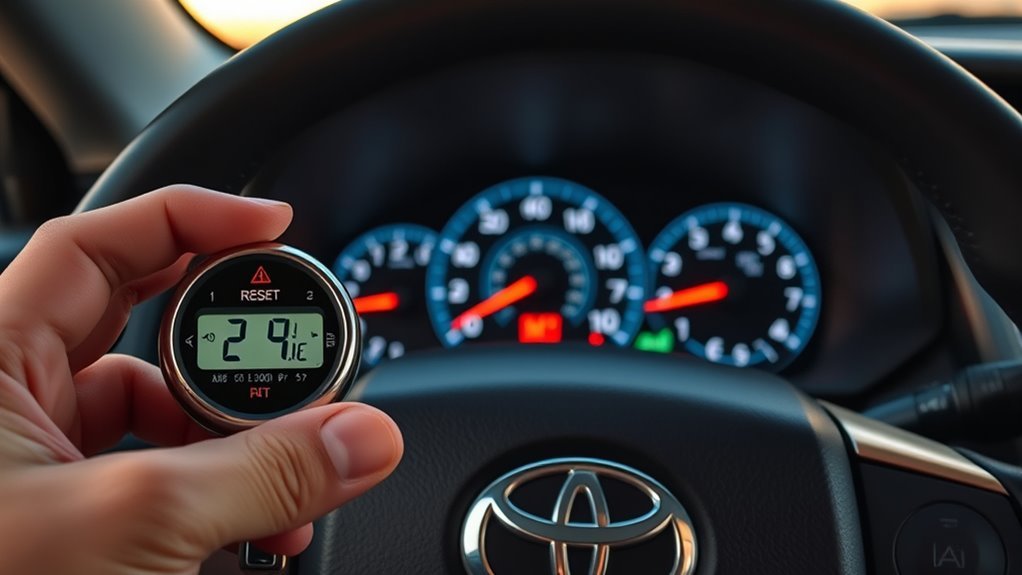
If you’re still seeing the TPMS light after attempting a reset, it’s crucial to troubleshoot the issue carefully. Here are some points to reflect on:
- Check all tire pressures, including the spare; low pressure can trigger the warning light.
- Verify that all sensors are properly registered, especially after tire replacements.
- A blinking TPMS light may indicate radio interference or a communication failure with the sensors, requiring further investigation.
- Drive at speeds of 19 mph or faster for at least an hour after resetting to allow the system to relearn sensor data.
If the light persists despite correct tire pressure and reset procedures, you might be facing a sensor malfunction. In that case, consult a dealer or a reputable tire shop for a thorough diagnosis and potential sensor programming. Taking these steps can help you regain peace of mind while driving your RAV4.
Year-Round TPMS Light Maintenance Tips
Maintaining the TPMS light requires regular attention to guarantee safety and performance throughout the year. Start by routinely checking tire pressure, including the spare, since low pressure can trigger the TPMS warning light. When switching between seasonal tires, confirm each set has functional TPMS sensors, as some winter tire packages might lack them. Familiarize yourself with the location of your TPMS reset button, often hidden above the brake pedal, to simplify future resets.
Utilize diagnostic tools like Carista or Techstream for efficient sensor programming and troubleshooting after tire changes or rotations. These tools can help maintain proper functionality across different sensor types. Finally, document the serial numbers of your TPMS sensors. This record simplifies addressing any issues that arise, ensuring you stay informed and prepared. Regular maintenance of your TPMS not only enhances safety but also optimizes vehicle performance year-round.
When to Seek Professional Help for TPMS Problems
Understanding when to seek professional help for TPMS problems is essential for ensuring your vehicle remains safe and operational. If you encounter persistent issues, it’s vital to act decisively. Consider reaching out for professional assistance in the following situations:
- The TPMS warning light stays on after checking all tire pressures.
- The light blinks for a minute before becoming solid, indicating a potential malfunction.
- You can’t locate the reset button for the TPMS.
- After replacing sensors or tires, the system fails to recognize new ID numbers.
In these cases, sensor diagnostics and dealership services are your best options. They provide specialized tools and expertise that can effectively address underlying issues. Don’t hesitate to schedule an appointment if DIY solutions fall short—your safety on the road depends on it.
Frequently Asked Questions
Can I Reset the TPMS Light Without a Reset Button?
Yes, you can reset the TPMS light without a reset button by ensuring proper tire maintenance and allowing the sensors to recalibrate after adjusting tire pressure. Check your manual for specific calibration instructions for your model.
How Often Should I Check My Tire Pressure?
You should check your tire pressure at least once a month. Regular tire maintenance helps guarantee peak performance and safety. Keeping an eye on pressure monitoring can save you from future headaches down the road.
What Does It Mean if the TPMS Light Blinks?
If the TPMS light blinks, it indicates a malfunction in the TPMS functionality, signaling a need for immediate tire maintenance. Addressing this promptly guarantees your tire pressure remains ideal for safe driving conditions.
Will Winter Tires Affect the TPMS System?
Yes, winter tires can affect the TPMS system. They may have different pressure requirements, impacting your tire maintenance. Confirm proper inflation for ideal winter performance, keeping safety and vehicle efficiency at the forefront during colder months.
Can I Use a Tire Pressure Gauge for TPMS Issues?
Yes, you can use a tire pressure gauge for TPMS issues. Proper tire pressure maintenance guarantees peak performance, while understanding TPMS sensor types helps you troubleshoot effectively. Regular checks prevent potential problems and enhance safety.
Conclusion
Resetting the TPMS light on your Toyota RAV4 is like giving your vehicle a fresh start. By following the steps outlined, you can guarantee your tire pressure monitoring system functions properly, keeping you safe on the road. Remember to maintain your TPMS year-round and stay vigilant for any recurring issues. If problems persist, don’t hesitate to seek professional help. Keeping your tires in check not only enhances performance but also extends their lifespan.

Related Articles

Upsizing Wheels on a Toyota RAV4: Pros, Cons, and Considerations
Boost your Toyota RAV4's performance with larger wheels, but discover the hidden trade-offs that could impact your ride before you decide.
Read More
Can I Change Tire Size on My Toyota RAV4? Rules and Recommendations
Are you considering changing the tire size on your Toyota RAV4? Discover the essential rules and recommendations before making a decision.
Read More
What to Do If the TPMS Light Comes On in Your RAV4
Understand the steps to take when the TPMS light illuminates in your RAV4, as overlooking it could lead to serious tire problems.
Read More