
How to Read a Tire Sidewall on a Toyota RAV4: A Visual Guide
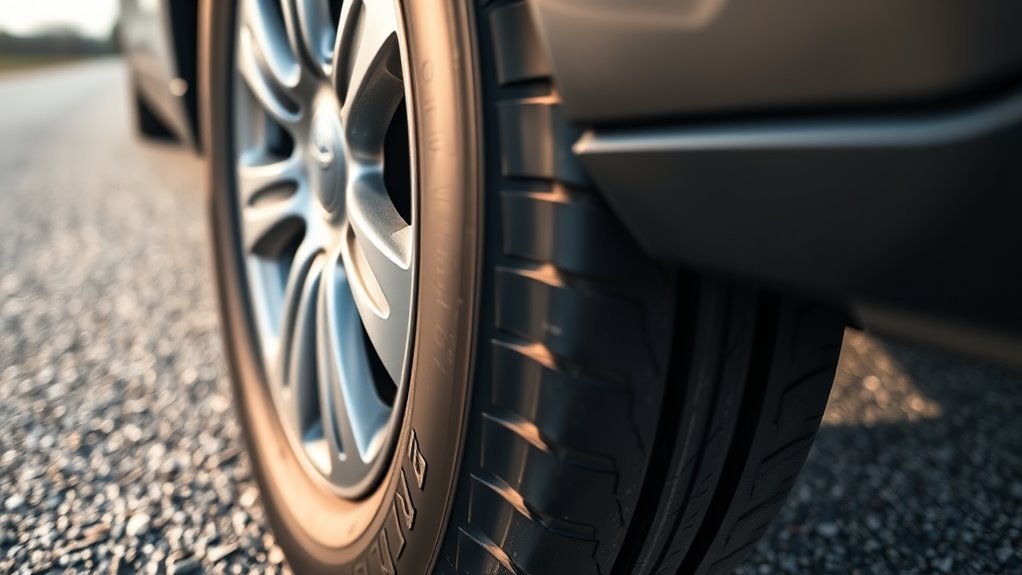
Understanding your Toyota RAV4’s tire sidewall is essential for safety and performance. Start by checking the tire size, which includes width, aspect ratio, and diameter. The load index indicates how much weight each tire can support, while speed ratings show maximum speed. Take note of symbols like “M+S” for weather conditions, and the DOT code reveals the manufacturing date. By grasping these details, you guarantee ideal tire maintenance and performance. You’ll discover even more helpful insights about tire selection next.
Understanding Tire Size: What the Numbers Mean
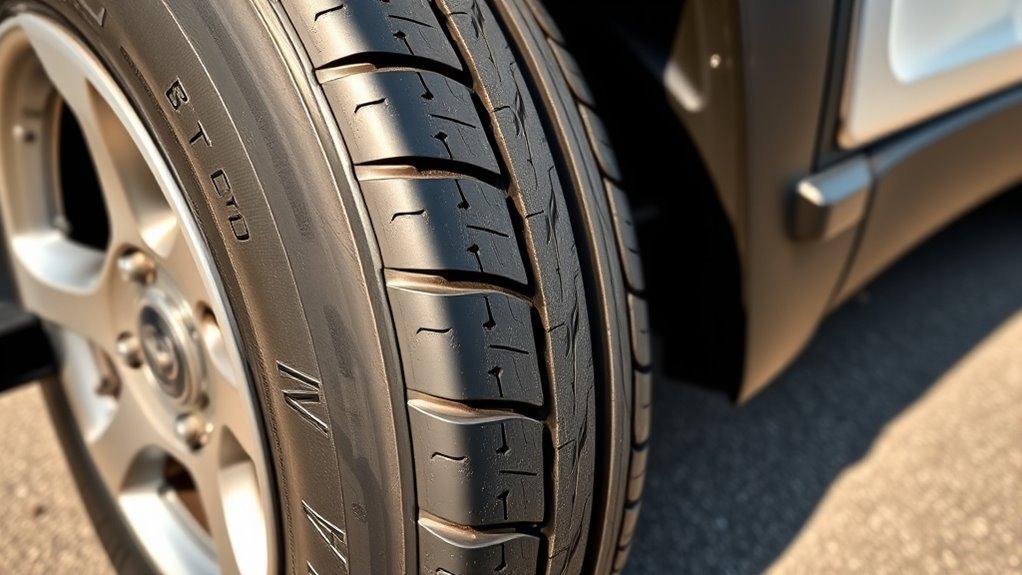
Understanding tire size is essential for ensuring you choose the right tires for your vehicle. The first number on your tire sidewall, like 235, indicates the tire width in millimeters, measuring from sidewall to sidewall. This width affects handling and comfort, so it’s vital to know what fits your needs. The second number, such as 65, represents the aspect ratio, which tells you the height of the tire’s sidewall as a percentage of its width. A higher aspect ratio usually means a taller sidewall, providing a smoother ride but potentially less sporty handling.
Next, the letter “R” signifies radial construction, common for durability and comfort. Finally, the two-digit number following this indicates the wheel diameter in inches. Understanding these numbers empowers you to select tires that enhance your driving experience while ensuring safety and performance on the road.
Decoding Load Index and Speed Rating for Safety
When selecting tires, paying attention to the load index and speed rating is essential for your safety and vehicle performance. The load index, shown as a two or three-digit number on the sidewall, indicates the maximum weight each tire can support when properly inflated. For example, a load index of 95 means a load capacity of about 1,521 pounds per tire. This is important, particularly for heavier vehicles or those carrying substantial loads.
Speed ratings are represented by letters, with each letter corresponding to specific speed limits. For instance, a tire with an “H” rating can handle speeds up to 130 mph. Mismatched load indexes and speed ratings can compromise your vehicle’s stability and safety, so confirm they align with your vehicle’s specifications. Regularly checking these factors enhances your overall safety and performance on the road, allowing you to drive with confidence.
How Tire Construction Affects Performance
Your tire’s construction plays a significant role in how it performs on the road. Understanding the basics of tire construction can empower you to make informed decisions for your Toyota RAV4, enhancing your driving experience.
| Tire Type | Key Features | Performance Impact |
|---|---|---|
| Radial | Plies radiate from the center | Smoother ride, longer tread life |
| Bias-Ply | Plies crisscross | Stiffer ride, less responsive |
| Low Aspect | Lower two-digit ratio (e.g., 55) | Quicker steering response |
| Diameter | Must match tire type | Guarantees secure fit and safety |
Choosing the right tire construction not only optimizes traction and stability but also improves fuel efficiency and handling. For a smoother ride and better cornering, verify your tires align with your vehicle’s specifications. Making these choices can liberate your driving experience and elevate your performance on the road.
Understanding Tire Symbols and Their Importance
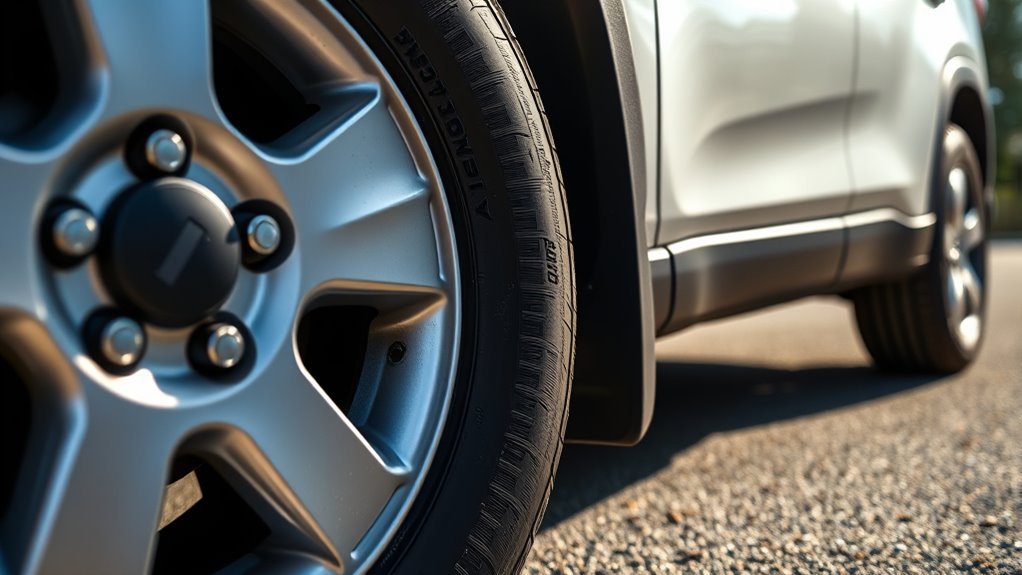
When you look at a tire’s sidewall, you’ll find symbols that hold key information about its performance and safety. Understanding these markings is essential for selecting the right tire for your vehicle. From load index to speed ratings, each symbol plays an important role in ensuring your driving experience is both safe and reliable.
Key Tire Symbols Explained
Understanding tire symbols is vital for every driver, especially if you want to secure safety and performance on your Toyota RAV4. The sidewall features important information like tire size, load index, and speed rating, which directly impact your vehicle’s handling. For instance, load index numbers tell you how much weight each tire can support—pivotal for safety. Symbols like “M+S” or the three-peak mountain snowflake indicate the tire’s effectiveness in various weather conditions, aiding in seasonal tire selection. Additionally, the “DOT” code reveals the tire’s manufacturing date, confirming you’re aware of its usability. By grasping these tire maintenance tips, you’ll enhance your driving experience and guarantee your RAV4 performs at its best.
Importance of Sidewall Markings
Tire sidewall markings hold essential information that every driver should pay attention to. These markings reveal tire size, load index, and speed rating, which are vital for selecting the right tires for your Toyota RAV4. Understanding these symbols helps confirm your vehicle runs safely and efficiently. The DOT code indicates the tire’s manufacturing date, emphasizing the importance of timely replacements every 6–10 years. Plus, symbols like M+S or the snowflake assure your tires perform well in winter conditions. Knowing the load index keeps you aware of weight limits, while speed ratings guarantee your tires can handle your driving speed. Incorporating tire maintenance tips and recognizing tire inflation importance can enhance your overall driving experience.
Decoding the DOT Code for Tire Safety
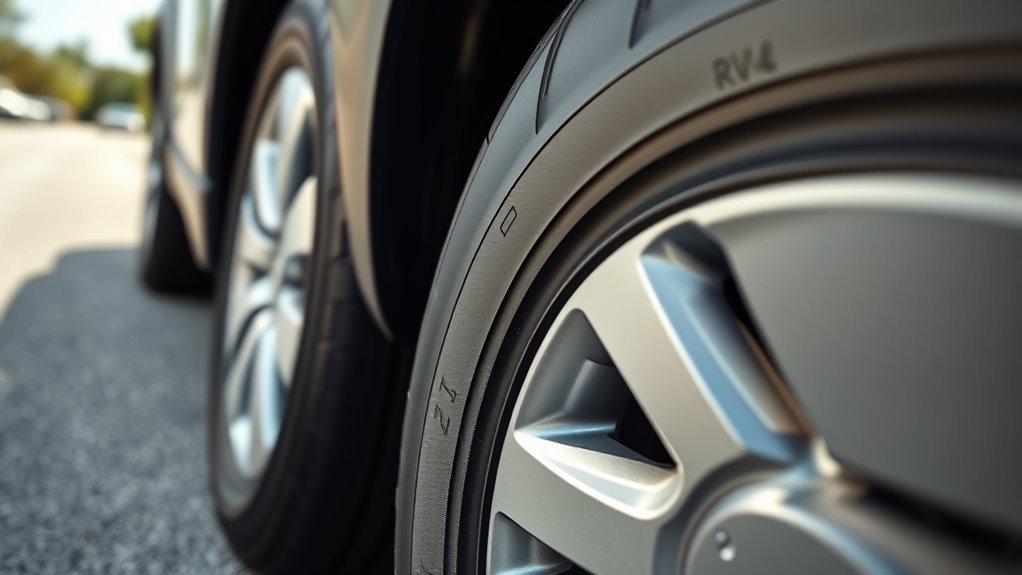
When you check your tire’s DOT code, you reveal essential information about its manufacturing details and age. Understanding this code is vital for your safety, as tires older than six years need regular inspections and should be replaced after ten years, regardless of tread wear. Let’s break down how to interpret the DOT code and why knowing your tire’s age matters.
Understanding DOT Code Structure
Decoding the DOT code can seem intimidating, but it’s essential for ensuring your vehicle’s safety. The DOT code consists of letters and numbers, where the first two letters indicate the manufacturer code, important for tire identification. The following numbers define the tire type and size, while the last four digits reveal the production date. For instance, “1223” means the tire was made in the 12th week of 2023. Tires older than six years require careful tire inspections, as aged tires may degrade despite good tread. Understanding the DOT code is also significant for recognizing potential tire recalls, ensuring you stay informed about safety issues that could affect your driving experience.
Importance of Tire Age
Understanding the age of your tires is vital for maintaining safety on the road. The DOT code reveals when your tires were manufactured, with the last four digits indicating the week and year. Tires older than six years pose significant safety risks due to potential tire degradation, even if they look fine. Regular inspections for tires aged five years or older are important; they can lose grip and performance, increasing the likelihood of accidents. Experts recommend replacing tires every 6-10 years to guarantee your vehicle handles well and keeps you safe. Don’t overlook the importance of tire age—it’s key to a smooth, secure driving experience. Stay informed and keep your journey safe!
Understanding Aspect Ratio and Its Impact on Performance
The aspect ratio of a tire plays an essential role in determining its performance characteristics. It’s the two-digit number following the tire width, representing the sidewall height as a percentage of the width. For instance, a ratio of 65 means the sidewall height is 65% of the tire’s width. A lower aspect ratio, like 55, offers a shorter sidewall, enhancing handling and responsiveness during cornering. This means better tire performance at high speeds and in dry conditions. Conversely, a higher aspect ratio, such as 75, provides a taller sidewall, which absorbs road imperfections for a more comfortable ride but may sacrifice steering precision. Choosing the right aspect ratio is vital for your RAV4’s stability and performance, as it affects overall tire diameter, speedometer accuracy, and handling dynamics. Understanding this balance empowers you to make informed decisions for your driving experience.
How to Pick the Perfect Tires for Your RAV4
Selecting the right tires for your Toyota RAV4 is vital to optimizing performance and safety on the road. Start by checking the specifications on your driver’s side door jamb—confirm the tire width, aspect ratio, and rim diameter match. Consider the load index, like 95, which indicates how much weight each tire can support. This is essential for maintaining stability.
Next, choose a speed rating that fits your driving habits; common ratings for the RAV4 are H or T, which accommodate speeds up to 130 mph and 118 mph, respectively. If you face seasonal variations, all-season tires are ideal for varied conditions. For snowy climates, opt for winter tires marked with the three-peak mountain snowflake (3PMSF) symbol for better traction.
Don’t forget to regularly inspect your tire sidewalls for wear and confirm they’re properly inflated to enhance performance and longevity. Choose reputable tire brands to guarantee quality and reliability.
Frequently Asked Questions
Does Toyota RAV4 Tell You Which Tire Is Low?
Yes, your Toyota RAV4 tells you which tire is low. The tire pressure warning indicators light up on your dashboard, and a message displays the specific tire needing attention, ensuring your safety and performance.
How to Read a Tire Guide?
To read a tire guide, check the tire pressure, size, and load index. Understanding these details helps you maintain proper tire maintenance, ensuring safety and performance while enjoying your freedom on the road.
What’s Written on the Sidewall of a Tire?
Did you know a tire’s load index can support over 1,500 pounds? Tire specifications on the sidewall markings indicate size, load capacity, and speed rating, helping you choose the right tire for your vehicle.
Conclusion
Now that you’ve cracked the code of your RAV4’s tire sidewall, think of yourself as a modern-day Odysseus steering through the seas of safety and performance. By understanding tire size, load index, and even the DOT code, you’re equipped to choose tires that suit your journey. Remember, a well-chosen tire isn’t just rubber; it’s your vehicle’s lifeline, ensuring every adventure is as smooth as a Greek epic. So, gear up and hit the road with confidence!

Related Articles

Upsizing Wheels on a Toyota RAV4: Pros, Cons, and Considerations
Boost your Toyota RAV4's performance with larger wheels, but discover the hidden trade-offs that could impact your ride before you decide.
Read More
Can I Change Tire Size on My Toyota RAV4? Rules and Recommendations
Are you considering changing the tire size on your Toyota RAV4? Discover the essential rules and recommendations before making a decision.
Read More
What to Do If the TPMS Light Comes On in Your RAV4
Understand the steps to take when the TPMS light illuminates in your RAV4, as overlooking it could lead to serious tire problems.
Read More